Sustainable Fashion: What It Really Means and How to Build a Greener Wardrobe
When we talk about sustainable fashion, clothing made with care for people, animals, and the environment over its entire life cycle. Also known as ethical fashion, it’s not just about organic cotton or a green label—it’s about how much water was used, who made it, and what happens when you’re done wearing it. Most clothes today are designed to be thrown away, but sustainable fashion asks: what if they lasted? What if they were made without poison? What if they could be reused, repaired, or returned to the earth?
It connects directly to eco-friendly fabrics, materials like organic cotton, hemp, TENCEL, and recycled polyester that avoid pesticides, synthetic dyes, and plastic pollution. These aren’t just buzzwords—they’re the difference between a shirt that pollutes groundwater and one that’s safe to grow, wear, and compost. Then there’s secondhand fashion, buying used clothes to keep textiles out of landfills and reduce demand for new resources. That’s not thrift shopping out of necessity—it’s a smart, climate-friendly habit. And behind both? The circular economy, a system where nothing is wasted, and every garment has a next life as repair, resale, or recycling. Brands that promise this often don’t deliver, but the real change comes from how you shop, not what they say.
And don’t forget non-toxic clothing, garments free from harmful chemicals like formaldehyde, PFAS, and heavy metals that can irritate skin and leach into water. Many fast fashion items are soaked in these, even if they’re labeled "hypoallergenic." You don’t need to buy everything new to avoid them—just learn to read labels, choose certified brands, and wash new clothes before wearing.
What you’ll find below isn’t a list of perfect brands or impossible rules. It’s real advice from people who’ve tried it: how to make a small wardrobe last longer, why thrift stores like Goodwill actually help the planet, what fabrics are truly safe for your skin, and how minimalism isn’t about owning less—it’s about choosing better. These aren’t idealistic dreams. They’re habits people are using right now to live with less waste, less guilt, and more confidence in what they wear.
What type of clothing is in high demand in 2026?
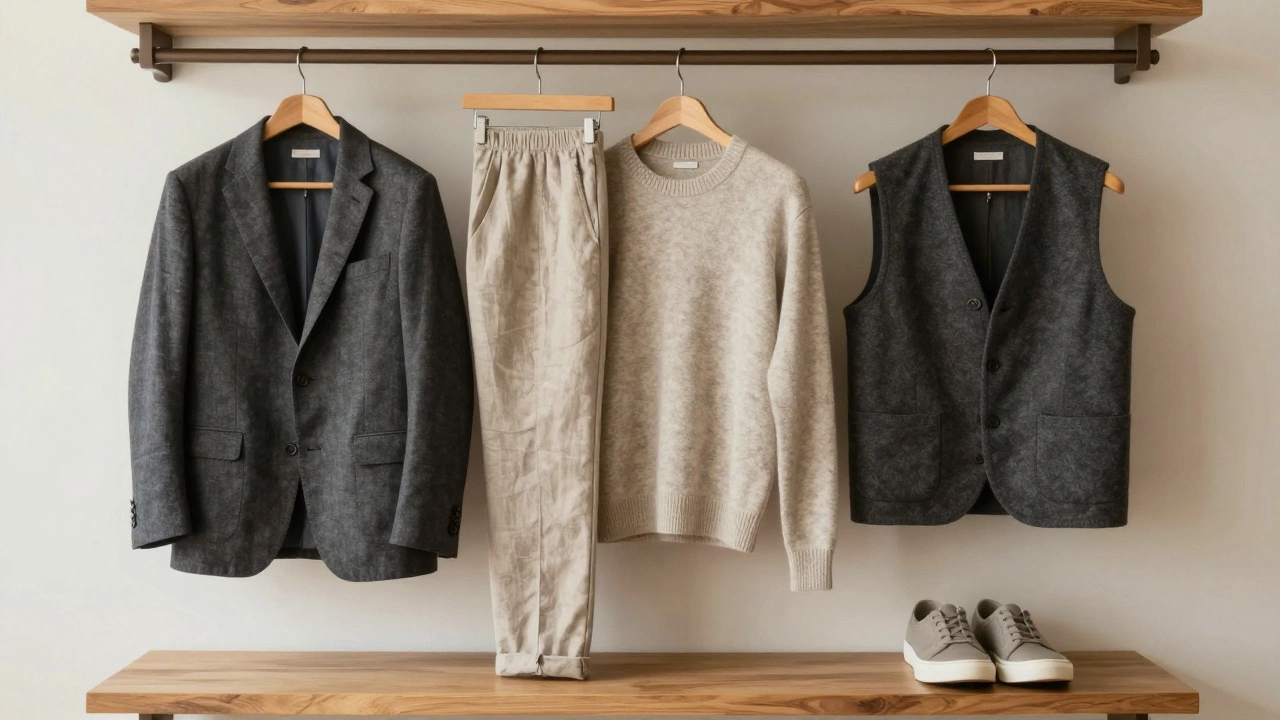
In 2026, high-demand clothing is about comfort, sustainability, and longevity. People are choosing timeless basics made from eco-friendly materials, prioritizing function over trends, and building wardrobes that last.
How to Tell If a Fashion Brand Is Truly Sustainable

Learn how to spot real sustainable fashion brands-not just greenwashing. Check certifications, labor practices, materials, and transparency to make smarter, longer-lasting clothing choices.
What Qualifies as Sustainable Fashion? A Clear Guide to Ethical Clothing
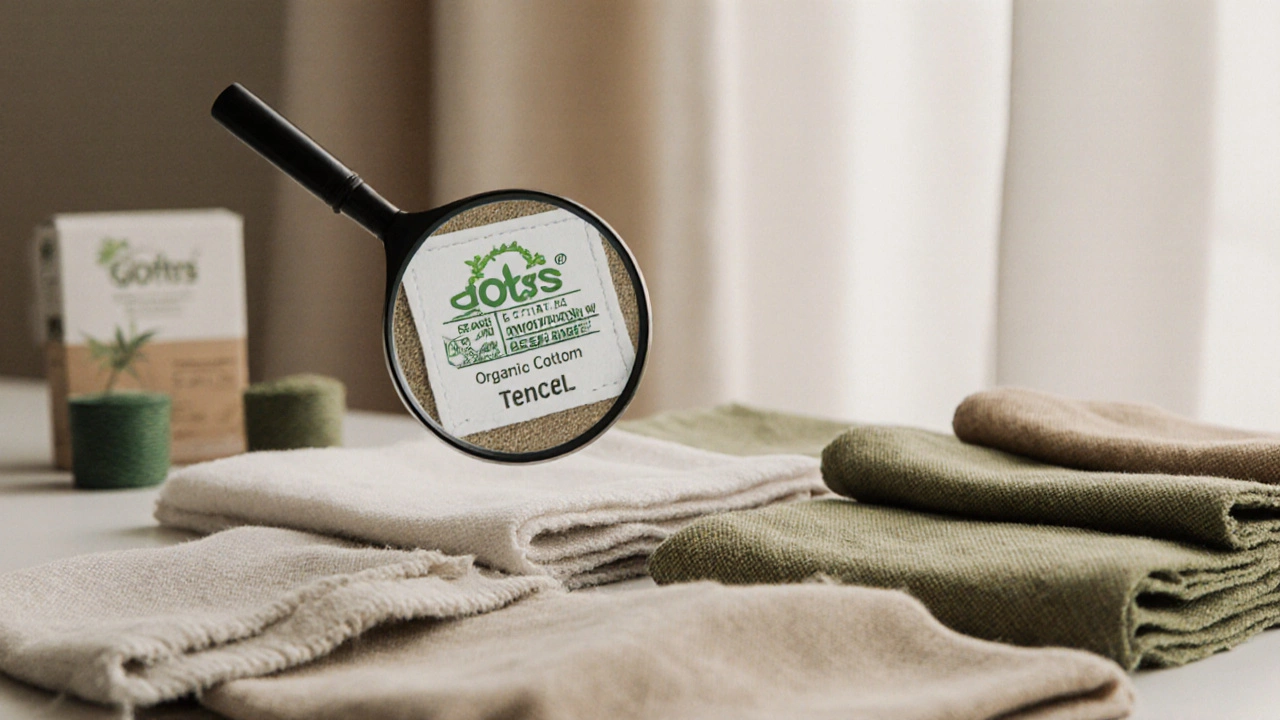
Sustainable fashion isn't just about organic cotton or recycled labels. It's about materials, fair labor, durability, and what happens after you're done wearing it. Learn what truly makes clothing sustainable.
Categories
RECENT POSTS

What Falls Under Mental Wellbeing? A Simple Breakdown of Key Areas
Mental wellbeing includes emotional health, stress management, connection, self-care, purpose, movement, boundaries, and self-compassion. It's not about being perfect-it's about showing up for yourself daily.

How to Improve Your Mental Wellbeing: Simple, Proven Steps for Daily Life
Learn simple, science-backed ways to improve your mental wellbeing every day - from walking and sleep to connection and reducing screen time. No therapy required, just small habits that make a big difference.

How to Find Your Ideal Work-Life Balance in 2025
Discover how to create an ideal work-life balance with proven strategies, helpful tips, and real-life facts to boost your happiness and productivity in 2025.
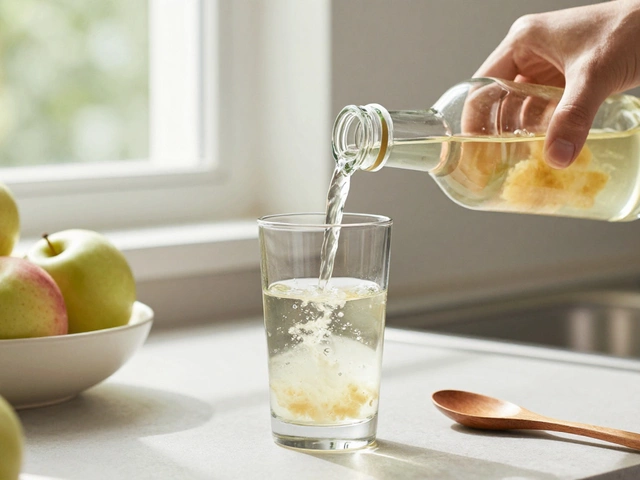
Can Apple Cider Vinegar Really Help You Lose Weight? Here's What the Science Says
Apple cider vinegar may help with weight loss by reducing appetite and stabilizing blood sugar, but it's not a magic solution. Real results come from combining it with healthy eating and movement.

What Is the Golden Rule in Everyday Life? A Minimalist Approach to Living Better
The golden rule in everyday life isn't just about treating others well-it's about treating yourself with honesty. Minimalism helps you cut through noise, keep only what truly matters, and live with more peace and clarity.