Timeless Design: Simple, Lasting Style That Stands the Test of Time
When we talk about timeless design, a style that remains relevant across decades because of its simplicity, function, and quality. Also known as classic design, it’s not about what’s popular this season—it’s about what you’ll still want to wear, use, or live with in five, ten, or twenty years. Think of a well-made black coat, a pair of sturdy leather boots, or a ceramic mug that feels right in your hand. These aren’t just objects. They’re choices that reject waste and noise, and instead, value clarity and durability.
minimalist fashion, a design philosophy that strips away excess to focus on essential form and function. Also known as capsule wardrobe, it’s closely tied to timeless design because both ask: Does this truly serve me? You’ll find this in posts about why minimalists wear black, how to build a wardrobe that lasts, and how AI style apps help you see your own clothes in a new way. It’s not about owning less for the sake of it—it’s about owning only what works, every day, in every season. That’s why you’ll also see articles on sustainable fashion, where materials, labor, and end-of-life matter as much as how something looks. True timeless design doesn’t just look good—it does good.
sustainable fashion, clothing made to last, repaired, and reused rather than discarded after a few wears. Also known as slow fashion, it’s the practical side of timeless design in action. You can’t have lasting style if the thing you’re wearing falls apart after two washes—or if it was made under unfair conditions. That’s why posts here dig into certifications, transparency, and how to spot real sustainability versus greenwashing. It’s not about buying expensive labels. It’s about asking: Will this still be useful in five years? And if not, why am I buying it?
Timeless design doesn’t require a big budget. It requires attention. It’s in the way you choose a garden tool that won’t rust, or pick a fertilizer that nourishes soil instead of poisoning it. It’s in the meals you prep with beans and eggs because they’re cheap, filling, and don’t need fancy packaging. It’s in decluttering your home to keep only what brings calm, not clutter. This isn’t a trend. It’s a return to basics—something people have known for centuries, then forgot in the rush of fast everything.
You’ll find all of this reflected in the articles below. From how to spot real sustainable brands to why black is the ultimate color for a lasting wardrobe, these posts don’t just talk about style—they show you how to build it, one thoughtful choice at a time. No fluff. No hype. Just real, usable insights that help you live with less waste and more meaning.
Is Traditional Home Decor Making a Comeback? Vintage Styles & Timeless Charm for Modern Homes
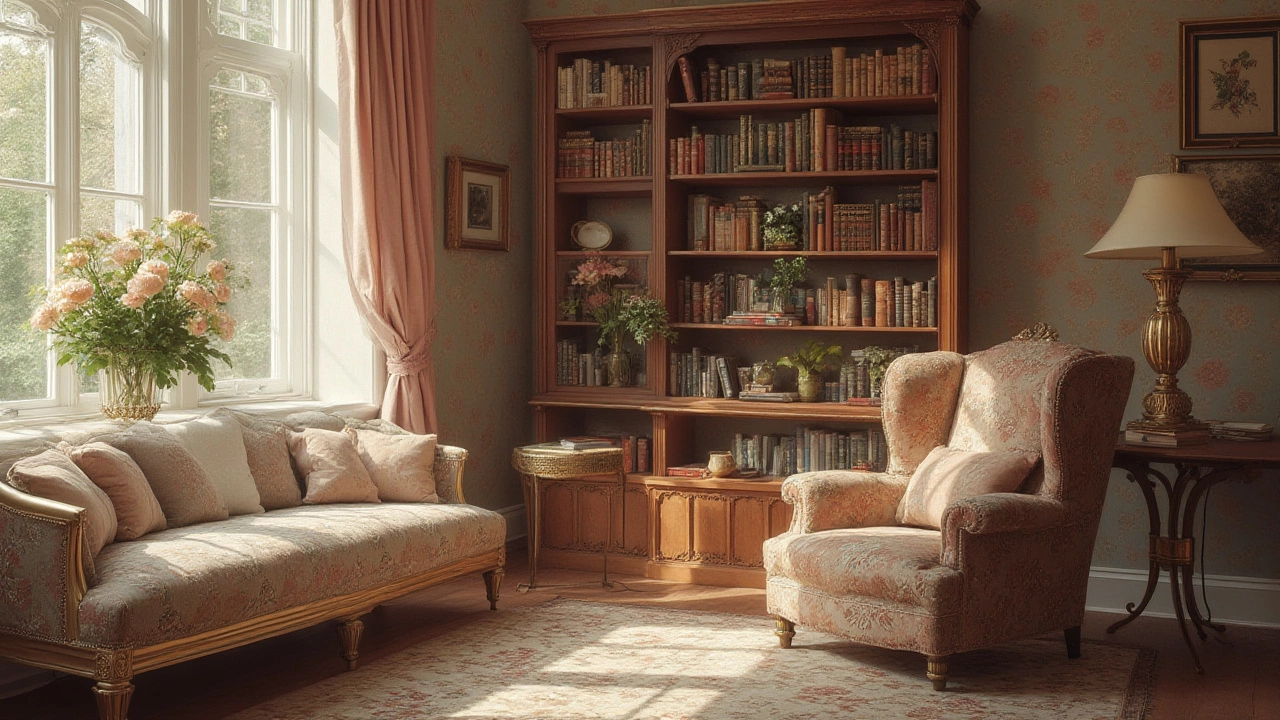
Is traditional home decor back in style? Explore how vintage charm, classic patterns, and timeless furniture are transforming modern interiors and winning hearts again.
Categories
RECENT POSTS
How Many Minutes a Day Should You Practice Mindfulness?
You don't need hours to practice mindfulness. Just five minutes a day can reduce stress, improve focus, and help you respond instead of react. Science backs this simple habit.
What Is the Disadvantage of Self-Help Books?
Self-help books promise transformation but often oversimplify life's challenges, create guilt, and replace real support with solo fixes. Here's what they don't tell you.

Unhealthy Work‑Life Balance: Definition, Signs & Solutions
Explore what makes a work-life balance unhealthy, spot warning signs, understand impacts, and learn practical steps to restore balance and prevent burnout.
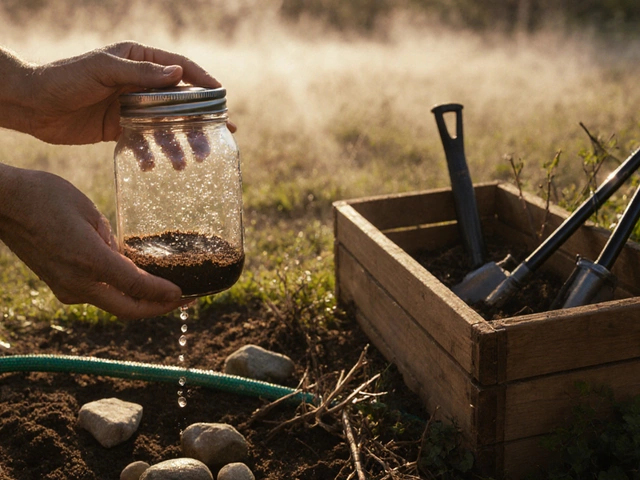
How to Till a Garden for the First Time - Step‑by‑Step Guide
A step‑by‑step guide for beginners that explains why tilling matters, how to pick tools, prepare soil, till correctly, and avoid common pitfalls.
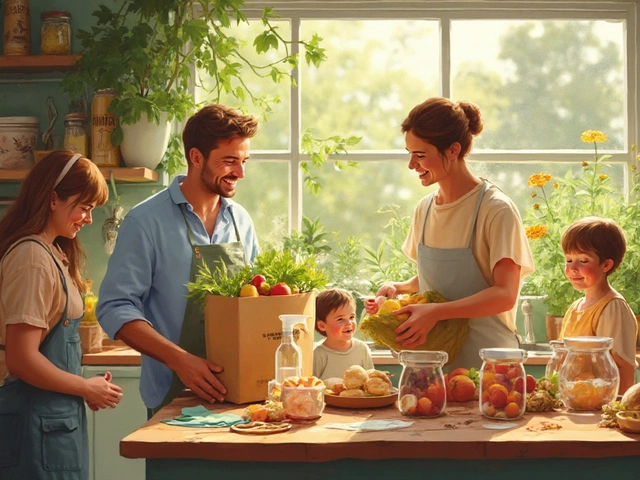
Eco-Friendly Products: How Switching Changes Your Life and the Planet
Switching to eco-friendly products ripples out in powerful ways. Discover real effects on your health, wallet, and the planet—plus stats, tips, and eye-opening facts.