Traditional Home Decor: Timeless Styles, Modern Tips, and How to Make It Work Today
When you think of traditional home decor, a style rooted in classic European design, rich wood tones, and symmetrical layouts. Also known as classic interior design, it values craftsmanship, comfort, and a sense of history that feels lived-in, not museum-like. This isn’t about dusty lace doilies or matching sets you never use. Real traditional decor is about layers—soft textiles, sturdy furniture, and pieces that tell a story. It’s the kind of space where you sink into a worn-in armchair without worrying about scuffs, and where a well-loved wooden side table holds more than just a lamp—it holds memories.
What makes traditional home decor stick around? It works because it’s built on principles, not trends. vintage furniture, pieces made before the 1980s, often with solid wood and hand-carved details doesn’t just look good—it lasts. You won’t find plastic legs or particle board here. These are items meant to be passed down. And when paired with rustic decor, a more relaxed, earthy take on tradition that embraces natural textures, weathered finishes, and handmade elements, the result feels warm, not stiff. Think dark oak bookshelves next to a chunky linen sofa, or a Persian rug that’s faded in all the right places. It’s not about perfection—it’s about presence.
People often assume traditional means old-fashioned, but that’s not true. Modern homes use traditional decor to add soul. A simple white wall with a single ornate mirror? That’s traditional. A mid-century side table with carved legs? That’s traditional too. It’s not about the age of the piece—it’s about how it makes the space feel. You don’t need to buy an entire set of matching furniture. Start with one solid piece—a dining table that’s stood the test of time, or a leather armchair that’s been reupholstered once or twice. Let that be your anchor. Then build around it with things you love, not things you think you’re supposed to have.
And here’s the secret: traditional home decor is actually one of the easiest styles to maintain. It doesn’t scream for attention. It doesn’t clash with a new coat of paint or a different rug. It adapts. That’s why so many people return to it—even after trying minimalist or maximalist trends. It’s quiet confidence. It’s comfort you can count on.
Below, you’ll find real advice from people who’ve lived with this style—not just decorated it. You’ll see how to mix old and new without it looking like a thrift store explosion. How to pick the right lighting without going overboard with chandeliers. And how to make your space feel rich without spending a fortune. No fluff. No fake antiques. Just practical ways to bring timeless style into your everyday life.
Is Traditional Home Decor Making a Comeback? Vintage Styles & Timeless Charm for Modern Homes
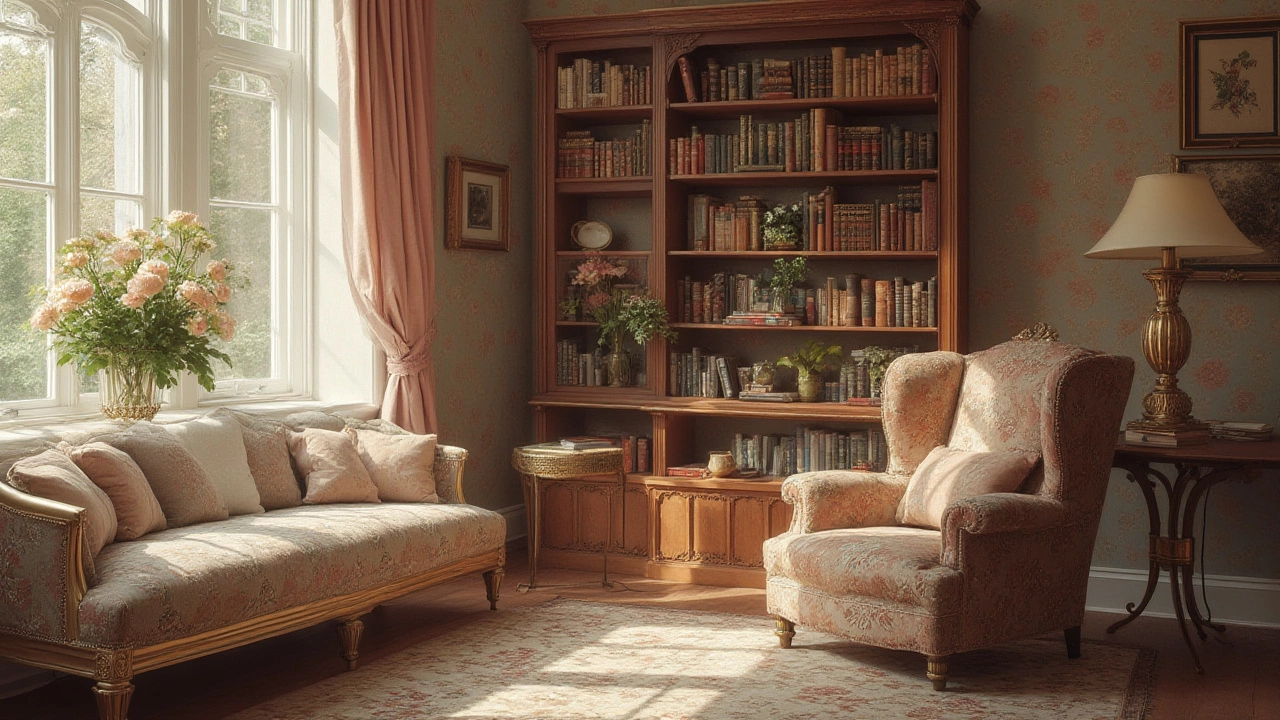
Is traditional home decor back in style? Explore how vintage charm, classic patterns, and timeless furniture are transforming modern interiors and winning hearts again.
Categories
RECENT POSTS

Are Minimalists Happier? The Truth About Minimalism and Well-being
Do fewer possessions lead to more joy? Explore the connection between a minimalism lifestyle, stress reduction, and mental clarity to find your own balance.

How to Make a Thriving Garden: Soil, Sunlight, and Sustainable Care Tips
Learn how to make a thriving garden by focusing on soil health, proper watering, and companion planting. Practical tips for sustainable, low-maintenance outdoor spaces.

Do Millennials Like Minimalism? The Real Story Behind the Trend
Millennials aren't chasing minimalism for looks-they're chasing peace. Learn why this generation is quietly ditching clutter for space, time, and financial freedom-not because it's trendy, but because it works.

Why Minimalists Wear Black: Psychology, Practicality, and Style
Explore why minimalists favor black clothing, from psychological impact to practical benefits, and learn how to build a versatile black capsule wardrobe.
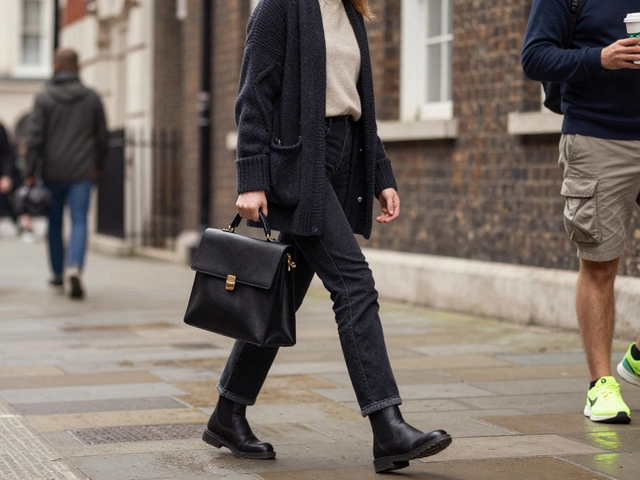
How to Dress Like a Local in London and Avoid Looking Like a Tourist
Learn how to dress like a local in London by avoiding common American tourist mistakes-skip loud logos, athletic wear, and white sneakers. Master quiet style, layering, and practical footwear to blend in effortlessly.