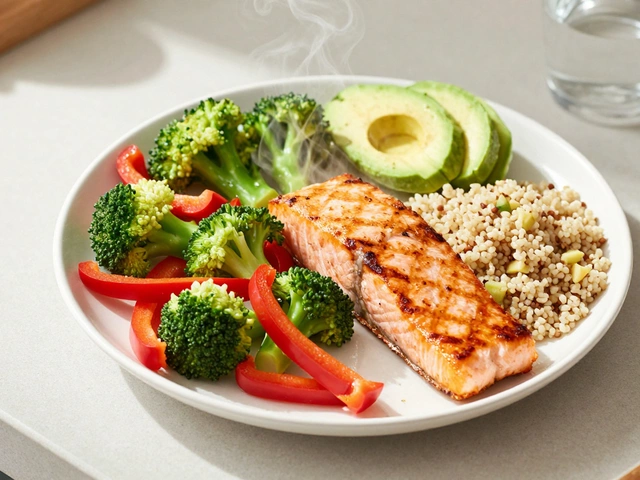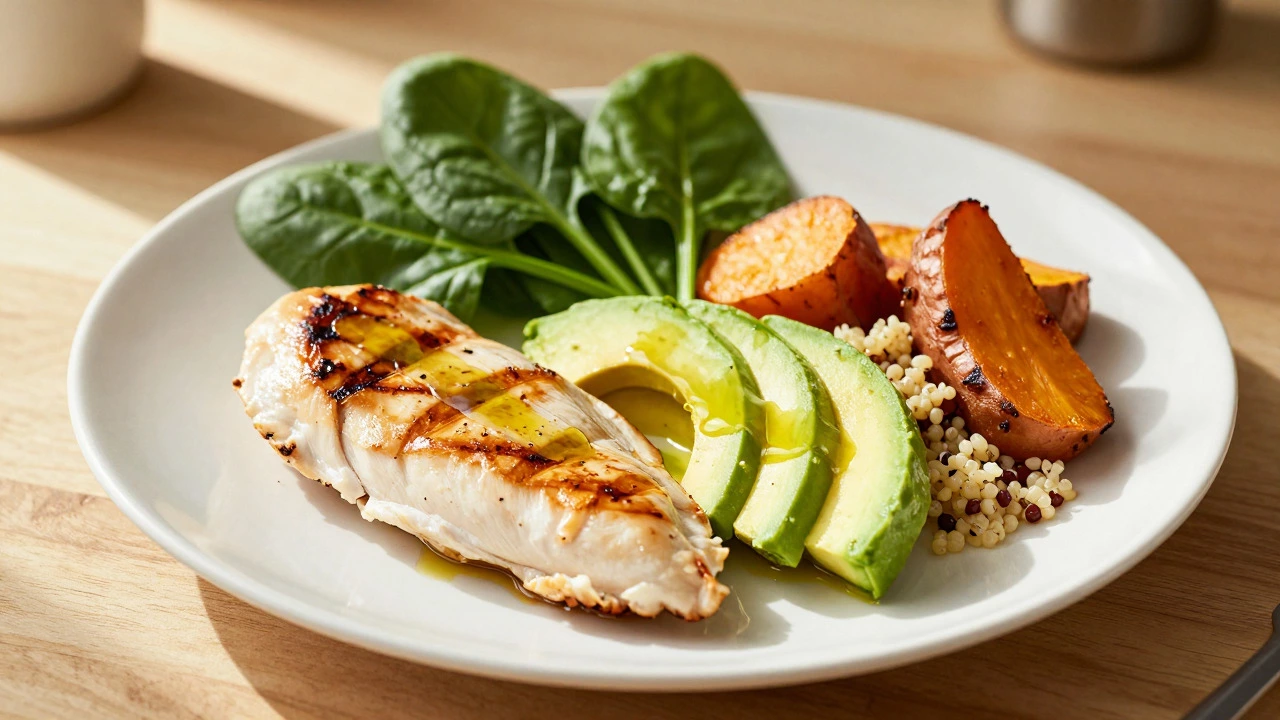
Build Your Balanced Plate
Protein (Repair)
Healthy Fats (Hormones)
Carbs (Energy)
Ever stared into your fridge, feeling that familiar wave of hunger mixed with total confusion about what to eat? You want something healthy, but you also want it to be filling. You don't have time to count every single calorie or weigh out grams of chicken breast like a lab technician. That’s where the Rule of 3 meal plan comes in. It is not a fad diet with a catchy name and a steep learning curve. Instead, it is a straightforward framework for building plates that actually keep you energized and satisfied throughout the day.
This approach strips away the complexity of modern nutrition advice. It focuses on three core components that every meal should contain. By following this simple structure, you can stop guessing and start eating with intention. Let’s break down exactly how this works and why it might be the missing piece in your daily routine.
Understanding the Three Pillars
The Rule of 3 is built on the foundation of macronutrients. These are the nutrients your body needs in large amounts to function. Unlike micronutrients (vitamins and minerals), which you need in tiny quantities, macronutrients provide the energy and building blocks for your life. The rule states that every main meal must include one source from each of these three categories:
- Protein: This is the repair crew. It helps build muscle, keeps you full longer, and stabilizes blood sugar levels. Think chicken, fish, tofu, eggs, or Greek yogurt.
- Fat: Often misunderstood, fat is essential for hormone production and nutrient absorption. Healthy fats come from avocados, nuts, seeds, olive oil, and fatty fish.
- Carbohydrates: This is your fuel. Carbs give your brain and muscles the energy they need to perform. Focus on complex carbs like oats, quinoa, sweet potatoes, and whole grains rather than refined sugars.
When you combine these three elements, you create a meal that digests slowly. This slow digestion prevents those sharp spikes and crashes in energy that often lead to mid-afternoon snacking. It turns your food into steady, reliable power for your body.
Why This Method Works Better Than Counting Calories
For years, the dominant strategy for weight management has been "calories in, calories out." While scientifically true, it is incredibly difficult to sustain in real life. Tracking every bite requires constant vigilance and often leads to an unhealthy relationship with food. The Rule of 3 shifts the focus from restriction to inclusion.
Instead of asking, "How many calories did I just eat?" you ask, "Did I include all three pillars?" This mindset change reduces stress. It encourages you to look at the quality and balance of your food rather than just the quantity. Studies in behavioral nutrition suggest that people who focus on food composition rather than strict counting tend to stick to their habits longer because it feels less punitive.
Consider the difference between two meals. Meal A is a bowl of plain pasta. It has carbs, but it lacks protein and fat. You’ll likely feel hungry again within an hour. Meal B is a salad with grilled chicken, quinoa, and an olive oil dressing. It hits all three marks. You stay full for hours. The second meal isn’t necessarily lower in calories, but it is higher in satisfaction and nutritional density.

Building Your Plate: Practical Examples
The beauty of the Rule of 3 is its flexibility. It doesn’t dictate specific portions or ban entire food groups. Here is how you can apply it to different types of meals throughout your day.
| Meal Type | Protein Source | Fat Source | Carb Source |
|---|---|---|---|
| Breakfast | Scrambled Eggs | Avocado slices | Whole grain toast |
| Lunch | Grilled Chicken Breast | Olive Oil Dressing | Quinoa Salad |
| Dinner | Baked Salmon | Tahini Sauce | Sweet Potato |
| Vegetarian Option | Chickpeas | Nuts/Seeds | Brown Rice |
Notice how diverse these options are. You can adapt this rule to almost any cuisine. If you love Mexican food, your plate could consist of lean beef (protein), guacamole (fat), and black beans or corn tortillas (carbs). If you prefer Asian flavors, try stir-fried tofu (protein) with sesame oil (fat) and brown rice (carbs). The key is ensuring no pillar is missing.
Meal Prep Strategies for Busy Schedules
Knowing the theory is one thing; executing it when you are rushing out the door is another. Meal prepping becomes significantly easier when you follow the Rule of 3. Instead of trying to cook complex recipes, you can batch-cook individual components.
- Cook a Base Carb: Prepare a large batch of quinoa, brown rice, or roasted sweet potatoes at the start of the week. Store them in containers in the fridge.
- Prep Proteins: Grill several chicken breasts, bake a tray of salmon fillets, or hard-boil a dozen eggs. Keep these ready to grab.
- Add Fats Fresh: Fats can sometimes go rancid or dry out if prepped too far in advance. Keep nuts, seeds, avocado halves, or small jars of olive oil separate. Add them to your meal right before eating.
This modular approach saves time. On a busy Tuesday night, you can assemble a complete, balanced meal in under five minutes by combining pre-cooked components. It eliminates the decision fatigue that often leads to ordering takeout.

Common Pitfalls and How to Avoid Them
Even simple rules can be tricky to follow perfectly. Here are some common mistakes people make when trying to implement the Rule of 3.
Neglecting Vegetables: While vegetables are not one of the three macronutrient pillars, they are crucial for fiber and micronutrients. Always add non-starchy vegetables like spinach, broccoli, or peppers to your plate. They fill up volume without adding significant calories, helping you feel fuller.
Choosing Poor Quality Sources: Not all carbs are created equal. White bread and sugary cereals will spike your blood sugar quickly. Opt for whole grains and starchy vegetables instead. Similarly, choose unsaturated fats over trans fats. Read labels carefully. If a packaged food lists hydrogenated oils, put it back.
Skipping Breakfast: Many people skip the first meal of the day, thinking they are saving calories. However, this often leads to overeating later. Starting your day with a balanced breakfast sets the tone for the rest of your eating habits. It jumpstarts your metabolism and provides immediate energy.
Adapting the Rule for Specific Goals
The Rule of 3 is versatile enough to support various health goals. If you are looking to lose weight, you might slightly reduce the portion size of carbohydrates and increase the amount of vegetables and lean protein. For muscle gain, you would increase the protein portion and ensure adequate calorie intake through healthy fats and complex carbs.
Athletes often use this framework to time their meals around training sessions. Pre-workout meals might emphasize carbohydrates for energy, while post-workout meals focus on protein for recovery. The structure remains the same, but the ratios shift based on your immediate physical needs.
Remember, consistency beats perfection. You don’t need to hit the perfect ratio every single time. Aim to get close most of the time. Over weeks and months, these small choices compound into significant improvements in your health and energy levels.
Is the Rule of 3 suitable for vegetarians?
Absolutely. Plant-based proteins like lentils, chickpeas, tofu, tempeh, and edamame work perfectly. Pair them with healthy fats from nuts, seeds, or avocado, and complex carbs like brown rice or oats. Just ensure you are getting a variety of protein sources to cover all essential amino acids.
Do I need to measure my food portions?
Not strictly. The Rule of 3 is more about presence than precise measurement. Use your hand as a guide: a palm-sized portion of protein, a thumb-sized portion of fat, and a fist-sized portion of carbs. Adjust based on your hunger levels and activity.
Can I drink my calories?
It is better to eat solid foods for satiety. Liquid calories, especially from smoothies or juices, can lack the fiber and chewing effort that signal fullness to your brain. If you do drink calories, ensure the smoothie contains all three pillars: protein powder, nut butter, and fruit/oats.
What if I am eating out at a restaurant?
Look for dishes that clearly list these components. A steakhouse meal with a baked potato and green beans fits well. At a pizza place, opt for a thin crust (carb), extra veggies, and maybe a side salad with dressing (fat/protein mix). Avoid sides that are only carbs, like fries with a burger.
Does this rule help with blood sugar control?
Yes. Combining carbs with protein and fat slows down the digestion process. This prevents rapid spikes in blood glucose levels, making it a helpful strategy for anyone managing insulin resistance or diabetes, though you should always consult your doctor for personalized advice.