Vegetable Gardening: Grow Your Own Food with Less Work and More Results
When you start vegetable gardening, the act of growing edible plants like tomatoes, carrots, and lettuce in your yard, balcony, or even window box. It's not about perfection—it's about eating fresher food, saving money, and getting your hands dirty in a way that actually feels good. You don’t need a farm. You don’t need fancy tools. You just need to understand what works, what doesn’t, and how to make it easy.
One of the biggest mistakes people make is thinking they have to water every day, feed plants weekly, and pull every weed by hand. That’s not gardening—it’s a job. Real lazy gardening, a smart approach that uses nature’s patterns to reduce effort while boosting yield. Also known as low maintenance gardening, it’s how people grow more food with less stress. Think mulch instead of weeding, native plants over exotic ones, and compost over chemical fertilizers. This isn’t new-age thinking—it’s what farmers did before big ag took over. And it’s why posts like What Is a Lazy Gardener? and Best Fertilizer for Vegetables: What Actually Works in 2025 keep getting shared. People are tired of wasting time and money on methods that don’t deliver.
So what actually helps your veggies grow? It’s not magic. It’s soil. It’s timing. It’s knowing that coffee grounds, a common household item that can improve soil structure and add small amounts of nitrogen when used right. Also known as coffee as fertilizer, they work for some plants—like blueberries and tomatoes—but can hurt others if dumped straight onto the soil. That’s the kind of detail that matters. You don’t need to memorize a list of 50 fertilizers. You need to know which ones actually feed the soil without burning your plants. The same goes for water, sunlight, and spacing. Too much of one thing kills more gardens than too little.
And yes, you can do this even if you’ve killed every houseplant you’ve ever owned. The key isn’t being a green thumb—it’s being consistent with the basics. Pick a spot that gets six hours of sun. Start with easy veggies like radishes, lettuce, or zucchini. Use mulch to keep weeds down and moisture in. Feed the soil, not just the plant. That’s it. You don’t need a degree in botany. You just need to stop overcomplicating it.
Below, you’ll find real, tested advice from people who’ve been there. Whether you’re wondering how to pick the right fertilizer, how to grow food on a tight budget, or how to make your garden last without constant work—you’ll find answers here. No fluff. No sales pitches. Just what works, when it works, and why it works. Start small. Stay simple. And eat what you grow.
Can You Plant Tomatoes and Peppers Together? Pros, Cons, and Tips for Better Harvests
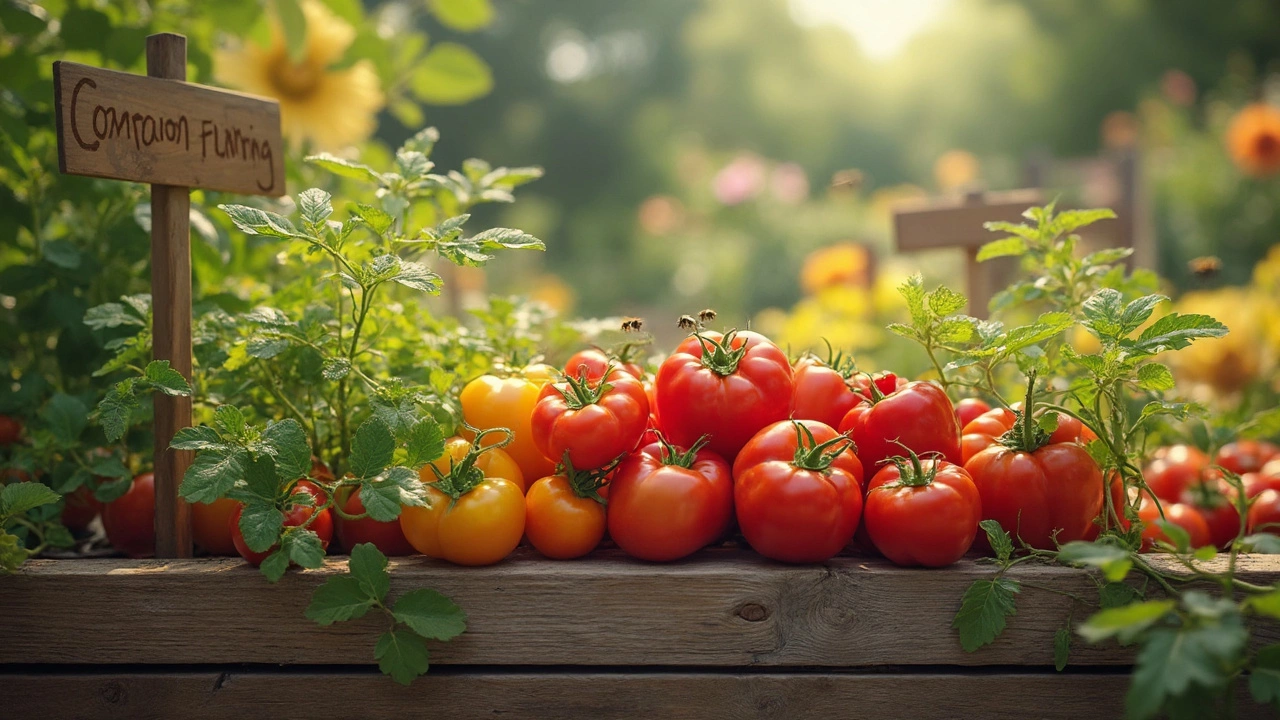
Wondering if tomatoes and peppers can share a garden bed? Discover the science, pros, cons, and proven tips to make these popular veggies thrive side by side.
Categories
RECENT POSTS

Cleanest Over-the-Counter Makeup: Top Picks for 2026
Discover the cleanest over-the-counter makeup brands for 2026. Learn which ingredients to avoid, how to verify safety claims, and which drugstore picks offer both purity and performance.
How to Heal Yourself Emotionally: A Practical Guide to Recovery
Discover practical steps to heal yourself emotionally. Learn about nervous system regulation, mindful processing, and self-compassion to overcome pain and build lasting mental wellbeing.
The Healthiest Diet: Finding the Best Way to Eat for Your Body
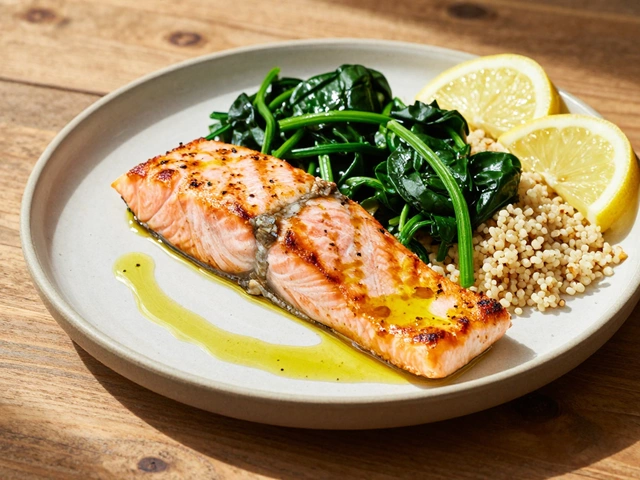
Stop searching for a single 'best' diet. Discover the science-backed eating patterns like Mediterranean and DASH that promote longevity and heart health for everyone.

UK Etiquette Guide: What to Avoid for Visitors in 2026
Navigate British social norms with confidence. Learn the unspoken rules of queuing, tipping, and small talk to avoid common faux pas during your UK visit.

Why Do You Cross Your Legs When Meditating?
Crossing your legs during meditation isn't about tradition-it's about stability and comfort. Learn why this posture works for most people and what alternatives exist if it doesn't suit your body.