Plant Health Diagnostic Tool
Select the symptoms you are observing in your plants to identify potential causes.
You’ve probably heard the phrase "water, sun, and dirt." It’s simple, catchy, and completely wrong if you want a thriving garden. If you’ve ever watched a plant wilt despite your best efforts, you know that growing healthy greenery is more complex than just tossing seeds into a pot. Evelyn Marchant has spent years testing soil mixes and observing microclimates in Wellington, where the wind can strip moisture from leaves faster than you can blink. The reality is that plants are sophisticated biological machines. They require a precise balance of ten distinct elements to convert energy, build structure, and reproduce. Missing even one of these can lead to stunted growth, yellowing leaves, or total crop failure.
The Power Source: Light
Light isn’t just about brightness; it’s about energy currency. Photosynthesis is the process by which plants convert light energy into chemical energy. Without it, nothing else matters. But not all light is created equal. Plants primarily use red and blue wavelengths. Red light drives flowering and fruiting, while blue light promotes leafy growth. If you’re growing indoors, standard LED bulbs might look bright to your eyes, but they lack the specific spectrum intensity required for robust growth. In outdoor gardens, the angle of the sun changes with the seasons. A south-facing window in the Northern Hemisphere provides consistent exposure, whereas an east-facing window offers gentle morning light that prevents scorching. Understanding photoperiodism-the response to day length-is crucial too. Some plants, like chrysanthemums, need short days to bloom, while others, like spinach, bolt (flower prematurely) when days get too long.
The Fuel: Carbon Dioxide
We breathe out what plants breathe in. Carbon dioxide is a gas that plants absorb from the air to build glucose molecules. During photosynthesis, plants take in CO₂ and release oxygen. This exchange happens through tiny pores on the underside of leaves called stomata. In a stagnant indoor environment, CO₂ levels can drop, limiting growth rates. Greenhouse growers often supplement CO₂ to boost yields by up to 30%. For home gardeners, ensuring good air circulation around plants helps maintain adequate CO₂ levels. Open windows, fans, or simply spacing plants apart allows fresh air to reach the foliage. If your indoor jungle feels stuffy, your plants might be starving for carbon, not water.
The Foundation: Soil Structure
Dirt is dead; soil is alive. Soil structure refers to the arrangement of soil particles into aggregates. Good soil isn’t just a medium to hold roots; it’s a sponge that holds water and air. Sandy soil drains too fast, washing away nutrients. Clay soil holds too much water, suffocating roots. Loam, a balanced mix of sand, silt, and clay, is the gold standard. But structure goes deeper. Healthy soil contains organic matter-decayed leaves, compost, worm castings-that creates pore spaces. These pores allow roots to expand and microbes to thrive. If you press a handful of moist soil together and it falls apart easily, your structure is poor. Adding compost improves aggregation, giving roots room to breathe and access resources.
The Chemical Balance: pH Levels
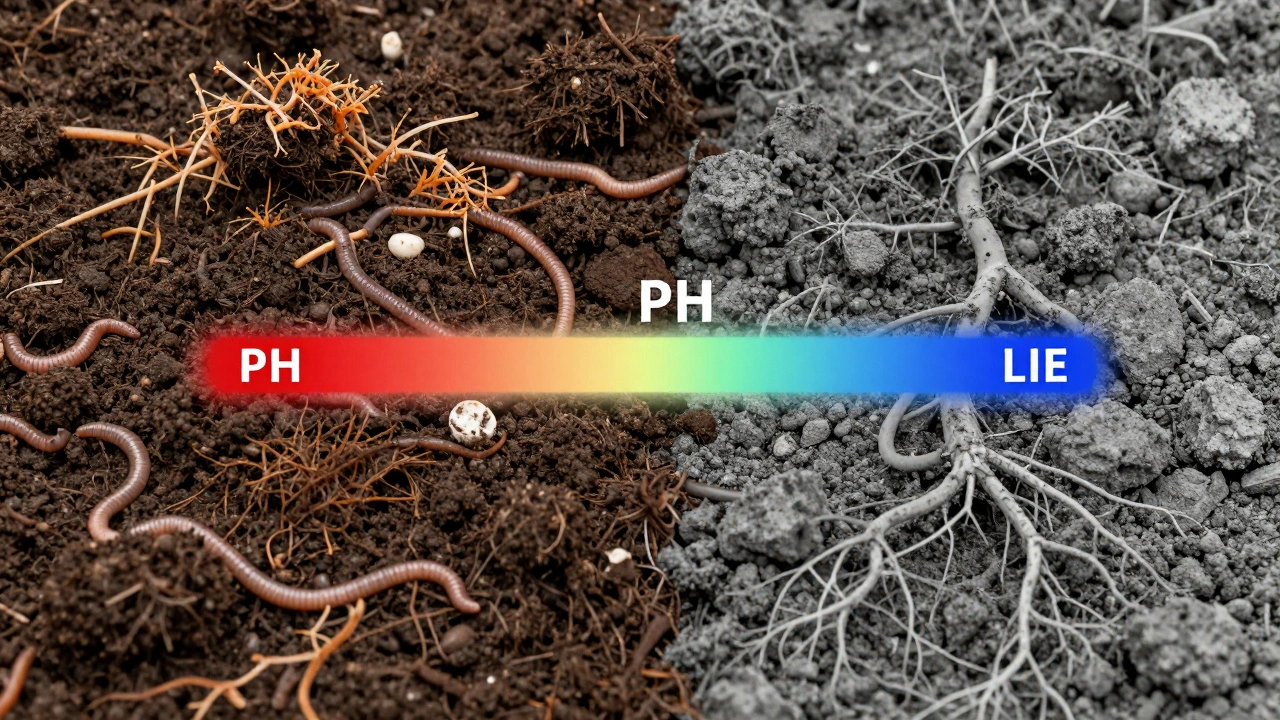
You can have all the nutrients in the world, but if the pH is off, your plants can’t absorb them. Soil pH measures how acidic or alkaline the soil is on a scale from 0 to 14. Most vegetables and flowers prefer a slightly acidic range between 6.0 and 7.0. At this level, nutrients like nitrogen, phosphorus, and potassium are soluble and available for uptake. If the pH drops below 5.0, aluminum and manganese can become toxic. If it rises above 8.0, iron and zinc lock up, causing chlorosis (yellowing leaves). Testing your soil is cheap and easy. A simple digital meter or test kit reveals the baseline. To raise pH, add lime. To lower it, add sulfur or peat moss. Ignoring pH is like feeding a gourmet meal to someone with no teeth-they can’t digest it.
The Building Blocks: Macronutrients
Plants need food, specifically three primary macronutrients: Nitrogen (N), Phosphorus (P), and Potassium (K). You’ll see these numbers on fertilizer bags (e.g., 10-10-10). Nitrogen is essential for leafy green growth and chlorophyll production. Phosphorus supports root development, flowering, and seed production. Potassium aids in overall plant health, disease resistance, and water regulation. Too much nitrogen leads to lush leaves but no flowers. Too little phosphorus results in purple stems and weak roots. Balancing these requires observation. Leafy greens crave nitrogen. Tomatoes and peppers need more phosphorus and potassium during fruiting stages. Organic sources like blood meal (nitrogen), bone meal (phosphorus), and kelp meal (potassium) release slowly, reducing the risk of burn.
The Fine Print: Micronutrients
While needed in smaller amounts, micronutrients are non-negotiable. Think of them as vitamins. Micronutrients include iron, magnesium, calcium, sulfur, boron, copper, manganese, molybdenum, and zinc. Magnesium is at the center of the chlorophyll molecule. Without it, older leaves turn yellow between veins. Calcium strengthens cell walls; a deficiency causes blossom end rot in tomatoes. Iron keeps leaves dark green. These elements often come from the soil itself, but heavy cropping depletes them. Epsom salts provide magnesium and sulfur. Dolomite lime adds calcium and magnesium. Don’t over-supplement; toxicity is real. A general-purpose organic fertilizer usually covers micronutrient needs if the soil biology is healthy.
The Lifeblood: Water
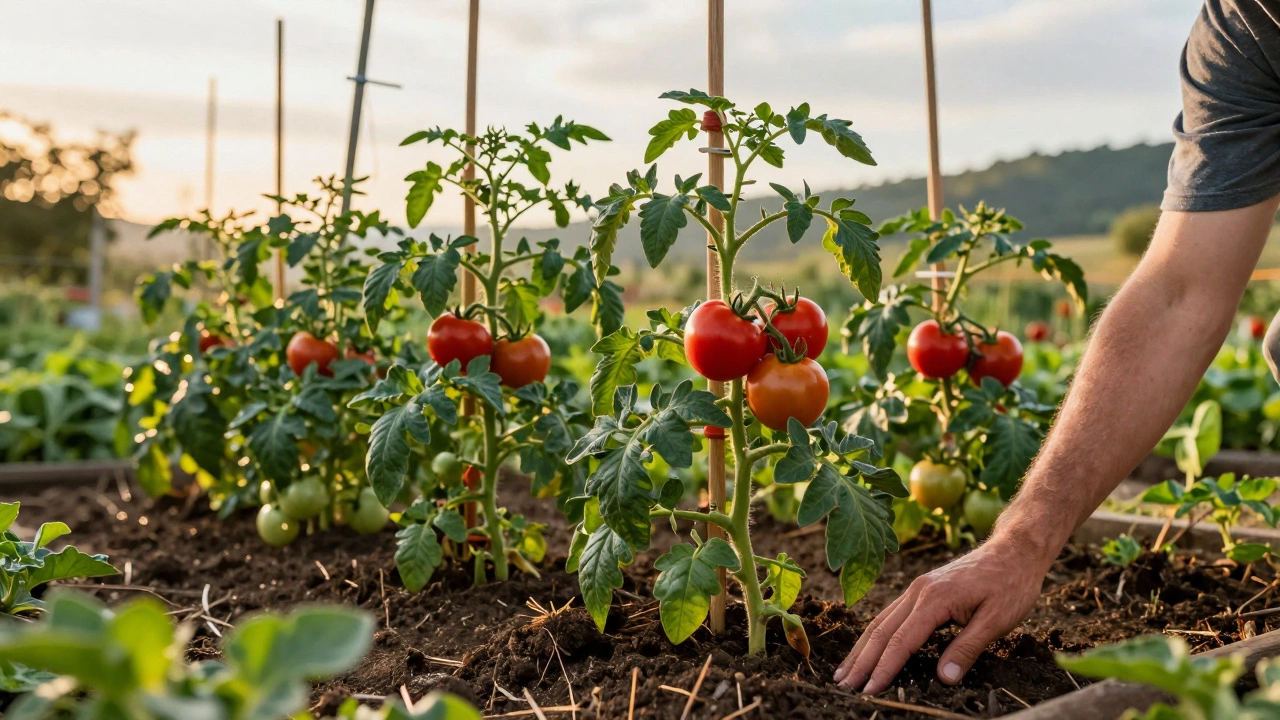
Water is the solvent that transports nutrients from the soil into the plant. Irrigation must be consistent and deep to encourage root growth. Shallow, frequent watering creates shallow roots that dry out quickly. Deep, infrequent watering forces roots down to seek moisture, creating drought-resistant plants. Overwatering is a common killer. It fills soil pores with water, displacing oxygen. Roots suffocate and rot. Underwatering causes wilting and stress. The finger test is reliable: stick your finger two inches into the soil. If it’s dry, water. If it’s damp, wait. Mulching with straw or wood chips retains moisture and regulates soil temperature, reducing watering frequency by up to 50%.
The Climate Control: Temperature
Plants are ectothermic; they rely on external temperatures to regulate metabolism. Temperature ranges vary by species, affecting germination, growth rate, and flowering. Cool-season crops like lettuce and peas thrive in 60-70°F (15-21°C). Warm-season crops like beans and cucumbers need 70-85°F (21-29°C). Extreme heat closes stomata to conserve water, halting photosynthesis. Frost damages cell walls, turning tissue mushy. In variable climates, using row covers or cold frames extends the growing season. Microclimates exist everywhere; a south-facing brick wall radiates heat, allowing tender plants to survive longer into autumn. Knowing your USDA Hardiness Zone (or equivalent local climate zone) helps select plants that match your natural temperature profile.
The Invisible Workers: Beneficial Microbes
Soil isn’t inert; it’s a bustling ecosystem. Soil microbiome consists of bacteria, fungi, protozoa, and nematodes that decompose organic matter and cycle nutrients. Mycorrhizal fungi form symbiotic relationships with roots, extending their reach by hundreds of times. They trade phosphorus and water for sugars from the plant. Bacteria fix atmospheric nitrogen into usable forms. Sterile soil, like many bagged potting mixes, lacks these helpers. Adding compost introduces billions of beneficial organisms. Avoid harsh chemicals that kill indiscriminately. Healthy soil smells earthy, not sour or rotten. If your soil looks gray and lifeless, it’s likely depleted of microbial life. Feeding the soil feeds the plant.
The Space Factor: Room to Grow
Crowding is a silent killer. Plant spacing ensures adequate airflow, light penetration, and nutrient access. When plants compete, they stretch for light, becoming leggy and weak. Dense foliage traps humidity, inviting fungal diseases like powdery mildew. Roots tangle, fighting for water and minerals. Follow seed packet instructions for spacing, but don’t be afraid to thin aggressively. It’s better to have five strong plants than twenty struggling ones. Vertical gardening maximizes space without compromising airflow. Trellising vining crops like cucumbers and pole beans keeps leaves off the ground, improving circulation and yield quality.
| Need | Function | Signs of Deficiency |
|---|---|---|
| Light | Energy for photosynthesis | Leggy growth, pale leaves, no flowers |
| Carbon Dioxide | Building block for glucose | Stunted growth, slow development |
| Soil Structure | Anchorage, water/air retention | Poor drainage, root rot, compaction |
| pH Level | Nutrient availability | Chlorosis, nutrient lockout |
| Macronutrients (NPK) | Growth, roots, health | Yellowing, purple stems, weak structure |
| Micronutrients | Enzyme function, chlorophyll | Interveinal chlorosis, tip burn |
| Water | Nutrient transport, turgor pressure | Wilting, crispy edges, drooping |
| Temperature | Metabolic regulation | Bolting, frost damage, heat stress |
| Microbes | Nutrient cycling, disease suppression | Poor growth despite fertilization |
| Space | Airflow, light access, root expansion | Disease, competition, low yield |
Frequently Asked Questions
Can plants grow without soil?
Yes, through hydroponics or aeroponics. However, you must manually provide all nutrients and support structures that soil normally offers. Soil acts as a reservoir for water and nutrients and hosts beneficial microbes. In soil-less systems, you replace soil structure with inert media like rockwool or coco coir, and you inject precise nutrient solutions directly to the roots.
How do I know if my soil pH is correct?
Use a soil test kit or send a sample to a local extension service. Most garden plants thrive in a pH range of 6.0 to 7.0. If your test shows a pH outside this range, adjust it with lime (to raise pH) or sulfur (to lower pH). Symptoms like yellowing leaves despite adequate watering often indicate a pH issue causing nutrient lockout.
Is more water always better for plants?
No, overwatering is a leading cause of plant death. Excess water displaces oxygen in the soil, causing roots to suffocate and rot. Always check soil moisture before watering. Stick your finger two inches deep; if it’s damp, wait. Deep, infrequent watering encourages stronger root systems compared to shallow, daily sprinklings.
What is the difference between macro and micronutrients?
Macronutrients (Nitrogen, Phosphorus, Potassium) are needed in large quantities for structural growth and energy. Micronutrients (Iron, Magnesium, Zinc, etc.) are needed in trace amounts but are vital for enzymatic functions and chlorophyll production. A deficiency in either type can stunt growth, but symptoms differ. Macro deficiencies often show as general yellowing or poor flowering, while micro deficiencies may cause specific discolorations like interveinal chlorosis.
Do indoor plants need carbon dioxide supplements?
Generally, no. Normal household air contains sufficient CO₂ for most houseplants. However, in sealed grow tents or densely packed indoor gardens with high-intensity lights, CO₂ levels can drop. In those cases, ventilation or supplementation can boost growth. For typical home settings, opening a window or using a fan ensures adequate air exchange.