Meal Prep Compatibility Checker
Select the ingredients you plan to include in your meal prep containers.
Prep Analysis
Select ingredients to see storage tips and estimated freshness.
There is a specific kind of heartbreak that happens at 6 PM on a Tuesday. You open the fridge, expecting a neat row of containers filled with last Sunday’s hard work. Instead, you find a sad, soggy mess of wilted spinach and congealed rice. It looks unappetizing, it smells slightly off, and suddenly, ordering takeout feels like the only logical choice. If this sounds familiar, you aren’t failing at meal prep because you lack discipline. You are likely failing because you picked the wrong ingredients.
The secret to successful meal prep isn’t just about chopping vegetables in bulk; it is about understanding how different foods react to time, moisture, and refrigeration. Some foods thrive when sat in a container for four days. Others turn into mush within twenty-four hours. Knowing which side of the fence your ingredients fall on can save you money, reduce food waste, and actually make you want to eat your prepped meals.
Proteins That Stand Up to Time
Protein is usually the anchor of any meal prep strategy. The good news is that most cooked proteins hold up remarkably well in the fridge for three to five days, provided they are stored correctly. The key here is texture retention. You want meats that don’t dry out or become rubbery upon reheating.
Chicken breast is the gold standard for meal prep due to its lean profile and versatility. However, many people ruin it by overcooking. When you bake chicken breasts for meal prep, aim for an internal temperature of 165°F (74°C) but pull them from the oven at 160°F. The residual heat will finish the job, keeping the meat juicy. If you reheat it too aggressively in the microwave, it will turn into shoe leather. A quick splash of water or broth before heating helps retain moisture.
For variety, consider ground turkey or beef. These minces cook quickly and distribute evenly across bowls, ensuring every portion has the right protein-to-veg ratio. They also freeze exceptionally well if you decide to extend your prep week. Tofu is another excellent option, especially firm or extra-firm varieties. Pressing the tofu before marinating and baking it ensures it holds its shape and absorbs flavors without falling apart during the week.
Grains and Starches: The Foundation
Your base carbohydrates need to be sturdy. Rice, quinoa, and couscous are reliable choices because they maintain their structure after cooling and reheating. In fact, some grains, like rice and potatoes, develop resistant starch when cooled, which can be beneficial for gut health.
Quinoa is a complete protein grain that holds its texture well in cold salads and hot bowls. It doesn’t get mushy easily, making it perfect for cold meal prep lunches. Brown rice takes longer to cook than white rice, but it offers more fiber and stays firmer throughout the week. If you use pasta, avoid delicate shapes like angel hair. Opt for whole wheat penne or rigatoni, which have more surface area and structural integrity. Even better, undercook your pasta by one minute. It will finish cooking when you reheat it, preventing it from becoming a gloopy mess.
Legumes like chickpeas, lentils, and black beans are essentially meal prep superheroes. They are cheap, packed with fiber, and virtually indestructible in the fridge. Canned beans should always be rinsed thoroughly to remove excess sodium and improve texture. Cooked lentils hold up particularly well in soups and stews that you plan to eat later in the week.
Vegetables: The Moisture Trap
This is where most meal prep disasters occur. Vegetables contain high water content, and when cut, they release that water. If you pack raw broccoli, cauliflower, or asparagus into a sealed container, they will sit in their own juice and become slimy within two days. The solution? Blanching or roasting.
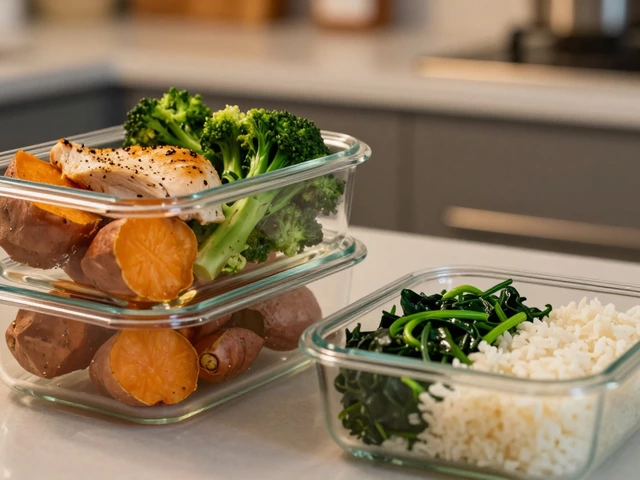
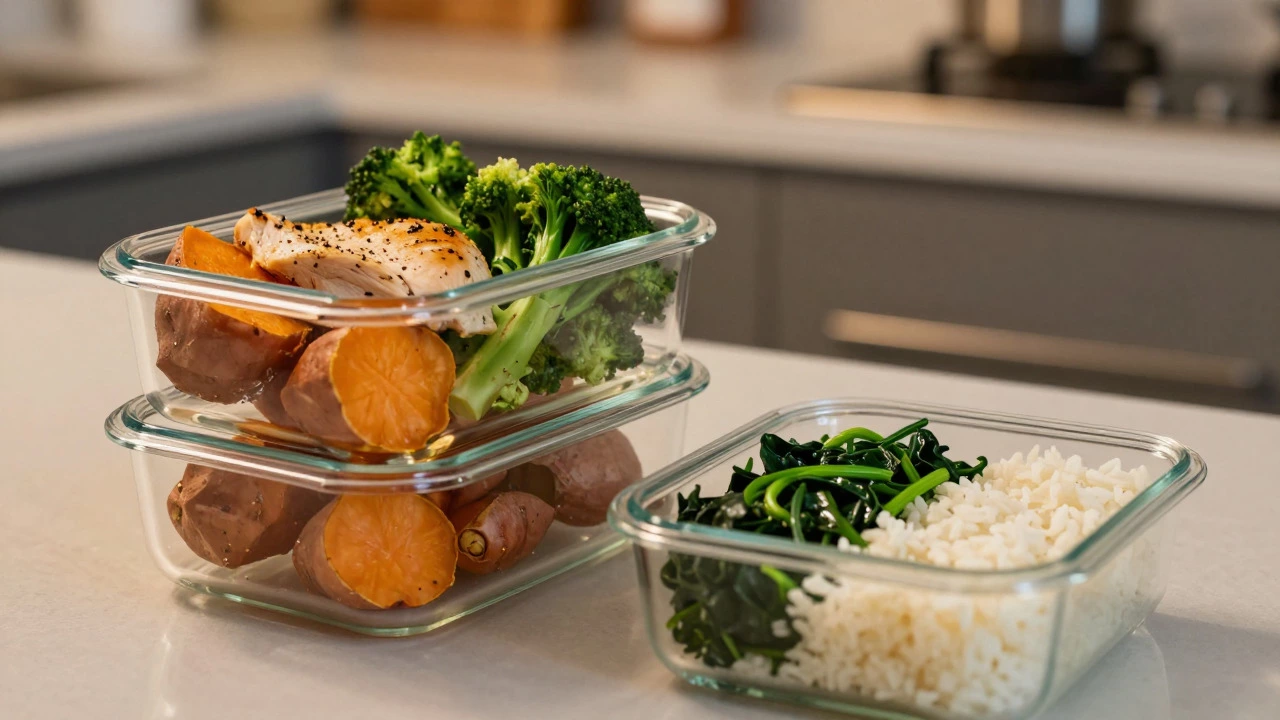
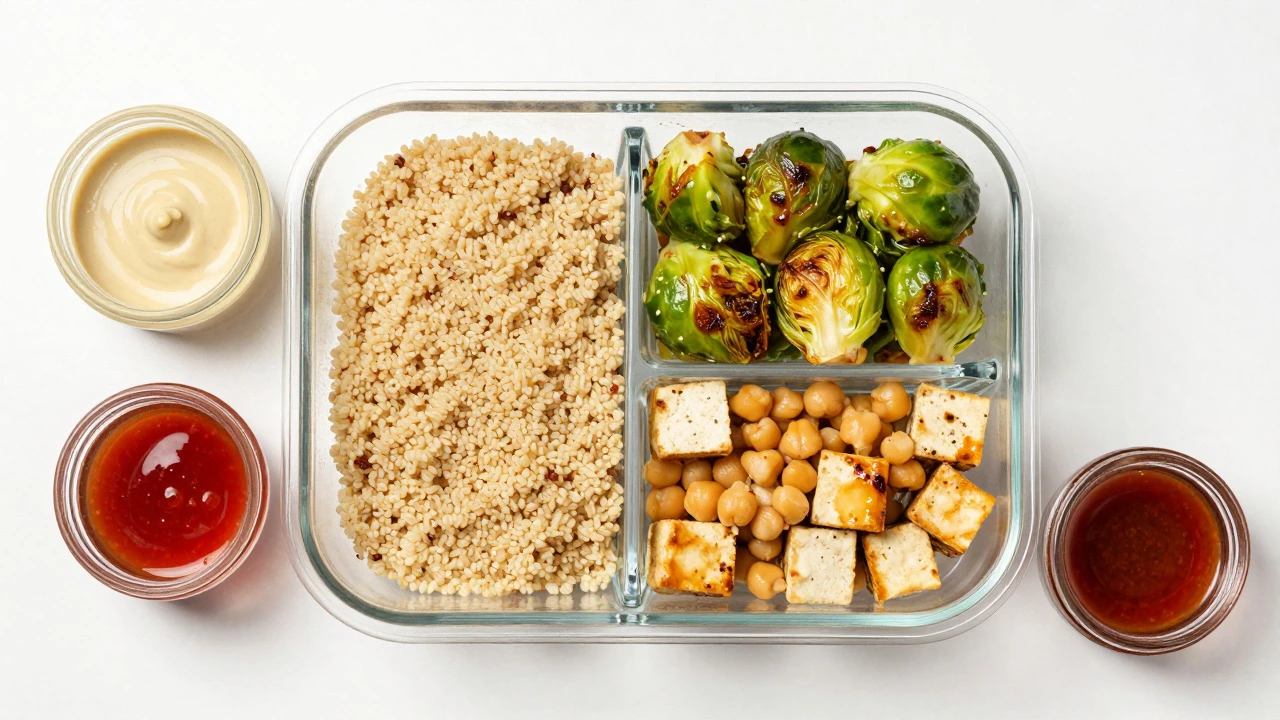
Roasting transforms the texture of vegetables. Brussels sprouts, sweet potatoes, and carrots become caramelized and firm. They do not release much liquid, so they stay crisp-tender even after sitting in the fridge for four days. Broccoli and cauliflower benefit from blanching-boiling them for two minutes then plunging them into ice water. This stops the cooking process and locks in the bright green color and crunch. If you must keep them raw, store them separately from wet sauces and dressings until you are ready to eat.
Leafy greens are the trickiest. Spinach, arugula, and kale wilt rapidly when exposed to acid or moisture. If you are making a salad jar, layer the dressing at the bottom, followed by hard vegetables like cucumbers and peppers, then proteins, and finally the greens at the very top. This physical barrier protects the leaves from getting soggy. Alternatively, skip the raw greens for mid-week meals and opt for roasted zucchini or bell peppers instead.
Fruits: Freshness vs. Pre-Cut
Fruit is often an afterthought in meal prep, but it serves as a crucial snack or dessert component. Whole fruits like apples, bananas, and oranges are best left whole until you are ready to eat them. Cutting an apple exposes it to oxidation, turning it brown and mealy within hours unless treated with lemon juice.
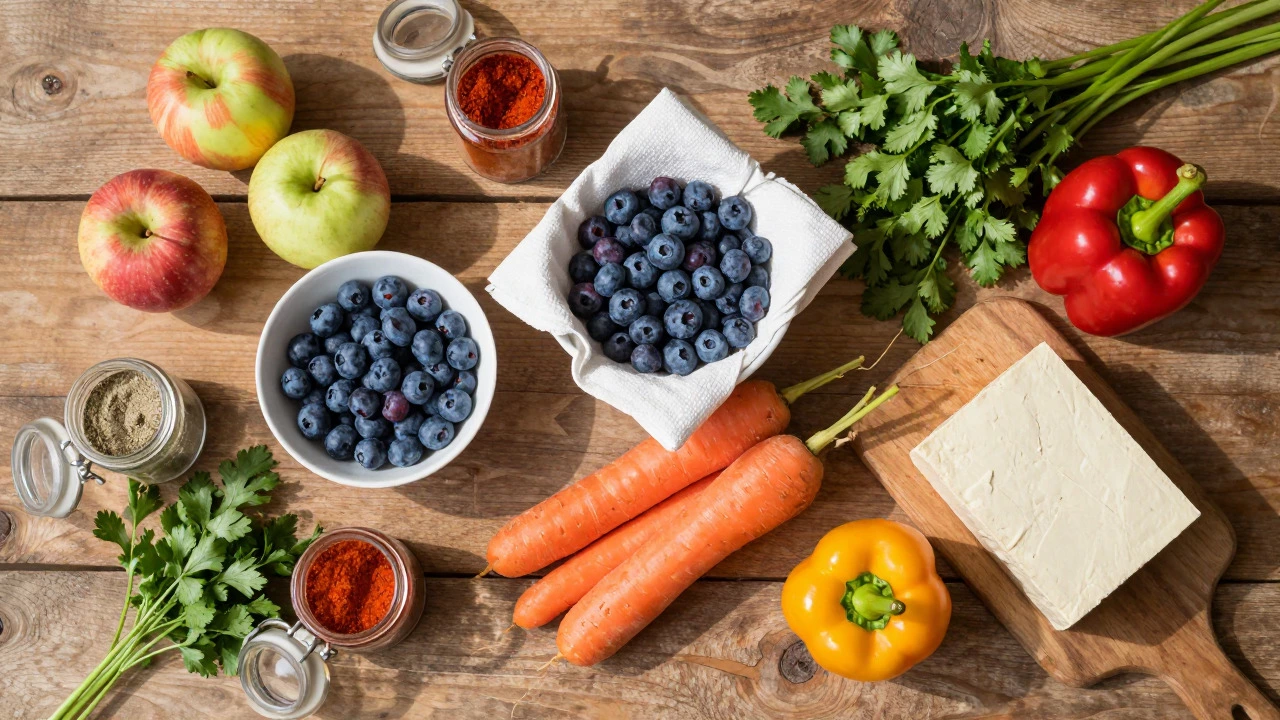
Berries are a better candidate for pre-cutting. Strawberries, blueberries, and raspberries can be washed and dried thoroughly, then stored in a container lined with a paper towel to absorb excess moisture. This extends their life significantly. Dried fruits like apricots, dates, and raisins are shelf-stable and add natural sweetness to oatmeal or yogurt bowls without spoiling. Avocados are risky; if you must prep them, squeeze fresh lime juice over the cut surfaces and press plastic wrap directly against the flesh to minimize air exposure. Even then, eat them within 24 hours.
Sauces and Dressings: Keep Them Separate
Liquids are the enemy of texture. Whether it is a creamy tahini sauce, a spicy peanut dressing, or a simple vinaigrette, adding it to your container on Sunday guarantees a soggy meal by Wednesday. Always store sauces in small, separate jars or compartments. Many modern meal prep containers come with built-in sauce sections for this exact reason.
If you are making a curry, stew, or chili, the sauce is part of the dish. These dishes often taste better after a day or two as the flavors meld together. Just ensure the sauce is thick enough to coat the ingredients rather than swimming around them. Thin broths can make rice and noodles overly soft. Reduce your sauces on the stove before packing to achieve a thicker consistency.
| Food Category | Best Options | Preparation Tip | Fridge Life |
|---|---|---|---|
| Proteins | Chicken, Beef, Tofu, Lentils | Cook thoroughly, cool completely before sealing | 4-5 Days |
| Grains | Rice, Quinoa, Pasta, Oats | Undercook pasta slightly; rinse hot rice to stop cooking | 4-5 Days |
| Hard Vegetables | Broccoli, Carrots, Sweet Potato, Peppers | Roast or blanch to remove excess moisture | 4-5 Days |
| Leafy Greens | Spinach, Kale, Arugula | Keep dry, store separately from wet ingredients | 2-3 Days |
| Fruits | Berries, Apples, Bananas | Wash berries and line container with paper towel | 3-5 Days |
Storage Containers Matter
You can pick the perfect ingredients, but if you store them incorrectly, they will still fail. Glass containers are superior to plastic for several reasons. Plastic tends to absorb odors and stains, especially from tomato-based sauces or turmeric. Glass does not leach chemicals when heated, making it safer for microwaving. It is also easier to clean and less prone to retaining bacterial residues in scratches.
Ensure your containers are airtight. Oxygen accelerates spoilage and causes oxidation in fruits and vegetables. Look for containers with silicone seals that snap shut tightly. Uniform sizes help maximize fridge space, allowing you to stack containers efficiently. Clear glass lets you see what you have at a glance, reducing the chance of forgetting a container exists until it expires.
Planning for Flavor Fatigue
Eating the same thing for five days can lead to boredom, which leads to skipping meals. Combat this by prepping components rather than finished meals. Instead of making five identical burrito bowls, prep five types of fillings: seasoned ground beef, black beans, roasted corn, diced onions, and cilantro. Assemble each bowl differently each day. Add different hot sauces, cheeses, or salsas to change the flavor profile without extra cooking.
Spices are your best friend here. A pinch of cumin, smoked paprika, or curry powder can transform plain roasted chickpeas into a completely different dish. Keep a variety of condiments on hand-pesto, hummus, Greek yogurt, soy sauce-to refresh tired flavors. This modular approach keeps meal prep exciting and sustainable long-term.
Troubleshooting Common Issues
If your vegetables are still getting soggy, check your washing technique. Wet vegetables introduce extra water into the container. Use a salad spinner to dry greens thoroughly, and pat other veggies with a clean kitchen towel. If your rice is gummy, you may have used too much water. For meal prep, use slightly less water than the package instructions suggest, as the rice continues to absorb moisture from other ingredients in the container.
Meat drying out is usually a reheating issue. Microwaves heat unevenly and strip moisture. Reheat your protein in a skillet with a little oil or broth, or cover your container loosely with a damp paper towel when using the microwave. This creates steam that helps retain tenderness.
How long does meal prep last in the fridge?
Most cooked meal prep lasts 3 to 5 days in the refrigerator. Proteins and grains generally last up to 5 days, while leafy greens and cut fruits may only last 2 to 3 days. To maximize freshness, let food cool completely before sealing containers to prevent condensation buildup.
What vegetables are best for meal prep?
Sturdy vegetables like broccoli, cauliflower, carrots, sweet potatoes, and bell peppers are ideal. They hold their texture well when roasted or blanched. Avoid watery vegetables like zucchini or cucumber unless you eat them within 24 hours, as they tend to release moisture and become soggy.
Can I meal prep raw chicken?
It is safer to cook chicken before storing it for meal prep. Raw chicken should be used within 1 to 2 days of purchase. If you must prep raw, portion it immediately and freeze portions you won't use within 48 hours. Cooking it first allows for 4 to 5 days of safe storage in the fridge.
Why does my meal prep taste bland after a few days?
Flavors can mute over time as spices settle and ingredients oxidize. To fix this, add fresh elements like citrus juice, herbs, or hot sauce right before eating. Also, consider seasoning your food slightly heavier than usual when cooking, as flavors diminish slightly during storage.
Is it better to meal prep in glass or plastic?
Glass is generally better for meal prep. It does not absorb odors or stains, is easier to clean, and is safer for microwave reheating. Plastic containers can scratch, harbor bacteria, and may leach chemicals when heated. Glass also maintains temperature better, keeping food fresher longer.