Wardrobe Balance Analyzer
Your Current Ratio:
Enter your item counts to see if your wardrobe follows the 70/30 rule!
Quick Summary: The Balance of Your Closet
- The 70% (Basics): Neutral colors, classic cuts, and high-quality fabrics that don't go out of style.
- The 30% (Accents): Bold prints, seasonal trends, and unique textures that express your personality.
- The Goal: High versatility, less waste, and an effortless morning routine.
- Sustainability: Shifting focus to quality over quantity to fight the fast fashion cycle.
Why Most Wardrobes Fail (and How This Fixes It)
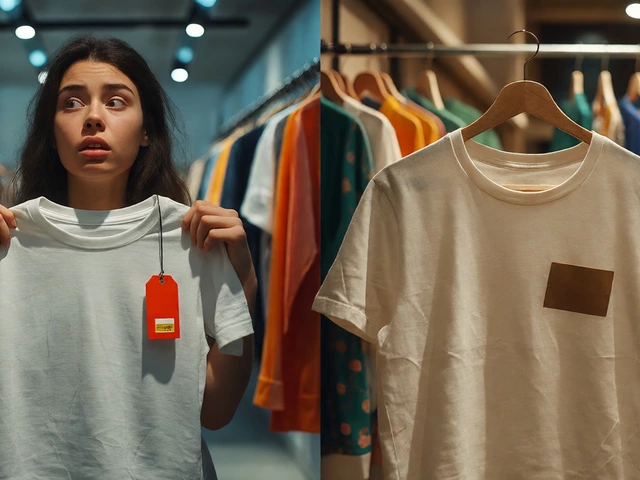
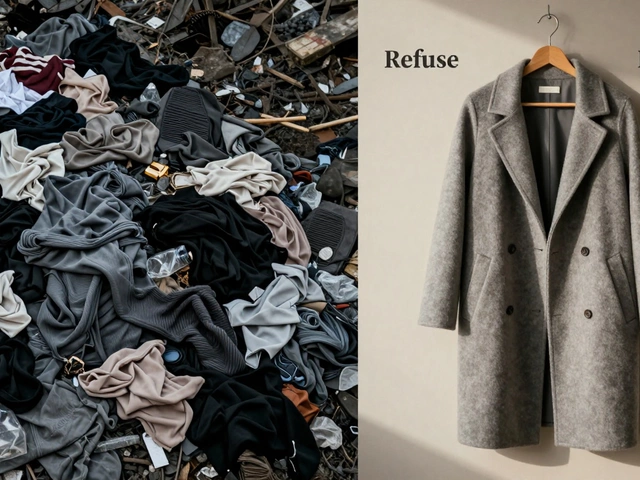
The biggest mistake people make is flipping the ratio. They spend 70% of their budget on "trendy" items they see on social media. The problem? Trends expire. A lime green mesh top might be the "it" item this month, but by next season, it's sitting at the bottom of a pile because it doesn't pair with anything else you own. When your closet is mostly trends, you're stuck in a loop of buying a new top to match a new bottom, which eventually leads to a landfill.
By sticking to the 70 30 fashion rule, you create a foundation. Imagine your wardrobe like a house: the 70% is the sturdy foundation and walls, and the 30% is the paint, art, and decor. You can change the decor every year without having to tear down the whole house. This approach is the heartbeat of Slow Fashion, a movement that encourages buying fewer, higher-quality garments that last for years rather than weeks.
Building Your 70%: The Timeless Foundation
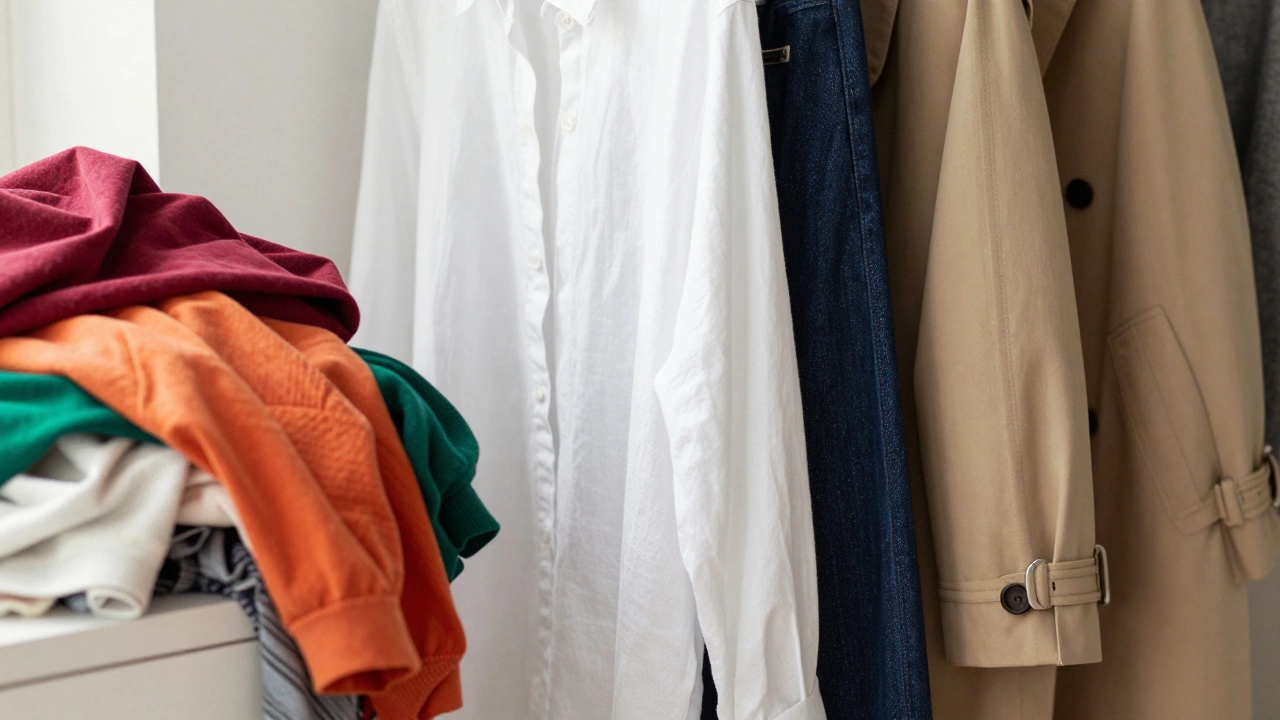
The 70% isn't about being boring; it's about being strategic. These are the pieces you reach for daily. To make this work, you need to define your "neutral palette." For some, that's black, white, and grey. For others, it's navy, beige, and olive green. Once you have your colors, you invest in shapes that flatter your body and don't rely on a specific fad.
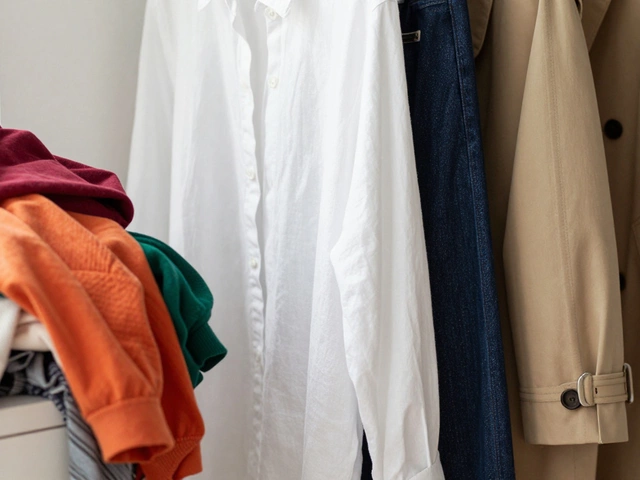
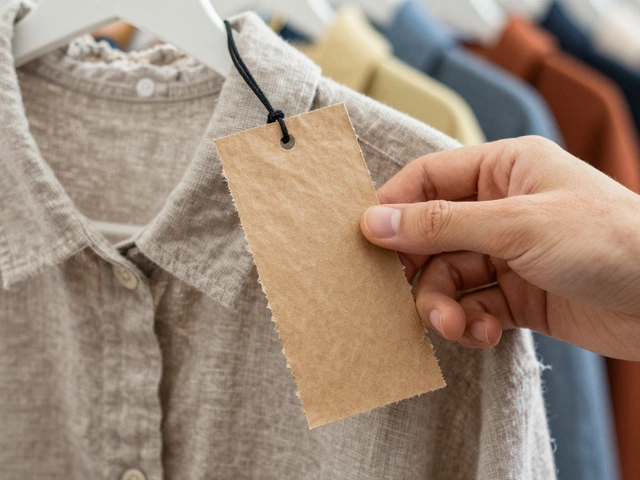
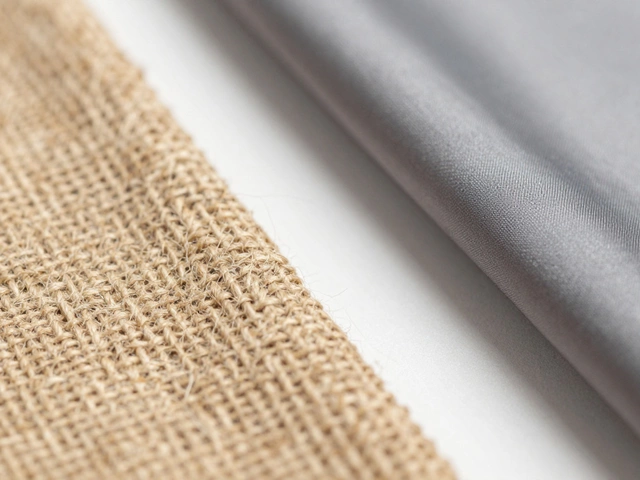
Think of items like a crisp white organic cotton shirt, a well-fitted pair of dark denim jeans, or a classic trench coat. These are the "workhorses" of your wardrobe. When you buy these, the focus should be on fabric and construction. Instead of a cheap polyester blend that pilling after three washes, look for Tencel, organic linen, or recycled wool. These materials not only feel better on the skin but are significantly better for the planet.
| Feature | The 70% (Basics) | The 30% (Statement) |
|---|---|---|
| Lifespan | 5-10+ years | 1-2 seasons |
| Color Palette | Neutrals/Earth tones | Vibrant/Bold/Printed |
| Purchase Goal | Longevity & Utility | Expression & Joy |
| Risk Level | Low (Safe) | High (Experimental) |
The Magic of the 30%: Adding Personality
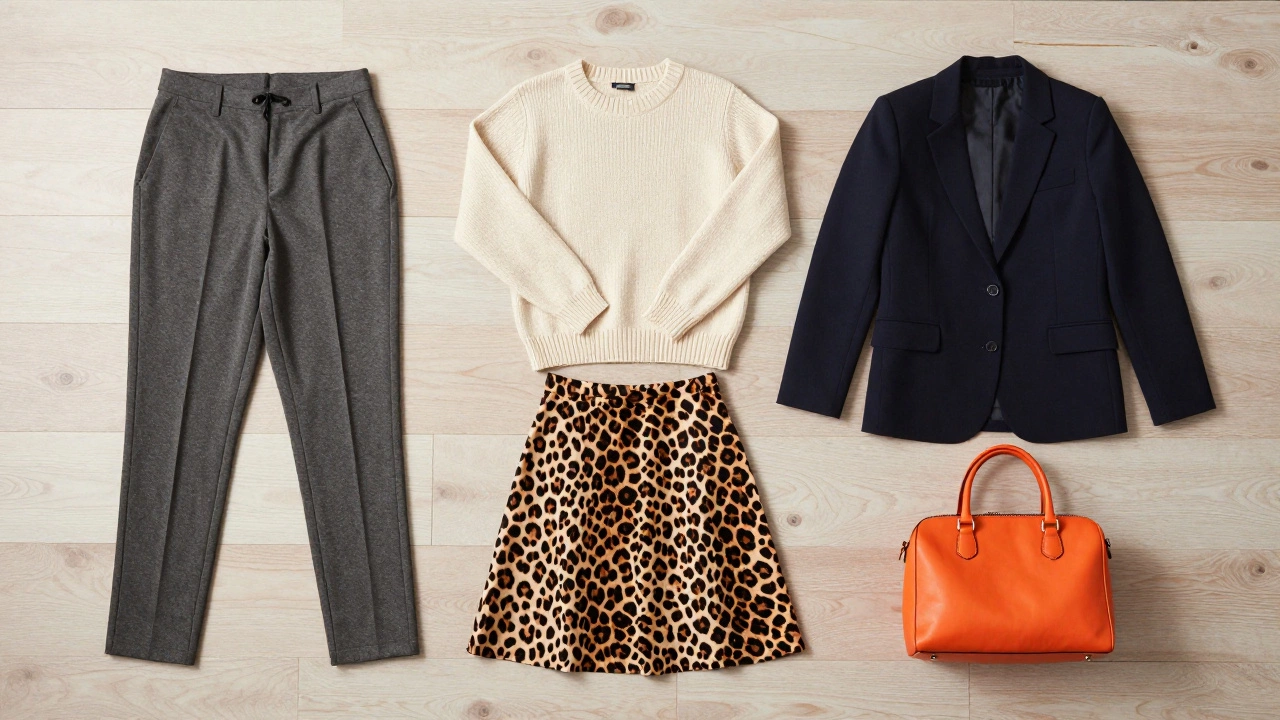
This is where the fun happens. The 30% allows you to experiment without the guilt of wasting money on things you'll hate in six months. This category includes your "wild cards": a leopard print skirt, a bright orange handbag, or a chunky, oversized sweater with a quirky pattern. Because 70% of your closet is neutral, these bold pieces will always have something to pair with.
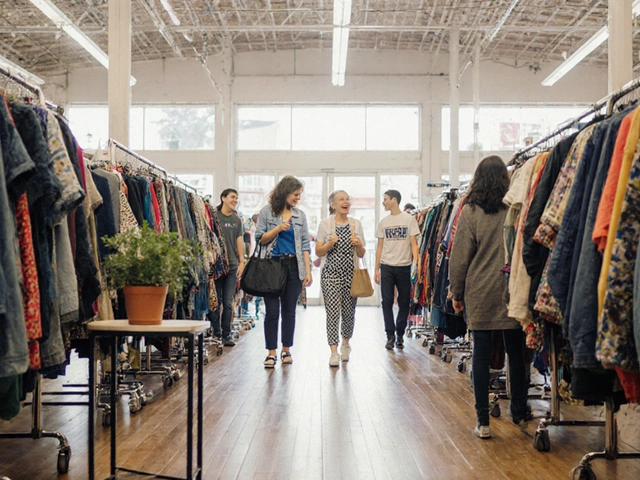
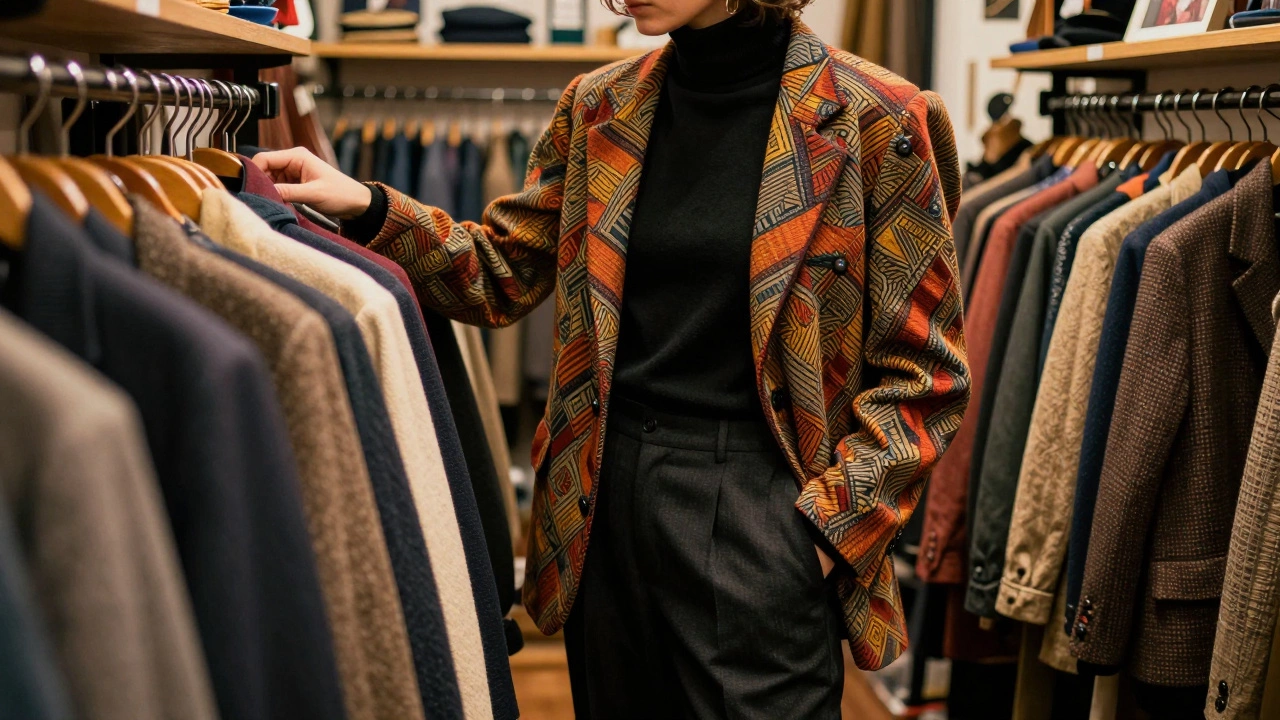
The secret to keeping this section sustainable is to be mindful of where these pieces come from. Instead of hitting a fast-fashion giant for a cheap trend, try Thrifting or shopping at consignment stores. Finding a vintage 1980s power-shoulder blazer is not only a great way to hit your 30% quota, but it also prevents another garment from entering a landfill. It gives your style a unique edge that can't be replicated by a mass-market algorithm.
Turning the Rule into a Sustainable Lifestyle
The 70/30 rule naturally leads you toward a Capsule Wardrobe, which is a curated collection of a few essential items that don't go out of style. When you stop chasing every micro-trend, you start noticing the quality of what you're wearing. You'll find yourself asking, "Does this piece fit into my 70% or my 30%?" and "If it's a 30% piece, does it play well with my 70% basics?"
This mental shift reduces impulse buying. For example, if you're tempted by a neon pink dress, you check your 70% foundation. If you have neutral heels, a beige blazer, and a white tee that all work with it, the dress is a safe 30% addition. If you'd need to buy three new items just to wear that one dress, it's a red flag. This is how you break the cycle of consumption.
Step-by-Step: Auditing Your Current Closet
- The Great Emptying: Take everything out of your closet. Yes, everything. Lay it on the bed so you can see the sheer volume of what you own.
- The Sorting Phase: Create two piles. Pile A is for basics (neutrals, timeless cuts). Pile B is for statements (bright colors, trends, unique shapes).
- The Reality Check: Count the items. If you find you have 90% statement pieces and only 10% basics, you'll realize why you feel like you have nothing to wear. You have a lot of "noise" but no "music."
- The Purge: Look at your 30% pile. Be honest-do you actually like these pieces, or did you just like the idea of them on an Instagram feed? Donate or sell the ones that don't spark genuine joy.
- The Gap Fill: Identify what's missing from your 70%. Do you lack a good pair of trousers? A versatile cardigan? Make a list and source these ethically-look for certified B Corp brands or local artisans.
Common Pitfalls to Avoid
One mistake is thinking that "basics" means "boring." A basic doesn't have to be a plain grey t-shirt. It can be a beautifully tailored navy jumpsuit or a forest green midi skirt. The key is that it's a color and shape you will love regardless of whether it's "in style" next year.
Another trap is over-investing in the 30%. Just because you're allowed 30% doesn't mean you should rush to fill that quota. Some of the most stylish people in the world actually operate on a 90/10 split, using one single, striking accessory to elevate a completely neutral look. The rule is a guide, not a cage.
Is the 70/30 rule the same as a capsule wardrobe?
Not exactly, but they are close cousins. A capsule wardrobe is about minimalism and having a very small number of items. The 70/30 rule is more about the proportion of your clothes. You can have a huge wardrobe and still follow the 70/30 rule, though combining both is the best way to achieve a sustainable, low-stress closet.
What counts as a "basic" in the 70% category?
A basic is any item that is versatile, neutral-toned, and timeless. Examples include a white button-down shirt, straight-leg jeans, a black blazer, a beige trench coat, or a simple slip dress. The main criteria are that it pairs easily with other colors and won't look dated in five years.
How do I transition to this rule if I love bright colors?
The trick is to redefine your neutrals. Your "70%" doesn't have to be black and white. If you love color, your basics could be shades of olive, navy, terracotta, or mustard. As long as those colors harmonize and act as the anchor for your more eccentric "30%" pieces, the rule still works.
Does this rule apply to shoes and accessories?
Absolutely. In fact, it's often easier to start here. A pair of clean white sneakers or black leather loafers are the 70%, while a pair of neon pumps or a vintage beaded bag are the 30%. Applying this to accessories prevents you from buying shoes that only work with one specific outfit.
How does this help the environment?
It fights "fast fashion" by encouraging longevity. When you prioritize the 70% foundation, you buy fewer items and choose higher quality, which means less textile waste in landfills. It also encourages second-hand shopping for the 30% experimental pieces, extending the lifecycle of existing garments.
Next Steps for Your Style Journey
If you're feeling overwhelmed, don't try to fix your whole closet in one afternoon. Start by identifying your three favorite "foundation" pieces. Once you know what you love wearing most, use those as the anchor for your 70%. Next time you're shopping, ask yourself if the item is a foundation piece or a flourish. If it's a flourish, challenge yourself to find it at a thrift store first. Your wallet, your morning mood, and the planet will thank you.