Processed Meat Risk & Sodium Calculator
Enter your average weekly consumption of processed meats (bacon, hot dogs, deli slices, sausages) to calculate your relative health risk and sodium load.
Your Weekly Health Metrics
Relative Cancer Risk Indicator
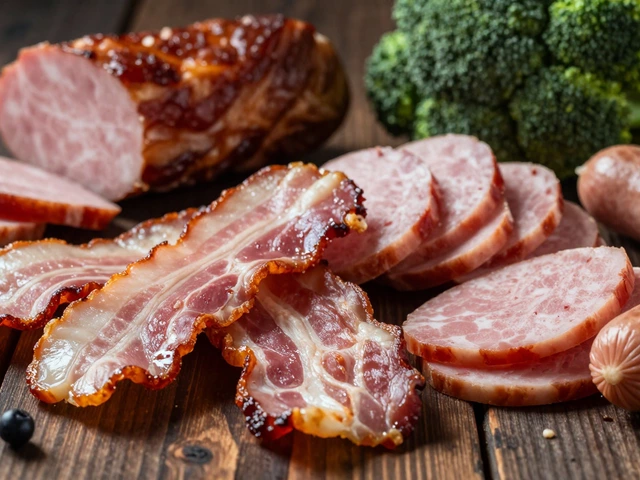
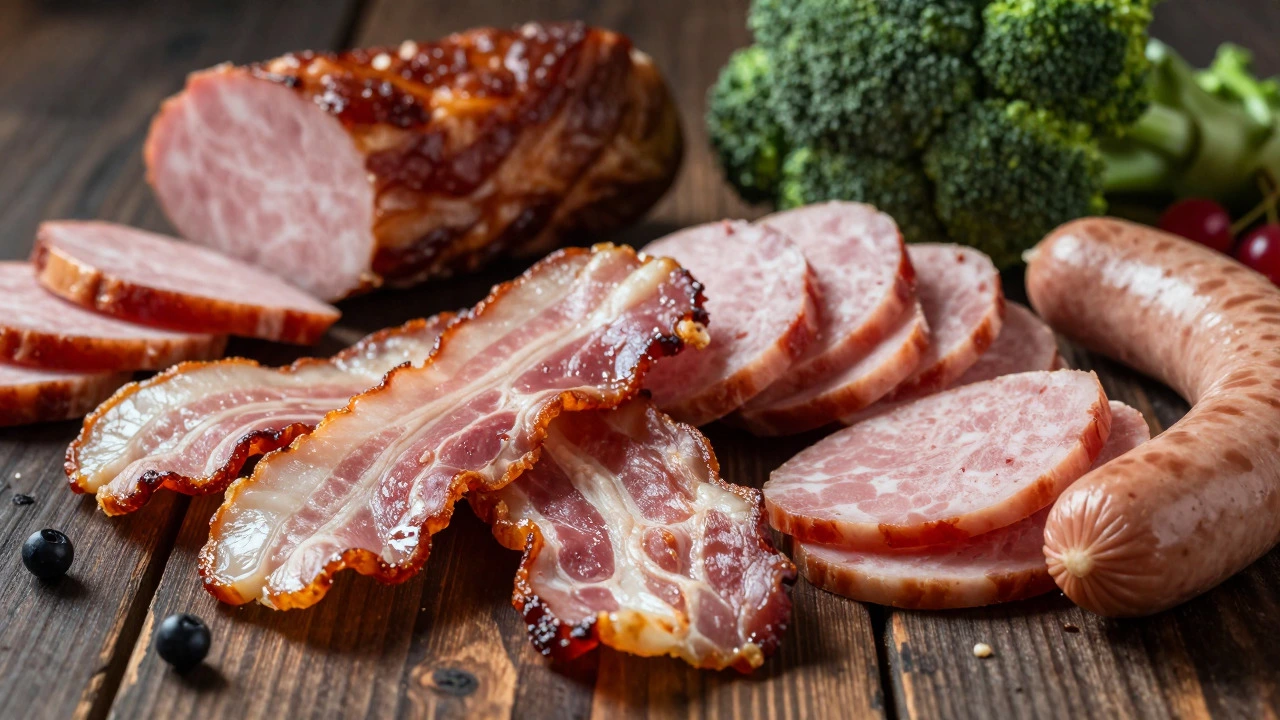
--There is no single "most unhealthy" food on Earth. That’s because your body reacts to what you eat based on portion size, frequency, and your overall diet. However, if we look at global mortality data and scientific consensus, one category stands out as consistently dangerous when consumed regularly: processed meat. This includes bacon, hot dogs, deli slices, and sausages. While a slice of pizza or a chocolate bar isn’t fatal, eating processed meats daily is linked to higher rates of colorectal cancer and heart disease.
The World Health Organization classifies processed meat as a Group 1 carcinogen, meaning there is sufficient evidence that it causes cancer in humans. It doesn’t mean every sausage will give you cancer, but the risk increases significantly with long-term, high-volume consumption. So, before you throw away your lunch ham, let’s break down why this specific food group gets the bad rap and how to navigate your grocery cart without fear.
Why Processed Meat Tops the Danger List
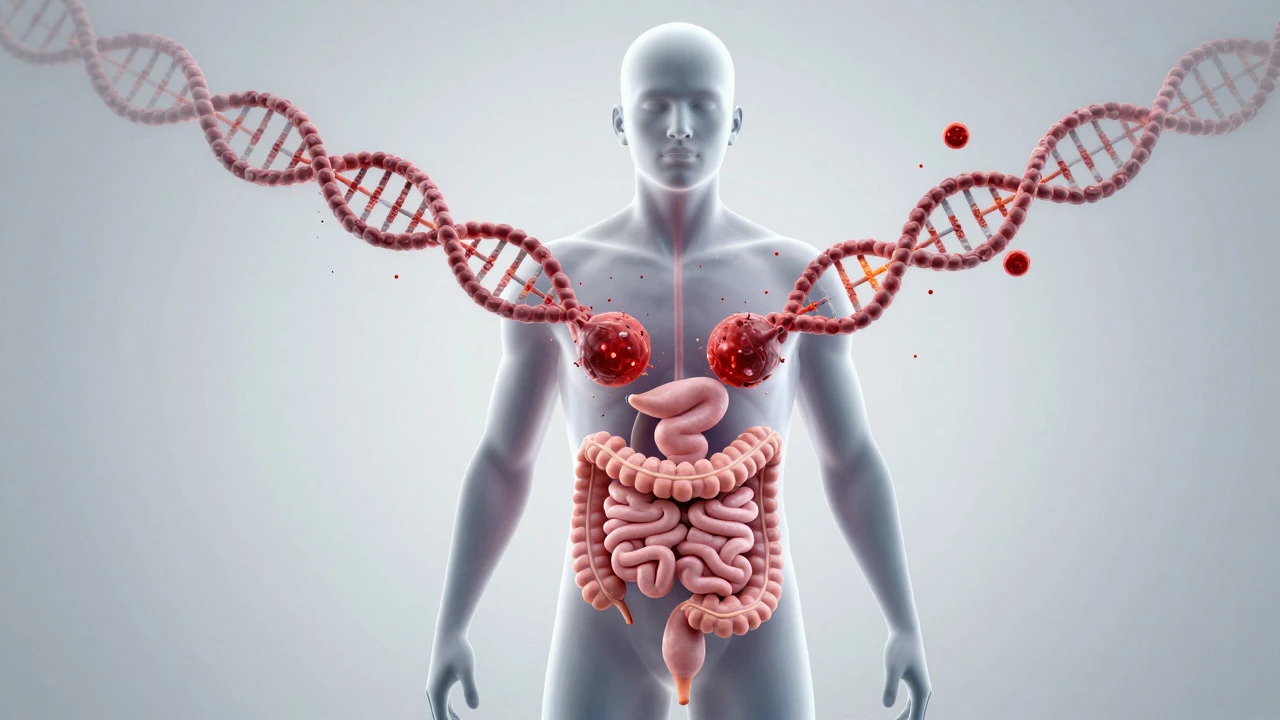
Processed meat refers to muscle meat modified by salting, curing, smoking, or adding preservatives to improve flavor or extend shelf life. The primary culprits here are nitrates and nitrites. These compounds, often used to keep bacon pink and stable, can form N-nitroso compounds in the gut. These compounds damage DNA, leading to cell mutations over time.
But it’s not just about chemicals. Processing usually involves high-heat cooking methods like grilling or frying at high temperatures. This creates heterocyclic amines (HCAs) and polycyclic aromatic hydrocarbons (PAHs), both of which are also linked to cancer. When you combine these chemical changes with the high sodium content typical of cured meats, you get a perfect storm for hypertension and cardiovascular strain.
- Nitrates/Nitrites: Convert into DNA-damaging compounds in the digestive tract.
- Sodium: Average hot dog contains ~500mg of sodium; recommended daily limit is 2,300mg.
- Saturated Fat: High levels contribute to LDL cholesterol buildup.
- Advanced Glycation End Products (AGEs): Formed during high-heat processing, promoting inflammation.
Common Misconceptions About "Bad" Foods
People often point to sugar or fried foods as the ultimate villains. And they aren’t wrong-excess sugar leads to insulin resistance, and trans fats clog arteries. But sugar exists in natural forms (fruit) and refined forms. Fried foods vary wildly in quality depending on the oil and frequency. Processed meat, however, is almost exclusively a packaged, preserved product with little nutritional upside compared to its risks.
Consider this: A banana has potassium, fiber, and vitamins. A cup of coffee has antioxidants. Even a piece of dark chocolate has flavonoids. Processed meat offers very little micronutrient value relative to its caloric density. You’re paying a metabolic tax for convenience and taste, not for fuel.
Comparing the Risks: Processed Meat vs. Other Culprits
To understand where processed meat fits in the hierarchy of dietary risks, let’s compare it against other frequently criticized foods. This table highlights key attributes that influence long-term health outcomes.
| Food Category | Primary Health Risk | Cancer Link (WHO) | Key Negative Compound | Recommended Frequency |
|---|---|---|---|---|
| Processed Meat | Colorectal Cancer, Heart Disease | Group 1 (Carcinogenic) | N-Nitroso Compounds | Limit to <500g cooked weight/month |
| Fried Foods (Fast Food) | Obesity, Type 2 Diabetes | No direct classification | Trans Fats / Acrylamide | <2 times/week |
| Sugary Drinks | Obesity, Dental Decay | No direct classification | High Fructose Corn Syrup | Minimize intake |
| Red Meat (Unprocessed) | Modestly Increased Colorectal Cancer Risk | Group 2A (Probably Carcinogenic) | Heme Iron | <500g cooked weight/week |
Notice that unprocessed red meat (like a fresh steak) is only "probably" carcinogenic, whereas processed meat is definitively classified as such. This distinction matters. If you enjoy beef, choose fresh cuts rather than ground beef mixed with fillers and preservatives for burgers.
How to Eat Safely Without Giving Up Flavor
You don’t have to banish all savory proteins from your plate. The goal is moderation and substitution. Here are practical strategies to reduce your exposure while keeping meals satisfying.
- Swap the Source: Replace bacon-wrapped scallops with coconut aminos-soy glaze. Use turkey breast instead of pork ham, but check the label for added nitrates (look for "uncured" or "no added nitrates," though these may still contain celery powder).
- Change the Cooking Method: Instead of deep-frying chicken strips, bake them with herbs. Avoid charring meat on the grill; pull it off before black spots appear.
- Increase Plant-Based Meals: Aim for at least three plant-based dinners a week. Legumes, tofu, and tempeh provide protein without the nitrate load.
- Read Labels: Look for ingredients like sodium nitrite, sodium erythorbate, or celery juice powder. These are all sources of nitrates.
If you live in New Zealand, you’ll find many local butchers offering fresh, uncured options. Ask for whole-muscle cuts rather than reconstituted products. Freshness is your best defense against hidden additives.

The Role of Portion Control
Even if you eat processed meat, context matters. Eating a hot dog once a month is unlikely to cause significant harm. Eating it three times a week for ten years is a different story. The dose makes the poison. Your liver and kidneys can handle occasional spikes in sodium and nitrates, but chronic exposure overwhelms their detoxification systems.
A good rule of thumb: Treat processed meat like dessert. Enjoy it occasionally, not as a staple. If your weekly meal plan looks like breakfast bacon, lunch deli sandwich, and dinner sausage, you’re consuming far too much. Shift the balance toward vegetables, whole grains, and lean, fresh proteins.
FAQ
Is all processed meat equally unhealthy?
No. The risk varies based on the type of processing and additives. Smoked salmon, for example, has different preservative profiles than heavily cured bacon. However, any meat that has been salt-cured, smoked, or fermented falls under the general caution. Always check the ingredient list for nitrates and nitrites.
Can I reverse the damage from eating too much processed meat?
Yes. Your body is resilient. Reducing intake immediately lowers your ongoing exposure to carcinogens and sodium. Focus on anti-inflammatory foods like berries, leafy greens, and omega-3 rich fish to support cellular repair. Consistency over months and years yields the best results.
Are organic processed meats safer?
Not necessarily. Organic labels refer to farming practices (no antibiotics or synthetic pesticides) but do not guarantee the absence of nitrates. Many organic bacon brands still use sodium nitrite. Read the label carefully regardless of the "organic" claim.
What is the healthiest alternative to bacon?
Smashed avocado, egg whites, or turkey rashers (check for low sodium) are popular swaps. For texture, try roasted squash ribbons or even jackfruit chips seasoned with smoked paprika. These options provide flavor without the high nitrate load.
Does freezing processed meat make it healthier?
Freezing preserves freshness but does not remove preservatives or alter the chemical structure of nitrates. Once thawed, the meat is just as risky as it was before freezing. Storage method doesn't change the inherent nutritional profile.