Belly Fat Loss Strategy Builder
Your Profile & Goals
Estimated Weekly Impact
Your Personalized Weekly Schedule
Based on your profile, this mix of HIIT, LISS, and Strength training optimizes belly fat loss while managing recovery.
Does doing a thousand crunches every morning actually melt away that stubborn layer of fat around your midsection? If you’ve been chasing this goal, you might have heard conflicting advice. Some trainers swear by high-intensity interval training (HIIT), while others claim steady-state walking is the secret weapon. The reality is more nuanced than any single exercise can promise. To lose belly fat effectively, you need to understand how your body burns energy and why spot reduction is largely a myth.
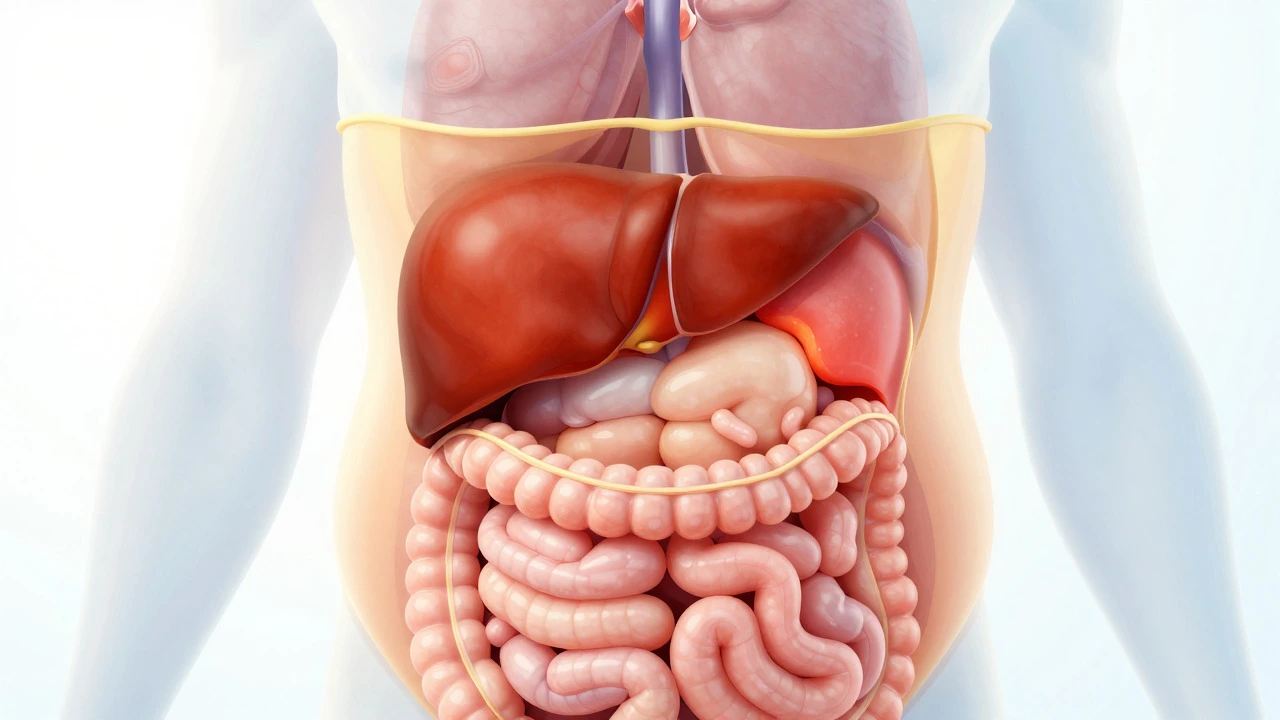
Belly fat isn’t just one thing. It comes in two distinct forms: subcutaneous fat, which sits just under your skin and jiggle when you poke it, and visceral fat, which wraps around your internal organs like a protective cushion. While subcutaneous fat is harmless but aesthetically bothersome, visceral fat is metabolically active and linked to higher risks of heart disease, type 2 diabetes, and inflammation. The good news? Visceral fat is often the first to go when you start moving consistently and eating well. Understanding this distinction changes how you approach your workout plan.
The Myth of Spot Reduction
Before picking an exercise, let’s clear up the biggest misconception in fitness: you cannot target fat loss from a specific area by exercising that muscle. Doing sit-ups strengthens your abdominal muscles, making them firmer, but it doesn’t burn the fat covering them. Your body decides where to pull stored energy from based on genetics, hormones, and overall calorie balance. This means that if you want a flatter stomach, you need to reduce your total body fat percentage. The most effective way to do this is through a combination of cardiovascular exercise that creates a significant calorie deficit and strength training to preserve lean muscle mass.
Think of your body as a bank account. When you’re in a calorie deficit, your body withdraws money (fat) from various accounts (body parts). You don’t get to choose which account gets drained first. However, certain types of cardio are more efficient at creating that deficit and boosting your metabolism long-term than others.
Why High-Intensity Interval Training (HIIT) Tops the List
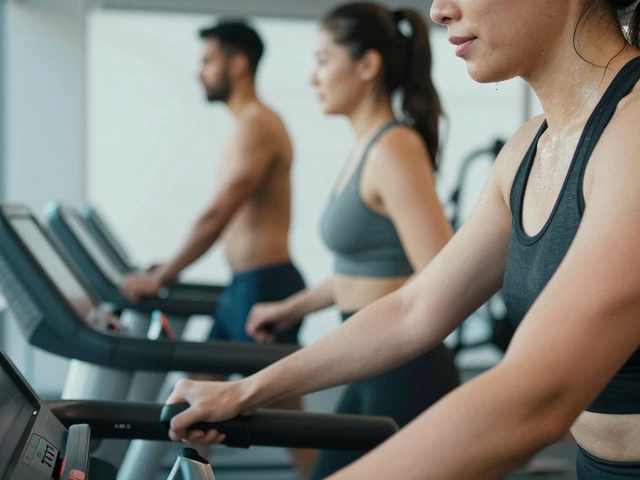
If we had to pick one type of cardio that offers the highest return on investment for time spent, it would be High-Intensity Interval Training (HIIT). HIIT involves short bursts of near-maximum effort followed by periods of rest or low-intensity movement. For example, you might sprint for 30 seconds, then walk for 60 seconds, repeating this cycle for 15 to 20 minutes.
Why is HIIT so effective for belly fat? It triggers what scientists call Excess Post-exercise Oxygen Consumption (EPOC). After a HIIT session, your body continues to burn calories at an elevated rate for hours as it works to restore oxygen levels, repair muscle tissue, and rebalance hormones. Studies published in journals like *Obesity Reviews* have shown that HIIT can reduce visceral fat significantly more than steady-state cardio, even when the total calories burned during the actual workout are similar. This metabolic boost makes it a powerful tool for targeting that deep-seated visceral fat.
However, HIIT isn’t without its downsides. It places high stress on your joints and central nervous system. If you’re new to exercise or carrying extra weight, jumping straight into sprints can lead to injury or burnout. Start with modified versions, like cycling intervals or rowing machine bursts, before progressing to running or burpees.
The Underrated Power of Steady-State Cardio
While HIIT gets all the glory, Low-Intensity Steady State (LISS) cardio-like brisk walking, light jogging, or cycling at a conversational pace-plays a crucial role. LISS burns calories primarily from fat stores during the activity itself because your body has enough oxygen to efficiently break down fatty acids. It’s also much easier to recover from, allowing you to train daily without risking overtraining.
For many people, especially those who are sedentary or dealing with joint pain, LISS is the sustainable choice. A study involving overweight adults found that adding 45 minutes of moderate-intensity walking five days a week led to significant reductions in waist circumference over three months. The key here is consistency. You can walk every day; you probably shouldn’t sprint every day. Incorporating both HIIT and LISS into your weekly routine provides the best of both worlds: the metabolic spike from intensity and the volume of calories burned from duration.
Strength Training: The Missing Link
Talking about cardio without mentioning resistance training is like building a house without a foundation. Muscle tissue is metabolically expensive, meaning it burns more calories at rest than fat tissue does. By engaging in strength training 2-3 times a week, you increase your basal metabolic rate (BMR). This means you burn more calories throughout the day, even while sleeping.
Compound movements like squats, deadlifts, lunges, and overhead presses engage multiple large muscle groups simultaneously. These exercises trigger a hormonal response that aids in fat mobilization. Furthermore, maintaining muscle mass ensures that as you lose weight, you’re losing fat, not precious muscle. A toned physique requires both low body fat and sufficient muscle definition. Neglecting strength training can lead to a “skinny fat” appearance, where weight is lost but the silhouette remains soft.
| Exercise Type | Calorie Burn (During) | Afterburn Effect (EPOC) | Joint Impact | Best For |
|---|---|---|---|---|
| HIIT | High | Very High | High | Time-crunched individuals, advanced fitness levels |
| Steady-State (LISS) | Moderate | Low | Low | Beginners, recovery days, joint sensitivity |
| Strength Training | Moderate | Moderate | Variable | Long-term metabolism boost, body composition |
Nutrition: The 80% Rule
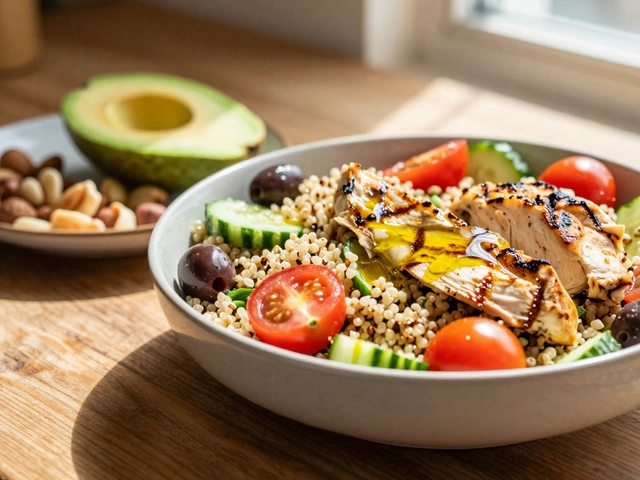
You can run marathons every day, but if you’re consuming more calories than you burn, you won’t lose belly fat. Nutrition is the primary driver of fat loss. Cardio accelerates the process by increasing your energy expenditure, but diet determines the direction. Aim for a slight calorie deficit-typically 300-500 calories below your maintenance level. Focus on whole foods: lean proteins, fiber-rich vegetables, healthy fats, and complex carbohydrates.
Fiber is particularly important for belly fat. Soluble fiber, found in oats, beans, and fruits, absorbs water and forms a gel that slows digestion, keeping you full longer and stabilizing blood sugar spikes. Stable blood sugar prevents insulin surges, which can promote fat storage, especially around the abdomen. Additionally, reducing added sugars and refined carbs can drastically lower visceral fat accumulation. Alcohol should also be limited, as it provides empty calories and can pause fat burning while the liver prioritizes alcohol metabolism.
Lifestyle Factors: Sleep and Stress
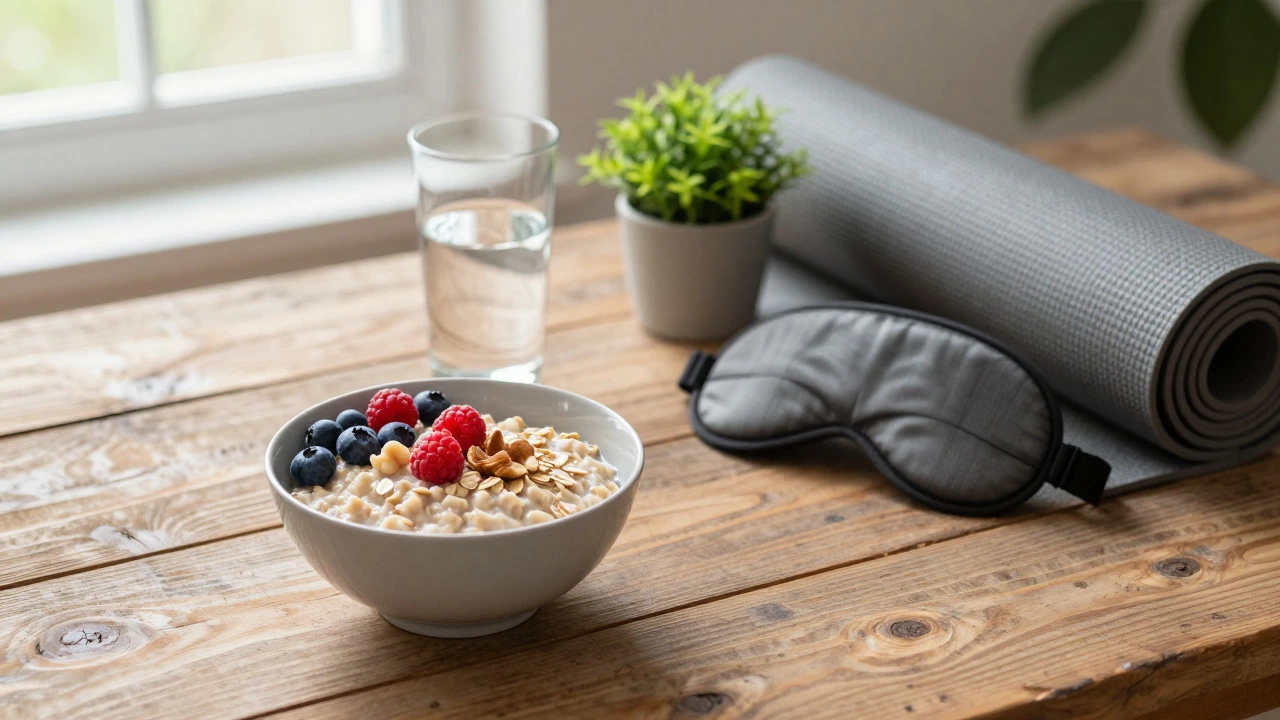
Ever noticed that your belly seems to expand after a stressful week or a few nights of poor sleep? That’s not in your head. Chronic stress elevates cortisol, a hormone that encourages the body to store fat viscerally. Similarly, sleep deprivation disrupts hunger hormones: ghrelin (which signals hunger) increases, while leptin (which signals fullness) decreases. This hormonal imbalance makes you crave high-calorie, sugary foods and reduces your motivation to exercise.
Prioritizing 7-9 hours of quality sleep per night is as critical as your workout routine. Techniques like mindfulness meditation, deep breathing exercises, or simply spending time in nature can help manage cortisol levels. Think of these lifestyle factors as the invisible supports of your fitness journey. Without them, even the best cardio plan will struggle to yield results.
Crafting Your Personalized Plan
There is no single “best” cardio for everyone. The best program is the one you can stick to consistently. Here’s a balanced approach for someone aiming to lose belly fat:
- Monday: 20-minute HIIT session (e.g., bike sprints or kettlebell swings)
- Tuesday: 30-45 minute brisk walk or light jog
- Wednesday: Full-body strength training (focus on compound lifts)
- Thursday: Active recovery (yoga, stretching, or leisurely swim)
- Friday: 20-minute HIIT session or circuit training
- Saturday: Long-duration LISS (hiking, cycling, or dancing for 60+ minutes)
- Sunday: Rest or gentle mobility work
Listen to your body. If you feel exhausted, swap a HIIT day for a walk. If you’re energized, add an extra strength session. Consistency beats perfection. Track your progress not just by the scale, but by how your clothes fit, your energy levels, and measurements around your waist. Belly fat loss is a marathon, not a sprint, but with the right mix of cardio, strength, nutrition, and lifestyle habits, you’ll see real changes.
How long does it take to lose belly fat?
Visible results typically appear within 4-8 weeks of consistent effort, including diet, cardio, and strength training. Significant reduction in visceral fat may take 3-6 months depending on your starting point and adherence to the plan.
Can I lose belly fat without cardio?
Yes, if you maintain a calorie deficit through diet alone. However, cardio speeds up the process, improves heart health, and helps preserve muscle mass when combined with strength training. It’s highly recommended for optimal results.
Is walking better than running for belly fat?
Walking is more sustainable for beginners and causes less joint stress. Running burns more calories per minute. For belly fat, consistency matters most. Choose the activity you enjoy and can do regularly. Many find a mix of both ideal.
Does age affect belly fat loss?
Metabolism slows slightly with age, and hormonal changes (especially in women during menopause) can make belly fat harder to lose. However, strength training becomes even more crucial to combat muscle loss, and cardio remains effective for fat burning regardless of age.
What foods help reduce belly fat?
Foods high in soluble fiber (oats, beans, apples), lean protein (chicken, fish, tofu), and healthy fats (avocados, nuts, olive oil) support satiety and metabolism. Avoiding sugary drinks and processed snacks is equally important.