Mindfulness Practice Finder
Not sure which mindfulness exercise fits your current situation? Answer two quick questions below to get a personalized recommendation and start practicing immediately.
1. How are you feeling?
Recommended Practice
Select your mood and time above to see your recommended mindfulness technique.
Title
Description goes here...
You’re sitting at your desk, staring at a spreadsheet that hasn’t changed in ten minutes. Your brain is racing through emails you haven’t sent and meetings you didn’t want. You know you should be "mindful," but what does that actually look like? Is it just sitting still and trying not to think? Spoiler alert: No. It’s definitely not about emptying your head. Mindfulness is simply the act of paying attention to the present moment on purpose, without judgment. It’s a skill, not a personality trait. And like any skill, you need concrete examples to get started. If you’ve ever wondered how to turn this abstract concept into something you can actually do between brushing your teeth and checking your phone, you’re in the right place.
The Core Mechanism of Mindful Attention
Before we jump into specific exercises, let’s clear up the biggest misconception. Mindfulness isn’t relaxation. Sure, many people feel relaxed after practicing it, but that’s a side effect, not the goal. The goal is awareness. Think of your mind as a radio. Usually, it’s stuck on a station playing static-worries about the future or regrets about the past. Mindfulness is the act of tuning that dial to the current frequency: right now. This involves three key components: intention (deciding to pay attention), attention (focusing on an anchor), and attitude (being kind to yourself when your mind wanders). Without the kindness part, it’s just stress management with extra steps.
Example 1: The Classic Breath Anchor
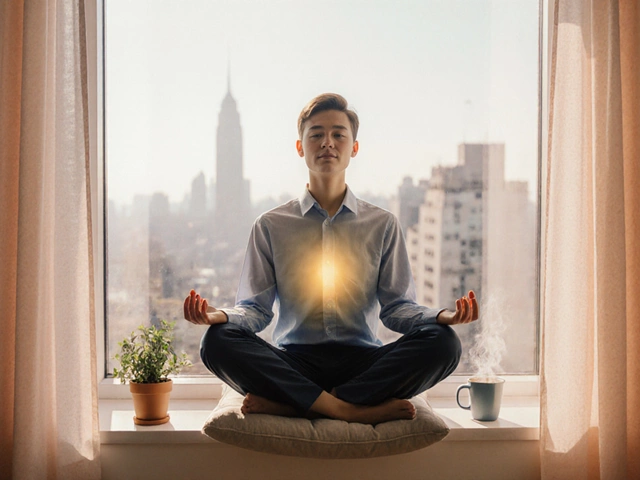
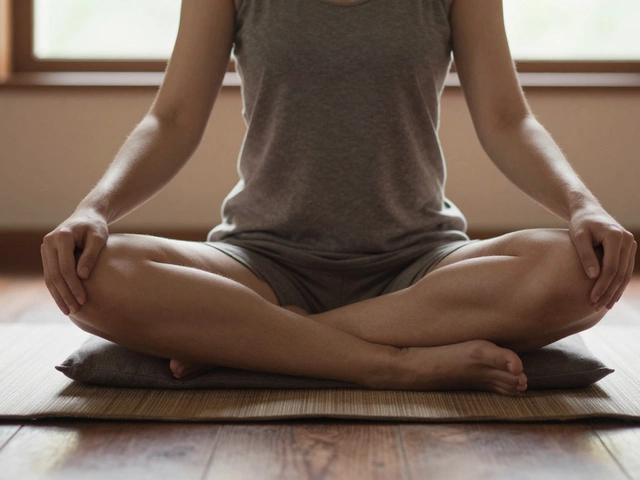
If there is one example of mindfulness that serves as the foundation for everything else, it’s Mindful Breathing. This is often called "Anapanasati" in traditional contexts, but you don’t need Sanskrit to do it. Here is exactly how it works: You sit comfortably. You close your eyes if that helps, or soften your gaze. Then, you focus entirely on the physical sensation of air moving in and out of your nostrils. That’s it. You aren’t trying to control the breath; you’re just watching it. When your mind inevitably jumps to "What’s for dinner?" or "Did I lock the door?", you notice the thought, label it gently as "thinking," and return your focus to the nose. The magic isn’t in staying focused; it’s in the return. Every time you bring your attention back, you’re doing a bicep curl for your brain.
Example 2: The Body Scan for Physical Grounding
Sometimes focusing on the breath feels too subtle, especially if you’re anxious. In those moments, a Body Scan is a more effective anchor because it gives your mind a bigger job to do. This practice involves mentally sweeping through your body from toes to head (or vice versa) and noticing sensations without trying to change them. You might notice tension in your jaw, warmth in your hands, or tingling in your feet. The instruction is simple: observe. Do not judge the sensation as "good" or "bad." Just note it. This practice is particularly powerful for people who live in their heads and have disconnected from their physical selves. By forcing attention into the body, you interrupt the loop of rumination. It takes about five to ten minutes, making it perfect for a lunch break or before bed.

Example 3: Mindful Walking for Restless Minds
Not everyone can sit still. If you’re someone who gets agitated when forced to meditate in silence, try Mindful Walking. This turns a mundane activity into a meditation. Instead of walking to get somewhere, you walk to be somewhere. Focus on the mechanics of movement. Feel the heel strike the ground, the roll of the foot, the push-off from the toe. Notice the shift in weight from left leg to right leg. Pay attention to the wind on your skin or the sounds around you. The key difference between normal walking and mindful walking is the quality of attention. Normal walking is automatic; mindful walking is deliberate. You can do this anywhere-in a park, down a hallway, or even pacing while on a phone call. It grounds you in the physical reality of the present moment, pulling you out of mental time travel.
Example 4: The Five Senses Check-In
When anxiety spikes, your internal world becomes loud and chaotic. A quick way to reset is the Five Senses Check-In. This is a rapid-fire mindfulness exercise designed to pull you out of a panic spiral. Stop what you’re doing and identify:
- Five things you see: Look for details you usually ignore, like the pattern on the carpet or a crack in the wall.
- Four things you can physically feel: The texture of your shirt, the chair against your back, the floor under your feet.
- Three things you hear: Distant traffic, the hum of the computer, your own breath.
- Two things you can smell: Coffee, rain, laundry detergent.
- One thing you can taste: Toothpaste, mint gum, or just the inside of your mouth.
This technique forces your brain to process external sensory data rather than internal catastrophic thoughts. It’s a hard reset button for your nervous system.
Comparison of Common Mindfulness Techniques
Different practices serve different needs. Choosing the right one depends on your current state of mind and environment. Here is a breakdown to help you decide which example fits your situation best.
| Practice | Best For | Duration | Primary Focus |
|---|---|---|---|
| Mindful Breathing | Beginners, daily maintenance | 5-20 mins | Internal sensation (airflow) |
| Body Scan | High stress, insomnia, disconnection | 10-30 mins | Physical sensations throughout body |
| Mindful Walking | Restlessness, low energy | 5-15 mins | Movement and balance |
| Five Senses Check-In | Acute anxiety, panic attacks | 1-2 mins | External sensory input |
| Mindful Eating | Overeating, boredom eating | Mealtime | Taste, texture, hunger cues |

Integrating Practice into Daily Life
The hardest part of mindfulness isn’t the technique; it’s remembering to do it. We all intend to meditate, but life happens. To make these examples stick, attach them to existing habits. This is known as "habit stacking." For instance, commit to doing a Mindful Eating exercise with your first bite of breakfast. Really taste it. Notice the temperature and texture. Or, practice mindful walking during your commute from the car to the office. These micro-practices are often more effective than a single twenty-minute session once a week because they rewire your default mode network-the brain circuitry active when you’re not focused on a task. Over time, you’ll find yourself naturally pausing and observing before reacting to stressors.
Common Pitfalls to Avoid
Even with good intentions, people often stumble when starting mindfulness. One major trap is trying to "clear your mind." Remember, the mind thinks. That’s its job. Trying to stop thoughts is like trying to hold a beach ball underwater-it takes immense effort and eventually pops up with force. Another pitfall is judging yourself for getting distracted. If you lose focus ten times in a minute, that’s ten opportunities to practice returning. Each return is a success, not a failure. Finally, don’t confuse mindfulness with zoning out. Zoning out is passive and dissociative; mindfulness is active and engaged. You are awake to what is happening, not asleep to it.
Frequently Asked Questions
How long should I practice mindfulness each day?
Consistency matters more than duration. Starting with just 3 to 5 minutes a day is highly effective. Research suggests that short, frequent sessions build neural pathways faster than occasional long sessions. Once the habit is established, you can gradually increase the time to 10 or 20 minutes if desired.
Can I practice mindfulness while working?
Absolutely. You can integrate mindfulness into work by taking "micro-breaks." Pause for 60 seconds every hour to do a Five Senses Check-In or simply take three deep, conscious breaths. This resets your attention span and reduces cognitive fatigue without requiring you to leave your desk.
Is mindfulness the same as meditation?
They are related but distinct. Meditation is a formal practice where you set aside time to cultivate mindfulness. Mindfulness is the quality of awareness itself, which can be applied informally throughout the day while washing dishes, walking, or listening to someone speak. You can be mindful without meditating, though meditation trains the muscle of mindfulness.
What if I fall asleep during a body scan?
This is very common, especially if you practice in the evening. It doesn’t mean you failed. It often indicates that your body was deeply tired and needed rest. If falling asleep is distracting, try doing the body scan while sitting upright rather than lying down, or practice earlier in the day when you are more alert.
Do I need special equipment or apps?
No. While apps like Headspace or Calm provide guided structures, mindfulness requires no equipment other than your attention. A quiet space and a comfortable seat are helpful but not mandatory. You can practice mindful breathing on a noisy bus just as effectively as in a silent room.