Three-Minute Breathing Space Timer
You’re sitting at your desk, eyes glued to a spreadsheet, but your mind is halfway through planning dinner or replaying an awkward conversation from yesterday. Sound familiar? That split between where you are and where your head is happens to almost everyone. Mindfulness is simply the practice of noticing that split and gently bringing your attention back to right now. It isn’t about emptying your brain or achieving some zen-like state of bliss. It’s about paying attention on purpose, without judging what you find. If you’ve been wondering how to actually start doing this without feeling like you’re failing, here is the practical, no-nonsense way to begin.
The Quick Start Checklist
Before we get into the details, here are the core takeaways if you want to skip the fluff:
- Start small: Two minutes a day beats twenty minutes once a week.
- Anchor your attention: Use your breath, sounds, or body sensations as a home base.
- Expect wandering: Your mind will drift. Noticing it and returning is the actual exercise.
- Ditch the goal: There is no "good" mindfulness session. There is only showing up.
What Mindfulness Actually Is (And Isn’t)
Let’s clear up the biggest misconception first. Mindfulness is not relaxation. While many people feel calmer after practicing it, the primary goal isn't to feel good-it's to see clearly. Mindfulness is a mental training method that focuses on developing awareness of thoughts, feelings, bodily sensations, and surrounding environment with acceptance and curiosity.
Think of it like going to the gym. You don’t go to the gym to feel relaxed; you go to build strength. Similarly, you practice mindfulness to build cognitive flexibility. When you sit quietly and notice your knee hurts, or that you’re bored, or that you’re thinking about email, you aren’t fixing those things. You are just observing them. This distinction matters because if you expect peace and quiet, you’ll quit when your brain gets noisy. But if you expect observation, the noise becomes part of the data.
Your First Practice: The Three-Minute Breathing Space
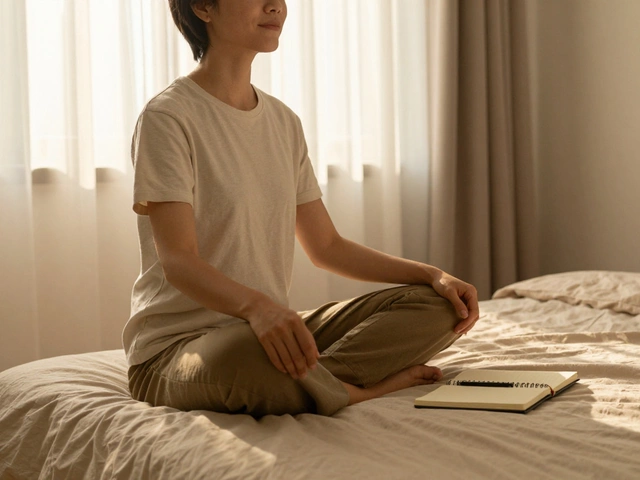
You don’t need a cushion, incense, or a silent retreat in the mountains. You can do this while waiting for your coffee to brew or sitting in traffic. This technique, often taught by organizations like the UK Network for Mindfulness-Based Teacher Training Organisations, breaks down into three simple steps.
- Awareness: Pause for a minute. Ask yourself, "What is happening right now?" Don’t change anything. Just notice if you’re tense, tired, anxious, or fine. Name it silently if you can.
- Gathering: Spend the next minute narrowing your focus. Pick one anchor-usually the breath. Feel the air entering your nose or your belly rising. When your mind wanders (and it will), gently bring it back to the breath.
- Expanding: For the final minute, widen your attention again. Notice your whole body, the sounds in the room, the space around you. Hold it all together with a sense of openness.
This structure works because it moves from broad awareness to focused concentration and back to broad awareness. It trains your brain to switch gears intentionally rather than reactively.
Choosing Your Anchor Object
Many beginners struggle because they try to "watch their thoughts," which is abstract and difficult. It is much easier to watch something concrete. In mindfulness terms, these are called anchors. Here are the most common ones and why they work:
| Anchor Type | Best For | Why It Works |
|---|---|---|
| Breath | Everyone | Always available, neutral, connects body and mind. |
| Body Scan | Physical tension | Releases stored stress, grounds you in physical sensation. |
| Sounds | Noisy environments | Uses external stimuli instead of fighting distractions. |
| Walking | Restless minds | Adds movement, prevents drowsiness during meditation. |
If sitting still makes you itch, try walking meditation. Walk slowly across your living room. Feel the heel strike the floor, the roll of the foot, the push off the toe. If your mind jumps to your to-do list, come back to the feeling of your feet on the ground. This is valid mindfulness. It doesn’t have to look like a monk sitting cross-legged.
The Trap of "Doing It Right"
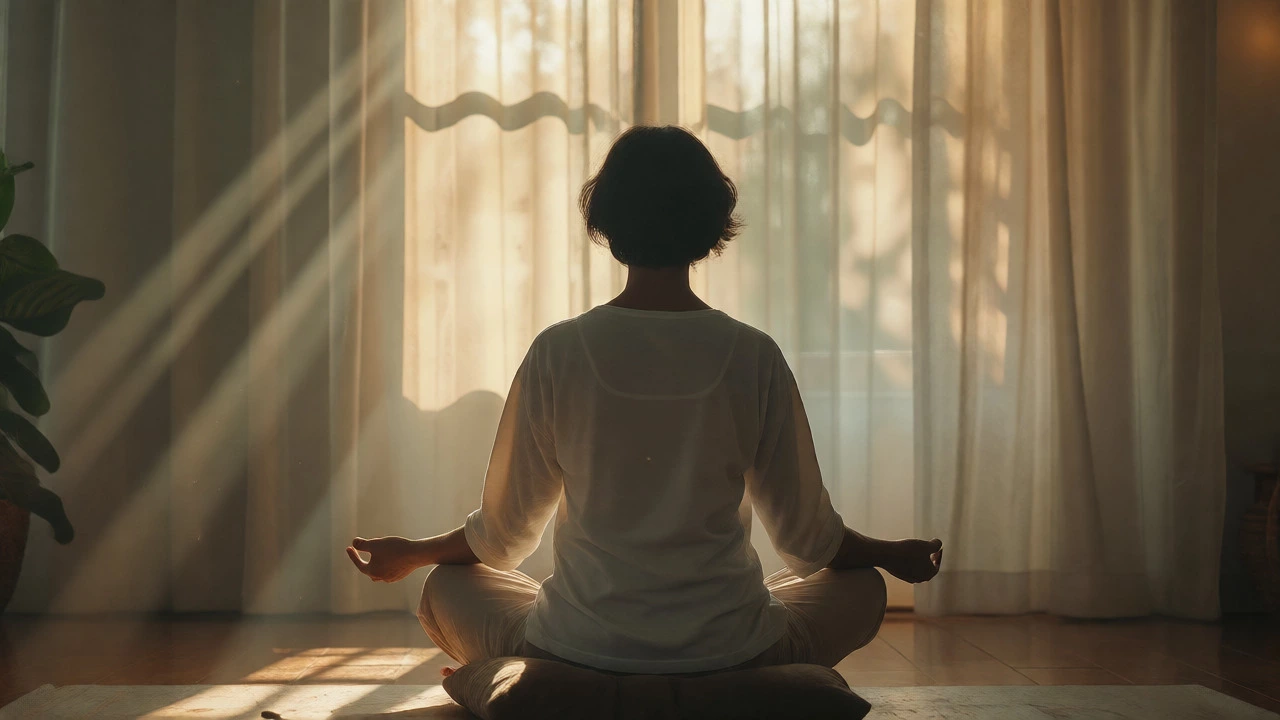
Here is the hard truth: you cannot fail at mindfulness. Yet, beginners constantly report feeling like they failed because they couldn’t stop thinking. They think, "I had ten thoughts in two minutes, so I’m bad at this." This is backwards logic.
Every time you notice you’ve drifted and choose to return to your anchor, that is a rep. It’s like lifting a weight. If you never drifted, you wouldn’t have needed to pull yourself back. The act of returning strengthens your attention muscle. So, if your mind wandered fifty times in five minutes, you didn’t have a bad session. You did fifty reps. Celebrate the noticing, not the silence.
Integrating It Into Daily Life
Sitting on a cushion is formal practice. But life happens off the cushion. To truly benefit, you need informal practice-bringing mindfulness to mundane tasks. This is often called "daily life meditation."
Pick one routine activity you already do every day. Brushing your teeth is a classic choice. Instead of scrolling your phone while brushing, focus entirely on the sensation. Feel the bristles against your gums. Taste the mint. Hear the sound of the brush. If you catch yourself planning your morning meeting, gently return to the taste of toothpaste.
Other great candidates include:
- Eating: Take the first three bites of lunch in total silence, focusing on texture and flavor.
- Showering: Notice the temperature of the water and the scent of the soap.
- Listening: When someone talks to you, listen to understand, not to reply. Watch their face, hear their tone, resist the urge to formulate your response immediately.
These micro-moments add up. They break the autopilot mode that leads to burnout and anxiety.
Tools That Help (And Ones That Don’t)
Do you need an app? No. Do apps help? Often, yes. They provide structure and reminders, which are crucial when building a new habit. Apps like Headspace or Calm offer guided sessions that tell you exactly what to do, removing decision fatigue. However, be careful not to become dependent on the voice. Eventually, you want to be able to close your eyes and guide yourself.
Conversely, avoid tools that promise instant enlightenment or complex rituals. If a method requires buying expensive crystals or attending a weekend workshop before you can even try it, it’s likely adding friction. Keep it simple. A timer on your phone is enough technology.

Troubleshooting Common Roadblocks
"I fall asleep." This usually means you’re too comfortable or your posture is slumping. Sit upright, perhaps with your eyes slightly open, or try walking meditation instead.
"I get angry or emotional." This is normal. When you stop running from your thoughts, suppressed emotions surface. Don’t judge them. Let them pass like clouds. If it feels overwhelming, shorten the session or switch to a grounding exercise like naming five things you can see.
"I forget to practice." Habit stacking works best. Attach mindfulness to an existing trigger. "After I pour my coffee, I will take three deep breaths." Link it to something you already do automatically.
Frequently Asked Questions
How long should I meditate as a beginner?
Start with just 3 to 5 minutes a day. Consistency is far more important than duration. Once the habit is established, you can gradually increase to 10 or 15 minutes, but never force it if it feels like a chore.
Is mindfulness religious?
No. While its roots are in Buddhist traditions, modern secular mindfulness programs, such as MBSR (Mindfulness-Based Stress Reduction), are purely psychological and physiological. You do not need to change your beliefs to practice it.
Can I practice mindfulness while working?
Yes, absolutely. You can use single-tasking as a form of mindfulness. Focus entirely on one task, closing other tabs and silencing notifications. When you notice your mind drifting to another project, gently bring it back to the current task.
What if I can’t sit still?
Try active mindfulness practices like yoga, tai chi, or mindful walking. These allow you to cultivate awareness while moving, which can be easier for people who find static sitting uncomfortable or frustrating.
How quickly will I see benefits?
Some people notice reduced reactivity within a few weeks. Research suggests structural changes in the brain related to attention and emotion regulation typically appear after eight weeks of consistent daily practice.
Next Steps
Don’t overthink this. Today, pick one anchor-your breath is the easiest-and set a timer for three minutes. Sit comfortably. Close your eyes. Breathe. When you wander, come back. That’s it. That’s the start of your practice. If you stick with it, you’ll find that the pause between stimulus and response grows wider, giving you the freedom to choose how you react to life’s inevitable chaos.