Personal Style Identity Builder
Use this tool to synthesize your visual preferences into a concrete style blueprint. Follow the steps below to find your unique identity.
Step 1: Identify Your Dominant Aesthetic
Select the aesthetic that most resonates with your "Love" pile and Pinterest boards.
Step 2: The Three-Word Method
Choose three adjectives that describe how you want to feel. You can select from the list or add your own.
Your Style Blueprint
Core Aesthetic:
Not selected
Identity Keywords:
None selected
Guidance: Every time you shop or dress, ask: "Does this piece fit my aesthetic and match at least two of my three keywords?" If not, it might be for your "fantasy self" rather than your actual style.
Quick Takeaways for Your Style Journey
- Analyze your current favorites to find recurring patterns.
- Use visual tools like Pinterest to build a "mood board" of aesthetics.
- Focus on fit and proportion before worrying about brands.
- Build a base of neutrals before adding bold statement pieces.
- Experiment with a "three-word method" to describe your goal look.
Audit Your Current Wardrobe
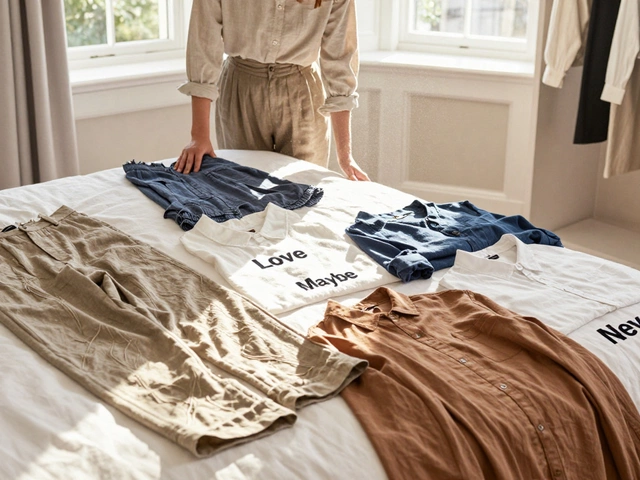
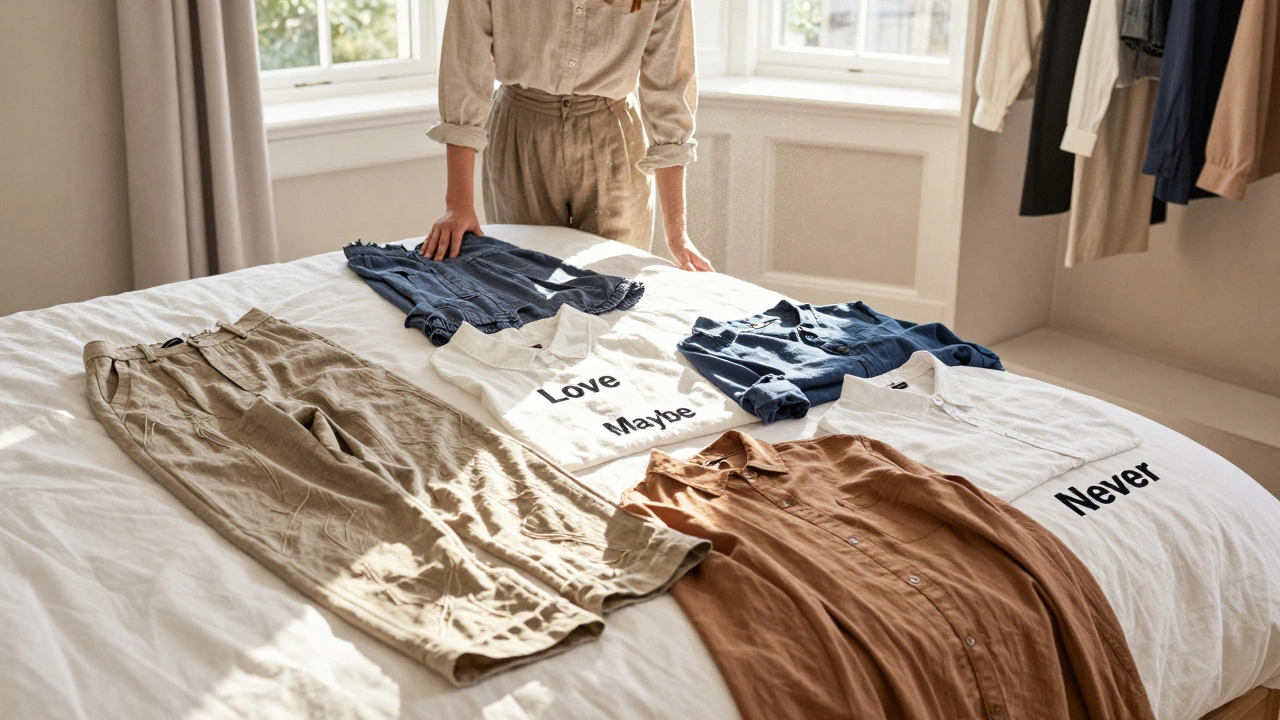
Before you spend a dime on new clothes, you need to look at what you already own. Most of us have a "fantasy self" in our closets-the person we think we should be, or the person we were five years ago. You might have a formal blazer you wore once to a wedding in 2021 or a set of gym clothes for a workout routine you never started. Start by pulling everything out. Divide your clothes into three piles: Love, Maybe, and Never. The "Love" pile is where the magic happens. Look at these items closely. Do they all have a similar silhouette? Are they mostly oversized or tailored? Are they earthy tones or neon colors? If you notice that 80% of your favorite items are high-waisted trousers and linen shirts, you've already found a clue. You likely prefer a relaxed, breathable, and structured look. By identifying the common denominators in your favorite pieces, you stop guessing and start building a blueprint. If you find that you love the *idea* of a certain item but never actually wear it, that's a sign that it belongs to your fantasy self, not your actual style.Build a Visual Reference Library
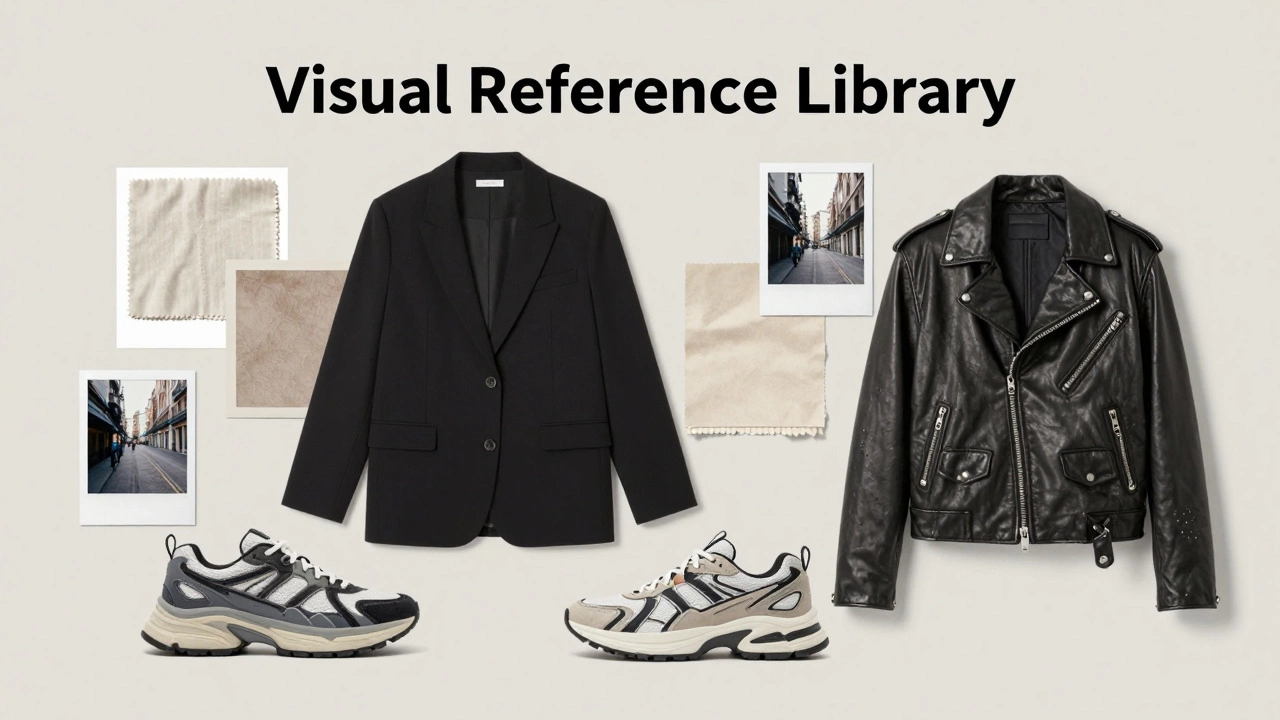
Your brain needs a reference point to understand what you actually like. This is where digital curation comes in. Use a tool like Pinterest or even a dedicated Instagram folder. Don't overthink it-just save images that make you go "I wish I could wear that." After you've saved about 50 to 100 images, stop and look at them all at once. You'll start to see a pattern. You might realize that while you save a mix of styles, 70% of the images feature Minimalism, characterized by clean lines, neutral palettes, and a lack of excessive ornamentation. Or perhaps you're drawn to Streetwear, which emphasizes comfort, sneakers, and graphic elements influenced by urban culture. To refine this further, try the "Three-Word Method." Pick three adjectives that describe how you want to feel. For example: "Polished, Edgy, and Effortless." Every time you consider a new purchase or put together an outfit, ask yourself: "Does this look polished? Is it edgy? Is it effortless?" If it only hits one of the three, it might not fit your core identity.Understanding Fit and Body Proportions
Clothing is essentially architecture for the body. A cheap t-shirt that fits perfectly will always look better than an expensive designer shirt that is too long in the sleeves. Understanding your proportions is the secret to making any style look intentional. One of the most effective rules of thumb is the "Rule of Thirds." Instead of splitting your body in half (which can make you look shorter or boxy), aim for a 1/3 to 2/3 ratio. This usually means tucking in your shirt to raise your waistline, making your legs look longer. Consider how different fabrics drape. A stiff denim will hold a shape and add volume, while a silk or rayon fabric will cling to the body. If you have a wider lower body, you might find that a structured A-line skirt balances your proportions better than a tight pencil skirt. The goal isn't to hide your body, but to use clothing to create a silhouette that you enjoy looking at in the mirror.| Aesthetic | Key Fabrics | Common Silhouettes | Vibe |
|---|---|---|---|
| Minimalist | Cotton, Wool, Silk | Straight lines, Boxy cuts | Clean and Professional |
| Bohemian | Linen, Crochet, Suede | Flowy, Oversized, Layered | Artistic and Free |
| Classic/Preppy | Tweed, Chino, Oxford | Tailored, Tucked-in | Timeless and Organized |
| Grunge/Edgy | Leather, Denim, Flannel | Distressed, Oversized | Rebellious and Bold |
The Power of Color Theory
Colors evoke emotions and can either brighten your complexion or make you look washed out. You don't need to be an artist to use Color Theory in your wardrobe. Start by identifying your undertone: are you cool, warm, or neutral? A quick way to check is by looking at the veins on your wrist. If they look blue or purple, you're likely cool-toned. If they look green, you're warm-toned. If you can't tell, you're probably neutral. If you're cool-toned, you'll likely shine in silver jewelry and colors like emerald green, royal blue, and crisp white. Warm-toned people usually look better in gold jewelry and earthy shades like olive, mustard, and cream. Once you have your base, use the 60-30-10 rule for outfits. 60% of your outfit should be a primary neutral (like navy or black), 30% a secondary coordinating color (like grey or beige), and 10% a bold accent color (like a red bag or a yellow scarf). This prevents your outfit from looking chaotic while still allowing you to show some personality.Building a Capsule Wardrobe
Once you've identified your "Three Words" and your color palette, it's time to stop buying random pieces and start building a Capsule Wardrobe. This is a curated collection of essential items that don't go out of style and can be mixed and matched to create dozens of different outfits. Instead of buying five different trendy tops, invest in one high-quality white button-down, a versatile pair of dark-wash jeans, and a neutral blazer. These are your "anchor pieces." When your base is strong, you can afford to be more experimental with your "accent pieces"-the trendy items that might be out of style by next year. For example, if your style is "Modern Professional," your anchors might be a black tailored trouser and a beige knit sweater. You can then add a trendy leopard print belt or a neon-colored heel to keep the look current without compromising the overall structure of your style. This approach saves money and significantly reduces the "decision fatigue" you feel every morning.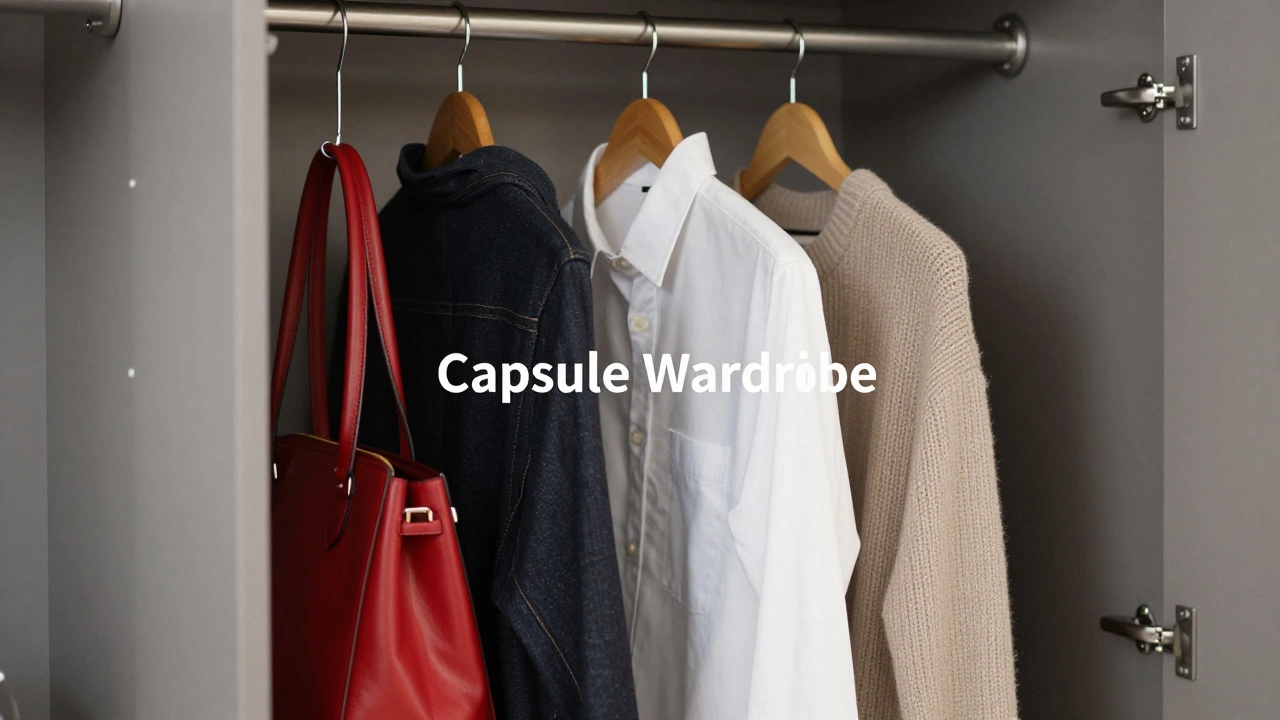
Testing and Refining Your Look
Your style is not a destination; it's a process. You will have days where you feel like a fashion icon and days where you feel like you're wearing a costume. That's normal. The key is to treat your dressing process like an experiment. Try "Outfit Formulae." A formula is a reliable combination that always works for you. For instance: "Wide-leg trousers + tucked-in t-shirt + pointed boots." Once you find a formula that makes you feel great, write it down. When you're in a rush or feeling uninspired, just pick a formula and plug in your favorite colors. Take "outfit selfies." We often see our clothes in the mirror, but a photo provides a different perspective. Look back at your photos from a month ago. Which outfits did you actually feel confident in? Which ones felt like you were trying too hard? This objective data is more valuable than any fashion blog. If you notice you always look happiest in a leather jacket, regardless of what else you're wearing, that jacket is a cornerstone of your identity.What if I like too many different styles?
This is actually a superpower. It means you have a "hybrid style." Instead of picking one aesthetic, blend them. You can pair a feminine floral dress (Boho) with a chunky leather boot and an oversized blazer (Grunge/Professional). The trick is to pick one dominant style for the outfit and use the others as accents to keep the look cohesive.
How do I find my style on a budget?
Focus on thrift stores and consignment shops. Because you now have a "Three-Word Method" and a color palette, you can ignore 90% of the thrift store and zero in on exactly what fits your blueprint. Also, prioritize tailoring. A $10 thrifted pair of pants that you spend $20 to have hemmed to your exact length will look like a $200 pair of designer trousers.
Does my style have to match my job?
Not necessarily, but it should translate. If your personal style is very edgy but you work in a conservative corporate office, look for "bridge pieces." You can wear a professional suit but add an edgy element, like an interesting piece of jewelry or a bold shoe, to maintain your identity while respecting the dress code.
How often should I change my style?
Your style should evolve as you do. It's natural to change your look as you move through different life stages or careers. The goal isn't to stay in one "box" forever, but to ensure that whatever you're wearing currently aligns with who you are today.
Where do I start if I feel completely overwhelmed?
Start with the "One Item Challenge." Pick one piece of clothing you absolutely love and spend a week finding five different ways to wear it. This teaches you how to build outfits around a central piece rather than trying to assemble a whole new identity from scratch every day.