Visual Age Style Estimator
Select the options that best describe your current daily routine to see your estimated "Visual Age Impact."
1. Clothing Fit & Silhouette
2. Hair Color & Cut
3. Makeup Approach
4. Posture & Movement
5. Hands & Nails
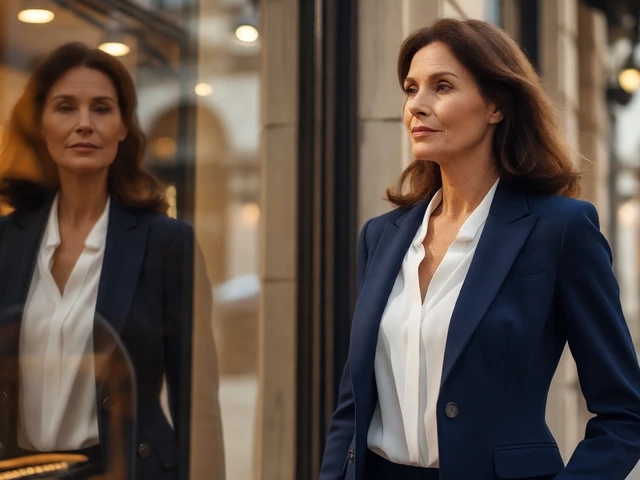
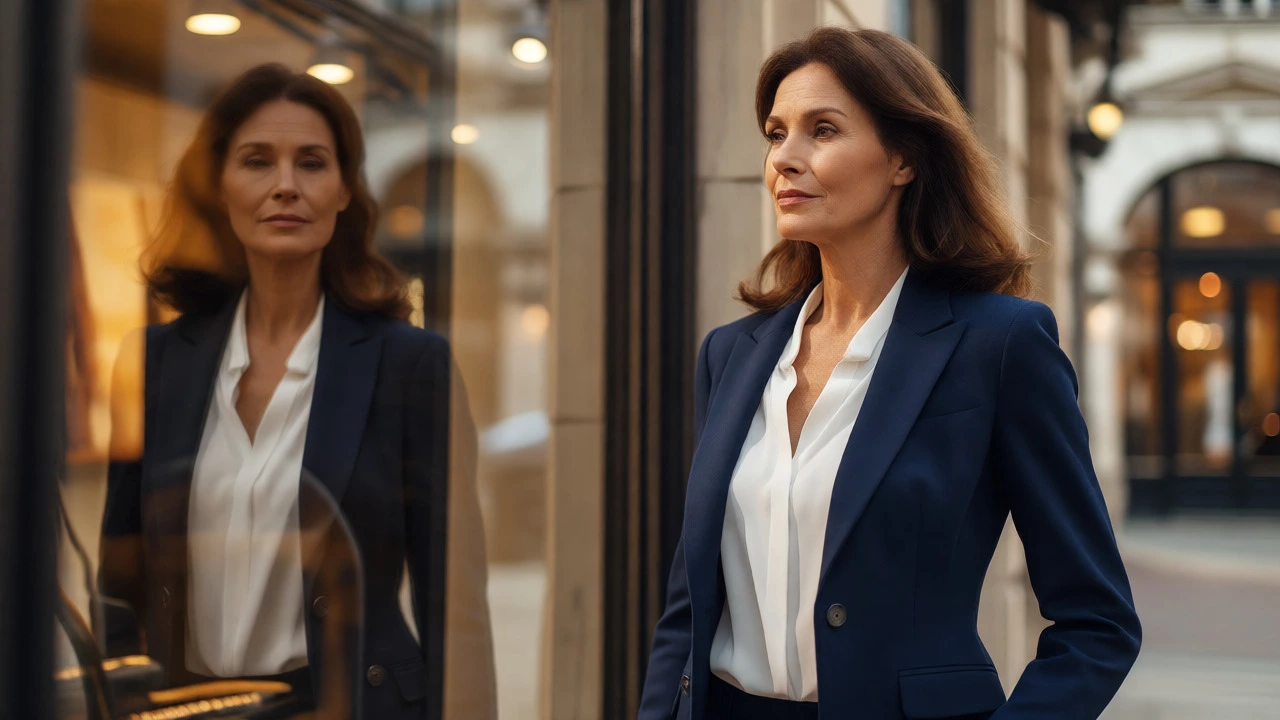
You know that feeling when you catch your reflection in a shop window and think, "Who is that?" It’s not necessarily about wrinkles or grey hairs. Often, it’s the silhouette of your coat, the shade of your lipstick, or the way your jeans sit on your hips. We tend to blame genetics for aging, but visual age is largely constructed by our daily choices. You can look five years younger simply by adjusting how you dress and groom yourself. This isn't about trying to be twenty again; it's about looking vibrant, healthy, and sharp for the age you actually are.
The Fit Factor: Why Baggy Clothes Are Traps
There is a persistent myth that if you want to hide certain areas, you should wear oversized clothing. The reality is quite the opposite. Ill-fitting clothes-whether too tight or too loose-signal neglect. When fabric hangs loosely off your frame, it obscures your shape and makes you look smaller and frailer. Conversely, clothes that pull at the buttons create tension lines that emphasize weight fluctuations rather than hiding them.
The sweet spot is tailored comfort. You want garments that skim the body without clinging. A well-fitted blazer with structured shoulders instantly adds authority and youthfulness because it creates a strong, upright posture. Compare this to a slouchy, unstructured cardigan that drapes over the shoulders, which can make even a young woman look tired and defeated. If you’re buying new clothes, spend your budget on tailoring. Hemming trousers to the right length and taking in the waist of a dress does more for your perceived age than any expensive cream ever could.
| Fit Type | Visual Effect | Perceived Age Impact |
|---|---|---|
| Oversized/Baggy | Hides shape, looks sloppy | +3 to +5 years |
| Tight/Skinny | Emphasizes skin texture, restricts movement | +1 to +2 years |
| Tailored/Skimmed | Clean lines, confident posture | -2 to -4 years |
Hair Color and Cut: The Frame of Your Face
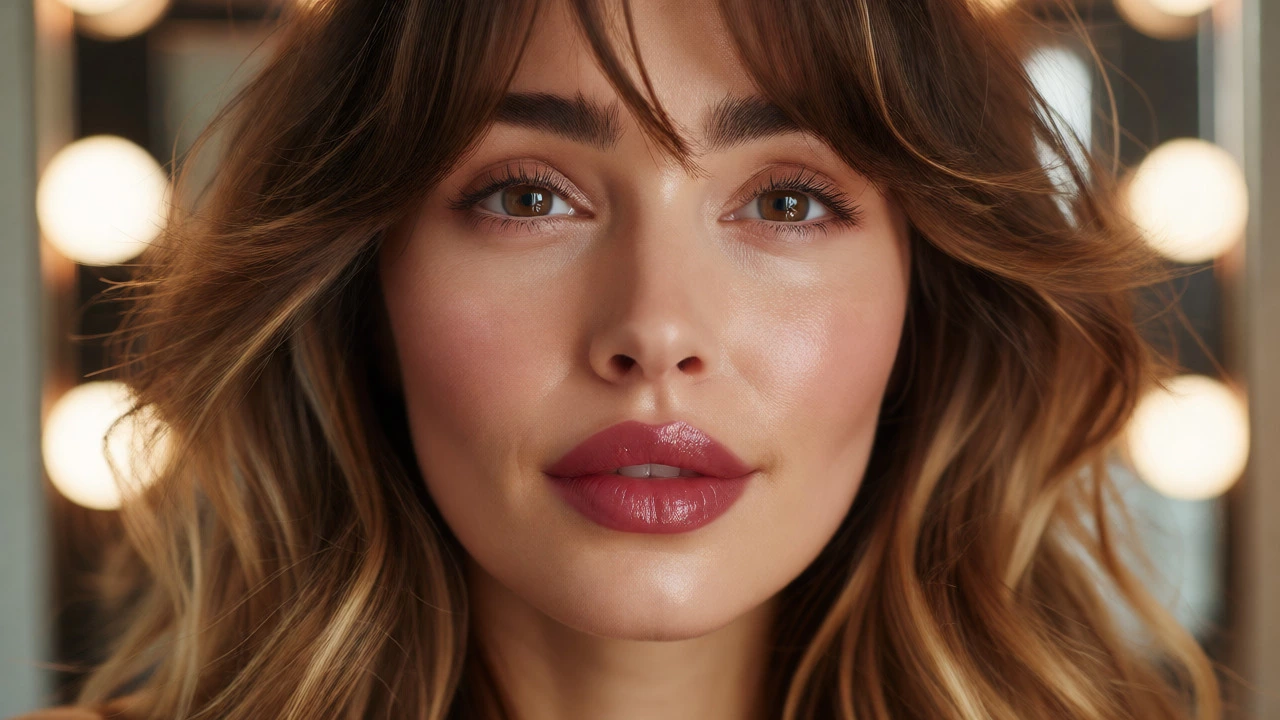
Your hair is the first thing people notice. As we age, our natural hair often loses pigment and volume, becoming finer and flatter. If you stick to a single, flat block of dark color, it can cast harsh shadows under your eyes and highlight skin imperfections. Dark colors absorb light; lighter tones reflect it. Reflecting light onto your face is one of the quickest ways to soften features and reduce the appearance of fine lines.
Consider adding dimension through highlights or balayage. These techniques break up solid blocks of color and add depth, making hair look thicker and healthier. Also, pay attention to your fringe (bangs). A heavy, blunt bang can drag the eyes down, while soft, curtain bangs or side-swept layers frame the forehead and draw attention upward. Regular trims every six to eight weeks prevent split ends, which signal poor maintenance. Healthy, shiny hair reads as youthful vitality, regardless of whether it’s blonde, brunette, or red.
Makeup Mistakes That Add Years
Makeup is a tool, not a mask. One of the biggest errors women make as they mature is applying foundation like paint. Heavy, matte foundations settle into creases and pores, accentuating texture rather than smoothing it. As skin changes, it needs hydration, not coverage. Switch to lightweight, dewy formulas or tinted moisturizers. They let your skin breathe and glow, which signals health.
Another common trap is using dark, matte lipsticks. Matte textures flatten lips, making them appear thinner-a natural part of aging. Opt for satin or creamy finishes in berry, coral, or nude shades that complement your undertone. And please, check your eyebrows. Over-plucked brows from the nineties can leave faces looking exposed and aged. Softly filled-in brows restore balance to the upper face. Use a pencil or powder that matches your hair color but is slightly lighter to keep the look natural.
The Power of Posture and Movement
You can wear the most expensive outfit in the world, but if you walk with a hunched back, you will look older. Poor posture compresses the torso, pushes the head forward, and creates the illusion of a shorter neck. This physical stance communicates fatigue and low energy. Stand tall. Imagine a string pulling the crown of your head toward the ceiling. Shoulders back, chest open. This simple adjustment elongates your silhouette and projects confidence.
Movement matters too. Rigid, stiff movements suggest discomfort or pain. Fluid, relaxed gestures suggest ease and vitality. Practice walking with purpose but without rushing. Swing your arms naturally. When you move with grace, you distract from any minor physical limitations and focus the observer’s eye on your presence rather than your parts.
Nails and Hands: The Telltale Signs
We shake hands, hold coffee cups, and type emails. Our hands are constantly on display. Neglected nails-chipped polish, ragged cuticles, or long, jagged edges-can ruin an otherwise polished look. You don’t need a complex manicure. Clean, shaped nails with a clear coat or a subtle neutral polish show care and attention to detail. Keep hands moisturized. Dry, papery skin on the knuckles ages faster than facial skin. Carry a small tube of hand cream and use it after washing dishes or before bed. It’s a small habit with a high return on investment.
Accessories: Less Is More, But Choose Wisely
Jewelry can either elevate your look or clutter it. Too many pieces compete for attention and can look chaotic. Stick to one focal point. A statement necklace draws the eye up toward the face, away from the neck and chest area where skin may sag. Delicate gold or silver chains add sparkle without weight. Avoid costume jewelry that tarnishes or turns green; it looks cheap and dated. Invest in a few quality pieces that last. A classic watch, a pair of elegant earrings, or a structured handbag says you value quality. Quality implies stability and maturity, which are attractive traits.

Color Choices: Wearing White and Neutrals
Many women shy away from white, fearing it makes them look washed out or reveals stains. However, wearing crisp white near the face reflects light onto the skin, acting as a natural reflector board. It brightens the complexion and reduces the appearance of shadows under the eyes. Pair white tops with bold colors or deep neutrals to create contrast. Monochrome outfits in black can sometimes feel severe and drain color from the face. Mix your palette. Incorporate pastels or jewel tones that suit your skin tone. Experimentation keeps your style fresh and prevents the "uniform" effect that makes us look like we’ve stopped caring about trends.
Social Connection and Vitality
Finally, consider your energy. People who engage socially, laugh often, and maintain hobbies tend to look younger. Stress and isolation manifest physically. Chronic stress raises cortisol levels, which breaks down collagen and leads to inflammation. Make time for friends, family, or community groups. Laughter engages facial muscles in a positive way, creating dynamic expressions rather than static, worried ones. A genuine smile is the most powerful anti-aging cosmetic there is. It lights up the entire face and makes you approachable and radiant.
Frequently Asked Questions
Does wearing black always make you look older?
Not always, but it can. Black absorbs light and can cast shadows on the face, emphasizing hollow cheeks or under-eye circles. To wear black effectively, ensure it fits perfectly and pair it with accessories that reflect light, such as silver jewelry or a colorful scarf near the neckline.
Should I stop wearing miniskirts as I age?
No, but proportion matters. If you wear a short hemline, balance it with a longer top or jacket. The goal is to show leg without revealing too much thigh or hip simultaneously. Confidence is key-if you feel comfortable and supported in the outfit, it will likely look good on you regardless of strict age rules.
How does sun exposure affect visible aging?
Sun exposure is responsible for up to 80% of visible facial aging, according to dermatological studies. UV rays break down collagen and elastin, leading to wrinkles and pigmentation spots. Wearing broad-spectrum SPF 30+ daily, even in winter or cloudy weather, is the single most effective preventative measure against premature skin aging.
Can hairstyle really change my perceived age?
Yes, significantly. Flat, lifeless hair can make a face look tired. Volume and movement add lift to the facial structure. Layers can frame the face and soften angles, while blunt cuts can be harsh. Consult a stylist who understands how hair grows and falls as you age to find a cut that maximizes volume and ease of styling.
Is it worth spending money on tailored clothes?
Absolutely. Off-the-rack clothes are made for average bodies, not yours. Tailoring adjusts garments to your specific proportions, improving fit and comfort. A $50 shirt altered for $20 often looks better than a $150 shirt that doesn't fit. Good fit signals competence and self-awareness, both of which contribute to a youthful, put-together appearance.