Personal Style Discovery Tool
Lifestyle Reality Check
Analyze your daily environments and time allocation
Wardrobe Audit
Sort your clothes into Love, Keep, and Donate piles
Color Palette Discovery
Identify warm vs cool undertones that flatter you
Body Shape Preferences
Find silhouettes that make you feel confident
Mood Board Creation
Collect visual inspiration and identify patterns
Style Adjectives
Define 3-5 words that describe your ideal style
Your Progress Tracker
- Complete lifestyle environment analysis
- Sort wardrobe into three categories
- Test colors against your skin tone
- Try different cuts and necklines
- Create visual inspiration board
- Choose your style keywords
- Plan your capsule wardrobe basics
- Experiment with accessories
- Make one intentional purchase
- Schedule next seasonal review
🎉 Congratulations!
You've completed all the steps to finding your personal style. Remember, style is a journey, not a destination. Keep refining and evolving!
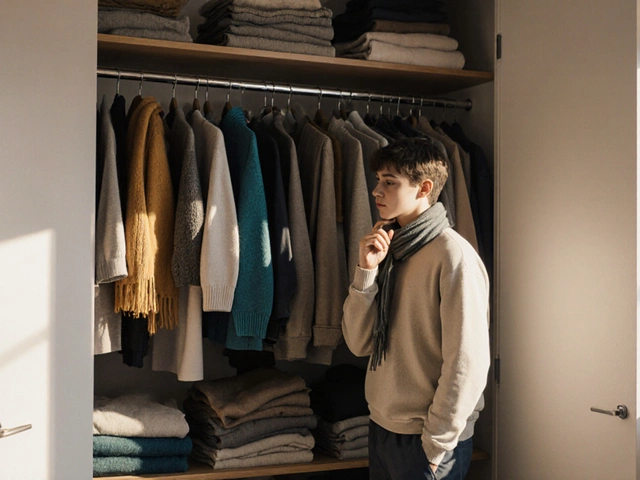
Have you ever stood in front of a full closet and thought, 'I have nothing to wear'? It is a frustrating feeling that happens to almost everyone. You might own plenty of clothes, but they do not feel like *you*. They feel borrowed, outdated, or just wrong for your daily life. The good news is that finding your personal style is not about waiting for a sudden epiphany. It is a process. It is work, but it is fun work.
Many people think style is something you are born with. That is simply not true. Style is a skill you build by understanding who you are, what you do, and how you want to feel. If you have been searching for a clear path forward, this guide breaks down the journey into ten actionable steps. These steps move from internal reflection to external action, helping you build a wardrobe that actually works for your real life.
Step 1: Define Your Lifestyle Reality
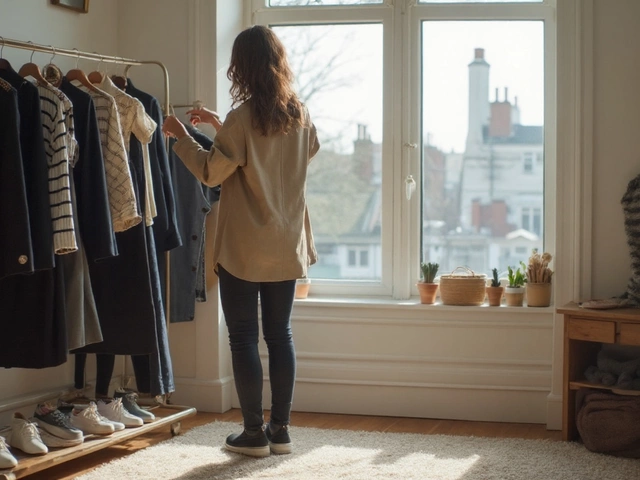
Before you buy a single item, you need to look at your actual days. Style must serve your life, not fight against it. Take a honest look at your calendar for the past month. How many hours did you spend in an office? How much time was spent running errands, hiking, or relaxing at home?
If you work in a corporate environment, a wardrobe filled with distressed jeans and crop tops will cause you stress every morning. On the other hand, if you work remotely or run your own business, investing in expensive suits might be a waste of money. Write down your top three environments. For example: "Office (formal), Weekend (casual/outdoor), Evening out (smart casual)." This creates a baseline for what your clothes need to do for you.
Step 2: Audit Your Current Wardrobe
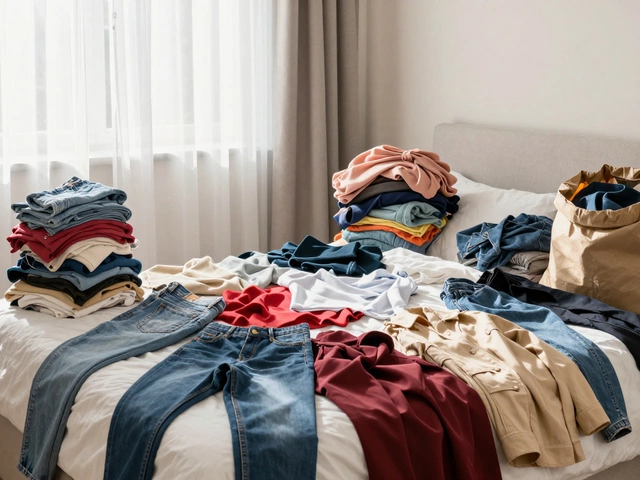
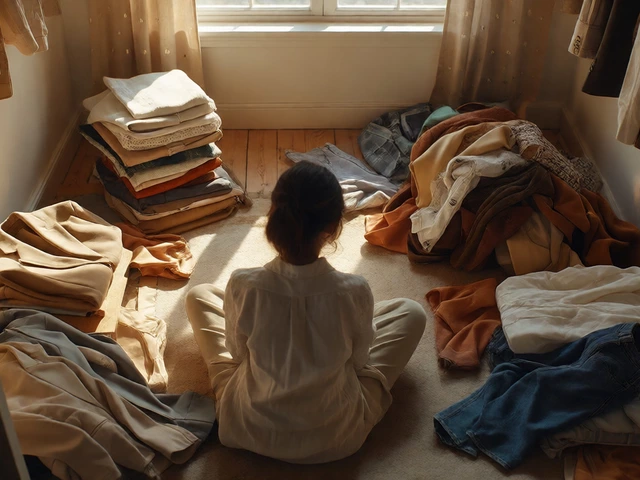
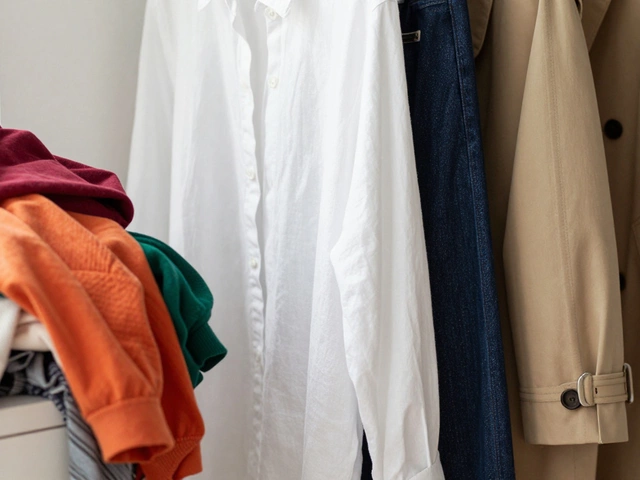
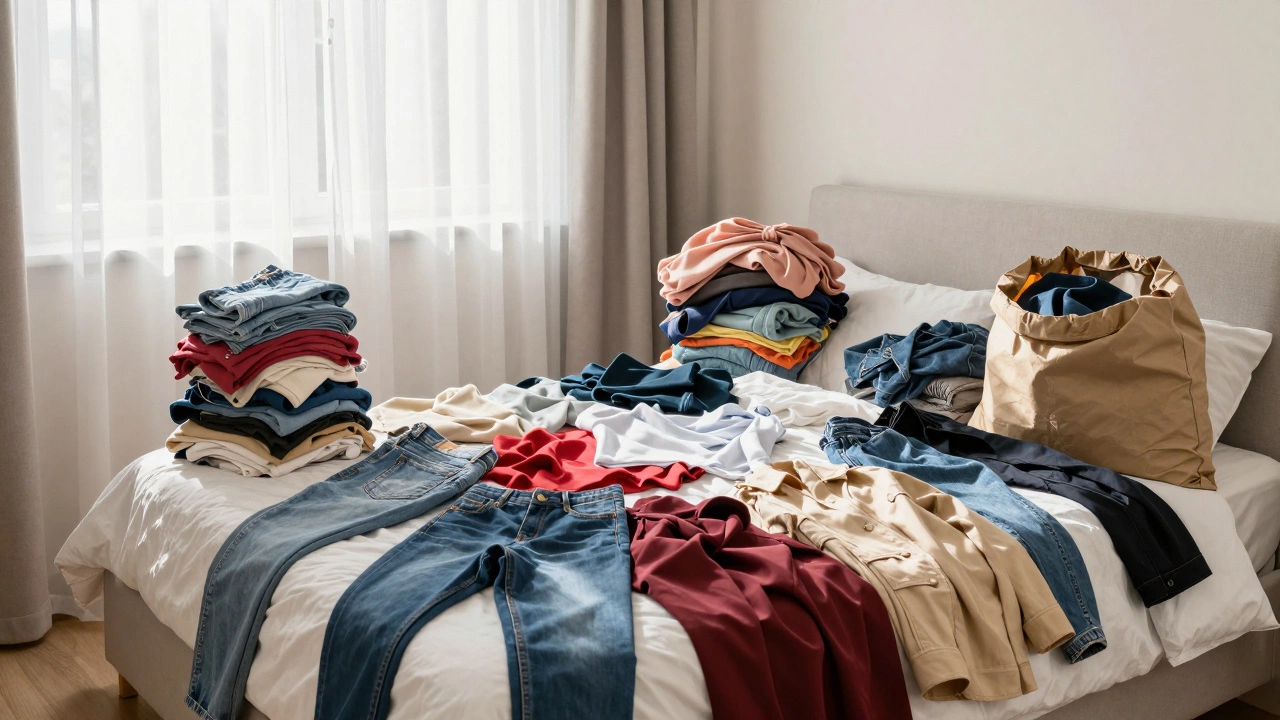
This step can feel emotional, but it is necessary. Empty your closet completely. Lay everything out on your bed or floor. Now, sort them into three piles: Love, Keep, and Donate/Sell.
The "Love" pile contains items you reach for automatically. Look closely at these pieces. What colors are they? What fabrics feel good on your skin? Do they fit well without adjustment? The "Keep" pile includes items that are functional but maybe boring. The third pile is for anything that does not fit, stains easily, or makes you feel uncomfortable. Be ruthless here. Holding onto clothes you never wear clutters your mind and your space. By analyzing what you already love, you uncover clues about your natural preferences.
Step 3: Identify Your Color Palette
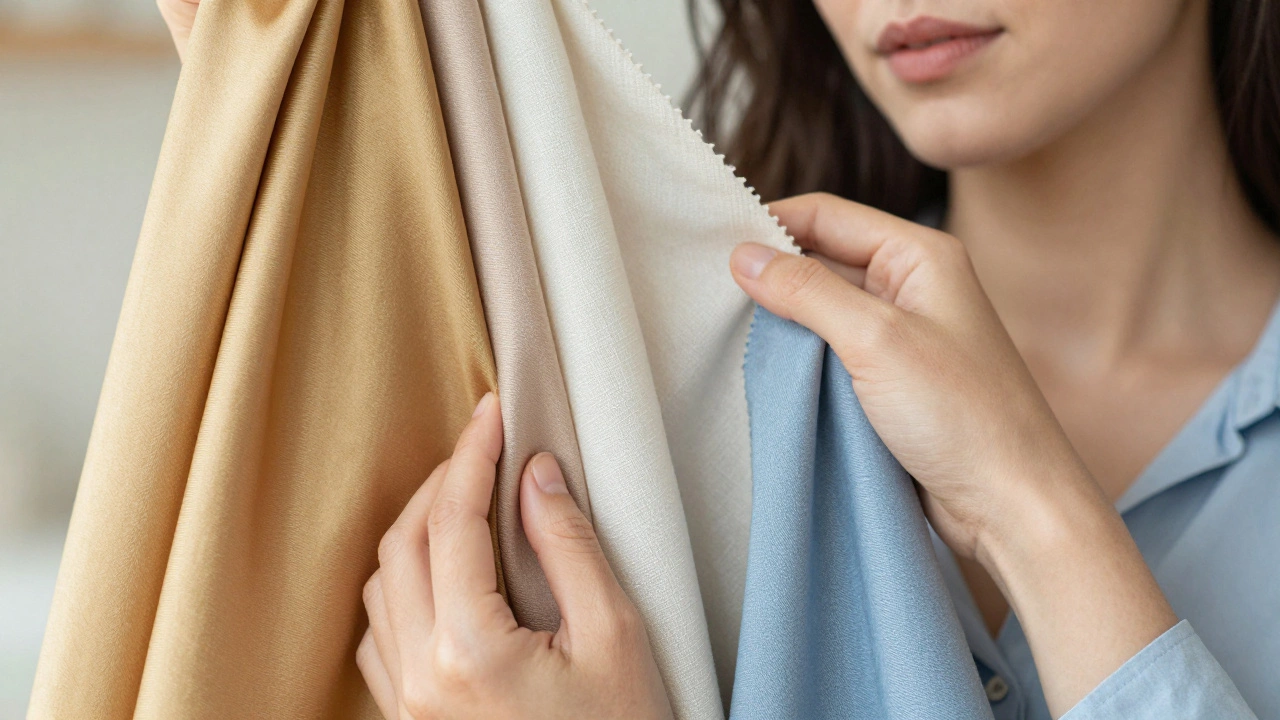
Colors affect how we perceive ourselves and how others perceive us. While professional color analysis exists, you can start with a simple test. Stand in natural light and hold different colored fabrics near your face. Notice which shades make your skin look bright and healthy, and which ones make you look tired or washed out.
Generally, there are two main undertones: warm and cool. Warm tones often include golds, oranges, and earthy greens. Cool tones feature blues, purples, and stark whites. If silver jewelry looks better on you than gold, you likely lean cool. If gold complements your skin more, you may be warm. Knowing this helps you choose shirts, dresses, and accessories that enhance your natural features rather than clash with them.
Step 4: Determine Your Body Shape Preferences
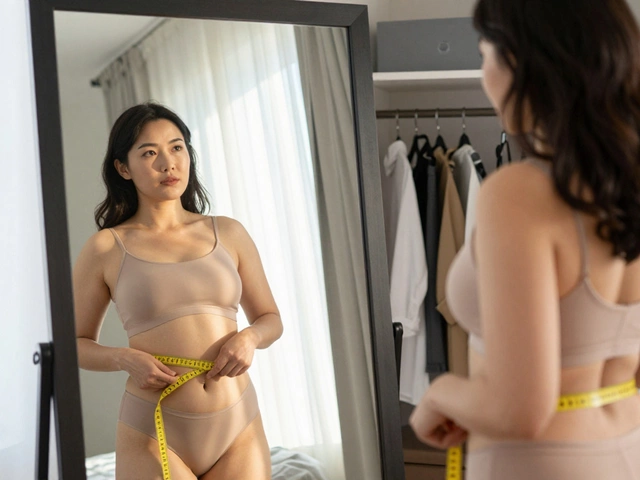
Fashion trends often dictate what fits certain body types, but your style should prioritize comfort and confidence. Instead of trying to hide your body, find silhouettes that celebrate it. Are you pear-shaped, apple-shaped, hourglass, or rectangular? There is no right answer, only what feels good to you.
Experiment with cuts. Do high-waisted trousers make you feel secure? Do wrap dresses flatter your waistline? Pay attention to how different necklines frame your face. V-necks often elongate the neck, while crew necks provide a classic, grounded look. The goal is not to conform to a standard ideal, but to find shapes that allow you to move freely and feel confident in your skin.
Step 5: Create a Mood Board
Visual inspiration is powerful. Use Pinterest, Instagram, or even a physical scrapbook to collect images of outfits you admire. Do not worry about whether you could afford the items or if they match your current size. Focus on the vibe.
Look for patterns in your collection. Are most images minimalist and monochrome? Or are they colorful and eclectic? Do you see lots of denim, or mostly silk and linen? After collecting twenty to thirty images, step back and analyze them. What connects them? Is it a specific color palette? A texture? A level of formality? This visual map serves as a reference point when you are shopping or planning outfits.
Step 6: Define Your Style Adjectives
Now, translate those visuals into words. Choose three to five adjectives that describe the person you want to be. Examples might include: "Effortless," "Professional," "Edgy," "Romantic," or "Practical."
These words become your filter for future purchases. Before buying a new jacket, ask yourself: "Does this jacket feel effortless? Does it look professional?" If the answer is no, put it back. Having clear adjectives prevents impulse buys and keeps your wardrobe cohesive. It turns vague desires into concrete criteria.
Step 7: Build a Capsule Foundation
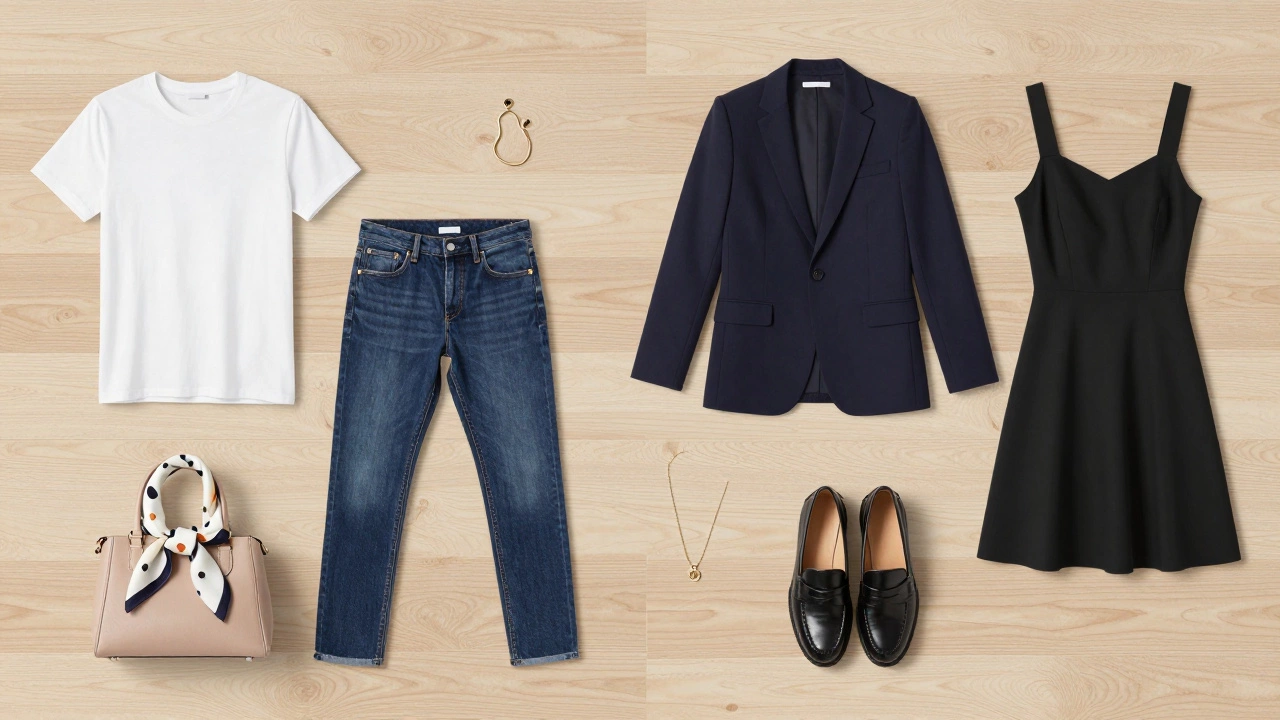
A capsule wardrobe consists of versatile, high-quality basics that mix and match easily. Think of these as the building blocks of your style. Essential items usually include a well-fitting pair of dark jeans, a white t-shirt, a neutral blazer, a little black dress (or equivalent), and comfortable loafers or sneakers.
Invest in quality for these staples because you will wear them constantly. Cheap basics fall apart quickly and lose their shape. When your foundation is strong, adding trendy pieces becomes easier. You can throw on a statement scarf or bold earrings over a simple base without looking disheveled. This approach saves time in the morning and reduces decision fatigue.
Step 8: Experiment with Accessories
Accessories are the easiest way to change an outfit without spending a fortune. A simple white tee and jeans can look totally different depending on whether you add a leather belt, a chunky necklace, or a wide-brimmed hat.
Start small. Try borrowing accessories from friends or renting them for a special occasion to see if you like the look. Jewelry, bags, and shoes define the tone of an outfit. If you want to appear more polished, add structured leather goods. If you want to seem more relaxed, opt for canvas totes and minimal jewelry. Accessories allow you to play with different facets of your personality daily.
Step 9: Shop Intentionally
With your mood board, adjectives, and capsule foundation in place, shopping becomes targeted. Avoid browsing aimlessly. Go into stores with a specific need. "I need a navy blazer that fits my shoulders perfectly" is a much better goal than "I need new clothes."
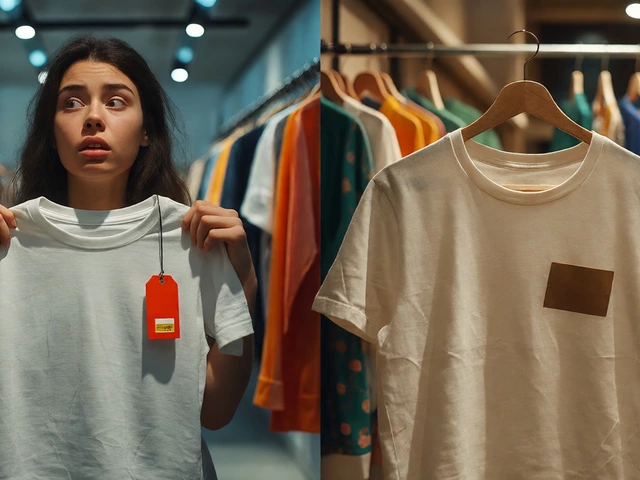
Check the return policy before you buy. Fit is paramount. If a garment requires major alterations, consider if the cost is worth it. Also, look at the care label. If you hate ironing, avoid cotton blends that wrinkle easily. Prioritize fabrics that suit your lifestyle-wrinkle-resistant materials for travel, breathable linens for summer, and durable wools for winter. Quality over quantity always wins in the long run.
Step 10: Refine and Evolve
Your style is not static. It will change as you age, change jobs, or experience new phases in life. Review your wardrobe every season. What worked last year might not fit your current reality. Remove items that no longer align with your style adjectives.
Stay open to new influences. Travel, art, and culture can shift your aesthetic. Maybe you discover a love for vintage prints after visiting a museum, or you appreciate sustainable fabrics after reading about environmental impact. Allow your style to grow. The key is consistency in the process, not rigidity in the outcome. Trust your instincts. You know what feels right.
| Approach | Focus | Best For |
|---|---|---|
| Trend-Driven | Current fashion cycles | Those who enjoy constant novelty |
| Capsule-Based | Versatility and basics | Busy professionals seeking simplicity |
| Personal Expression | Individuality and emotion | Artists and creatives |
How long does it take to find your personal style?
There is no set timeline. For some, it takes a few weeks of conscious effort; for others, it evolves over years. The key is consistent practice. Start with the audit and mood board today, and refine as you go. Patience is essential because style is deeply personal.
Can I have more than one style?
Absolutely. Most people have multiple styles depending on context. You might have a "work style," a "weekend style," and a "night out style." The goal is to ensure each context has a coherent look that makes you feel confident. You do not need to pick just one aesthetic for your entire life.
What if I don't like any of my old clothes?
This is a sign that your taste has changed. Do not force yourself to wear items that make you unhappy. Donate or sell them. Use this as an opportunity to rebuild your wardrobe from scratch using the steps outlined above. Starting fresh can be liberating.
Is it expensive to find your style?
Not necessarily. Finding your style is about curation, not consumption. You can shop second-hand, swap with friends, or focus on accessorizing existing pieces. Investing in a few high-quality basics is smarter than buying many cheap items that do not fit your vision. Thrift stores are excellent for experimenting with unique pieces at low cost.
How do I deal with peer pressure regarding fashion?
Remember that style is personal expression, not a competition. Wear what makes you feel confident and authentic. If others comment, politely explain that you prioritize comfort and personal preference. True style comes from within, not from external validation. Surround yourself with supportive people who respect your choices.