Body Shape & Style Guide
Step 1: Identify Your Silhouette
Based on your measurements (Bust, Waist, Hips) and visual check in a mirror, which description matches you best?
Hourglass
Balanced bust/hips with a defined waist.
Pear
Hips wider than bust; narrow shoulders.
Apple
Weight carried in midsection; less defined waist.
Rectangle
Straight torso; similar bust/waist/hip measurements.
Inverted Tri.
Broad shoulders/bust; narrower hips.
Inverted Tri.
Broad shoulders/bust; narrower hips.
Style Tips for [Shape]
✔ Wear This:
✘ Avoid This:
Ever stood in front of your closet, surrounded by clothes you love, only to feel like none of them actually *fit*? You’re not alone. The fashion industry loves to sell us complicated rules about body types, but the truth is simpler-and far more forgiving. Knowing your body shape isn’t about boxing yourself into a rigid category; it’s about understanding how fabric interacts with your unique proportions so you can dress with confidence every single day.
We’ve all been there: buying a trendy top that looks amazing on the hanger but does something weird to our silhouette once it’s on. Or worse, following advice meant for someone who looks nothing like us. This guide cuts through the noise. We’ll walk you through identifying your natural lines, finding styles that enhance rather than hide, and building a wardrobe that feels authentically yours. No strict diets, no unrealistic standards-just practical, wearable fashion logic.
The Myth of the Perfect Body Shape
Before we grab measuring tapes, let’s bust a major myth: body shapes are fluid. They change with age, weight fluctuations, muscle gain, and even posture. The classic categories you see online-hourglass, pear, apple, rectangle, inverted triangle-are useful starting points, but they aren’t law. Think of them as general guidelines, not final verdicts.
Your goal isn’t to “fix” your shape but to work with it. Fashion historian Valerie Steele noted that style has always been about exaggerating or softening certain features based on cultural trends. Today, the trend is authenticity. Instead of trying to look like an hourglass if you’re naturally rectangular, embrace the clean lines and versatility your frame offers. Confidence comes from alignment between your self-image and what you wear.
Step-by-Step: How to Identify Your Body Shape
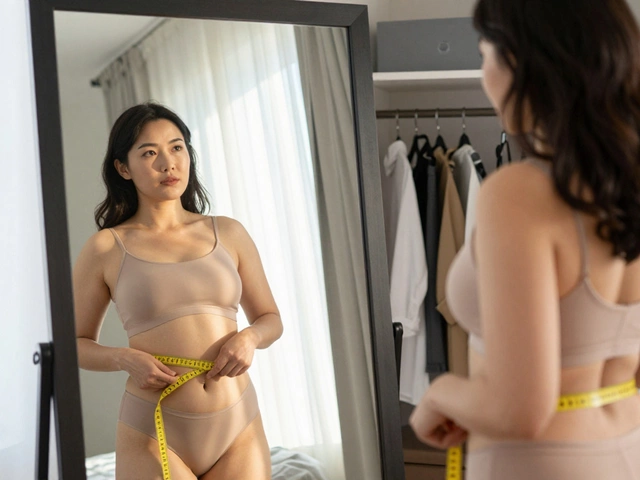
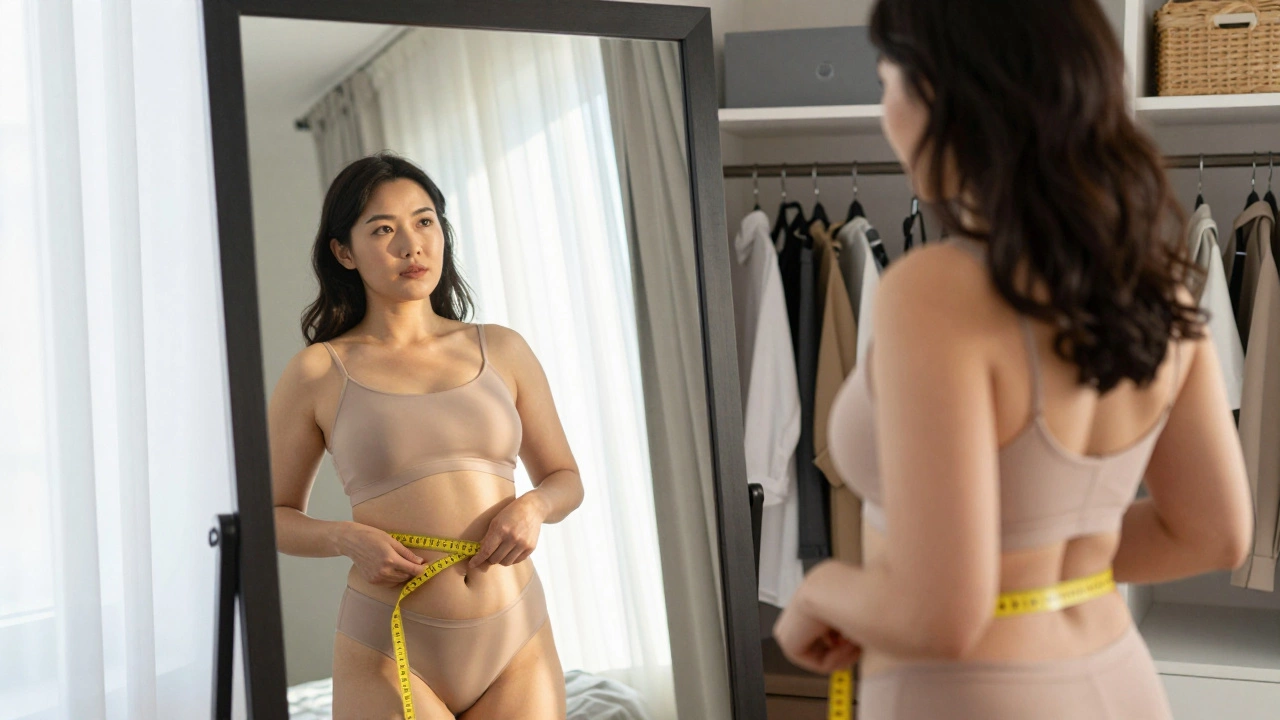
Finding your shape requires a bit of honesty and a mirror. Here’s the simplest method that actually works:
- Gather your tools: A soft measuring tape (or a piece of string and a ruler), a mirror, and form-fitting underwear or leggings. Avoid bulky layers.
- Measure key areas:
- Bust: Measure around the fullest part of your chest, keeping the tape parallel to the floor.
- Waist: Measure at the narrowest point of your torso, usually just above the belly button. If you don’t have a defined waistline, measure midway between your lowest rib and hip bone.
- Hips: Measure around the fullest part of your hips and buttocks.
- Analyze the ratios: Compare the three numbers. Are they similar? Is one significantly larger? Does your shoulder width match your hips?
- Check your silhouette: Stand sideways in the mirror. Do you curve inward at the waist? Are your shoulders wider than your hips? Is your midsection straighter?
Here’s a quick reference based on common patterns:
| Shape | Bust vs. Hips | Waist Definition | Shoulders |
|---|---|---|---|
| Hourglass | Balanced | Clearly defined | Match hips |
| Pear (Triangle) | Hips > Bust | Defined | Narrower than hips |
| Apple (Round) | Bust/Hips similar | Less defined | Broad or average |
| Rectangle | Balanced | Straight | Match hips |
| Inverted Triangle | Bust > Hips | Varies | Broadest feature |
Remember: many people fall between categories. You might be a "soft rectangle" or a "balanced pear." That’s perfectly fine. Use these labels as descriptive tools, not identities.
Style Principles for Each Silhouette
Once you know your general shape, you can start making intentional choices. The goal is balance-creating visual harmony by drawing attention to assets and softening areas you prefer to downplay.
If You Have an Hourglass Figure
Your waist is your star. Choose fitted dresses, belted coats, and high-waisted pants that follow your curves without squeezing. Avoid boxy, shapeless tops that hide your definition. Wrap dresses and V-necks are your best friends here.
If You Have a Pear Shape
You want to add volume to your upper body while keeping your lower half streamlined. Try off-the-shoulder tops, bold necklaces, and structured blazers. For bottoms, opt for dark washes, A-line skirts, and straight-leg jeans. Avoid excessive detailing on hips, like large pockets or bright patterns.
If You Have an Apple Shape
Create vertical lines to elongate your torso. V-necklines, open cardigans, and empire waists work well. High-waisted, wide-leg trousers can smooth the midsection while highlighting your legs. Avoid tight bands across the stomach or stiff fabrics that cling.
If You Have a Rectangle Shape
You have a versatile canvas! Create the illusion of curves with peplum tops, ruffles, and layered necklaces. Belted jackets and wrap styles add definition. Experiment with textures-think leather skirts or pleated trousers-to add dimension.
If You Have an Inverted Triangle Shape
Balance broad shoulders with volume below. Wide-leg pants, flared jeans, and full skirts add weight to your lower half. Keep tops simple and sleek-avoid puff sleeves or heavy embellishments. V-necks and scoop necks soften the shoulder line.
Building Your Personal Style Beyond Body Type
Body shape tells you what fits; personal style tells you who you are. These two concepts often get tangled, but they serve different purposes. A great outfit respects your proportions while reflecting your personality, lifestyle, and values.
Start by asking yourself:
- What colors make me feel energized?
- Do I prefer minimalist or maximalist aesthetics?
- What occasions do I dress for most often? (Work, casual weekends, formal events?)
- Which pieces in my current wardrobe do I reach for repeatedly?
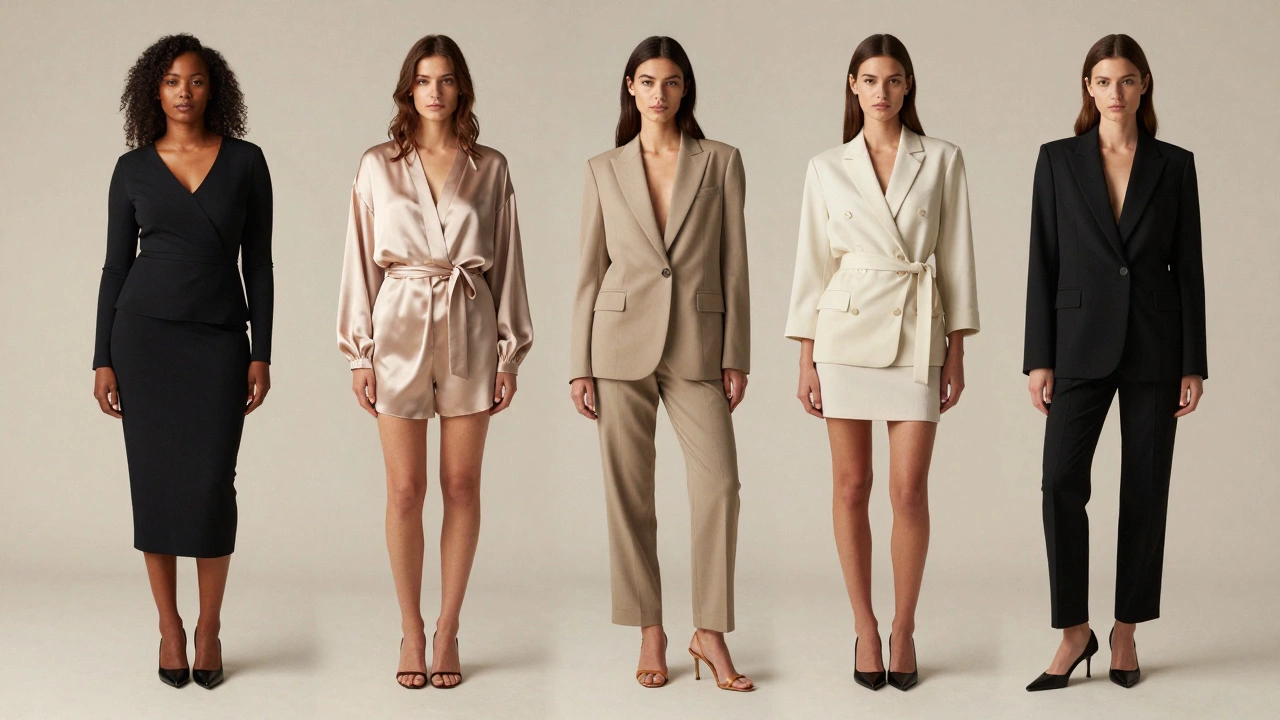
Personal stylist Courtney Carver suggests creating a "uniform"-a set of go-to combinations that require zero decision-making energy. Maybe it’s tailored trousers, a silk blouse, and ankle boots. Or maybe it’s a black turtleneck, straight jeans, and sneakers. Consistency breeds confidence.
Also consider your lifestyle. If you’re active, prioritize breathable fabrics and stretch. If you work in a creative field, play with texture and pattern. If you value sustainability, invest in timeless staples over fast-fashion trends. Style isn’t just about looking good-it’s about living comfortably in your clothes.
Common Mistakes to Avoid
Even with the right knowledge, pitfalls exist. Here’s what to watch out for:
- Ignoring fit: A size 8 in one brand may be a 10 in another. Always try before you buy, or check return policies carefully.
- Following trends blindly: Not every trend suits every body. Ask: "Does this highlight what I love about myself?" If not, skip it.
- Overcomplicating outfits: Less is often more. One statement piece per outfit keeps things balanced.
- Forgetting tailoring: A $50 shirt altered to fit perfectly looks better than a $500 designer piece that doesn’t.
Another subtle error is dressing for your insecurities instead of your strengths. If you dislike your arms, wearing long sleeves everywhere might hide them-but it also hides your confidence. Try lightweight fabrics or strategic layering instead. Visibility builds acceptance.
Seasonal Adjustments and Fabric Choices
Fabric matters as much as cut. Heavy wools can add bulk; light linens drape softly. In summer, choose breathable cottons and silks that skim rather than stick. In winter, layer strategically-thin merino wool under a coat adds warmth without thickness.
Color theory also plays a role. Cool tones (blues, purples) complement cool skin undertones; warm tones (oranges, yellows) suit warm undertones. Test this by holding silver and gold jewelry near your face in natural light. Whichever makes your skin glow is likely your match.
When to Seek Professional Help
If you’re still unsure, consider hiring a personal stylist for a session. Many offer virtual consultations now, which can save time and money. Look for professionals certified by organizations like the Association of Image Consultants International (AICI). They provide objective feedback and help you build a capsule wardrobe tailored to your life.
Alternatively, visit a department store fitting room with a friend. Ask honest questions: "Does this jacket make me look broader?" "Do these pants shorten my legs?" External perspectives can reveal blind spots.
Final Thoughts: Dressing for Yourself
Fashion should empower, not restrict. Your body shape is just one piece of the puzzle. Combine it with your personal taste, daily needs, and comfort preferences to create a style that feels effortless. Over time, you’ll develop an intuitive sense of what works-and that’s when dressing becomes fun again.
So next time you shop, pause. Ask: "Does this fit my body? Does it reflect my style? Will I wear this regularly?" Answer yes to all three, and you’ve found a winner.
How accurate are online body shape quizzes?
Online quizzes can give you a rough idea, but they lack precision. Measuring yourself provides concrete data. Use quizzes as inspiration, not definitive answers.
Can my body shape change over time?
Yes. Weight changes, pregnancy, aging, and exercise alter your proportions. Reassess your measurements every few years or after significant life changes.
What if I don’t fit neatly into one category?
Most people are hybrids. Focus on your dominant features. For example, if you’re mostly rectangular with slight hip width, lean into rectangle styling with occasional pear-friendly elements.
Is tailoring really worth the cost?
Absolutely. Tailoring transforms off-the-rack items into custom-fit pieces. Hemming pants, taking in waists, and adjusting sleeve lengths are affordable ways to elevate any outfit.
How do I find my personal style if I’m stuck?
Start a Pinterest board or Instagram collection. Save images that attract you-not because they’re trendy, but because they resonate. Patterns will emerge, revealing your aesthetic preferences.