Skin-Type Makeup Matcher
Not sure which brand suits you? Select your primary skin concern below to see recommended ingredients, finishes, and top-rated brands from our 2026 analysis.
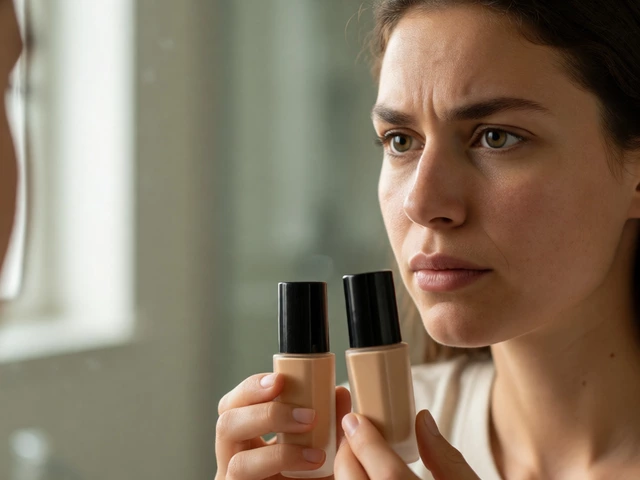
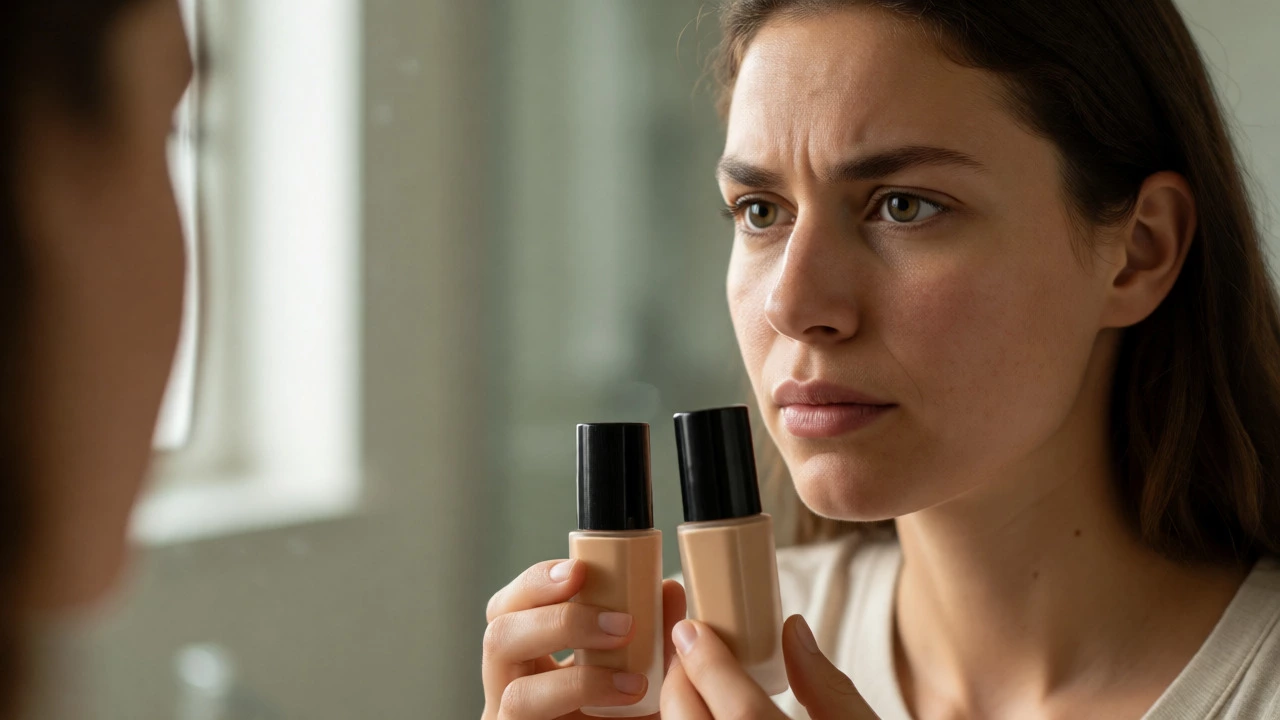
You’ve probably stood in front of a mirror at 7 AM, holding two identical-looking foundations, wondering why one makes your face glow and the other makes you look like you’re melting. It’s not just about color match; it’s about chemistry. In 2026, the line between skincare and makeup has vanished. The best makeup brands are no longer just covering imperfections-they’re treating them. If you have oily T-zones, dry patches, or sensitive cheeks, picking the wrong brand isn’t just an aesthetic fail; it’s a dermatological risk.
This guide cuts through the marketing noise. We aren’t listing every brand that pays for Instagram ads. Instead, we’re looking at formulations that respect your skin barrier. Whether you’re dealing with adult acne, hormonal breakouts, or just want to avoid clogged pores, here is how to choose makeup that actually helps your skin.
Understanding Your Skin Needs Before You Buy
Before you swipe your credit card, you need to diagnose what your skin is asking for. Most people misclassify their skin type. Is your face shiny because it’s oily, or is it producing excess sebum because it’s dehydrated? This distinction changes everything.
- Oily/Acne-Prone: You need non-comedogenic formulas (won’t clog pores) and oil-free bases. Look for ingredients like niacinamide or salicylic acid infused in the makeup.
- Dry/Mature: You need hydration. Matte finishes often settle into fine lines. Seek out dewy finishes with hyaluronic acid, squalane, or ceramides.
- Sensitive/Rosacea: Fragrance-free is non-negotiable. Mineral-based powders are usually safer than liquid synthetics because they sit on top of the skin rather than absorbing into it.
- Combination: The trickiest category. You likely need a hybrid approach-matte primers for the nose, hydrating serums under the cheeks.
A common mistake is buying a "clean" brand assuming it’s safe for everyone. Clean beauty often relies on plant extracts that can be highly allergenic for sensitive skin. Always patch-test new products behind your ear for 48 hours before applying them to your face.
The Heavy Hitters: Dermatologist-Recommended Classics
Some brands have survived decades because they prioritize safety over trendiness. These are the workhorses of the industry, often recommended by dermatologists for patients with compromised skin barriers.
| Brand | Best For | Key Ingredient | Finish | Price Range |
|---|---|---|---|---|
| La Roche-Posay | Acne-prone & Sensitive | Niacinamide, Thermal Water | Natural/Matte | $$$ |
| Clinique | Allergy Testing | Hyaluronic Acid | Radiant | $$ |
| BareMinerals | Sensitive & Post-Procedure | Zinc Oxide, Titanium Dioxide | Soft Matte | $$ |
La Roche-Posay’s Toleriane Teint is a standout for those with reactive skin. It uses thermal spring water, which is clinically proven to soothe irritation. Unlike many drugstore options, it doesn’t rely on heavy silicones that can trap heat and bacteria against the skin. It provides light-to-medium coverage but feels like nothing on the face.
If you have severe allergies, Clinique remains the gold standard for its three-step allergy testing process. Their Even Better Clinical Serum Foundation blends skincare actives directly into the pigment. It’s expensive, but if you’ve ever had a rash from cheap foundation, you know the value of consistency. Note that while Clinique is fragrance-free, some individuals still react to specific preservatives, so check the ingredient list for parabens if you are avoiding them.
Clean Beauty That Actually Works
The term "clean beauty" is unregulated chaos. One brand’s "clean" is another’s nightmare of essential oils. However, a few brands have cracked the code by using bio-compatible ingredients that mimic the skin’s natural lipids. These brands are ideal if you want to avoid synthetic dyes and petroleum derivatives.
Ilia Beauty has become a favorite for minimalists. Their Super Serum Skin Tint SPF 40 is essentially skincare with a hint of color. It contains squalane and niacinamide, meaning you’re getting anti-inflammatory benefits while wearing it. The coverage is sheer, so if you need to hide a cystic breakout, you’ll need a separate concealer. But for daily wear? It’s unbeatable for maintaining a healthy barrier.
Another strong contender is Tower 28. Founded by makeup artist Amy Liu, this brand was built specifically for sensitive skin. Their SOS Daily Rescue Facial Spray is cult-favorite, but their MakeWet Lip Oil and Cream Blushes are formulated without fragrances or drying alcohols. They use aloe vera and glycerin as base carriers, ensuring the product doesn’t strip your skin. If you struggle with redness, Tower 28’s calming properties are worth the premium price tag.
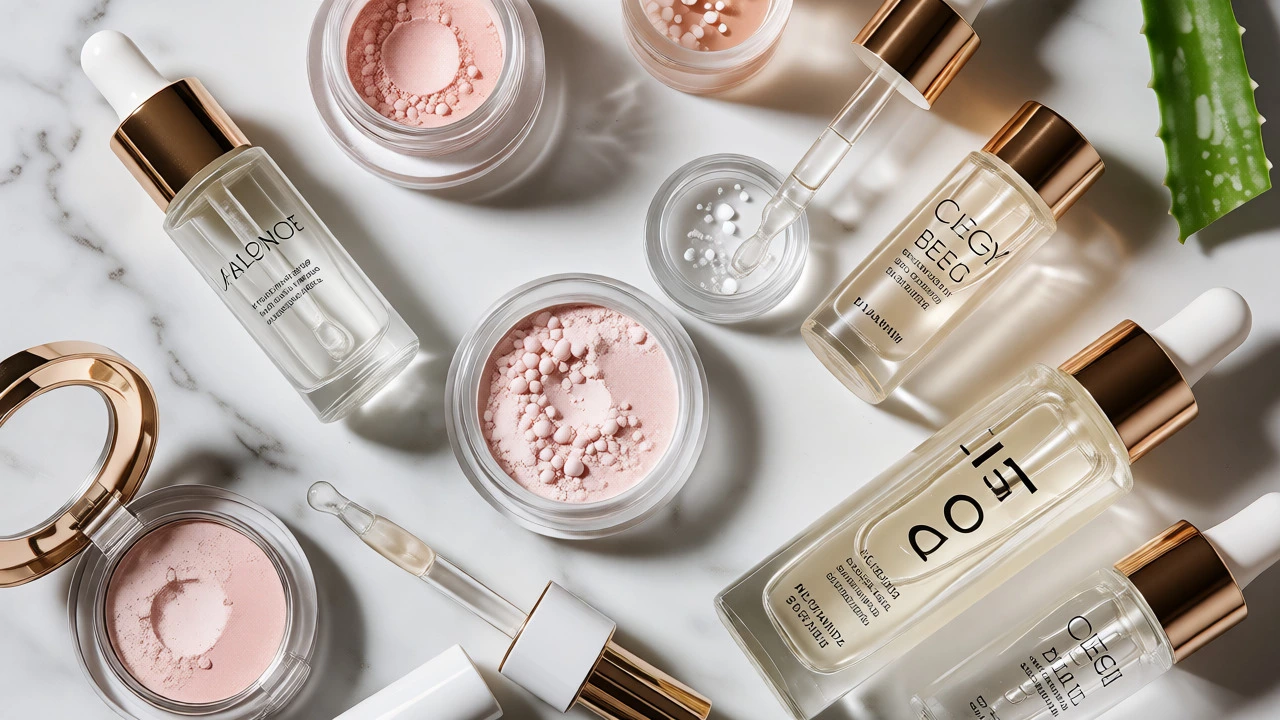
Luxury Formulations: When Price Equals Performance
Does luxury makeup actually perform better? Often, yes-but not always for the reasons you think. High-end brands invest heavily in micronization technology, which grinds pigments into finer particles. This allows for higher coverage with less product, reducing the layering that often leads to cakey texture and clogged pores.
Chanel Les Beiges Healthy Glow is a prime example. The gel-powder hybrid format adapts to your skin’s temperature. For dry skin types, this is magic because it doesn’t cling to dry patches. It includes sunflower seed wax and vitamin E, providing antioxidant protection throughout the day. It’s pricey, but a little goes a long way, making the cost-per-wear comparable to mid-range brands.
For those who prefer high-coverage luxury, Armani Luminous Silk is legendary for a reason. Despite being a full-coverage foundation, it contains glycerin and pro-hyaluronic agents. It doesn’t oxidize (turn orange) after a few hours, a common flaw in cheaper foundations. If you have combination skin, this formula balances oil control and hydration remarkably well. Just ensure you prep your skin properly; even the best foundation will fail on unexfoliated, dead-skin-covered cheeks.
Budget-Friendly Gems That Don’t Compromise
You don’t need to spend $50+ to protect your skin. Several drugstore brands have upgraded their formulations significantly in recent years, focusing on non-comedogenic claims and skin-loving additives.
e.l.f. Cosmetics has transformed its reputation. Their Halo Glow Liquid Filter is packed with squalane and vitamin E. While marketed as a primer/highlighter, many use it as a lightweight tinted moisturizer. It’s affordable ($14-$16 range), widely available, and generally safe for most skin types. However, e.l.f. does use some fragrance in certain products, so always double-check the label if you have rosacea.
Maybelline Fit Me Matte + Poreless remains a staple for oily skin. It’s been reformulated to include clay minerals that absorb excess sebum without drying out the skin excessively. It’s not "clean" in the strictest sense, but it’s effective and accessible. For those on a tight budget, this is the most reliable option for all-day wear without breaking out, provided you remove it thoroughly at night.
How to Test Brands Without Wasting Money
Buying online is risky when it comes to skin compatibility. Here is a practical framework to test new brands:
- The Patch Test: Apply a small amount behind your ear or on your inner arm. Wait 24-48 hours. No redness or itching? Proceed.
- The Jawline Check: Never test foundation on your hand. The skin tone and texture differ too much. Swipe along your jawline in natural daylight.
- The Wear Test: Wear the product for a full day. Does it slide off? Does it settle into wrinkles? Does your skin feel tight or greasy after 6 hours?
- The Night Check: Remove the makeup completely. Check for new bumps or blackheads the next morning. Delayed reactions are common with comedogenic ingredients.
Remember, your skin changes with seasons, hormones, and stress. A brand that worked perfectly in July might cause breakouts in November. Keep a simple routine and rotate products cautiously. Introduce one new product at a time so you can pinpoint any irritants.
Frequently Asked Questions
What does "non-comedogenic" really mean?
Non-comedogenic means the product is formulated with ingredients unlikely to clog pores. However, this term is not strictly regulated by the FDA. It is a guideline, not a guarantee. People with very acne-prone skin should still look for specific ingredients like mineral oils or lanolin, which are known pore-cloggers for some, regardless of the "non-comedogenic" label.
Is mineral makeup better for sensitive skin?
Generally, yes. Mineral makeup typically consists of zinc oxide and titanium dioxide, which are inert and soothing. They sit on top of the skin rather than penetrating it, reducing the risk of allergic reactions. However, some mineral powders can be drying, so ensure you moisturize well underneath if you have dry skin.
Can I use skincare-infused makeup instead of my regular moisturizer?
It depends on your skin type. For oily skin, a serum-foundation hybrid might replace both moisturizer and primer. For dry skin, these products often lack sufficient occlusive properties to lock in moisture. It is usually safer to apply your dedicated moisturizer first, let it absorb, and then apply makeup. Think of makeup as the final layer, not the treatment step.
Why does my expensive foundation make me break out?
Expensive does not equal hypoallergenic. Luxury brands often use complex botanical extracts, essential oils, or specific emulsifiers for texture and scent that can trigger sensitivities. Additionally, if you are not cleaning your brushes regularly, bacteria buildup can cause breakouts regardless of the product quality.
How do I find my undertone to choose the right brand shade?
Look at the veins on your wrist. Blue/purple veins indicate cool undertones; green veins indicate warm undertones; a mix indicates neutral. Many brands, such as Fenty Beauty and NARS, offer extensive shade ranges with clear undertone labeling (Cool, Neutral, Warm). Always test in natural light, as store lighting can distort colors significantly.