Hydration Lock Simulator
Build Your Routine
Click the steps below in order to simulate your skincare application.
Humectant: Pulls moisture into skin
Occlusive/Emollient: Seals moisture in
Skin Status Monitor
Ready to start...
Did you know?
Hyaluronic Acid is a humectant. It grabs water but cannot stop it from evaporating without an occlusive layer (moisturizer).
You’ve probably seen the hype. Hyaluronic acid is a naturally occurring molecule in your skin that holds up to 1,000 times its weight in water. It’s everywhere now-serums, creams, sheet masks. But here’s the question burning a hole in many skincare routines: if you’re already slathering on this hydration powerhouse, do you really need a separate moisturizer? Can you just skip it?
The short answer? No. Not unless you want your skin to feel tight and look dull by noon.
It sounds counterintuitive. Hyaluronic acid (HA) is famous for pulling moisture into your skin. So why isn’t that enough? To understand why skipping the final step of your routine might backfire, we have to look at how HA actually works-and what it *doesn’t* do.
The Difference Between Humectants and Occlusives
Think of your skincare routine like building a house. Hyaluronic acid is the plumber. It brings water into the system. But a house with pipes full of water but no walls or roof will eventually leak or freeze. That’s where moisturizers come in. Specifically, the ingredients inside them called occlusives and emollients.
In skincare science, we group ingredients by function:
- Humectants: These pull water from the environment or deeper layers of your skin into the outer layer (stratum corneum). Hyaluronic acid, glycerin, and aloe vera are humectants.
- Emollients: These fill in the cracks between skin cells, making your skin feel smooth and soft. Think oils, fatty acids, and squalane.
- Occlusives: These sit on top of your skin like a plastic wrap, preventing water from evaporating. Petrolatum, shea butter, and dimethicone are common occlusives.
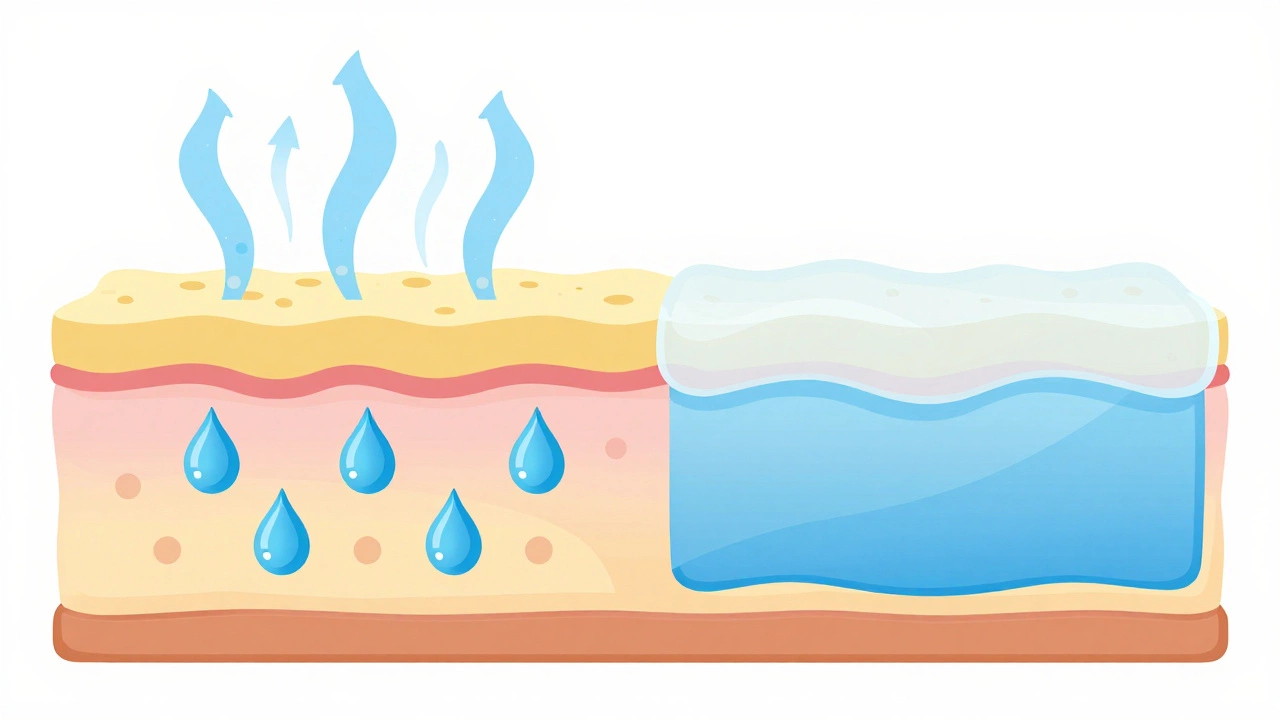
When you apply hyaluronic acid serum, you are adding water to your skin. But without an occlusive layer on top, that water has nowhere to go but out. This process is called transepidermal water loss (TEWL). If you live in a dry climate, use air conditioning, or simply sleep in a room with low humidity, your skin will literally suck the moisture right back out through evaporation. You end up drier than when you started.
Why Hyaluronic Acid Alone Isn't Enough
Let’s get specific about the mechanics. Hyaluronic acid molecules vary in size. Most serums contain low-molecular-weight HA, which penetrates deeper, and high-molecular-weight HA, which sits on the surface. Both are great at binding water. However, they do not create a barrier.
Imagine pouring a glass of water onto a sponge. The sponge soaks it up. Now leave that sponge out in the sun. What happens? It dries out. Your skin is the sponge. Hyaluronic acid is the water. The moisturizer is the cover you put over the sponge to keep it damp.
If you skip the moisturizer, you risk two main problems:
- Dehydration rebound: As the HA-bound water evaporates, it can drag natural moisture from your skin cells with it, leading to dehydration.
- Compromised skin barrier: A healthy skin barrier relies on lipids (fats) to hold everything together. HA provides hydration, but it does not provide lipids. Without a moisturizer containing ceramides, cholesterol, or fatty acids, your barrier remains weak and prone to irritation.
Who Might Actually Get Away With Skipping It?
Are there exceptions? Yes, but they are rare. You might be able to skip a heavy cream if you fall into one of these categories:
- Oily, acne-prone skin in humid climates: If you live in a tropical area with high humidity, the air itself acts as a reservoir for your hyaluronic acid. Your skin may not lose much water because the environment is saturated. In this case, a lightweight gel-cream or even just a non-comedogenic oil might suffice instead of a traditional thick moisturizer.
- Using a rich HA-infused cream: Some products market themselves as "moisturizing serums" or "hydrating creams." Check the ingredient list. If the product contains both hyaluronic acid AND occlusives (like petrolatum, beeswax, or heavy silicones), then yes, you are getting both steps in one. You don’t need another layer.
For everyone else-especially those with dry, combination, or mature skin-skipping the dedicated moisturizer is a mistake.
How to Layer Them Correctly
Getting the order wrong is just as bad as skipping a step. Many people apply their moisturizer first, then the serum. This traps the HA on the surface where it can’t penetrate effectively, or worse, it blocks the HA from doing its job entirely.
Follow this simple rule: Thinnest to thickest.
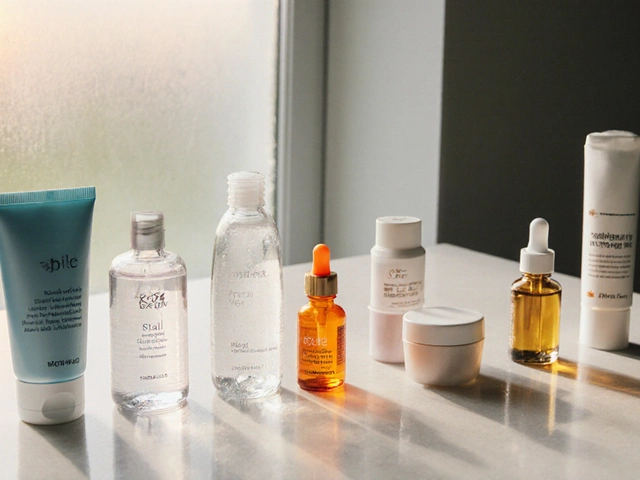
| Step | Product Type | Purpose |
|---|---|---|
| 1 | Cleanser | Remove dirt and oil |
| 2 | Toner/Essence | Balance pH, prep skin |
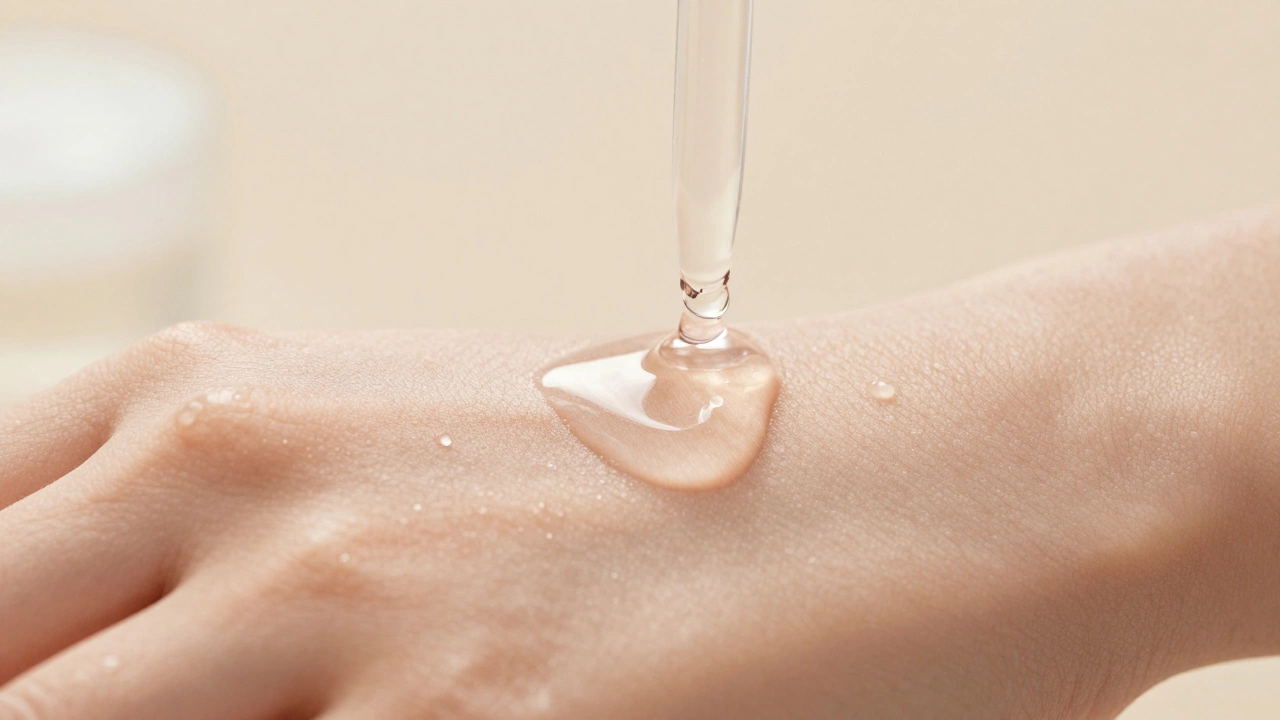
| 3 | Hyaluronic Acid Serum | Add hydration (apply to damp skin) |
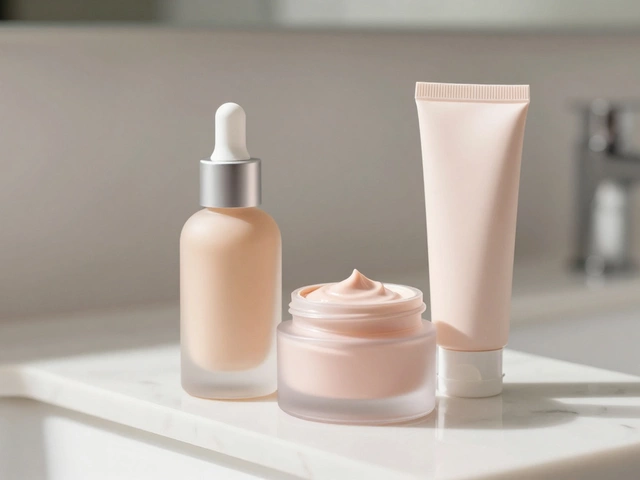
| 4 | Moisturizer | Seal in hydration, repair barrier |
| 5 | Sunscreen (AM only) | Protect from UV damage |
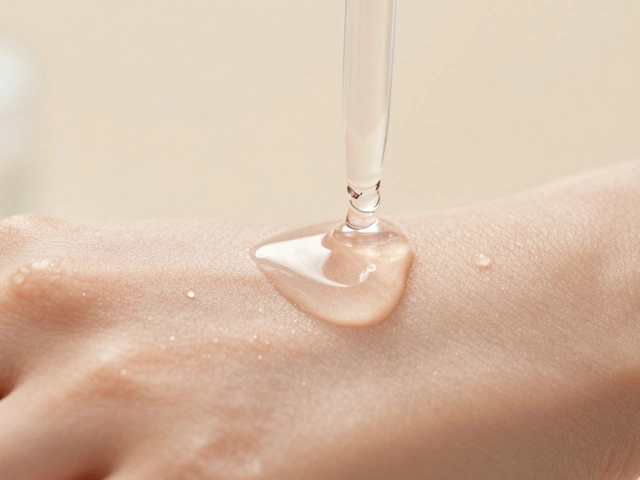
A pro tip: Apply your hyaluronic acid to slightly damp skin. Since HA pulls water from wherever it can find it, applying it to wet skin ensures it grabs water from your face rather than trying to pull it from deeper, living layers of your dermis. Then, immediately follow with your moisturizer while the serum is still tacky. This locks the water in place.
Common Mistakes to Avoid
Even when using both products, people make errors that negate the benefits.
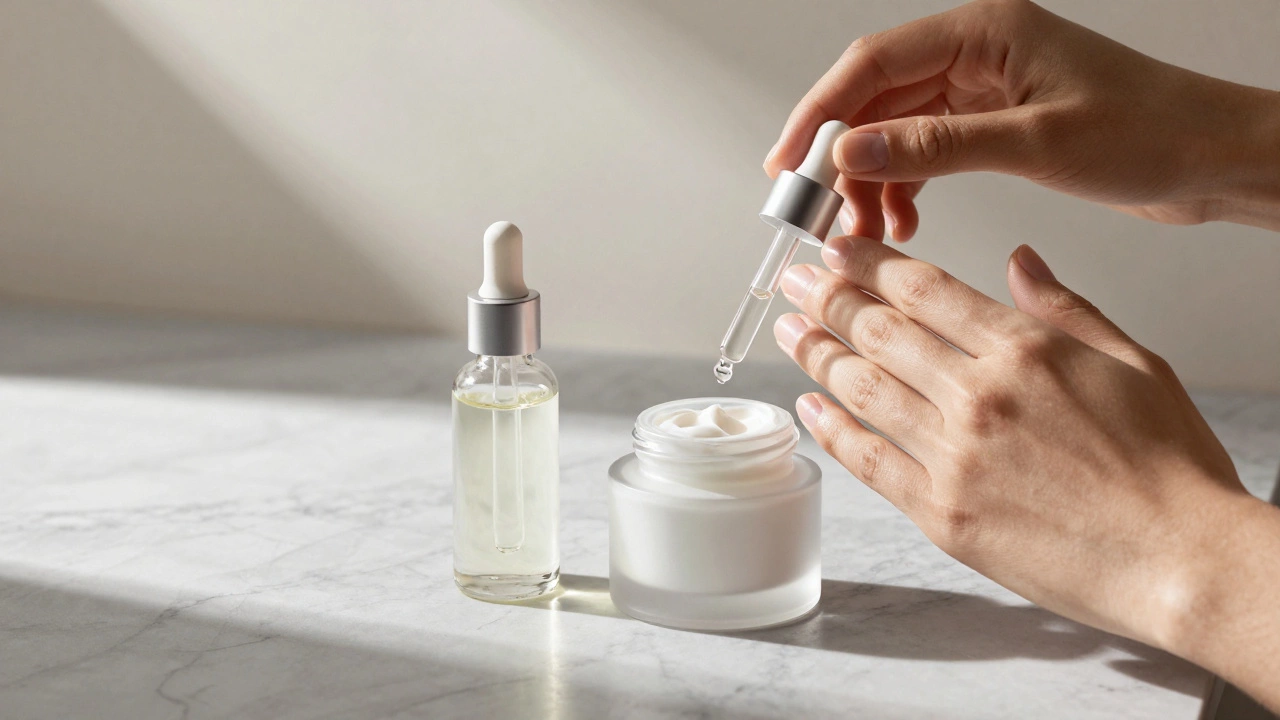
- Using too much HA: A little goes a long way. Two to three drops are usually enough for your entire face. Excess product can pill (roll up into little balls) under makeup or feel sticky.
- Ignoring the neck: Don’t stop at your jawline. The skin on your neck is thinner and loses elasticity faster. Extend your HA and moisturizer down to your collarbones.
- Mixing incompatible actives: While HA is gentle, pairing it with strong exfoliants (like high-percentage AHAs/BHAs) without a buffering moisturizer can lead to irritation. Always listen to your skin. If it stings, scale back.
What If You Have Sensitive Skin?
If you have rosacea, eczema, or general sensitivity, the interaction between HA and your barrier is even more critical. Damaged barriers lose water rapidly. For you, the moisturizer isn’t optional; it’s medicinal.
Look for moisturizers containing ceramides and niacinamide. Ceramides mimic the natural fats in your skin, rebuilding the wall. Niacinamide helps calm inflammation and supports barrier function. When you pair these with hyaluronic acid, you’re attacking dryness from both angles: hydrating the inside and fortifying the outside.
Avoid moisturizers with heavy fragrances or alcohol denat., which can strip the very moisture you’re trying to lock in. Stick to simple, fragrance-free formulas labeled "barrier repair" or "for sensitive skin."
Final Verdict: Do You Need Both?
Yes. Hyaluronic acid is a hydrator, not a moisturizer. It adds water, but it doesn’t keep it there. Moisturizer creates the seal. Without it, your investment in high-quality serums evaporates before it can work.
Think of it this way: You wouldn’t drink a glass of water and then stand in front of a fan expecting to stay hydrated. You’d wear a jacket. In skincare, your moisturizer is that jacket. Keep both in your routine, layer them correctly, and watch your skin transform from parched to plump.
Can I mix hyaluronic acid and moisturizer together?
You can, but it’s not ideal. Mixing them in your palm can dilute the concentration of the active ingredients and alter the pH balance intended by the manufacturer. For best results, apply the hyaluronic acid serum first, let it absorb for 30-60 seconds, and then apply your moisturizer on top. This ensures each product performs its specific function effectively.
Does hyaluronic acid cause breakouts?
Pure hyaluronic acid is non-comedogenic, meaning it doesn’t clog pores. However, some serums contain other ingredients like preservatives, fragrances, or thickening agents that might trigger acne in sensitive individuals. If you notice breakouts after starting an HA serum, check the full ingredient list or try a different brand with a simpler formula.
Should I use hyaluronic acid in the morning or night?
You can use it both times. In the morning, it helps prep your skin for sunscreen and makeup, reducing pilling. At night, it aids in overnight repair and hydration. Consistency is key. Just remember to always seal it with a moisturizer, and sunscreen during the day.
Is hyaluronic acid good for oily skin?
Absolutely. Oily skin often produces excess sebum because it’s dehydrated. By providing lightweight hydration with hyaluronic acid, you signal to your skin that it doesn’t need to overproduce oil. Follow with a gel-based or oil-free moisturizer to maintain balance without feeling heavy.
How long does it take to see results from hyaluronic acid?
Hydration effects are immediate. You should feel your skin softer and look plumper right after application. However, long-term benefits like improved elasticity and reduced fine lines due to better barrier health typically take 4 to 6 weeks of consistent use alongside a proper moisturizer.