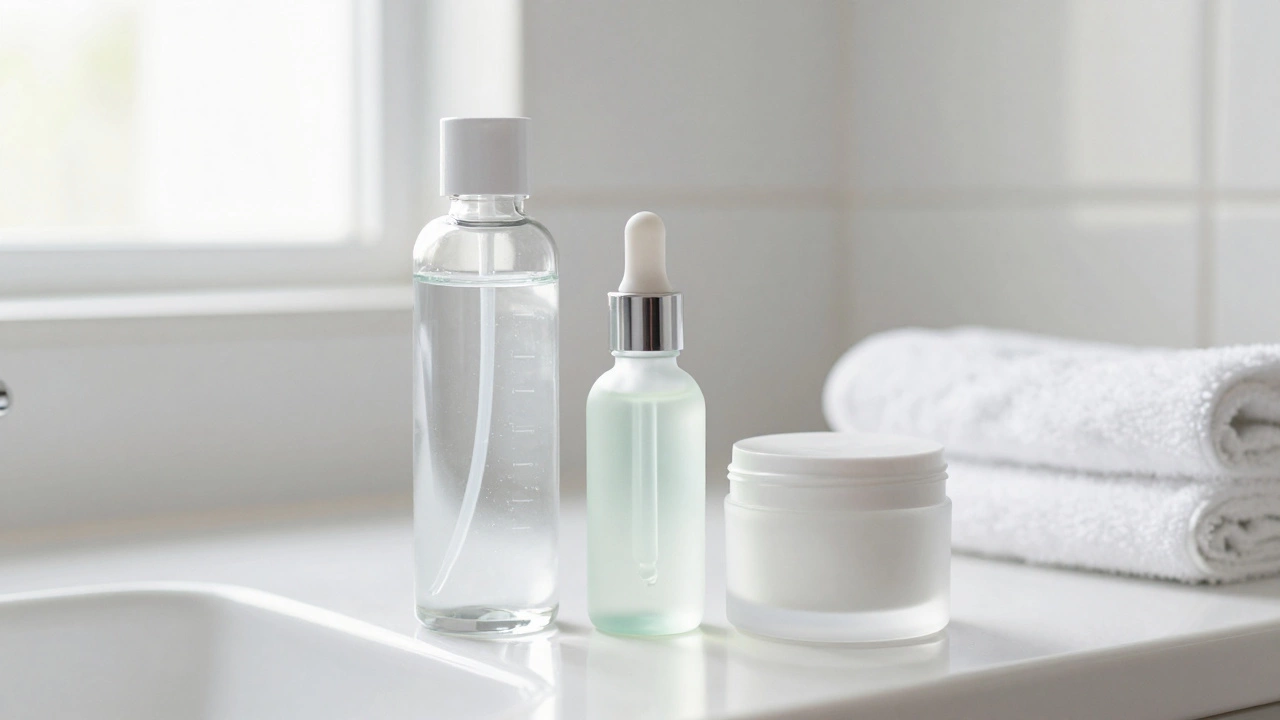
Skincare Order Challenge
Goal: Arrange the products in the correct order of application. Remember the golden rule: Thinnest consistency to thickest.
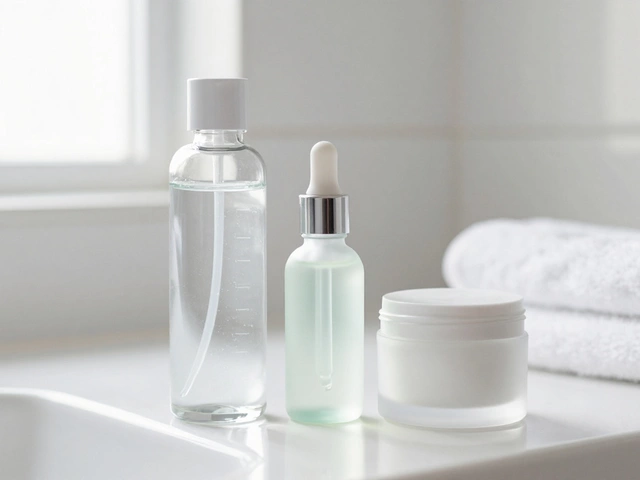
Available Products
Your Routine (AM)
Here is the golden rule of skincare: apply products from the thinnest consistency to the thickest. Think of it like painting a wall-you don't put the primer on after the final coat of paint. By starting with watery liquids and ending with thick oils or creams, you ensure every layer absorbs properly without being blocked by a heavier layer.
Quick Summary: The Essential Order
- Cleanse: Remove dirt, oil, and makeup.
- Tone: Balance skin pH and prep for absorption.
- Treat: Apply serums and targeted actives.
- Moisturize: Lock in hydration and protect the barrier.
- Protect: Apply SPF (daytime only).
Starting with a Clean Canvas
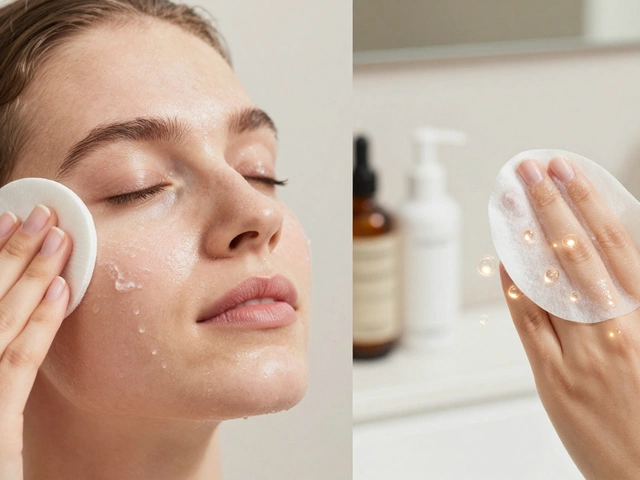
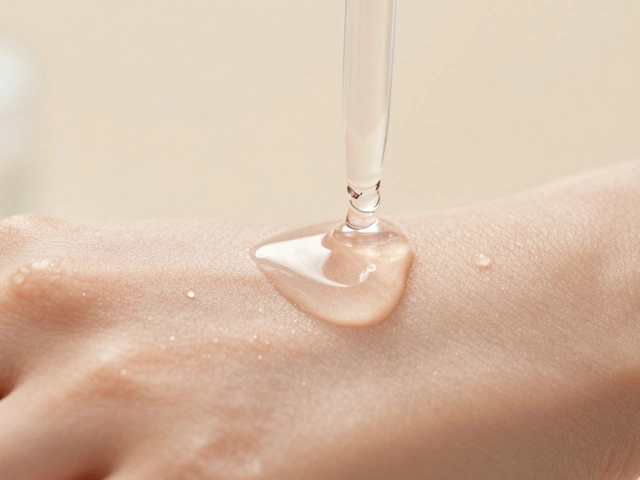
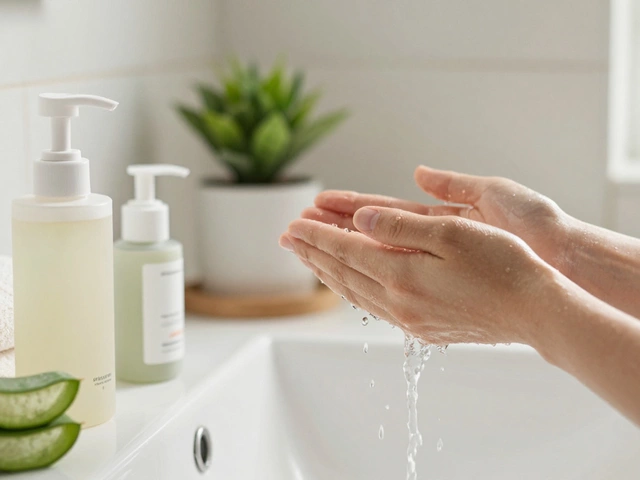
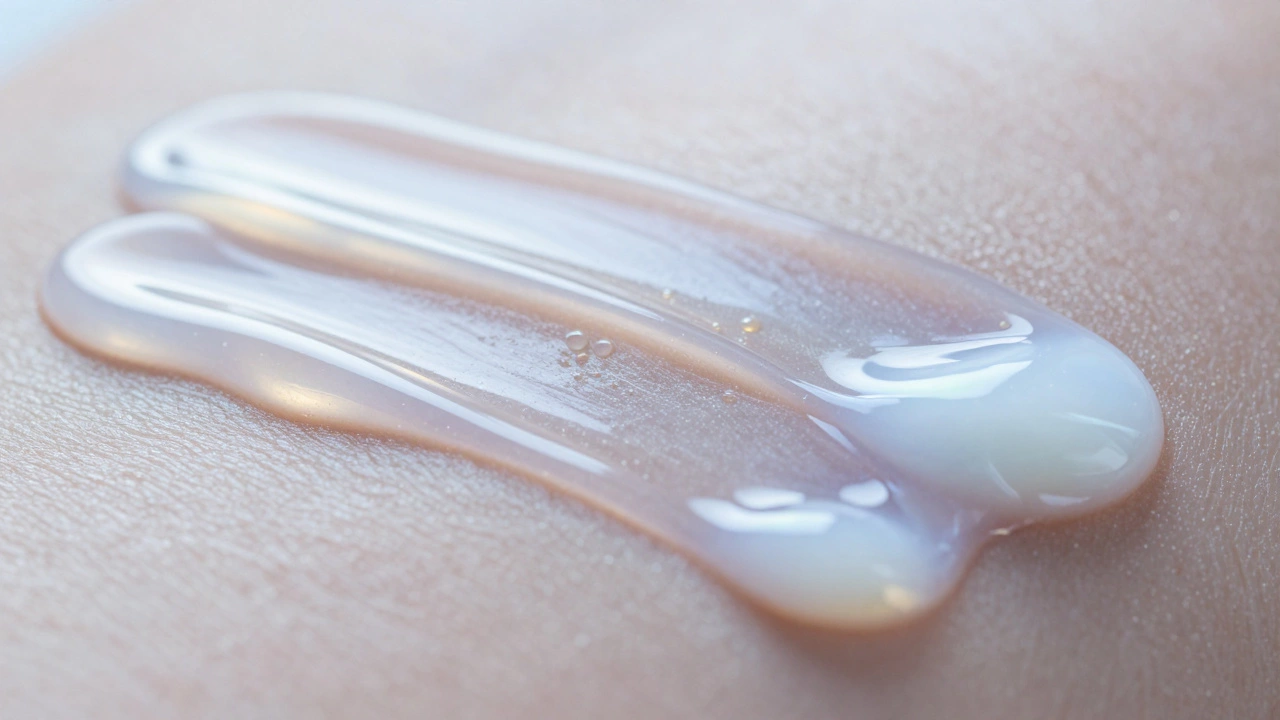
You can't build a house on a muddy foundation. Cleansing is the process of removing sebum, pollutants, and dead skin cells from the surface of the epidermis. If you're wearing makeup or waterproof sunscreen, a single wash usually isn't enough. This is where the "double cleanse" method comes in. First, use an oil-based cleanser to dissolve makeup. Then, follow up with a water-based gel or foam to actually clean the skin. Avoid using water that is too hot. While it feels relaxing, hot water strips away the natural lipids that keep your skin supple, often leading to redness or irritation. Use lukewarm water and pat your face dry with a clean towel-never rub, as that creates unnecessary friction and can lead to micro-tears in the skin. Many people think toners are just "scented water," but they serve a specific purpose. A Toner is a lightweight liquid used to balance the skin's pH levels after cleansing and to remove any remaining impurities. In the past, toners were harsh and alcohol-laden, but modern versions focus on hydration. Pro tip: apply your toner while your skin is still slightly damp. Damp skin is more permeable, meaning it acts like a sponge and pulls the subsequent products deeper into the dermis. If you use a cotton pad, swipe gently from the center of your face outward. If you're using a hydrating toner, just pat it in with your fingertips. This is where the heavy lifting happens. This stage is all about skincare routine precision. Serums are concentrated formulations of active ingredients designed to target specific skin concerns like aging, acne, or hyperpigmentation. Because they have smaller molecules, they must go on before any cream. If you're using multiple actives, you need to be careful about the order and the timing. For example, Vitamin C, a potent antioxidant, is best used in the morning to protect against UV damage. On the other hand, Retinol, a derivative of Vitamin A, should only be used at night because it makes your skin more sensitive to sunlight. When applying, avoid rubbing the product aggressively. Instead, use a "press and pat" motion. This pushes the product into the skin without dragging the tissue. Wait about 30 to 60 seconds between different serums to let them settle. If you apply a water-based serum and immediately follow it with an oil-based one, you might end up with "pilling," where the product balls up on the surface of your skin. Think of your moisturizer as the seal on an envelope. While serums treat the skin, a Moisturizer is a cream or lotion designed to prevent transepidermal water loss by creating a protective barrier. Even if you have oily skin, you still need this step. If you skip it, your skin may overproduce oil to compensate for the lack of moisture, which ironically leads to more breakouts. For those with dry skin, look for ingredients like ceramides or hyaluronic acid. For oily skin, a lightweight gel-cream is usually best. Apply the moisturizer using upward strokes-from the jawline up toward the cheekbones and from the chin up toward the forehead. This helps with lymphatic drainage and prevents you from pulling the skin downward. All the serums and creams in the world won't help if you aren't protecting your skin from the sun. Sunscreen is a topical agent that protects the skin from ultraviolet (UV) radiation from the sun. This should always be the very last step of your morning routine. If you put a moisturizer over your sunscreen, you'll dilute the SPF and create gaps in your protection. Whether you choose a chemical filter (which absorbs UV rays) or a physical filter (which reflects them using zinc oxide or titanium dioxide), the amount matters. Most people apply way too little. A good rule of thumb is the "two-finger rule": squeeze two strips of sunscreen onto your index and middle fingers to cover your entire face and neck. Don't forget your ears and the back of your neck-these are often the first places to show sun damage. One of the biggest errors is using too many active ingredients at once. Mixing a high-strength AHA (Alpha Hydroxy Acid) with Retinol in the same night can lead to a chemical burn or a compromised skin barrier. If your skin starts peeling, stinging, or feeling tight, it's a sign you've overdone it. Scale back to a simple cleanse-and-moisturize routine until the redness subsides. Another mistake is neglecting the neck and décolletage. Your neck has thinner skin and fewer oil glands than your face, making it prone to premature aging. Whatever you do to your face-cleanse, serum, moisturize, and SPF-should extend down to your chest. Your skin isn't a static organ; it changes based on the weather and your hormones. In the humid summer months, you might find that a heavy cream feels too greasy. In this case, swap your thick moisturizer for a lightweight hydrating gel. Conversely, during a freezing winter, you might need to add a face oil as the final step (before SPF) to prevent the dry air from sucking the moisture out of your skin. If you're in a rush, prioritize the "big three": cleanse, moisturize, and protect. You can skip the toner or serum occasionally, but skipping sunscreen or cleansing is like leaving the door open to a storm. Your skin needs consistency more than it needs a ten-step process. Yes, and you should! Serums are designed to deliver high concentrations of active ingredients deep into the skin, while moisturizers seal those ingredients in and prevent water loss. Always apply the serum first, let it absorb for a minute, and then apply your moisturizer over the top. It's not strictly necessary for everyone, but toners provide a layer of extra hydration and help the skin absorb serums more effectively. If you have very dry skin, a hydrating toner is a great addition. If you have very oily skin, an exfoliating toner can help keep pores clear. Generally, applying most products (like toners, hyaluronic acid serums, and moisturizers) to damp skin is better because it increases permeability and locks in more moisture. However, certain strong actives like Retinol or prescription acids should be applied to completely dry skin to reduce the risk of irritation. You don't need to wait for a product to dry completely, but giving a serum 30 to 60 seconds to sink in helps prevent "pilling" (when the product rolls off in small balls). The most important gap is between your moisturizer and your sunscreen; let the moisturizer set so the SPF can form an even, unbroken film on your skin. Moisturizers contain occlusives (like waxes and oils) that create a barrier. If you apply them first, the smaller molecules of the serum cannot penetrate that barrier, meaning the serum just sits on top of your skin and doesn't actually work. You're essentially wasting your expensive active ingredients.Prepping the Surface with Toners
The Power Play: Applying Serums and Actives
Locking it All In with Moisturizers
The Non-Negotiable Final Step: Sunscreen
Comparing Product Textures for Application
Product Type Consistency Absorption Rate Application Order Toner Watery/Liquid Very Fast 1st (Post-Cleanse) Serum Viscous/Gel Fast 2nd Moisturizer Creamy/Lotion Medium 3rd Face Oil Oily/Dense Slow 4th (or mixed with moisturizer) Sunscreen Paste/Cream Slow (Sits on top) Final (AM only) Common Mistakes to Avoid
Adapting Your Routine for Different Scenarios
Can I use a serum and a moisturizer at the same time?
Do I really need a toner if my cleanser is pH balanced?
Should I apply skincare to dry or damp skin?
How long should I wait between applying different products?
What happens if I apply moisturizer before serum?