Lower Belly & Core Health Estimator
Enter your details below to calculate your estimated calorie deficit target and receive a customized strategy to address lower belly protrusion.
Your Metrics
Fill out the form and click "Generate Plan" to see your results.
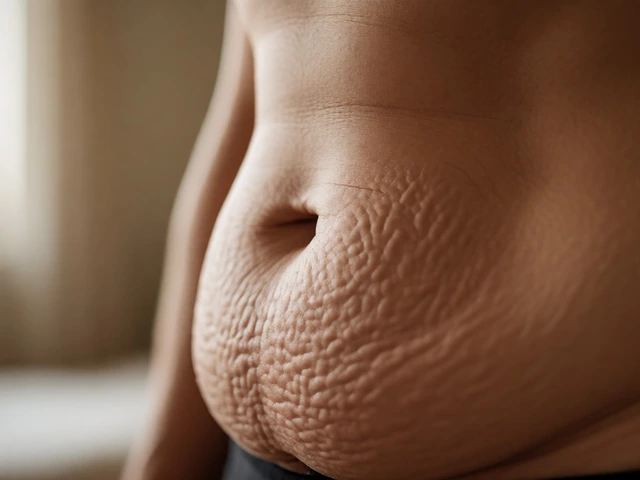
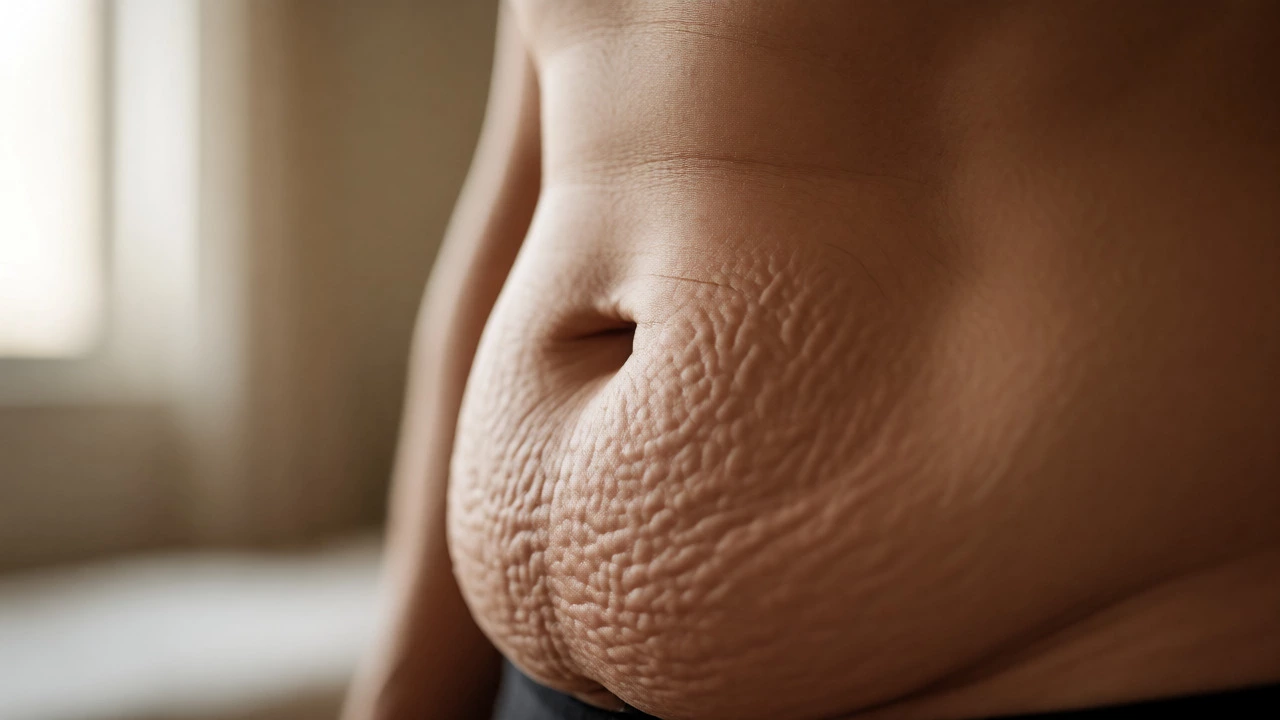
Ever looked in the mirror and noticed that stubborn pouch right below your belly button? You’re not alone. That saggy lower belly is one of the most common complaints people have about their midsection, and it’s often the last place where weight seems to leave. But here’s the truth: spot reduction is a myth. You can’t just do crunches and expect that specific area to tighten up overnight. To actually fix a saggy lower belly, you need a three-pronged approach: reducing overall body fat, strengthening the deep core muscles, and fixing your posture.
This isn’t just about vanity; it’s about function. A weak lower core can lead to back pain and poor movement patterns. So, how do we tackle this? We need to look at what’s actually causing the sag. Is it excess visceral fat? Is it diastasis recti (a separation of abdominal muscles)? Or is it simply that your transverse abdominis-the body’s natural corset-is asleep on the job? Let’s break down exactly how to wake it up and tighten things up.
Understanding the Anatomy of Your Midsection
To fix the problem, you have to understand the machinery. Most people think abs are just those six-pack blocks (the rectus abdominis). But the real hero for a flat stomach is the transverse abdominis. This is your deepest layer of abdominal muscle. Think of it as a built-in corset that wraps around your spine and organs. When this muscle is weak, your internal organs push outward, creating that "pooch" effect even if you don't have much fat.
Then there’s the pelvic floor. If you’ve had children or spent years sitting in chairs, your pelvic floor might be weak, which fails to support the lower abdomen from underneath. Finally, consider your posture. Anterior pelvic tilt-where your hips tip forward-arches your lower back and pushes your gut out. Correcting these structural issues is just as important as burning calories.
The Role of Body Fat Percentage
Let’s address the elephant in the room: you cannot reveal tight skin and muscle under a thick layer of fat. No matter how strong your core is, if your body fat percentage is high, the lower belly will remain soft and protruding. For men, visible definition usually starts around 10-15% body fat. For women, it’s typically 18-24%. Getting there requires a calorie deficit.
You don’t need to starve yourself. Aim for a moderate deficit of 300-500 calories per day. Focus on protein intake. High-protein diets help preserve muscle mass while you lose fat, which keeps your metabolism revving. Include sources like chicken breast, fish, tofu, or legumes in every meal. Pair this with fiber-rich vegetables to keep you full. Hydration matters too. Sometimes that bloating looks like fat but is actually water retention from too much sodium or dehydration. Drink half your body weight in ounces of water daily to flush out excess fluid.
Exercises That Actually Target the Lower Abs
Standard sit-ups mostly hit the upper abs. To target the lower region, you need movements that involve lifting your legs or pelvis against gravity. Here are three effective moves that engage the lower rectus abdominis and the hip flexors.
- Hanging Leg Raises: Hang from a pull-up bar. Keep your legs straight (or bent if you’re a beginner) and lift them until they are parallel to the ground. Control the descent. Don’t swing. This puts massive tension on the lower abs.
- Reverse Crunches: Lie on your back. Lift your hips off the floor by curling your knees toward your chest. Imagine trying to show your butt to the person standing behind you. This isolates the lower abs better than regular crunches.
- Dead Bugs: Lie on your back with arms extended toward the ceiling and knees bent at 90 degrees. Extend one arm overhead and the opposite leg straight out, keeping your lower back pressed into the floor. This teaches you to brace your core while moving your limbs.
Do these 3 times a week. Consistency beats intensity. It’s better to do 10 controlled reps than 50 sloppy ones.

Fixing Posture and Pelvic Tilt
If you spend eight hours a day in an office chair, your hip flexors are likely tight, pulling your pelvis forward. This anterior pelvic tilt makes your lower belly stick out regardless of how lean you are. The fix involves stretching the front and strengthening the back.
Try the Thomas Stretch to open up your hip flexors. Kneel on one knee and push your hips forward gently. Hold for 30 seconds. Then, strengthen your glutes and hamstrings with bridges or deadlifts. Strong glutes help pull the pelvis back into a neutral position. When your pelvis is neutral, your lower abs can actually engage properly during exercise. Without this alignment, you’re just straining your lower back.
Dietary Tweaks to Reduce Bloating
Sometimes the "sag" is partly inflammation and gas. Certain foods trigger bloating in many people. Common culprits include dairy, gluten, artificial sweeteners, and high-FODMAP vegetables like onions and garlic. Try eliminating these for two weeks to see if your waistline shrinks.
Add probiotic-rich foods like yogurt, kefir, or sauerkraut to your diet. A healthy gut microbiome reduces gas production. Also, watch your eating speed. Eating fast causes you to swallow air, which expands the stomach. Chew your food thoroughly. Small changes in digestion can make a noticeable difference in how flat your stomach feels within days.
Consistency and Realistic Expectations
Here is the hard truth: getting rid of a saggy lower belly takes time. Skin elasticity decreases with age, so if you’ve lost a significant amount of weight recently, some looseness may remain. That’s normal. Collagen supplements and staying hydrated can help skin health, but genetics play a big role.
Don’t get discouraged if you don’t see changes in week one. Give it eight to twelve weeks of consistent effort. Track progress with photos, not just the scale. Sometimes the number doesn’t move, but your measurements do. Combine strength training with cardio. HIIT (High-Intensity Interval Training) is great for burning visceral fat efficiently, but steady-state walking helps manage cortisol levels, which can otherwise cause belly fat storage.
| Approach | Primary Benefit | Timeframe for Results | Best For |
|---|---|---|---|
| Calorie Deficit | Reduces overall body fat | 4-6 Weeks | Anyone with excess adipose tissue |
| Core Strengthening | Tightens muscle tone and posture | 8-12 Weeks | Those with weak transverse abdominis |
| Posture Correction | Aligns pelvis, visually flattening belly | 2-4 Weeks | Office workers with anterior pelvic tilt |
| Digestive Health | Reduces bloating and inflammation | 1-2 Weeks | People prone to gas or food sensitivities |
Frequently Asked Questions
Can I lose belly fat by only doing ab exercises?
No. Spot reduction is largely a myth. Ab exercises build muscle underneath the fat, but they don't burn the fat covering them significantly. You need a combination of cardiovascular exercise, strength training, and a calorie-controlled diet to reduce overall body fat, which will eventually reveal the toned muscles underneath.
Why does my lower belly stick out even though I'm thin?
This is often due to anterior pelvic tilt, weak core muscles (specifically the transverse abdominis), or bloating. Poor posture pushes the abdomen forward. Additionally, some people naturally store more visceral fat around the organs, which creates a firm protrusion rather than a soft pinchable layer.
How long does it take to flatten a lower belly?
For noticeable visual changes, expect 8 to 12 weeks of consistent effort. Significant fat loss may take several months depending on your starting point. Postural improvements can happen faster, sometimes within a few weeks, giving an immediate visual improvement even before major fat loss occurs.
Does drinking water help with a saggy belly?
Yes. Proper hydration reduces water retention caused by excessive sodium intake. It also aids digestion, preventing constipation and bloating, which can make the lower belly appear larger than it is. Aim for clear or pale yellow urine as a sign of adequate hydration.
Is surgery the only option for loose skin?
Not always. Mild looseness can improve with time, hydration, collagen support, and building underlying muscle. However, after massive weight loss or significant aging, excess skin may require surgical removal (abdominoplasty) for complete resolution. Consult a dermatologist or plastic surgeon for personalized advice.