🍽️ Which Meal Should You Skip?
Loading question...
Your Personalized Recommendation
Based on your answers, here is the best strategy for you.
Recommended Action
Why this works for you.
Specific advice for success.
Most of us have heard the old adage that breakfast is the most important meal of the day. But if you are trying to manage your weight or improve your blood sugar levels, that advice might be doing more harm than good. The truth is, there is no single "best" meal to skip for everyone. It depends entirely on your lifestyle, your body’s natural rhythms, and what actually keeps you from overeating later in the day.
Let's look at the science and practical reality behind skipping meals. When you remove one eating window, you aren't just cutting calories; you are changing how your body processes insulin and stores fat. However, if you skip the wrong meal, you might end up starving yourself, which leads to bingeing at night. So, how do you figure out which slot to cut?
The Case Against Skipping Breakfast
For decades, nutritionists pushed the idea that eating early boosts your metabolism. Recent research suggests this "metabolic boost" is a myth. Your body burns roughly the same number of calories whether you eat at 7 AM or 1 PM. However, skipping breakfast can backfire for many people because it triggers hunger hormones like ghrelin. If you skip your morning food, you often feel ravenous by lunchtime, leading to poor food choices and higher total calorie intake.
That said, some people thrive without breakfast. If you are not hungry in the morning, forcing yourself to eat dry cereal or toast is unnecessary stress. For these individuals, shifting their first meal to late morning or noon aligns better with their natural appetite cycles. This approach is often part of time-restricted eating, where you limit all food consumption to an 8- or 10-hour window.
Why Dinner Is Often the Best Candidate to Skip
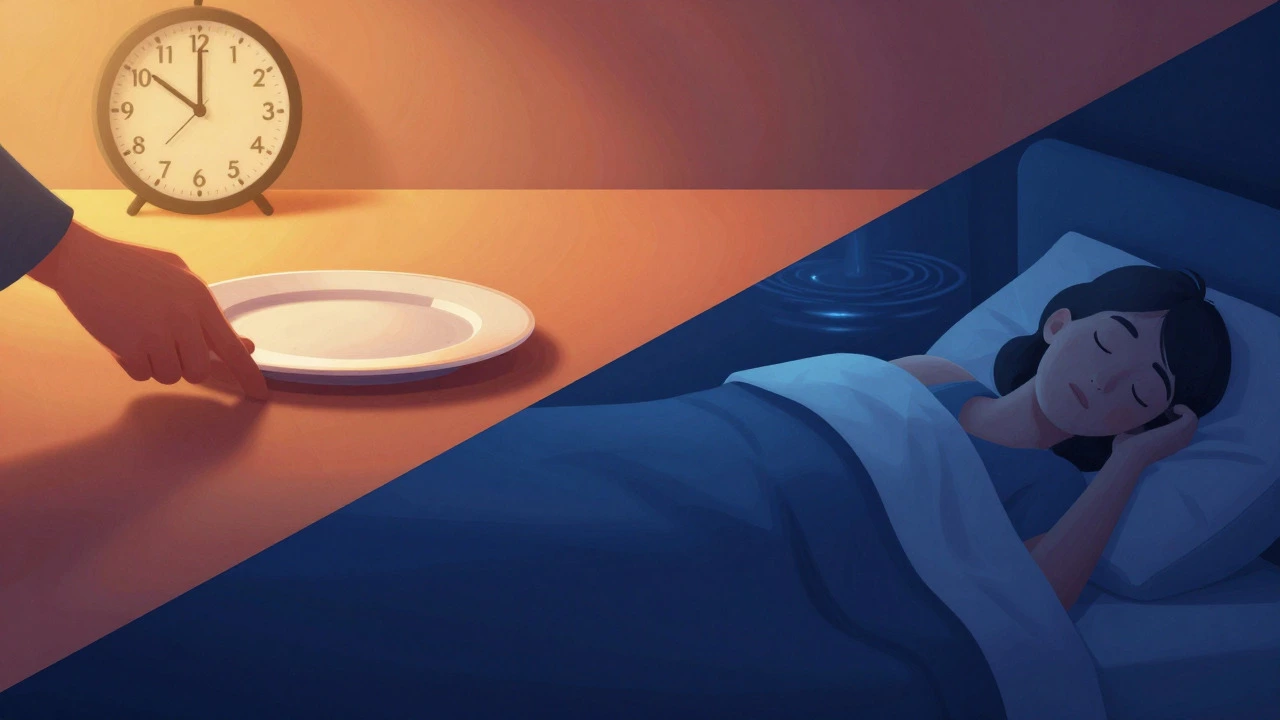
For many adults, dinner is the easiest meal to modify or skip. Why? Because we are less likely to be physically active after work. Eating a large meal right before sleep means your body has to process those calories while you are resting. While this doesn't automatically turn into fat, it can affect sleep quality for some people due to acid reflux or discomfort.
Skipping dinner allows you to focus on nutrient-dense breakfasts and lunches. You can pack more protein and fiber into your earlier meals, keeping you full until bedtime. If you do choose to skip dinner, aim to finish your last meal at least three hours before bed. This gives your digestive system time to settle down, potentially improving deep sleep stages.
| Meal Skipped | Potential Benefits | Risks & Drawbacks | Best For |
|---|---|---|---|
| Breakfast | Simplifies morning routine, aligns with low morning appetite | May lead to midday overeating, social pressure to eat early | Night owls, those who don't wake up hungry |
| Lunch | Reduces afternoon energy slump if done correctly | High risk of evening bingeing, hard to maintain socially | Few people, usually only as a short-term strategy |
| Dinner | Improves sleep quality, reduces late-night snacking | Might cause nighttime hunger pangs initially | Early risers, those with sedentary evenings |
The Role of Intermittent Fasting
When people talk about skipping meals, they are often referring to intermittent fasting. This isn't just about dieting; it's about timing. Popular methods include the 16:8 method (fasting for 16 hours, eating within an 8-hour window) or the 5:2 method (restricting calories two days a week). The goal isn't necessarily to starve, but to give your cells a break from constant digestion. This state can improve insulin sensitivity, meaning your body becomes better at using glucose for energy rather than storing it as fat.
If you try this, start slowly. Instead of skipping a whole meal immediately, try delaying breakfast by two hours or finishing dinner earlier. Listen to your body. If you feel dizzy or irritable, you might need to eat more frequently. Hydration is key during fasting windows-water, black coffee, or unsweetened tea keep you hydrated without breaking the fast.
Practical Tips for Success
Deciding which meal to skip is only half the battle. The other half is making sure you get enough nutrients when you do eat. Here is how to make it work:
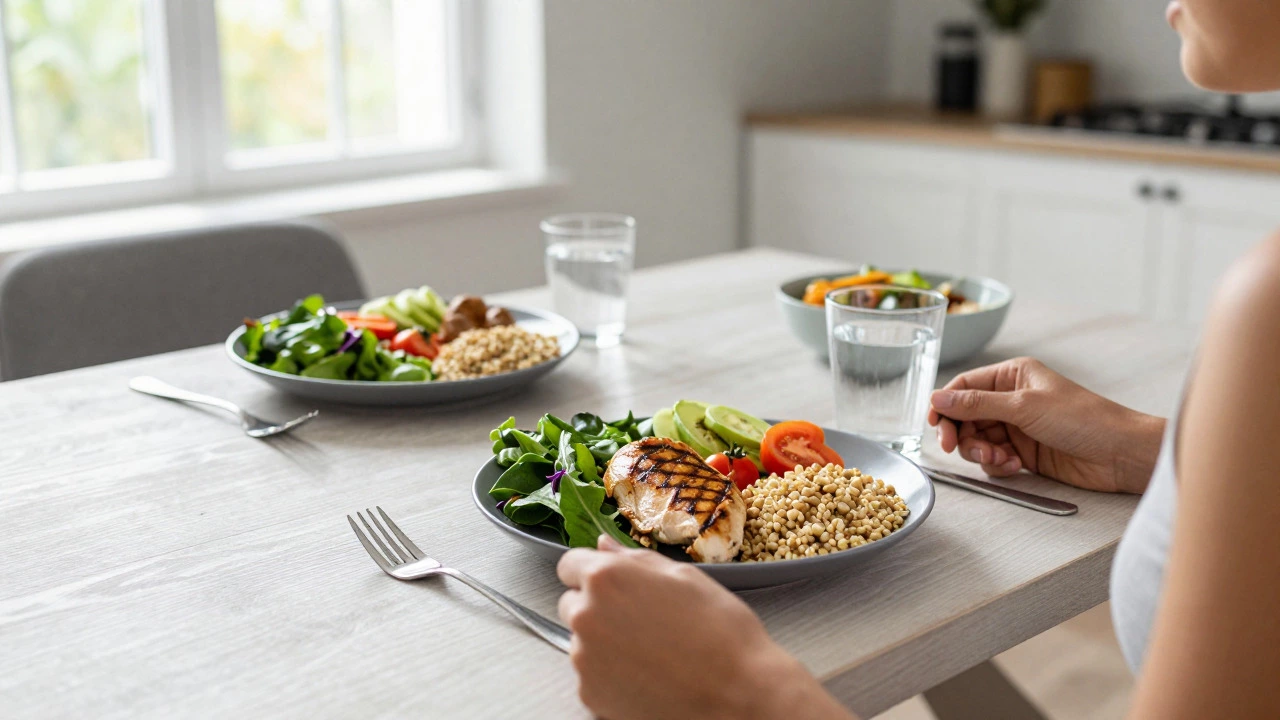
- Prioritize Protein: Whether you skip breakfast or dinner, ensure your remaining meals contain adequate protein. Aim for 20-30 grams per meal to maintain muscle mass and satiety.
- Don't Compensate with Junk: Just because you skipped a meal doesn't mean you should eat pizza for lunch. Focus on vegetables, lean meats, and whole grains.
- Watch Your Sleep: If skipping dinner makes you wake up at 3 AM hungry, switch strategies. Maybe skipping breakfast works better for your circadian rhythm.
- Stay Consistent: One day of skipping won't change anything. Give it at least two weeks to see how your energy levels and cravings adjust.
There is no magic bullet. Some people lose weight faster by skipping breakfast, while others do better by cutting dinner. The "best" meal to skip is the one that fits your schedule and leaves you feeling satisfied, not deprived. Experiment safely, track how you feel, and prioritize consistency over perfection.
Is it bad to skip breakfast every day?
Not necessarily. Studies show that skipping breakfast does not inherently raise cholesterol or blood sugar in healthy adults. However, if it causes you to overeat later, it may hinder weight loss goals. It is personal preference and biological response that matter most.
What is the safest meal to skip for beginners?
Dinner is often recommended for beginners because it is easier to control portion sizes earlier in the day. Finishing dinner earlier also aligns with natural circadian rhythms, potentially improving sleep quality without requiring significant changes to morning routines.
Does skipping meals slow down metabolism?
No, skipping meals does not significantly slow down your basal metabolic rate. Your body adapts to available energy sources. As long as you are meeting your daily nutritional needs, your metabolism will function normally regardless of how many times you eat.
Can I drink coffee while skipping a meal?
Yes, black coffee, green tea, and sparkling water are generally safe to consume during fasting periods. They provide hydration and caffeine without adding significant calories or spiking insulin levels, making them ideal companions for meal-skipping strategies.
How long should I wait between meals if I skip one?
If you skip a meal, try to keep the gap between your remaining meals under 12 hours to avoid excessive hunger. For example, if you skip breakfast, aim to eat lunch by 1 PM and dinner by 7 PM. Adjust based on your activity level and hunger cues.