Minimalism Cost & Myth Buster
Minimalism is often mistaken for an expensive aesthetic. This tool helps you quantify the actual financial impact of owning less, proving that the practice saves money regardless of your current wealth.
Estimated Annual Savings
Enter your details above to see how much you could save by reducing clutter and impulse buying.
Myth Busters: Is Minimalism Expensive?
Click on a myth below to reveal the reality behind the cost of "less".
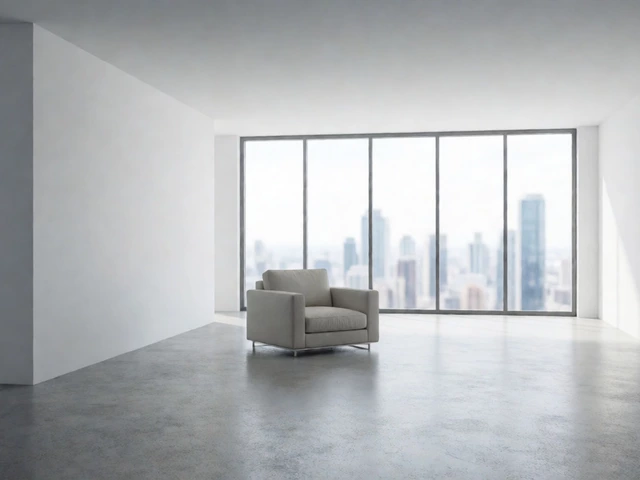
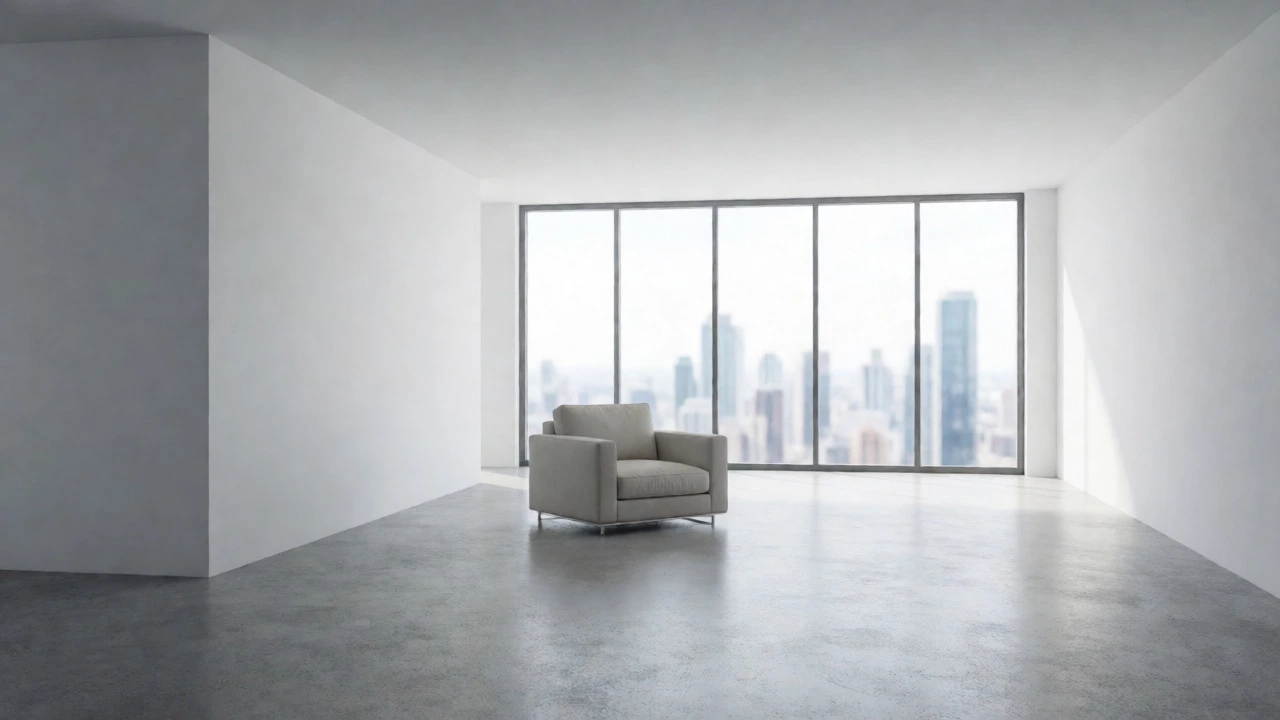
You see the photos online: stark white walls, one expensive chair, and a closet with exactly thirty-three items. It looks peaceful, sure. But it also looks like it costs a fortune to achieve. This leads to a nagging question that stops many people before they even start: is minimalism only for the wealthy? The short answer is no. The long answer is more interesting, because while the *aesthetic* of minimalism often requires money, the *practice* of minimalism actually saves it.
Let’s be honest about why this myth exists. When you scroll through Instagram or Pinterest, you’re seeing curated perfection. You see high-end furniture made from sustainable oak, custom-built shelving, and art pieces that probably cost more than a month’s rent. This is what we might call "designer minimalism." It is a luxury product marketed as a lifestyle choice. If you try to replicate that specific look by buying new, you will go broke fast. But if you view minimalism as a tool for managing your life rather than a decorating style, the financial barrier drops to zero.
The Difference Between Aesthetic and Practice
To understand the cost, we need to split minimalism into two distinct categories: the visual style and the behavioral practice. Confusing these two is where most people get tripped up.
Aesthetic Minimalism is a design philosophy focused on simplicity, clean lines, and neutral color palettes. This style often relies on high-quality materials because there are fewer objects to hide imperfections. In a cluttered room, a cheap plastic bin blends in. In an empty room, every scratch on a table matters. This version of minimalism can indeed be expensive if you are starting from scratch and buying new items to fill the void.
Behavioral Minimalism is the intentional reduction of possessions and commitments to focus on what truly adds value to your life. This approach doesn't care what your walls look like. It cares about whether you use the things you own. You can practice behavioral minimalism in a tiny apartment full of second-hand furniture. You can do it with IKEA hacks or hand-me-downs. The core action here is subtraction, not addition.
Think of it like cooking. You can have a minimalist kitchen (few appliances, simple tools) and cook incredible meals with basic ingredients. Or you can buy a $500 knife set and still eat frozen pizza because you never learned how to chop an onion. The knife set didn’t make you a better cook; the skill did. Similarly, the expensive chair doesn’t make you a minimalist; the decision to keep only what you love does.
Why People Think It’s Expensive
If minimalism saves money, why does the perception persist that it’s a rich person’s game? There are three main reasons, and understanding them helps you avoid the traps.
First, there’s the "replacement cycle" trap. Many beginners think they need to replace their current belongings with "better" minimalist versions. They throw away functional but ugly clothes and buy new, capsule-wardrobe staples. They toss out sturdy but mismatched dishes to buy a matching white set. This spending spree creates a false impression that minimalism requires capital. In reality, true minimalists rarely buy replacements unless something is broken. They let things run their course.
Second, real estate plays a huge role. In cities like New York, London, or San Francisco, square footage is incredibly expensive. If you live in a small space, you physically cannot own much stuff. This forces a form of minimalism upon residents regardless of income. However, wealthier individuals can afford larger spaces that allow them to curate emptiness intentionally. For lower-income individuals, small spaces are a constraint, not a choice. This nuance gets lost in the conversation, making it seem like only those who can afford spacious lofts can enjoy the benefits of less clutter.
Third, marketing sells the dream. Brands realize that selling fewer, higher-priced items yields better margins than selling many cheap items. So, companies like Muji, Uniqlo, or Apple market their products as essential minimalist tools. They convince consumers that owning just one great thing is better than owning five mediocre things. While often true, this narrative shifts the burden of minimalism onto consumer purchasing power rather than personal discipline.
How Minimalism Actually Saves Money
Once you stop trying to buy the look and start practicing the habit, the financial benefits become obvious. Here is how cutting back directly impacts your bank account.
- Reduced Impulse Buying: When you have a strict rule that every new item must replace an old one, you stop buying things you don’t need. That $15 gadget at the checkout counter stays on the shelf because you already have a similar tool. Over a year, this discipline can save hundreds or thousands of dollars.
- Lower Maintenance Costs: Fewer possessions mean less cleaning, less organizing, and less repairing. You aren’t dusting fifty knick-knacks. You aren’t storing seasonal decorations in expensive off-site units. Your time becomes a resource you can sell or spend freely.
- Debt Reduction: Many people carry debt tied to storage units, large mortgages for oversized homes, or credit card balances for unused gadgets. Minimalism encourages downsizing. Moving to a smaller home or renting a cheaper apartment reduces fixed monthly costs significantly.
- Mindful Spending: Minimalists tend to research purchases thoroughly. Instead of buying a cheap pair of shoes that falls apart in six months, you might wait and save for a durable pair that lasts ten years. This "buy nice or buy twice" mentality lowers the total cost of ownership over time.
Consider the concept of "decision fatigue." Every object in your home demands mental energy-where do I put this? Do I need this? Should I fix this? By reducing the number of decisions you make daily, you preserve mental bandwidth. This isn’t just psychological comfort; it translates to productivity. People who clear their physical space often report being able to focus better on work or side hustles, potentially increasing their earning potential indirectly.
Minimalism on a Tight Budget
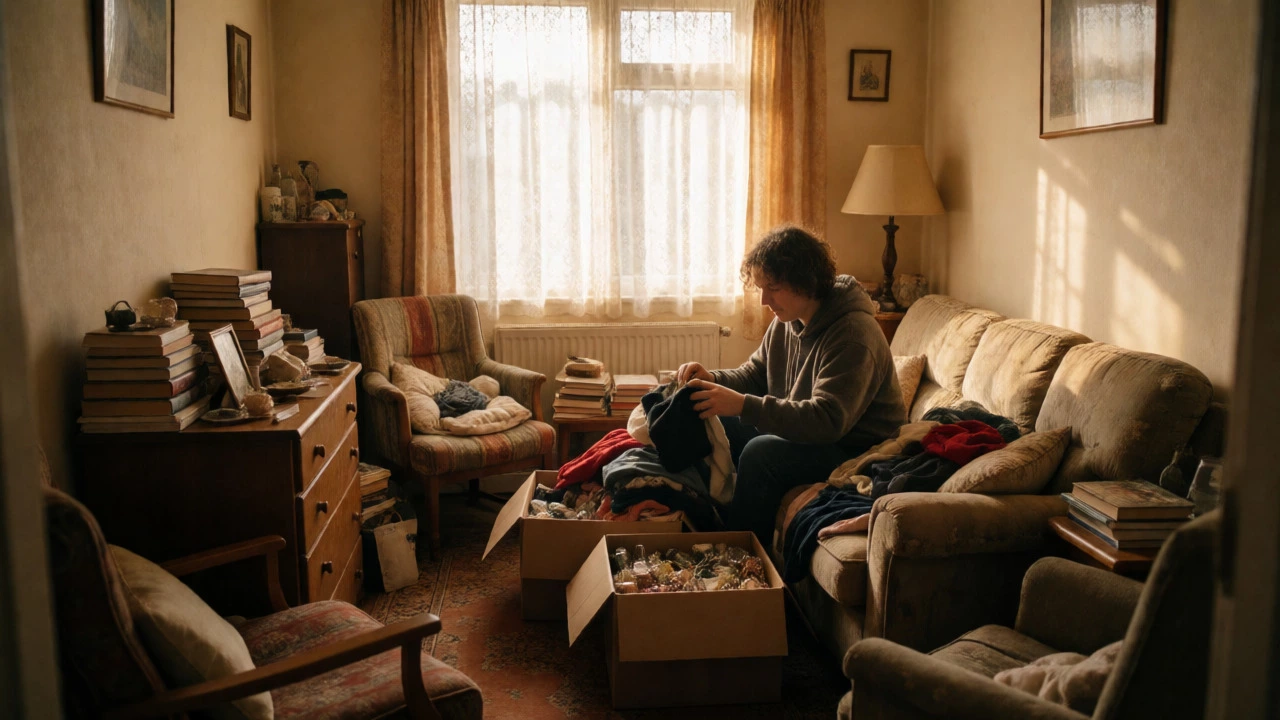
You don’t need a renovation budget to start. In fact, starting with nothing is easier than starting with a house full of inherited junk. Here is a practical roadmap for practicing minimalism when every dollar counts.
- The One-In-One-Out Rule: Implement this immediately. If you buy a new shirt, donate an old one. If you bring home a new book, pass one along. This prevents accumulation without requiring any upfront cash.
- Sell Before You Donate: Most people rush to Goodwill. But if you have items in decent condition, list them on Facebook Marketplace, eBay, or local buy-nothing groups first. Even selling a few items a month can create a small emergency fund. This turns decluttering into an income stream.
- Embrace Second-Hand: If you absolutely must replace something, buy used. Thrift stores, garage sales, and online marketplaces offer quality goods at fractions of retail prices. A solid wooden desk from a thrift store fits a minimalist aesthetic just as well as a brand-new one.
- Focus on Utility, Not Style: Don’t worry about matching colors or brands. Worry about function. Does this pot boil water efficiently? Does this chair support your back? Keep what works. Let go of what breaks or annoys you. This pragmatic approach saves money because you stop paying for branding.
- Use What You Have: Before buying anything new, ask if you already own something that can serve the purpose. Can a jar hold your pens? Can a towel serve as a rug? Resourcefulness is the heart of low-budget minimalism.
There is a misconception that you need to buy specific "minimalist" organizers. Plastic bins, label makers, and uniform hangers add up. Skip them. Use cardboard boxes, reuse glass jars, and hang clothes on whatever hangers you have. The goal is clarity, not uniformity. Clarity comes from knowing what you have, not from hiding it in pretty containers.
The Hidden Costs of Accumulation
To fully appreciate the savings, you have to calculate the hidden costs of having too much stuff. These are expenses you pay that don’t show up on your receipt.
| Expense Category | High-Possession Lifestyle | Minimalist Approach |
|---|---|---|
| Storage Fees | $50-$200/month for off-site units | $0 (items fit in living space) |
| Cleaning Supplies | Frequent replacement of multi-surface cleaners | Basic soap/vinegar (less surface area) |
| Insurance Premiums | Higher coverage for valuables/collections | Lower coverage needs |
| Replacement Cycle | Buying cheap items repeatedly (e.g., $20 shoes every 6 months) | Buying durable items once (e.g., $80 shoes every 4 years) |
| Moving Costs | Requires professional movers/large truck | DIY move with rental van/U-Haul |
Look at the moving costs row. This is a major factor for renters and frequent movers. If you own a sectional sofa, a dining set, and twenty boxes of miscellaneous items, you likely need to hire movers. That could cost $500-$1,000 per move. If you can fit your life into the trunk of a car and a couple of suitcases, you can move yourself for under $100. Multiply that by a few moves over a decade, and the savings are substantial.

Who Benefits Most From Minimalism?
While anyone can practice minimalism, certain groups benefit disproportionately from its financial aspects.
Students and Young Professionals: Often living in shared housing or small apartments, they face spatial constraints. Adopting minimalism early prevents the "student debt plus storage unit" trap. It builds habits of mindful spending that compound over a career.
Parents of Young Children: Toy clutter is a massive expense and stressor. Minimalist parenting involves rotating toys rather than accumulating them. This keeps play areas manageable and reduces the urge to buy new toys constantly. It also teaches children value versus volume.
People in Transition: Those going through divorce, job loss, or relocation find minimalism stabilizing. Selling assets provides immediate cash flow. Reducing overhead lowers the pressure to earn a high salary immediately, allowing for better career choices rather than desperate ones.
Conversely, minimalism might be harder for those with chronic health conditions requiring numerous medical supplies or equipment. For these individuals, "minimalism" should mean optimizing access and reducing non-essential clutter, not necessarily eliminating necessary gear. Flexibility is key. Rigid rules don’t serve everyone.
Busting Common Myths
Let’s address a few other barriers that keep people from trying this lifestyle.
"I have sentimental items, so I can’t be a minimalist." Sentimentality is the biggest hurdle. But holding onto every ticket stub and birthday card doesn’t honor the memory; it buries it. Take photos of sentimental items, then let them go. Keep the top 5% that truly spark joy or represent major milestones. You can archive memories digitally for free.
"My family won’t agree." You don’t need permission to manage your own belongings. Start with your personal items. As you model the behavior-showing how much easier it is to find keys, how much faster cleaning takes-family members often join in voluntarily. Don’t force it; demonstrate the benefit.
"It feels cold and sterile." This is an aesthetic judgment, not a functional one. Your home can be cozy and minimalist. Warm lighting, soft textiles, and plants can coexist with limited possessions. Cozy minimalism is about comfort, not emptiness.
Getting Started Without Spending a Dime
If you want to test the waters, do not buy anything. Seriously. Do not buy bins, books, or apps. Just start subtracting.
Pick one drawer. The junk drawer is a classic starting point. Dump everything out. Sort into three piles: Trash, Relocate, Keep. Throw away the trash. Move the relocated items to their proper rooms. Keep only what belongs in that drawer. Notice how good it feels to open that drawer and find things instantly. Now repeat with one shelf, then one closet.
This process reveals what you actually use versus what you think you might use someday. "Someday" is usually a lie we tell ourselves to justify hoarding. Once you confront the pile of unused cables, expired coupons, and duplicate chargers, you’ll realize how much money you’ve spent on things that sit idle. That realization is the first step toward keeping that money in your pocket next time.
Minimalism isn’t about deprivation. It’s about intention. Whether you have $50 in your bank account or $50,000, the principle remains the same: own less, live more. The wealthy may have bought their way into a curated aesthetic, but anyone can choose the freedom of having less to manage, clean, and insure. And that freedom is priceless, yet completely free to pursue.
Do I need to buy new furniture to be a minimalist?
No. In fact, buying new furniture often contradicts the spirit of minimalism. You should keep what you currently own if it functions well and brings you joy. Replace items only when they break or wear out, and consider buying second-hand options to save money.
Can I practice minimalism if I have kids?
Yes, though it requires different strategies. Focus on toy rotation, limit duplicates, and involve children in the decluttering process. Teach them to value experiences over objects. It’s about managing volume, not enforcing strict aesthetics.
Does minimalism help with anxiety?
For many people, yes. Visual clutter can increase cortisol levels and make it harder to focus. Reducing physical clutter often leads to a clearer mind and reduced stress, particularly for those sensitive to sensory overload.
What is the "one-in-one-out" rule?
This is a maintenance strategy where for every new item you bring into your home, you remove one existing item. This prevents accumulation and ensures your possession count remains stable or decreases over time.
Is minimalism bad for the environment?
Generally, no. Minimalism encourages buying less, which reduces production demand. However, throwing away usable items contributes to landfill waste. Always prioritize donating, selling, or recycling items responsibly rather than tossing them.