Home Gym Equipment Matchmaker
Stop buying clothes racks for your living room. Answer three questions to find the equipment that actually fits your life.
Select your preferences and click Analyze to see which equipment balances Muscle Recruitment, Progressive Overload, and Time Efficiency best for you.
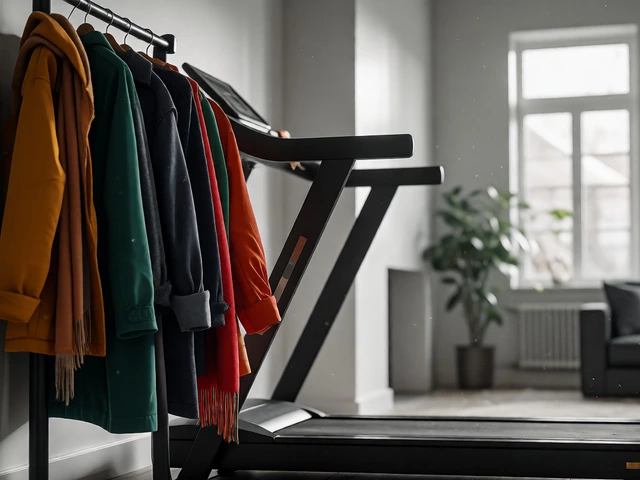
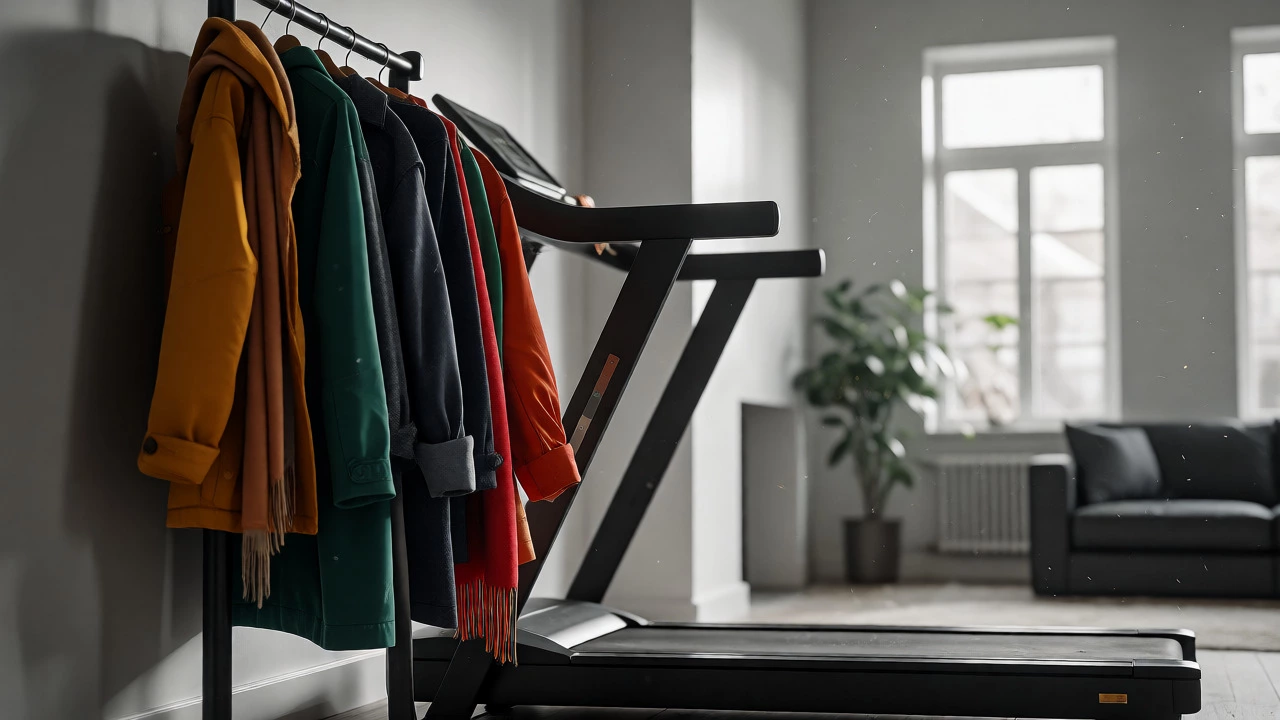
You bought a treadmill in January. It’s now a very expensive clothes rack in November. Sound familiar? We’ve all been there, seduced by the promise of effortless fitness delivered right to our living rooms. But here is the hard truth: most home exercise equipment fails because it doesn’t fit your life or your goals. You don’t need a $3,000 Peloton if you hate spinning. You don’t need a power rack if you have 200 square feet of space.
The question isn't just "what works," but what actually gets used. Effectiveness is a mix of physiological stimulus and psychological adherence. If you skip the workout because the machine takes ten minutes to set up, its biological effectiveness drops to zero. This guide cuts through the marketing noise to identify which tools deliver the highest return on investment for strength, cardio, and mobility, based on real-world usage patterns and exercise science.
Defining Effectiveness: The Three Pillars
Before we pick specific brands or types, we need to define what makes equipment "effective." In fitness science, effectiveness usually boils down to three factors:
- Muscle Recruitment: How many muscle groups does the movement engage?
- Progressive Overload Capability: Can you easily make the exercise harder over time?
- Time Efficiency: How quickly can you get from standing next to the equipment to finishing a set?
A squat rack scores high on recruitment and overload but low on time efficiency if you have to clear the room every time you want to use it. Resistance bands score high on time efficiency but require more creativity to achieve progressive overload. The sweet spot lies in equipment that balances these three pillars.
The Undisputed King: Adjustable Dumbbells
If you only buy one piece of hardware, make it adjustable dumbbells. They are the Swiss Army knife of home gyms. Unlike fixed dumbbells, which require a rack full of weights taking up precious floor space, adjustable sets let you change weight with a dial or pin in seconds.
Why are they so effective? Because they allow for unilateral training-working one side of the body at a time. This corrects muscle imbalances that barbell work often hides. You can perform goblet squats, lunges, chest presses, rows, and overhead presses with the same pair. Brands like Bowflex SelectTech or PowerBlock offer ranges from 5 to 52.5 pounds (or more), covering everything from shoulder rehab to heavy deadlift variations.
| Feature | Adjustable Dumbbells | Fixed Dumbbells |
|---|---|---|
| Space Required | Low (one pair) | High (full rack) |
| Cost per Weight Increment | Lower long-term | Higher upfront |
| Speed of Change | Fast (seconds) | N/A (pick up new pair) |
| Durability Risk | Mechanism failure possible | Virtually indestructible |
The main pitfall? Mechanism reliability. Cheap adjustable dumbbells can strip their threads or jam mid-set. Stick to reputable brands with metal plates rather than plastic ones if you plan to lift heavy. Also, note that they cannot replicate the exact feel of Olympic barbells for very heavy lifts (over 100 lbs per hand), but for 95% of home workouts, they are superior.
Cardio Without the Noise: Kettlebells
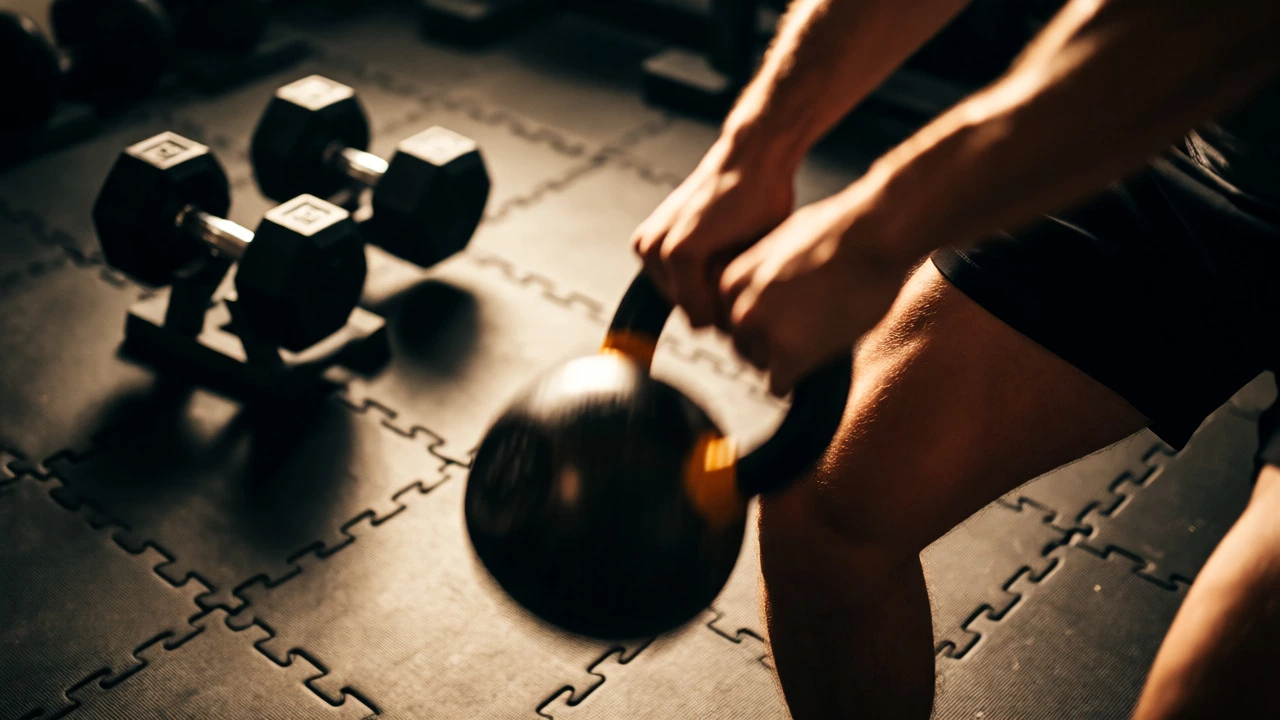
Many people think cardio requires a machine. That’s a myth. Kettlebells provide high-intensity cardiovascular conditioning while building functional strength. The offset center of gravity forces your core and stabilizer muscles to work overtime, unlike dumbbells where the weight is centered in your hand.
The swing, clean, and snatch are foundational movements that spike your heart rate faster than jogging in place. A 20-minute kettlebell session can burn as many calories as a 40-minute steady-state jog, according to research published by the American Council on Exercise. Plus, they take up almost no space. One 16kg (35lb) bell fits under a bed.
However, technique is non-negotiable. Swinging a kettlebell with a rounded back is a recipe for spinal injury. Spend your first two weeks learning the hip hinge pattern before adding speed. Start light-a 8kg or 12kg bell is plenty for beginners-to master the form.
Resistance Bands: The Travel-Friendly Powerhouse
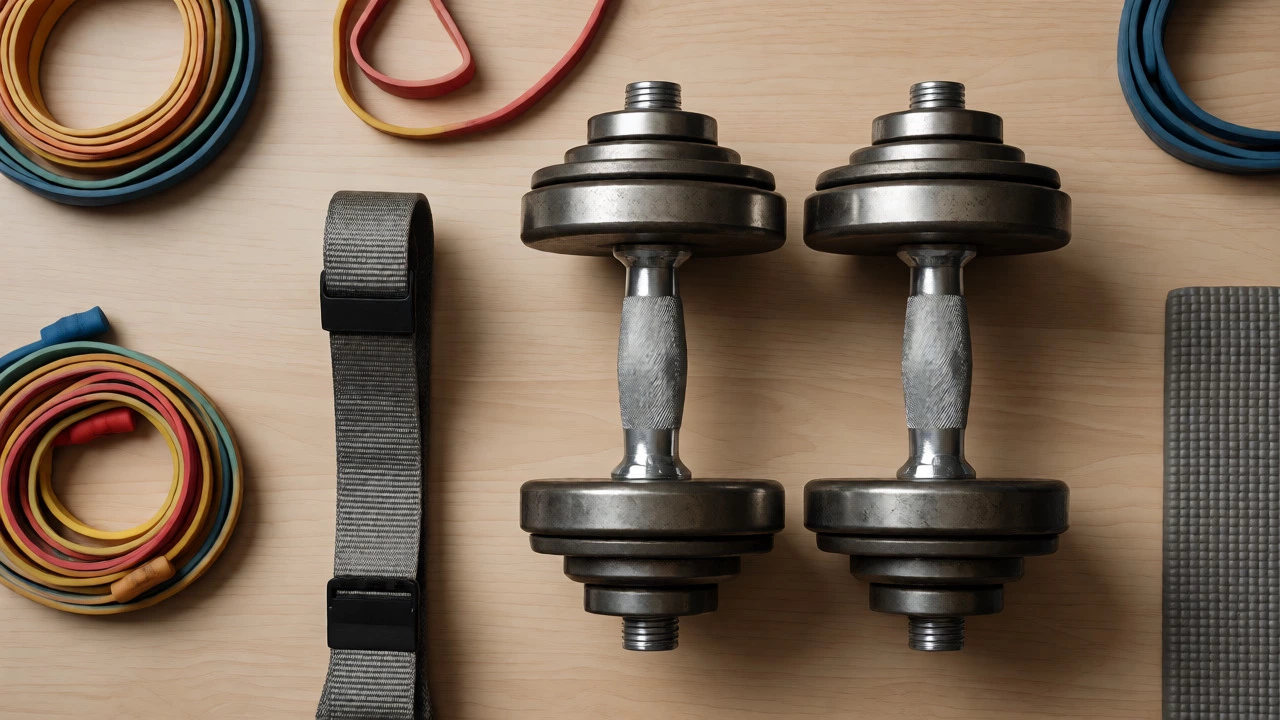
Don’t dismiss resistance bands because they look like rubber bands from a pharmacy. They provide variable resistance, meaning the exercise gets harder as you stretch the band. This matches human strength curves better than free weights in certain movements, particularly during the top half of a push-up or row.
Bands are ideal for:
- Warm-ups and activation exercises.
- Rehabilitation and pre-hab.
- Adding intensity to bodyweight moves (e.g., banded pull-aparts).
They cost less than a pizza and last for years if stored properly away from direct sunlight. The downside? Progression is tricky. You can’t add 2.5 pounds; you have to switch to a thicker band or double up. For serious hypertrophy (muscle growth), they are best used as accessories to dumbbells or kettlebells, not as the sole source of resistance.
The Space Saver: Suspension Trainers
Suspension trainers, popularized by TRX, anchor to a door frame or wall mount. They use your body weight against gravity. This system is incredibly effective for core stability and functional strength because every exercise requires stabilization.
Unlike machines that lock you into a fixed path, suspension trainers force you to control the angle of your body. Small adjustments in foot position drastically change difficulty. It’s perfect for travelers or apartment dwellers who can’t store bulky weights. However, without external load, progressing beyond advanced levels requires complex leverage manipulations, which can be confusing for novices.
What About Machines? Treadmills and Rowers
Let’s address the elephant in the room: large cardio machines. Are they effective? Yes. Are they efficient for everyone? No.
Indoor rowers (like Concept2) are arguably the most efficient cardio machines because they engage 86% of your musculature. They are low-impact, protecting joints while delivering massive aerobic benefits. If you enjoy data tracking and competitive intervals, a rower is fantastic.
Treadmills, conversely, often gather dust. Running indoors lacks the environmental variability of outdoor running, making it mentally tedious for many. Unless you live in an extreme climate or train for a marathon requiring precise pace control, a treadmill is often a poor investment compared to jump ropes or stair climbing.
Decision Matrix: Which Should You Buy?
Choosing the right gear depends on your primary goal. Here is a quick breakdown:
| Primary Goal | Best Equipment | Runner Up | Avoid If... |
|---|---|---|---|
| Strength & Muscle | Adjustable Dumbbells | Kettlebells | You have huge space/budget (buy barbell) |
| Fat Loss/Cardio | Kettlebells | Rower | You hate learning technique |
| Mobility/Rehab | Resistance Bands | Yoga Mat | You need heavy loading |
| Small Space | Suspension Trainer | Bands | You want max strength gains |
Common Pitfalls to Avoid
Even the best equipment fails if you fall into these traps:
- Buying for the Fantasy Self: Don’t buy a gymnastics ring setup if you’ve never done a pull-up. Buy what matches your current ability level, then upgrade.
- Ignoring Flooring: Dropping a 50lb dumbbell on hardwood will destroy both the floor and the equipment. Invest in interlocking rubber mats. They reduce noise and protect your gear.
- Lack of Programming: Having weights doesn’t mean you know what to do with them. Follow a structured plan. Random lifting leads to plateaus.
The Verdict
There is no single "best" piece of equipment, but there is a best starter kit. For most people, a pair of quality adjustable dumbbells and a set of resistance bands covers 90% of fitness needs. Add a kettlebell once you’re comfortable with basic movements. Skip the big machines unless you have a dedicated room and a genuine love for repetitive cardio.
Effectiveness isn’t about the price tag; it’s about consistency. The equipment that sits out and gets used daily beats the fancy machine that stays folded in the closet every single time.
Are resistance bands as good as weights for building muscle?
For beginners and intermediates, yes. Resistance bands can stimulate muscle growth effectively because they create tension throughout the range of motion. However, for advanced lifters seeking maximum hypertrophy, free weights are generally superior due to easier progressive overload and higher absolute load capacity.
Do I need a bench for my home gym?
Not necessarily, but it helps. A flat bench allows for stable pressing movements and supports your back during rows. Many floor exercises (like floor press) are safe alternatives if space is tight, but a bench expands your exercise variety significantly.
How much space do I really need for adjustable dumbbells?
Very little. A pair of adjustable dumbbells typically occupies less than 2 square feet when stored in their cradles. You need enough clearance around you to swing arms freely, roughly a 6x6 foot area, but storage footprint is minimal.
Is a treadmill worth buying for home use?
Only if you specifically enjoy running indoors or live in an area with harsh winters preventing outdoor activity. For general health, walking outdoors or using a stationary bike/rower is often more sustainable and less prone to becoming unused clutter.
Can I build significant muscle with just kettlebells?
Yes, especially for posterior chain development (glutes, hamstrings, back). Kettlebells excel at dynamic power and endurance. For maximal upper body hypertrophy, you might eventually hit a ceiling without heavier loads, but you can get very strong and lean with them alone.