3% Rule: What It Is and How It Applies to Mindfulness, Fitness, and Daily Habits
When people talk about the 3% rule, a principle suggesting that small, consistent improvements of just 3% per day lead to massive long-term gains. Also known as the marginal gains theory, it’s not about doing more—it’s about doing slightly better, every single day. You don’t need to overhaul your life. You just need to show up a little better than yesterday.
This idea shows up everywhere. In mindfulness practice, studies show that just five minutes a day of focused breathing can rewire stress responses. That’s less than 3% of your day—and it’s enough to change how you react to chaos. The same applies to 30 60s exercise, a simple HIIT format where you work for 30 seconds and rest for 60. It doesn’t sound like much, but doing it three times a week builds endurance, burns fat, and fits into a lunch break. Even in sustainable fashion, buying one higher-quality item instead of five cheap ones reduces waste and saves money over time. That’s the 3% rule in action: choosing better, not buying more. And if you’ve ever tried lazy gardening, where you let native plants and mulch do the work, you know it’s not about effort—it’s about smart, tiny habits that add up.
What these all have in common? They prove you don’t need willpower. You need consistency. The 3% rule isn’t about grand gestures. It’s about the five-minute mindfulness session you don’t skip. The 30-second burst of movement you squeeze in before coffee. The one sustainable brand you choose over a fast-fashion sale. These aren’t big changes. But they’re the ones that stick.
Below, you’ll find real guides that show exactly how this works—whether you’re trying to calm your mind, move your body, dress better, or grow food without burning out. No fluff. No hype. Just the small steps that actually change things.
What is the 3% Rule? Master Your Money Habits with the 3 Percent Rule

Uncover what the 3% rule means and how it can transform your finances, savings, and spending habits. Easy guide for smarter money choices.
Categories
RECENT POSTS
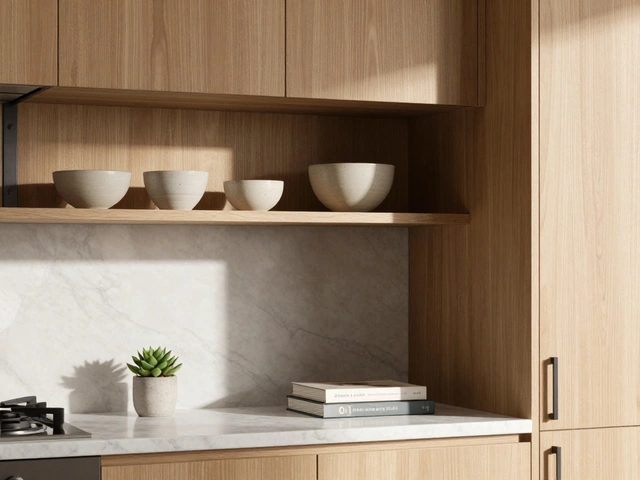
Are open shelves still in style in 2024? Here’s what’s really happening in home decor
Open shelves in 2024 aren’t gone - they’ve gotten smarter. Less clutter, more personality. Discover where they still work, what to display, and how to avoid common mistakes.

Do People Really Care About Sustainable Fashion? The Honest Truth
Do consumers truly prioritize eco-friendly clothing? Explore the gap between stated values and actual spending, the rise of secondhand markets, and how regulation is forcing brands to be honest.

Best 7 Day Workout Routine for Beginners and Fitness Enthusiasts
Looking for a practical weekly fitness guide? Dive into a detailed, actionable 7 day workout routine with expert tips, flexible plans, and hacks for real results.

How to Build Mental Strength and Overcome Mental Weakness
Discover how to build mental strength and stop feeling mentally weak with proven strategies, science-backed advice, and easy-to-follow tips.

What Makes a Woman Look Older Than Her Age? Style & Grooming Fixes
Discover why fit, hair color, and posture matter more than wrinkles. Learn simple style swaps to look vibrant and younger.