Fraud: How to Spot It, Avoid It, and Protect Yourself
When you hear the word fraud, a deliberate deception for personal or financial gain. Also known as scam, it’s not just something that happens to other people—it’s a growing threat in everyday life, from your bank account to your inbox. Whether it’s a fake charity email, a cloned credit card, or someone pretending to be your bank, fraud doesn’t need high-tech tools. It just needs your trust.
Related threats like identity theft, when someone steals your personal details to open accounts or make purchases in your name and financial fraud, unauthorized transactions or fake investment schemes designed to drain your savings are rising fast. You don’t need to be rich to be targeted. A simple phone call, a misleading ad, or even a well-timed text can trick anyone. The UK’s Action Fraud reported over 1.5 million cases last year—not because people are careless, but because scammers get better every day.
What makes fraud so dangerous isn’t just the money lost. It’s the shame, the confusion, and the lasting doubt it leaves behind. That’s why knowing the red flags matters more than ever. A too-good-to-be-true deal. A request to send money via gift cards. A caller who pressures you to act now. These aren’t accidents—they’re patterns. And the more you recognize them, the less power they have.
You’ll find real examples here—not theory, not fearmongering. Just clear, practical advice from people who’ve seen it firsthand: how to check if a brand is legit, how to spot fake customer service lines, and what to do the second you think something’s off. These aren’t just tips. They’re shields.
UK's Biggest Crime Problem: Examining the Surge in Fraud and Cybercrime

Fraud and cybercrime now top the charts as the UK's biggest crime problems. Dive into the numbers, real-world impact, and find out how to protect yourself right now.
Categories
RECENT POSTS

What Does Sustainable Fashion Mean? A Practical Guide to Ethical Style
Sustainable fashion means prioritizing ethical labor, environmental protection, and circularity over fast trends. Learn how to build an eco-friendly wardrobe, spot greenwashing, and choose durable materials.

Does the 12-3-30 Workout Actually Work? A Realistic Review
The 12-3-30 workout involves walking at a 12% incline, 3 mph, for 30 minutes. This article analyzes whether this viral fitness trend actually delivers results for weight loss and cardiovascular health, offering realistic expectations and safety tips.
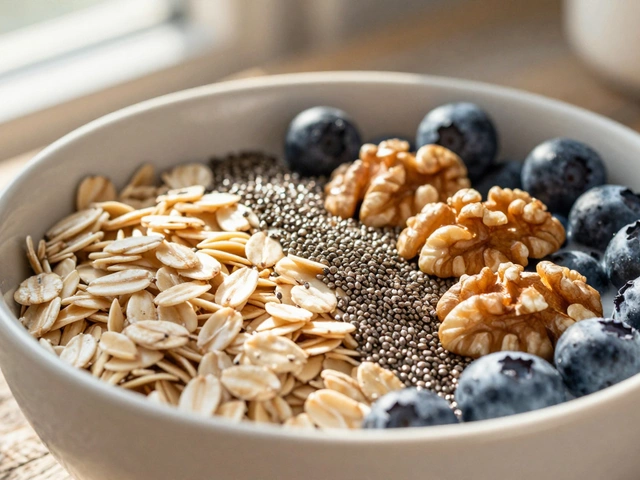
What Food to Eat to Lose Tummy Fat: The Real Science and Best Meal Ideas
Discover the real science behind losing tummy fat. Learn which foods reduce visceral fat, what to avoid, and get practical healthy meal ideas for sustainable weight loss.
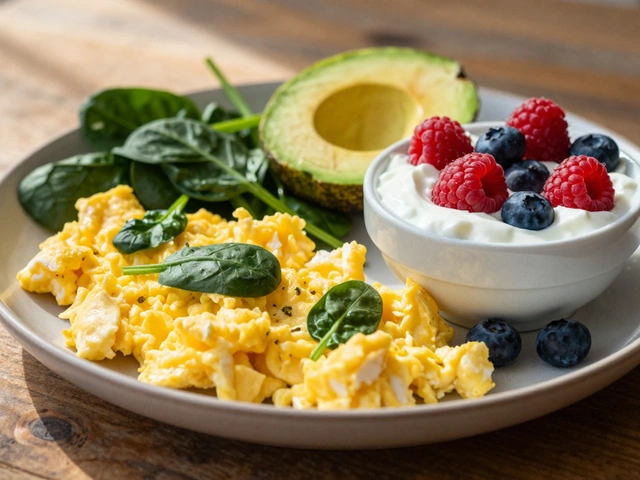
What to Eat to Lose Belly Fat in 1 Week: Realistic Food Guide
Discover realistic foods and strategies to reduce belly fat and bloating in one week. Learn what to eat, what to avoid, and how to create a sustainable calorie deficit for quick results.
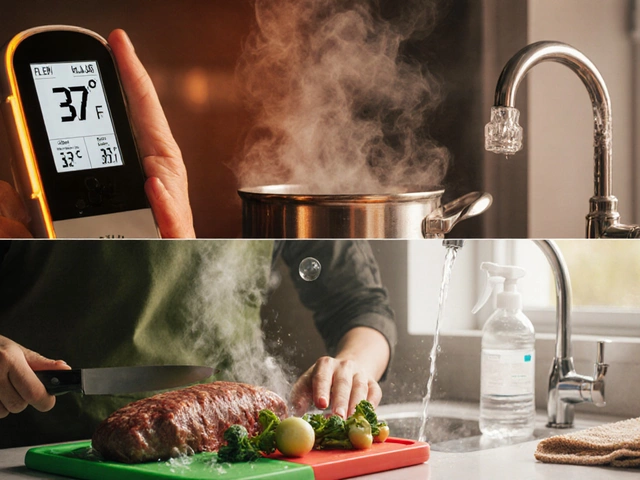
4 Essential Food Preparation Controls for Safe Meal Prep
Discover the four key food preparation controls-temperature, cross‑contamination, personal hygiene, and cleaning-to keep meals safe and tasty.