Garden Steps: Practical Designs, Materials, and Smart Ways to Build Them
When you have a slope in your yard, garden steps, structured pathways that connect different levels in an outdoor space. Also known as outdoor steps, they’re not just about convenience—they prevent erosion, reduce tripping hazards, and turn awkward slopes into usable areas. Many people think garden steps are just a series of bricks or planks nailed together, but the best ones are planned with soil type, water runoff, and daily use in mind.
Building garden steps isn’t just about height and width. It’s about matching the material to your climate and soil. Concrete works well in wet areas because it doesn’t rot, but it can crack if the ground shifts. Treated wood is warmer underfoot and easier to install, but it needs regular sealing—especially in the UK’s damp weather. Stone or reclaimed brick gives a natural look and lasts decades if laid on a solid base. garden landscaping, the intentional arrangement of outdoor features to improve function and beauty. Also known as outdoor design, it’s the bigger picture that garden steps belong to. Steps that don’t blend with the rest of your yard feel like an afterthought. The best ones look like they’ve always been there, whether you’re going from patio to lawn or from driveway to flowerbed.
Then there’s safety. garden safety, the practice of designing outdoor spaces to reduce physical risks like slips, trips, and falls. Also known as outdoor hazard prevention, it’s often ignored until someone stumbles. Steps with no handrail on a steep slope? That’s asking for trouble, especially for older adults or kids. Even small rises—just six inches—can be dangerous at night or in the rain. Non-slip surfaces, consistent rise and run measurements, and good lighting aren’t luxuries; they’re basics. You don’t need fancy lighting. A few solar path lights along the edge make a huge difference.
And don’t forget maintenance. A set of steps that looks great in spring can turn into a muddy mess by autumn if drainage isn’t handled. Slopes channel water, and without proper grading behind the steps, that water will pool, loosen soil, and eventually lift or crack the structure. A simple gravel base under each step, or a small French drain at the bottom, can save you months of repair work. It’s not about spending more—it’s about building right the first time.
Some people skip steps entirely and use flat stones or logs as a workaround. But those aren’t steps—they’re hazards. True garden steps have a clear, consistent path. They’re not decorative accents. They’re functional infrastructure, like a door handle or a light switch for your yard. If you’re thinking about adding them, start by mapping your slope. Measure the rise and run. Walk the path at different times of day. See where people naturally walk. Then choose materials that match your climate and your lifestyle. A busy family needs durable, low-maintenance steps. A quiet garden might call for something more natural and handcrafted.
Below, you’ll find real examples of how people have tackled garden steps—whether they’re working with a tiny backyard slope, a steep hillside, or a raised patio. Some used recycled materials. Others hired pros. A few tried it themselves and learned the hard way. What they all have in common? They didn’t just build steps. They built safer, smarter, more usable outdoor space.
What Are the 10 Steps to Planting a Garden?
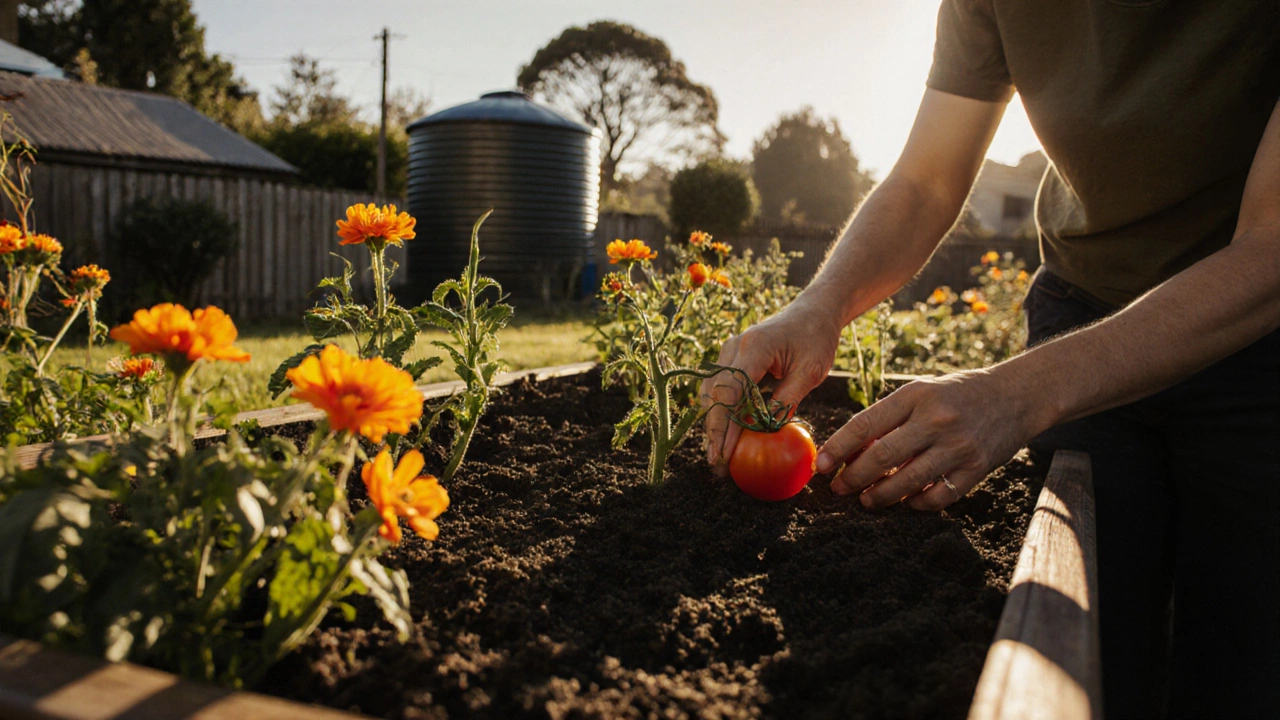
Learn the 10 practical steps to plant a successful garden, whether you're in Wellington or just starting out. From soil prep to watering, these tips work for beginners and small spaces.
Categories
RECENT POSTS

Is dark furniture coming back in 2024? Here’s what’s actually happening in home decor
Dark furniture isn't just returning-it's becoming the quiet foundation of modern homes. Learn why walnut, mahogany, and blackened oak are winning over light woods in 2024, and how to style them without making your space feel heavy.
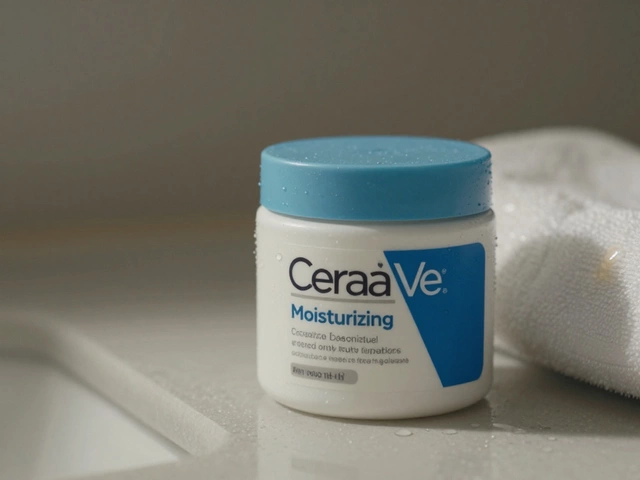
Why is CeraVe so popular? The science behind the dermatologist-recommended skincare brand
CeraVe's popularity comes from its dermatologist-developed formula that repairs the skin barrier with ceramides and hyaluronic acid-no fragrances, no hype, just results. It's trusted for sensitive skin, eczema, and acne-prone skin worldwide.

How to Clear a Blocked Mind: 7 Science-Backed Ways to Reset Your Brain
Struggling with a blocked mind? Discover 7 science-backed ways to clear brain fog, reset focus, and boost mental clarity instantly. From physiology hacks to nutrition tips.

Can You Use Your US Cell Phone in London? Guide to Connecting Seamlessly Abroad
Curious if your US phone works in London? Learn about roaming, SIM cards, phone compatibility, and data tips to avoid headaches and huge bills abroad.

How to Avoid Crime in the UK: Practical Safety Tips for Travelers
Learn practical ways to avoid crime in the UK as a traveler. From pickpocket prevention to safe transport tips, these real-world strategies help you stay secure without missing out on the experience.