Keep or Declutter? Decision Tool
You’ve watched the videos. You’ve read the blogs. The promise is simple: throw away half your stuff, find peace, and finally see your floor. It sounds great until you’re standing in your hallway holding a box of "junk" that turns out to be your only spare lightbulbs, winter gloves, or that one specific screwdriver you need for the IKEA shelf installed three years ago.
Decluttering isn’t just about subtraction; it’s about curation. If you strip your home down to bare bones without thinking, you’ll end up buying replacements at full price within six months-or worse, losing something irreplaceable because you didn’t think it had "value." The goal isn't an empty house. It’s a functional, comfortable home where everything has a place and a purpose.
The "I'll Buy It Again" Trap
The most common mistake people make when decluttering is assuming that if they lose something, they can easily replace it. This works for cheap plastic containers or generic pens. It fails spectacularly for specialized tools, unique hardware, and niche hobby supplies.
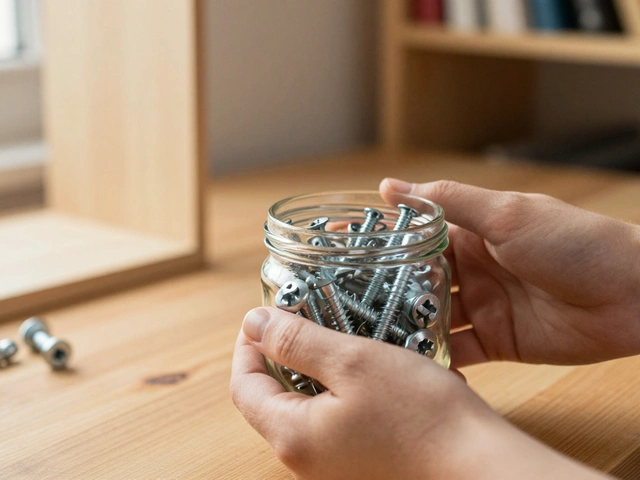
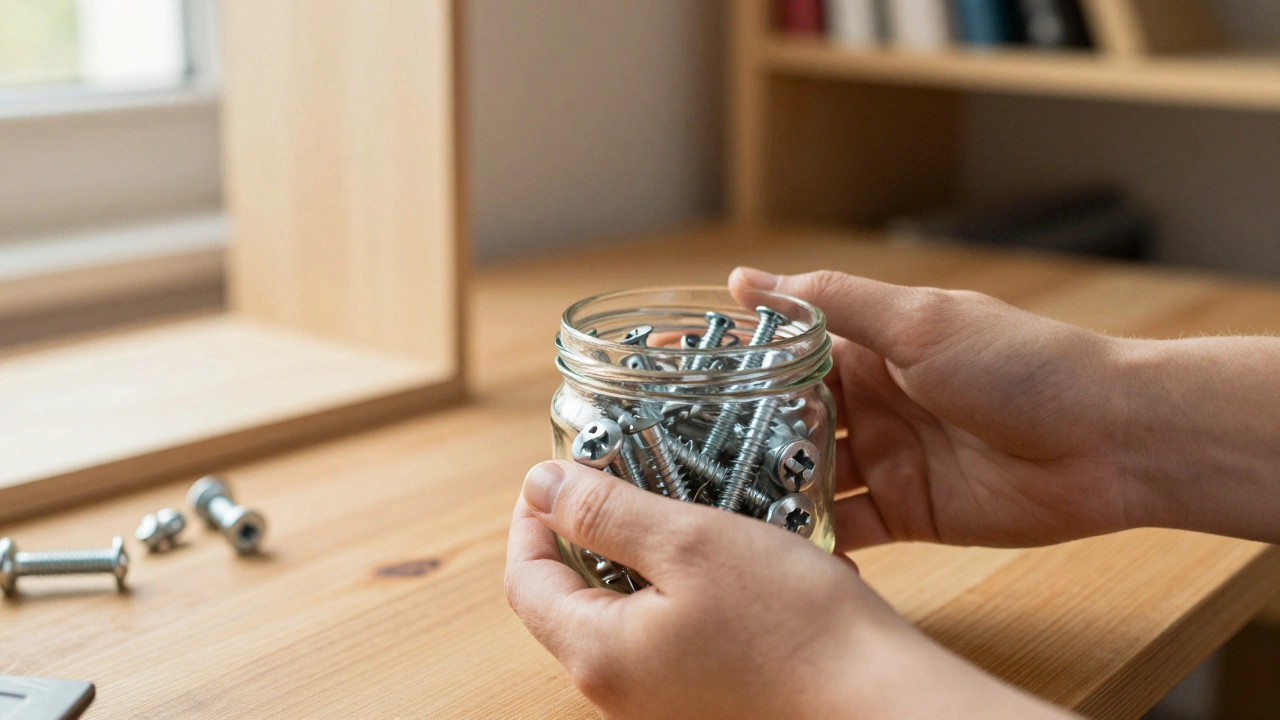
Think about your toolkit. You probably have a few screws left over from every assembly project since you moved in. Throwing them away seems logical-they’re just scraps. But when your bookshelf wobbles in two years, you won’t be able to buy those exact cam locks again. Keep a small jar for these oddments. It’s not clutter; it’s insurance.
Similarly, consider your electronics cables. We all have a drawer of tangled wires. Before you toss them, label them. That old HDMI cable might be the only one long enough to reach your TV from the console. That USB-C charger might be the only one with the right wattage for your tablet. If you throw them out, you’ll spend twenty minutes searching online for a replacement, only to realize the new one costs $15 and takes three days to arrive. Keep what works. Discard what’s broken beyond repair.
Sentimental Items: Quality Over Quantity
Sentimental clutter is the hardest to tackle. Old letters, concert tickets, children’s drawings, and photo albums hold emotional weight. The urge to purge them feels like erasing part of your history. But keeping everything doesn’t honor the memory-it buries it under dust.
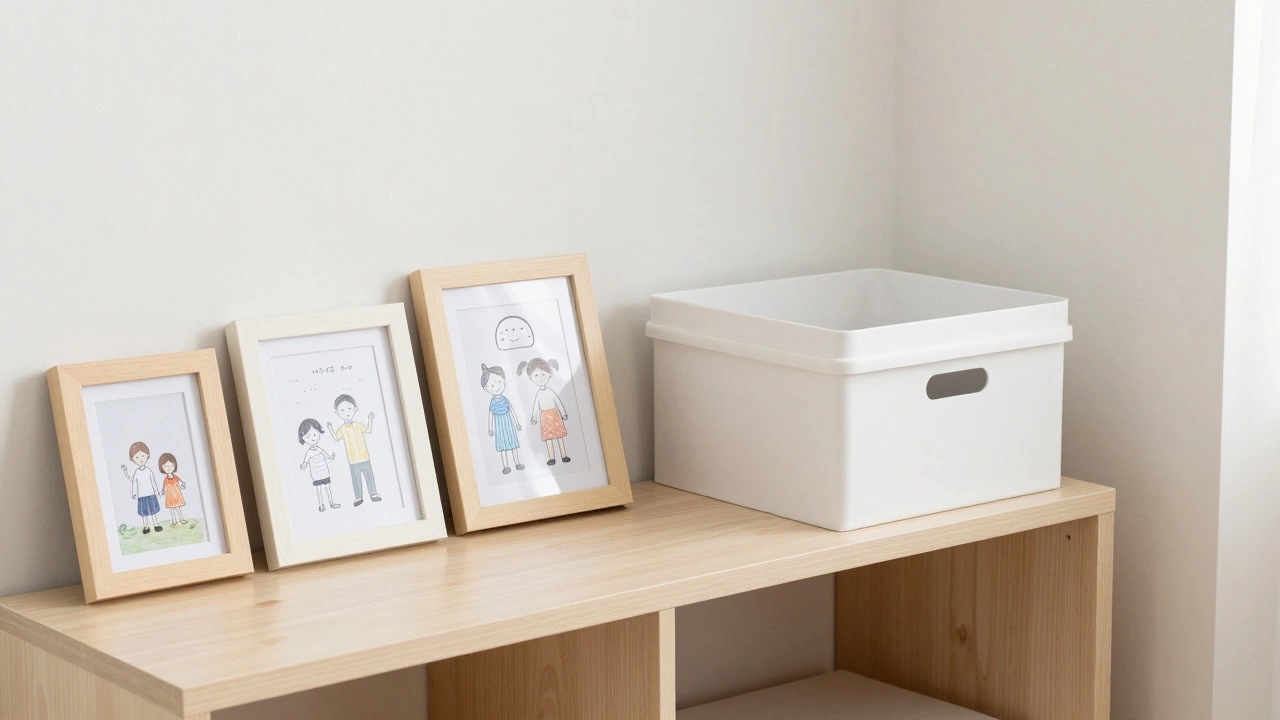
Don’t throw away sentimental items, but don’t keep them all either. Be ruthless about quality. Do you really need every single birthday card from the last decade? Probably not. Pick the top ten that truly resonate. Scan the rest if you want digital backups, then recycle the paper. Frame the best ones. Store the rest in a single, labeled box.
This approach respects the memory without letting it consume your living space. A framed drawing from your child’s first day of school means more than a shoebox full of crumpled paper hidden under the bed. Curate your memories. Make them visible and accessible, not hidden and forgotten.
Seasonal Gear: Don’t Live Like a Nomad
If you live in a place with distinct seasons, like Wellington with its unpredictable wind and rain, seasonal gear is essential. Winter coats, hiking boots, beach towels, and holiday decorations aren’t clutter-they’re lifestyle necessities.
The mistake isn’t owning these items; it’s storing them poorly. When summer ends, don’t shove winter clothes into a random closet corner where they get crushed and forgotten. Use vacuum-sealed bags or clear storage bins. Label them clearly. Rotate them seasonally. This way, your home feels spacious year-round, but you’re never caught off guard by a sudden cold snap.
Keep your current season’s gear accessible. Out-of-season items should be stored, not discarded. If you haven’t worn a coat in five years, maybe it’s time to let it go. But if it’s still good and fits, store it properly. Your future self will thank you when the temperature drops unexpectedly.
Paperwork: The Boring But Critical Stuff
Paper clutter is invisible until it’s everywhere. Bills, warranties, manuals, and tax documents pile up on desks and kitchen counters. It’s tempting to shred it all and go paperless. But some documents are legally required or financially critical.
Keep recent tax returns (usually seven years), property deeds, vehicle registrations, and important contracts. Shred outdated bills and junk mail immediately. For warranties and manuals, digitize them. Take photos or scan them into a cloud folder organized by item. Then, you can safely recycle the physical copies unless they’re for high-value items where the original warranty card matters.
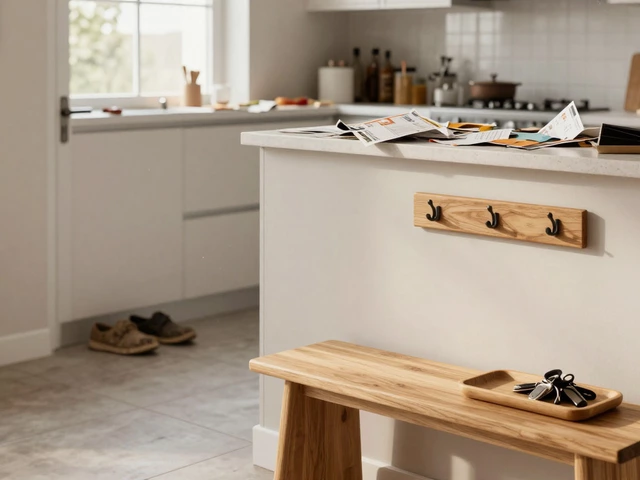
Create a "to-file" system. One tray for incoming papers, one for things to shred, one for things to file. Process this tray weekly. This prevents paper snowball effect. You don’t need to keep every receipt, but you do need to know where to find proof of purchase if something breaks.
Kitchen Gadgets: Utility vs. Novelty
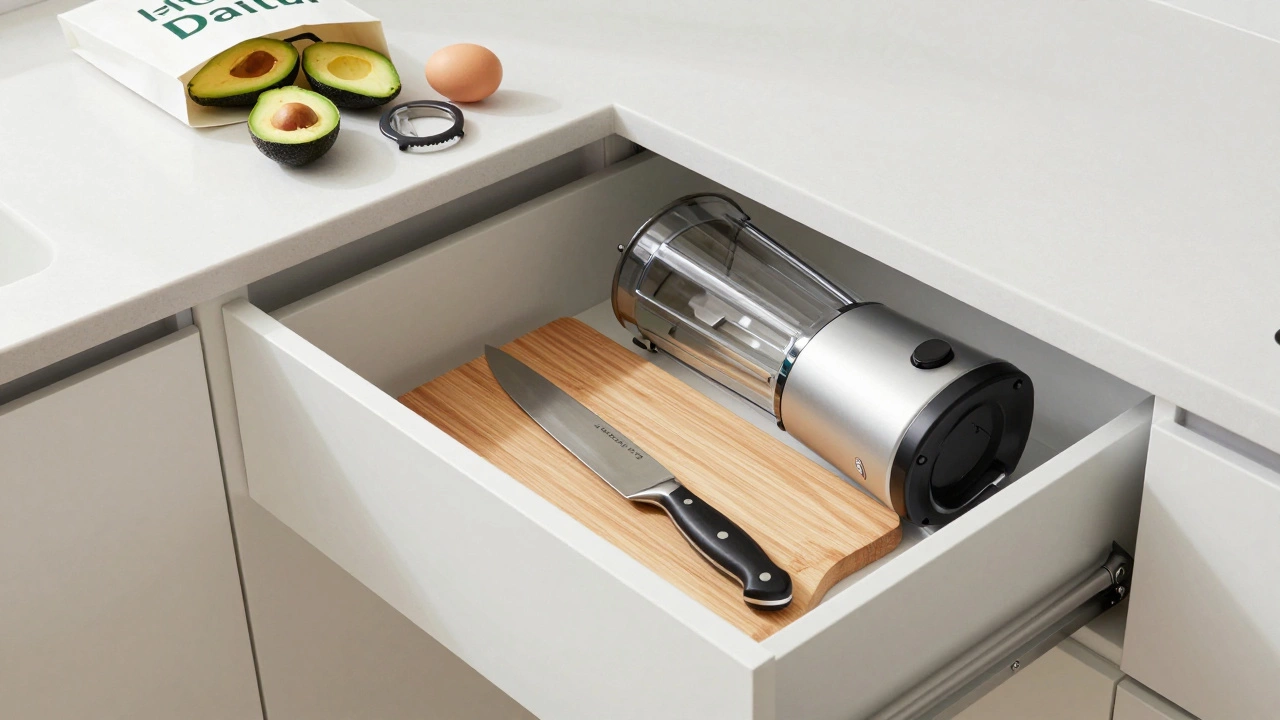
Your kitchen is ground zero for clutter. Avocado slicers, egg separators, and spiralizers often end up unused after one enthusiastic attempt. These are fair game for donation or trash. But don’t confuse novelty with utility.
Keep the tools you actually use. A good chef’s knife, a sturdy cutting board, a reliable blender, and basic pots and pans are worth their weight in gold. If you cook regularly, these aren’t clutter-they’re investments. Throw away the duplicate spatulas, the cracked mugs, and the mismatched Tupperware lids that fit nothing.
Ask yourself: "Have I used this in the last six months?" If yes, keep it. If no, ask: "Will I realistically use this again?" If the answer is uncertain, donate it. But don’t throw away your primary cooking tools just because they look old. Functionality trumps aesthetics in the kitchen.
Clothing: Fit and Frequency
Clothes are personal. What looks cluttered to one person is a wardrobe staple to another. The key is fit and frequency. If it doesn’t fit your current body, it’s not clutter-it’s a reminder of a different time. Donate it or store it if you plan to change back. If it hasn’t been worn in two years, let it go.
Keep versatile pieces. A well-fitting pair of jeans, a neutral sweater, and comfortable shoes form the backbone of any wardrobe. Clutter creeps in with trends. Fast fashion items that fall apart after one wash are waste. Invest in quality basics. They last longer and reduce the need to constantly buy new things.
Try the "one-in, one-out" rule. For every new item you bring home, remove one old one. This maintains balance. Your closet stays manageable, and you stop accumulating clothes you don’t love.
Books and Media: Digital vs. Physical
Bookshelves are beautiful, but they fill up fast. If you’re a reader, you face a choice: keep physical books or switch to digital. There’s no right answer, but there is a wrong one: keeping books you’ll never read again.
Donate books you’ve finished and have no intention of re-reading. Sell rare editions or favorites you want to pass on. Keep reference books, classics, and titles that inspire you. If you prefer e-books, transition gradually. Read the physical copy, then sell or donate it. This frees up space without losing access to content.
For movies and music, streaming services have made physical collections largely obsolete. Unless you’re a collector, DVDs and CDs take up space for little return. Digitize your library if possible, or donate them. Keep only the special editions or albums with significant personal meaning.
| Category | Keep | Declutter/Donate |
|---|---|---|
| Tools & Hardware | Specialized tools, spare parts, working cables | Duplicate basic tools, broken items, unknown cords |
| Sentimental Items | Top 10 most meaningful pieces, framed photos | Excess cards, duplicates, low-quality memorabilia |
| Clothing | Fits well, worn in last 2 years, versatile basics | Doesn’t fit, damaged, unworn for 2+ years |
| Paperwork | Tax records (7 yrs), deeds, contracts, IDs | Junk mail, expired warranties, duplicate receipts |
| Kitchen | Daily-use appliances, good cookware, complete sets | Novelty gadgets, cracked dishes, mismatched lids |
The Emotional Cost of Purging Too Much
There’s a psychological side to decluttering. When you throw away too much, too quickly, you can feel a sense of loss or regret. This isn’t weakness; it’s human nature. Our possessions are tied to our identity and memories.
Take your time. Declutter in stages. Start with easy wins like expired food or broken items. Move to harder categories like clothes and paperwork last. Celebrate small victories. If you feel overwhelmed, stop. Rest. Come back later.
Remember, the goal is freedom, not emptiness. A home should reflect who you are, not who you think you should be. Keep what brings joy, function, and comfort. Let go of what weighs you down. Balance is key.
Should I throw away old prescription glasses?
No. Keep your old glasses as a backup. If you break your current pair, having an older prescription is better than having none. Store them in a safe place. Consider donating them if they are still in good condition and you have a newer backup.
How many boxes of sentimental items is too many?
Aim for one or two clearly labeled boxes. If you have more, it’s likely clutter masquerading as memory. Curate ruthlessly. Keep only the items that evoke strong, positive emotions. The rest can be scanned or donated.
Is it okay to keep duplicate kitchen utensils?
Only if you cook for large groups frequently. For most households, one good set of utensils is sufficient. Duplicates take up drawer space and rarely get used. Donate extras to shelters or community centers.
What should I do with clothes that don’t fit anymore?
If you plan to return to that size soon, store them in a vacuum bag in a cool, dry place. If it’s been over two years, donate them. Holding onto clothes that don’t fit can negatively impact your self-image and motivation.
Do I need to keep all my computer software discs?
Most modern software is digital. Check if you have license keys or cloud backups. If so, you can safely recycle the discs. Keep only discs for legacy systems or rare software that cannot be downloaded elsewhere.