Improve Work-Life Balance: Simple Ways to Feel Less Burned Out
When you try to improve work-life balance, the goal isn’t to work less—it’s to feel less drained while doing what you need to do. Also known as reducing burnout, it’s about creating space in your day so you’re not constantly running on empty. This isn’t a luxury. It’s a basic need for anyone juggling a job, family, or just the pressure to keep up.
Most people think work-life balance means leaving work at 5 p.m. But it’s deeper than that. It’s about mental wellbeing, how you feel emotionally and mentally after a long day. If you’re checking emails at midnight or feeling guilty for taking a lunch break, your balance is off. It’s also tied to stress management, the real skill of recognizing when your body is screaming for a reset. You don’t need a week off in Bali. You need five minutes of quiet, a clear boundary around your time, and sleep that actually restores you.
People who stick with it don’t overhaul their lives. They start small: turning off notifications after 7 p.m., saying no to one extra task, walking instead of scrolling before bed. These aren’t grand gestures—they’re daily habits that add up. The posts below show you exactly how others did it: how five minutes of mindfulness cuts anxiety, how sleep impacts your focus more than caffeine, how setting boundaries with coworkers actually makes you more respected. You’ll find real stories from people who felt trapped, then found a way out—not by quitting, but by rebuilding their routine one choice at a time.
What you’ll see here isn’t theory. It’s what works when you’re tired, busy, and done with pretending you can do it all. No fluff. No toxic positivity. Just clear, doable steps to stop feeling like you’re always behind.
How to Improve Work-Life Balance in 2025

Learn practical, real-world ways to improve work-life balance in 2025-without quitting your job. Set boundaries, protect your time, and reclaim your energy with simple, proven habits.
Categories
RECENT POSTS
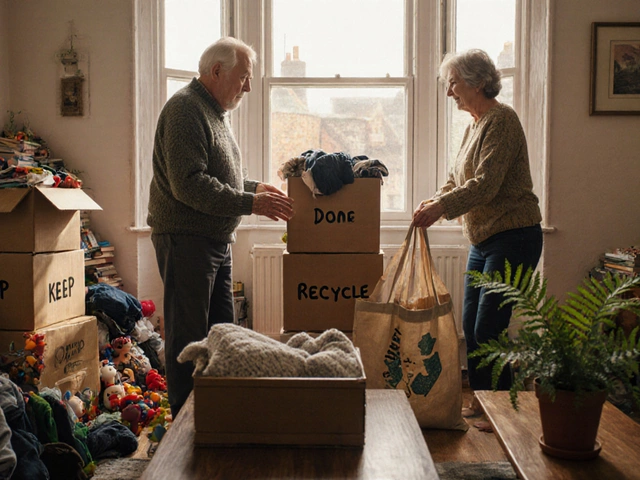
Effective Steps to Clean Out a House Full of Junk
A step‑by‑step guide to declutter a junk‑filled home, covering sorting, donation, recycling, junk‑removal services, and long‑term upkeep.

How to Find Your Ideal Work-Life Balance in 2025
Discover how to create an ideal work-life balance with proven strategies, helpful tips, and real-life facts to boost your happiness and productivity in 2025.
What Is the Snack Acronym for Mindfulness? Here’s the Simple Trick Used by Therapists
The S.N.A.C.K. acronym is a simple, science-backed mindfulness tool that helps you pause, notice, and respond - not react - in stressful moments. No meditation required.

Discover the Most Magical Places to Visit in the UK
Journey through the UK's most magical sites, from ancient castles to misty highlands. Find enchanting spots, travel tips, and inspiring stories for your next UK adventure.

What Makes a Woman Look Older Than Her Age? Style & Grooming Fixes
Discover why fit, hair color, and posture matter more than wrinkles. Learn simple style swaps to look vibrant and younger.