Garden Care & Watering Planner
Select Your Plant
Select a plant to see its care requirements
Based on sustainable gardening principles from our guide
Most people think a thriving garden is the result of expensive fertilizers or green thumbs. It isn't. A lush, productive yard comes down to understanding the biology under your feet and respecting the rhythm of nature. If you are standing in a patch of dirt wondering why your plants look sad, the answer usually lies in what you aren't seeing: the soil ecosystem.
Gardening is less about forcing growth and more about removing barriers. When you get the basics right-soil structure, water management, and light exposure-the plants take care of themselves. This guide cuts through the noise and gives you the practical steps to build a resilient outdoor space that looks good year-round.
The Foundation: Building Living Soil
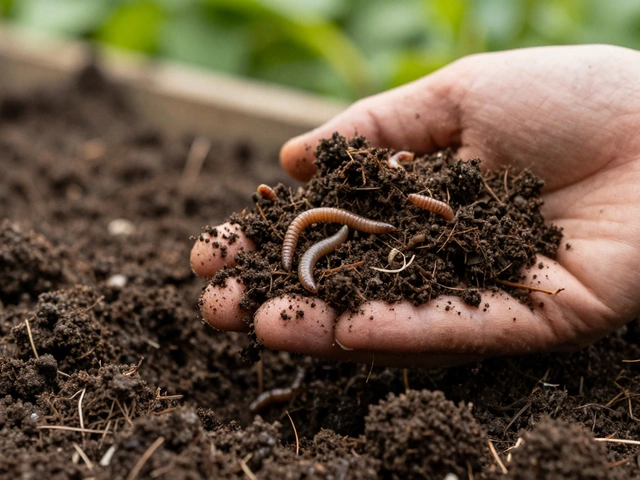
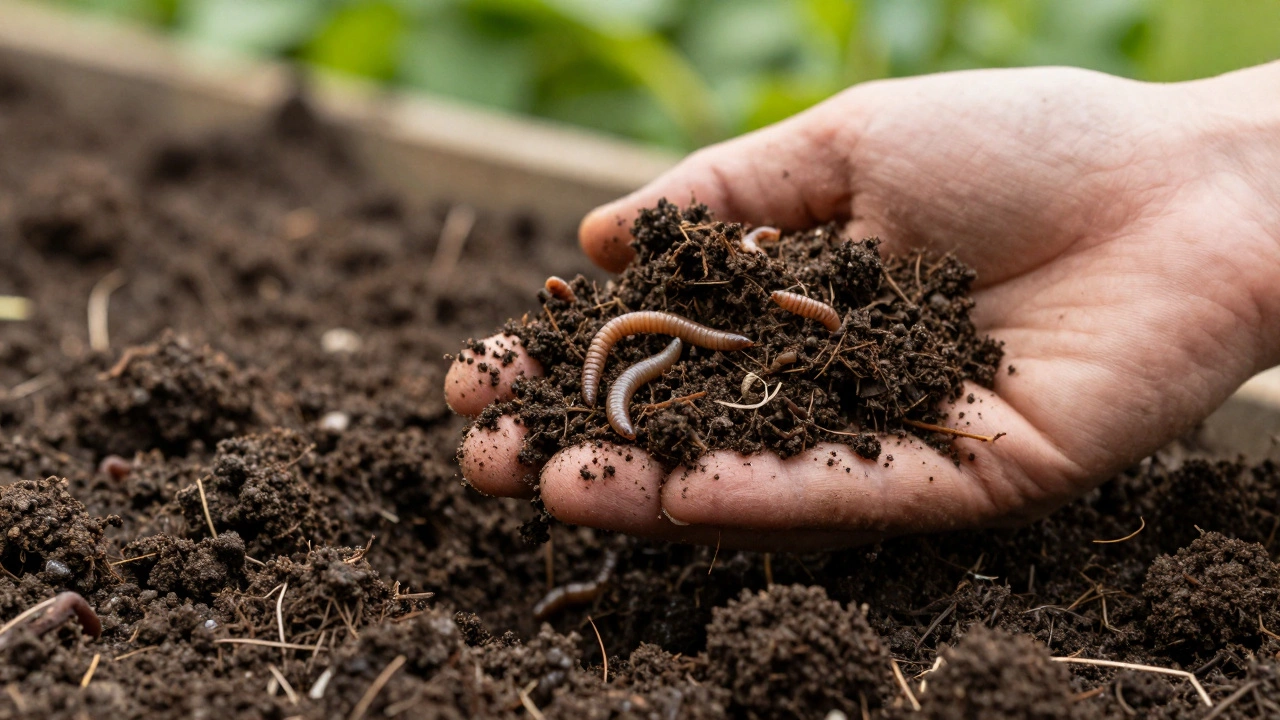
You cannot grow healthy plants in dead dirt. Soil is not just a medium to hold roots; it is a living ecosystem teeming with bacteria, fungi, earthworms, and nematodes. These microscopic workers break down organic matter into nutrients that plants can absorb. If your soil is compacted clay or sterile sand, your plants will struggle regardless of how much you water them.
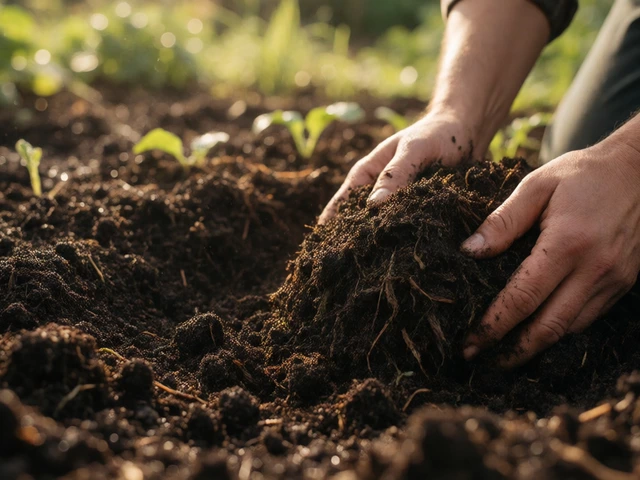
To start building this foundation, stop tilling your garden aggressively. Tilling destroys fungal networks (mycorrhizae) that help plants access water and nutrients. Instead, use a "no-dig" approach. Spread a layer of compost over existing soil and let worms and rain do the mixing. Over time, this creates a crumbly, dark texture that roots love.
- Test your pH: Most vegetables prefer a slightly acidic to neutral pH (6.0-7.0). Use a simple home test kit available at hardware stores.
- Add mulch: Cover bare soil with wood chips, straw, or leaves. This keeps moisture in and weeds out while slowly feeding the soil as it decomposes.
- Avoid synthetic salts: Chemical fertilizers burn soil life. Stick to slow-release organic options like bone meal or kelp extract if you need a nutrient boost.
Light Logic: Placing Plants Where They Belong
One of the biggest mistakes new gardeners make is ignoring sunlight requirements. Every plant has a specific photoperiod need. Putting a tomato plant in partial shade guarantees poor fruit set, while placing a fern in full midday sun will scorch its fronds.
Observe your garden for a week. Note which areas get direct sun from 9 AM to 4 PM. This is your "full sun" zone, ideal for fruits, vegetables, and flowering annuals. Areas with dappled light or morning-only sun are perfect for leafy greens, herbs like mint and parsley, and hostas.
In regions with intense summer heat, such as parts of Australia or California, afternoon shade becomes valuable. You might need to provide temporary shade cloth for delicate seedlings. Conversely, in cooler climates like the UK or New Zealand, maximizing every hour of sunlight helps extend the growing season.
Watering Smart: Quality Over Quantity
Water is life, but too much or too little kills plants. The goal is consistent moisture, not soaking wet or bone dry conditions. Inconsistent watering leads to issues like blossom end rot in tomatoes or bolting in lettuce.
Ditch the sprinkler if you can. Sprinklers waste water through evaporation and wet foliage, which encourages fungal diseases like powdery mildew. Instead, use drip irrigation or soaker hoses placed directly at the base of the plants. This delivers water exactly where the roots are.
| Plant Category | Water Frequency | Signs of Under-Watering | Signs of Over-Watering |
|---|---|---|---|
| Vegetables (Tomatoes, Peppers) | Deep soak 2-3 times/week | Wilting during day, yellowing lower leaves | Yellowing upper leaves, root rot smell |
| Leafy Greens (Lettuce, Spinach) | Light daily watering | Bitter taste, rapid bolting | Mushy stems, fungal spots |
| Herbs (Rosemary, Thyme) | Allow to dry between waters | Brittle, grayish leaves | Leggy growth, stem collapse |
| Perennials (Lavender, Salvia) | Once a week after establishment | Dry, crispy flower buds | Poor blooming, blackened stems |
Check soil moisture before watering. Stick your finger two inches into the dirt. If it feels dry, water. If it’s damp, wait. This simple habit saves water and prevents root suffocation.
Companion Planting and Pest Management
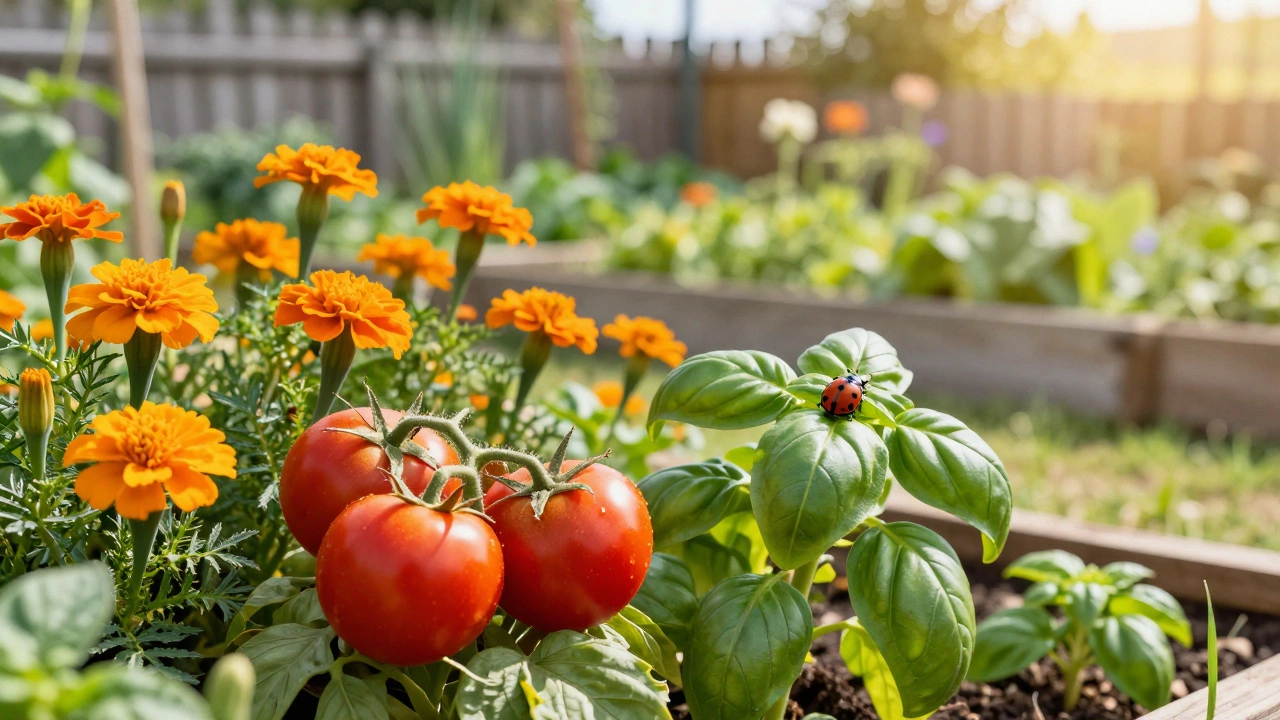
A thriving garden is a balanced ecosystem, not a monoculture. Planting diverse species together confuses pests and attracts beneficial insects. This is known as companion planting. For example, planting marigolds near tomatoes repels nematodes and aphids due to their strong scent.
Instead of reaching for chemical pesticides when you see bugs, ask yourself: "What is eating these bugs?" Ladybugs, lacewings, and hoverflies are natural predators of aphids. To attract them, plant nectar-rich flowers like cosmos, zinnias, and dill. Allow some "messiness" in your garden; a few aphids on a rose bush are fine because they feed the ladybugs that keep the population in check.
If pests become overwhelming, use physical barriers like row covers or neem oil sprays. Neem oil disrupts the hormonal system of insects without harming bees or butterflies when applied correctly at dusk.
Seasonal Maintenance and Pruning
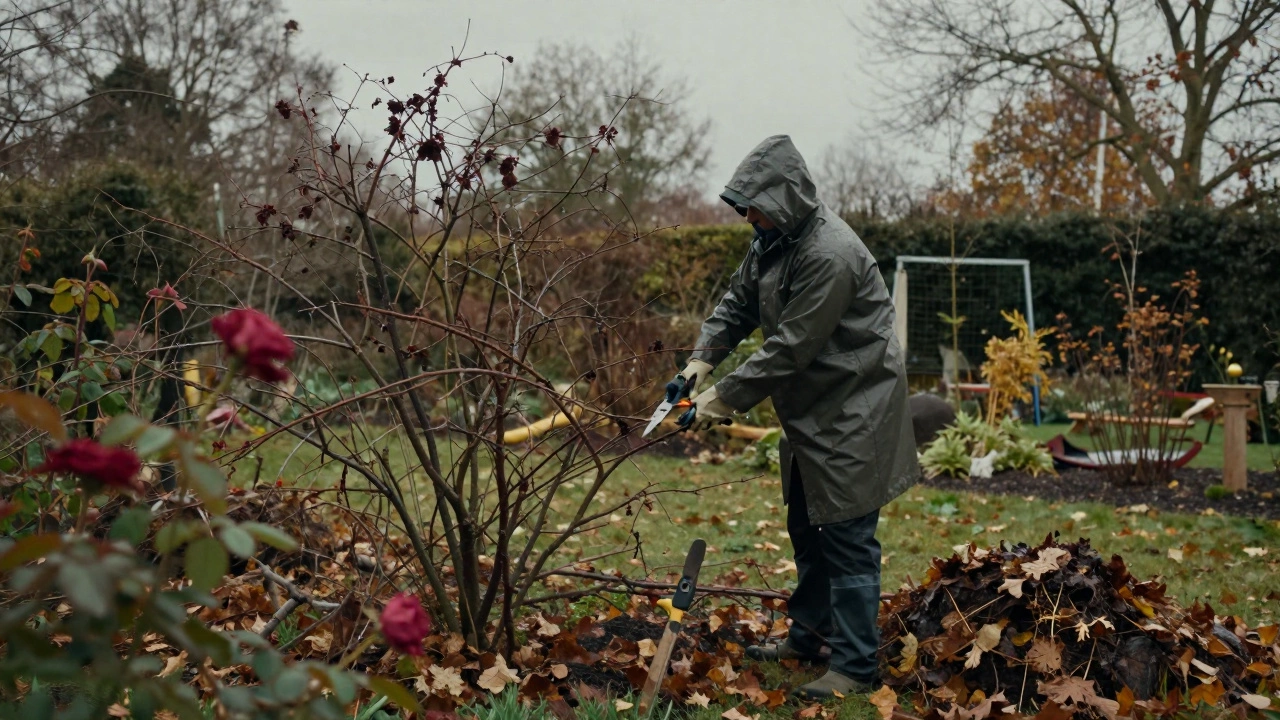
Gardens require different care depending on the season. Spring is for planting and mulching. Summer demands consistent watering and deadheading (removing spent flowers) to encourage more blooms. Autumn is crucial for cleaning up diseased leaves to prevent overwintering pathogens. Winter is for planning and protecting tender perennials.
Pruning is often feared but essential. Removing dead or crossing branches improves air circulation and light penetration. For roses, cut back hard in late winter to promote vigorous new growth. For trees, prune during dormancy to shape structure without stressing the plant.
Common Pitfalls to Avoid
Even experienced gardeners fall into traps. Here are three common errors that stunt progress:
- Over-fertilizing: More food doesn’t mean better growth. Excess nitrogen causes lush foliage but few flowers or fruits. It also burns roots.
- Crowding plants: Read the seed packet spacing instructions. Crowded plants compete for resources and create humid microclimates that breed disease.
- Ignoring crop rotation: Growing the same family of plants (like nightshades: tomatoes, potatoes, peppers) in the same spot year after year depletes specific nutrients and builds up soil-borne diseases. Rotate families annually.
How long does it take to build healthy garden soil?
You will see improvements within one growing season, but truly rich, living soil takes 2-3 years of consistent composting and no-till practices. Start adding organic matter immediately for best results.
Can I make a thriving garden in containers?
Yes. Container gardening requires high-quality potting mix (not garden soil), frequent watering, and adequate drainage holes. Herbs, salad greens, and dwarf tomato varieties thrive in pots.
Why are my plants wilting even though I water them?
Wilting despite watering often indicates root rot from overwatering, compacted soil preventing absorption, or extreme heat stress. Check soil moisture depth and ensure pots have drainage.
What is the best time to plant vegetables?
Cool-season crops (lettuce, peas) go in early spring or late summer. Warm-season crops (tomatoes, squash) should be planted after the last frost date when soil temperatures reach 60°F (15°C).
Do I need to buy special tools for organic gardening?
No. Basic hand tools like a trowel, pruners, and a rake suffice. Organic gardening relies on technique and observation, not specialized equipment. Focus budget on quality soil amendments instead.