Junk Removal: How to Clear Clutter and Live Lighter
When you think of junk removal, the process of identifying, collecting, and responsibly disposing of unwanted items from your home or workspace. Also known as clutter clearance, it's not just about hauling away old boxes and broken appliances—it's about creating room for what actually matters. Most people wait until their garage is full or their closet won’t close before they act. But real junk removal starts with a simple question: Do I need this, or am I just holding onto it?
It’s not just about the physical stuff. Junk removal connects to how you live. If you’ve ever felt overwhelmed by stuff you never use, you’re not alone. Studies show clutter increases stress and makes decision fatigue worse. That’s why so many posts here focus on decluttering, the intentional process of removing unnecessary items to simplify your environment—like picking the first room to clean, building a minimalist wardrobe, or choosing what to keep from your kitchen. And when you’re done removing, what happens to the stuff? That’s where sustainable disposal, the practice of recycling, donating, or repurposing items instead of sending them to landfill comes in. Goodwill isn’t just a thrift store—it’s part of a circular economy. Coffee grounds in the garden, old clothes turned into rags, broken furniture repaired instead of tossed—these aren’t quirks. They’re smart moves that reduce waste and save money.
Real junk removal doesn’t require a big garage sale or a rented truck. It starts with one drawer. One shelf. One bag you’ve been avoiding. The posts below show you how to do it without guilt, without overwhelm, and without buying more storage solutions you don’t need. You’ll find tips on what to toss, what to give away, and how to stop junk from coming back. Some even tie into how you shop, what you buy, and why you hold onto things you never use. This isn’t about perfection. It’s about progress. And the next step? It’s right here.
Effective Steps to Clean Out a House Full of Junk
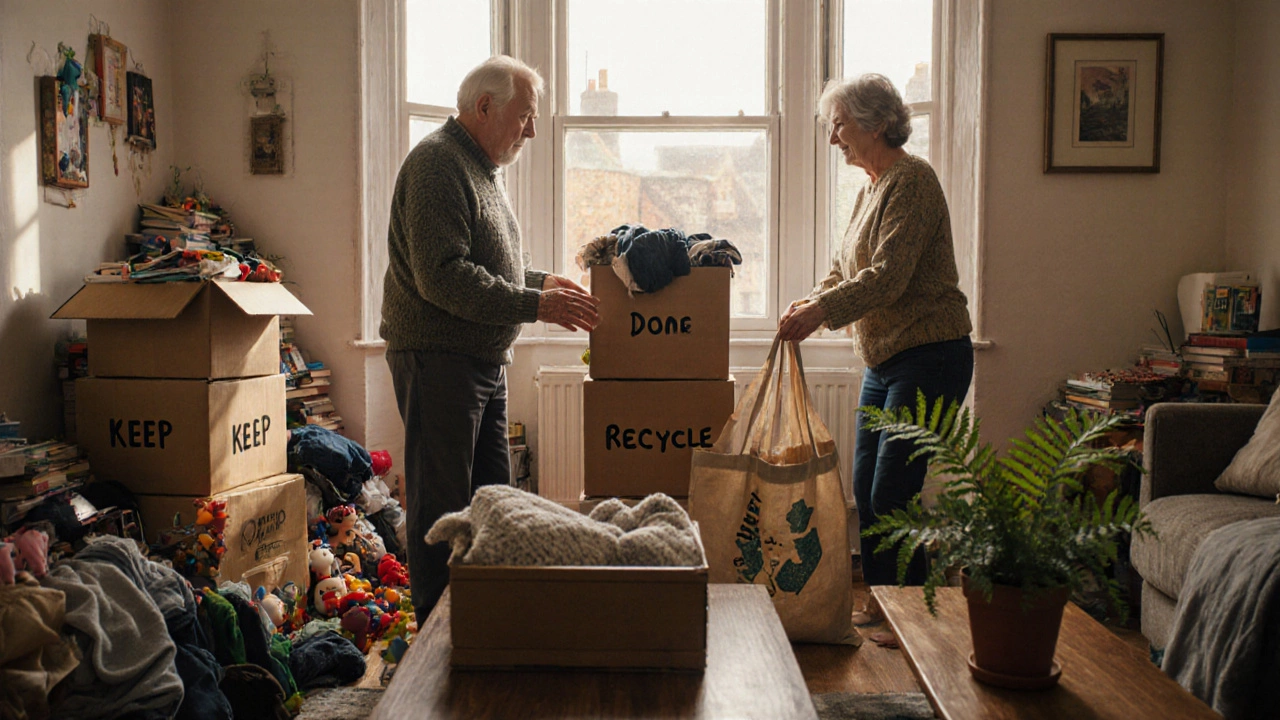
A step‑by‑step guide to declutter a junk‑filled home, covering sorting, donation, recycling, junk‑removal services, and long‑term upkeep.
Categories
RECENT POSTS
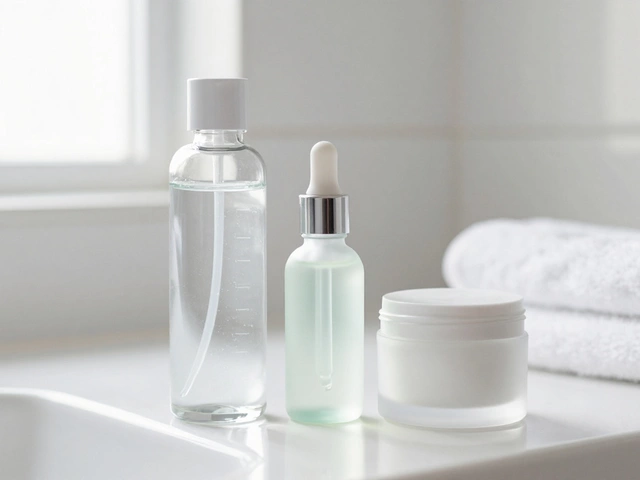
How to Apply Skincare Properly: A Step-by-Step Guide
Learn the correct order for applying skincare products. Our step-by-step guide covers cleansing, serums, and SPF to ensure maximum absorption and results.

Top Makeup Brands Preferred by Professional Artists
Discover the top cosmetics brands that professional makeup artists trust, how they choose products, budget tips, and upcoming 2025 trends.
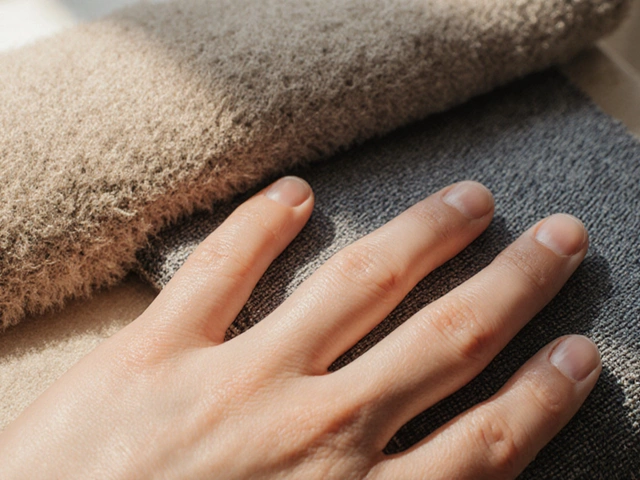
Healthiest Clothing: Best Fabrics for Skin & Wellness
Learn which fabrics are truly skin‑friendly, how to spot low‑toxin certifications, and care tips to keep your wardrobe healthy and sustainable.

What Is the Best Work-Life Balance? Real Strategies That Actually Work
Work-life balance isn’t about equal hours-it’s about control, energy, and protecting what matters. Real strategies that work for real people, not slogans.
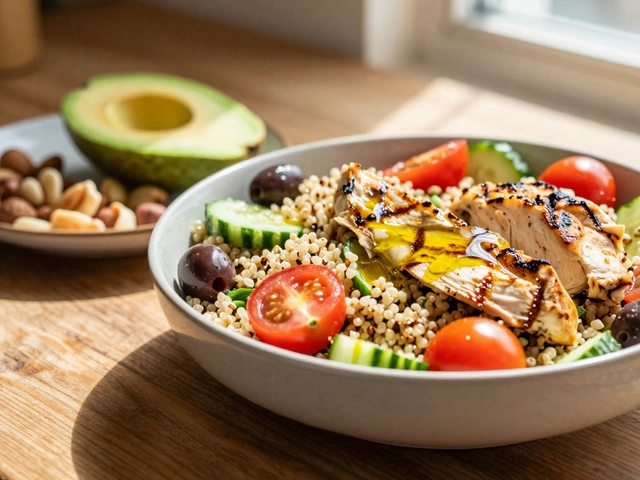
What Diet Is Best for Belly Fat Loss? Science-Backed Strategies
Discover the most effective diets for belly fat loss, including Mediterranean, low-carb, and high-protein approaches. Learn which foods to eat, which to avoid, and practical meal ideas to shrink your waistline.