Korean Beauty: The Science, Secrets, and Simplicity Behind the Global Phenomenon
When you hear Korean beauty, a global skincare and cosmetics movement rooted in Korean culture, known for its multi-step routines, innovative ingredients, and emphasis on prevention over correction. Also known as K-beauty, it’s not about quick fixes—it’s about building skin that glows because it’s healthy, not just covered up. This isn’t just makeup or filters. It’s a daily practice shaped by centuries of tradition and modern dermatology, and it’s changed how people everywhere think about skin.
At the heart of Korean beauty is the skincare routine, a structured, multi-step system designed to cleanse, hydrate, protect, and repair the skin over time. Unlike Western routines that often focus on treating problems like acne or wrinkles after they appear, Korean beauty starts with prevention. It layers lightweight products—essences, serums, ampoules, and sheet masks—to deliver active ingredients slowly and deeply. The skin care steps, typically 8 to 12 in a full routine, are customizable based on skin type, climate, and goals. You don’t need all of them. Many people start with just five: cleanse, tone, treat, moisturize, protect. That’s it. The magic isn’t in the number of steps—it’s in the consistency and the quality of the ingredients.
What makes Korean beauty different? It’s the ingredients. You’ll find snail mucin, fermented extracts, hyaluronic acid, niacinamide, and centella asiatica—not because they’re trendy, but because they work. Brands test them rigorously. Dermatologists in South Korea publish studies on how these ingredients affect skin barrier function. And the results? People there have some of the most consistently clear, hydrated skin in the world. It’s not genetics. It’s routine.
And it’s not just for young people. Korean beauty is for anyone who wants skin that feels good, looks balanced, and doesn’t rely on heavy makeup to hide imperfections. It’s also incredibly adaptable. If you have oily skin, you use lighter textures. If you’re dry, you layer more hydrating products. If you’re short on time, you cut the steps but keep the core: cleanse, treat, moisturize, sunscreen. Sunscreen isn’t optional—it’s the final step that protects everything else you’ve done.
The rise of K-beauty products, affordable, innovative, and often packaged in playful, functional ways has made this accessible globally. You don’t need to fly to Seoul to find a sheet mask infused with green tea or a serum with 10% niacinamide. These are in drugstores, online shops, and even some supermarkets. But buying the products isn’t enough. You need to understand the why behind them.
This collection of articles doesn’t just list the best Korean beauty products. It shows you how to think like someone who’s been doing this for years. You’ll find guides on how to build a routine that fits your life, how to avoid common mistakes like over-exfoliating or layering too many actives at once, and how to tell if a product is actually good—or just marketing. You’ll see how minimalism and Korean beauty can work together, how to spot greenwashing in beauty claims, and why some of the most effective routines are the simplest ones.
Whether you’re new to skincare or you’ve been layering serums for years, there’s something here that’ll help you see your skin differently. No gimmicks. No hype. Just real, practical steps that come from a culture that’s been perfecting this for decades. Let’s see what works—and what doesn’t—when it comes to real, lasting skin health.
How to Achieve Poreless Glass Skin - Step‑by‑Step Routine
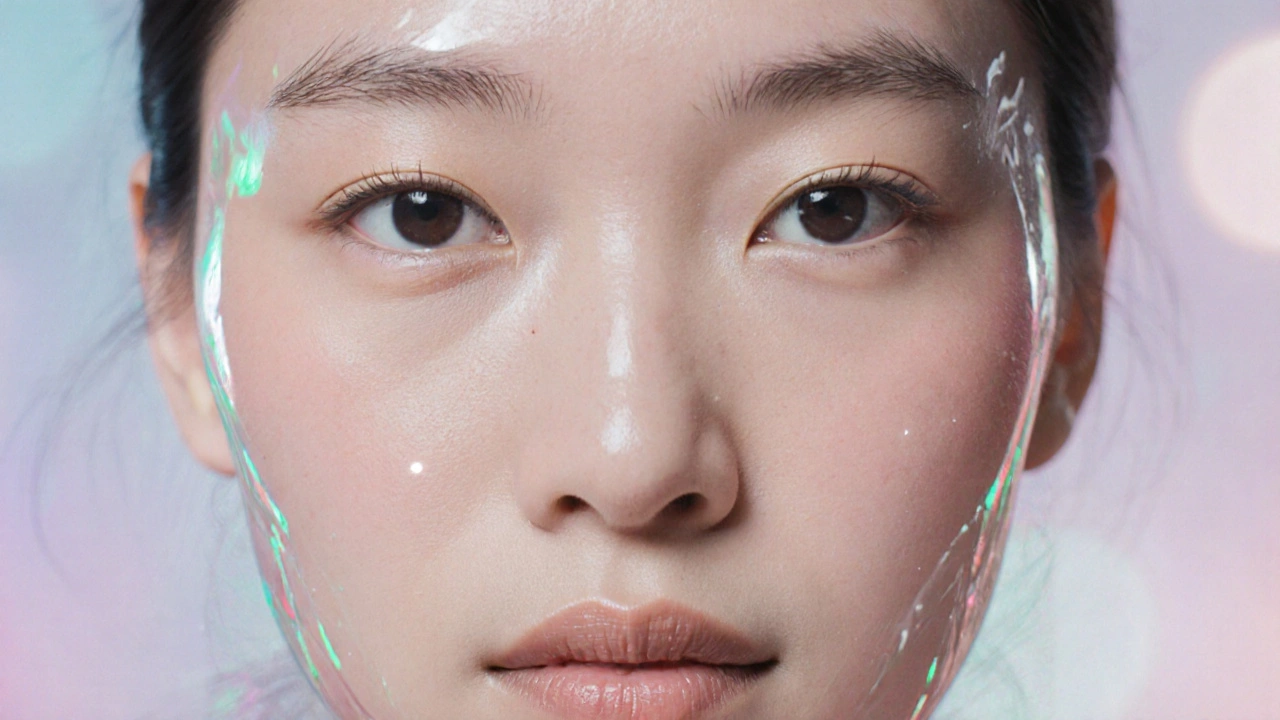
Learn the step‑by‑step routine, key ingredients, and lifestyle tips to achieve a poreless, glass‑skin finish. Includes product comparisons and a FAQ for lasting results.
Categories
RECENT POSTS

What Is One Book Everyone Should Read? The Book That Changes How You Think
Atomic Habits by James Clear is the one book everyone should read because it turns small daily actions into lasting change through science-backed systems, not motivation. It’s practical, simple, and works for anyone.
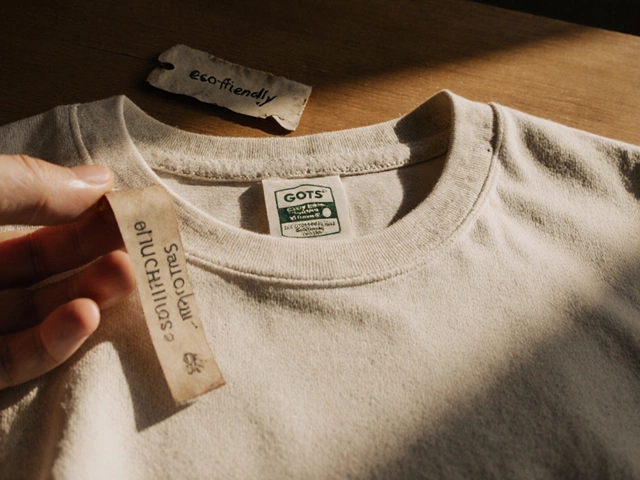
How to Tell If a Fashion Brand Is Truly Sustainable
Learn how to spot real sustainable fashion brands-not just greenwashing. Check certifications, labor practices, materials, and transparency to make smarter, longer-lasting clothing choices.

Best Fertilizer for Vegetables: What Actually Works in 2025
Find out which fertilizers actually work for vegetables in 2025, from compost to organic blends. Learn when and how to feed your garden for bigger yields without burning plants or harming the soil.

How to Quiet Your Mind: Practical Mindfulness Techniques for Mental Clarity
Learn practical mindfulness techniques to quiet your mind and reduce stress. Discover effective methods like breath anchoring and body scanning to manage mental chatter.
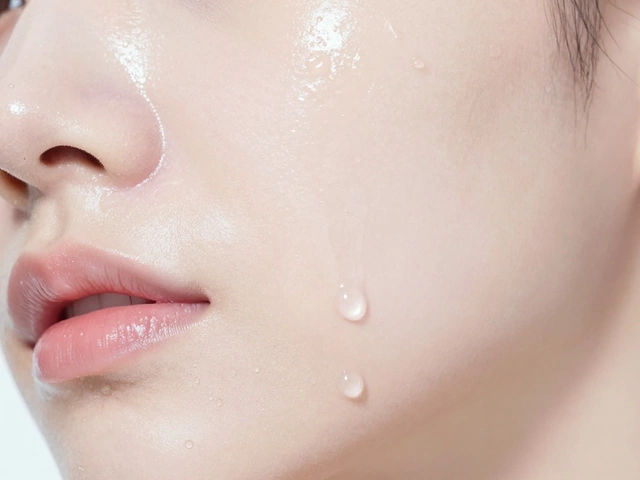
Korean vs Japanese Skincare: Which One Should You Actually Use?
Deciding between Korean and Japanese skincare? Learn the core differences in philosophy, ingredients, and results to find the perfect fit for your skin type.