Minimalist Fashion: Simple, Sustainable, and Smart Style
When you hear minimalist fashion, a style approach focused on quality over quantity, intentional choices, and timeless pieces. Also known as slow fashion, it’s the opposite of fast, disposable clothing. It’s not about being boring—it’s about being sure. If your closet feels too full but you still have nothing to wear, minimalist fashion isn’t a punishment. It’s the fix.
This style isn’t just about color palettes or neutral tones. It’s tied to how clothes are made, who made them, and how long they’ll last. That’s why it connects directly to sustainable fashion, clothing designed to reduce environmental harm and support fair labor. Also known as ethical fashion, it’s the foundation for real change in how we shop. You can’t have true minimalist fashion without asking: Is this piece made to be worn for years? Was it made without exploiting people? Does it fit into a life that values calm over clutter?
Most people who adopt minimalist fashion start with a capsule wardrobe, a small, curated collection of versatile clothing items that mix and match easily. Also known as core wardrobe basics, it’s the practical tool that turns philosophy into daily reality. Think five tops, three bottoms, two jackets, and a few shoes—all in colors that work together. No more guessing what to wear. No more buying something new because nothing fits. Just confidence, less stress, and fewer clothes taking up space.
Minimalist fashion doesn’t mean you can’t enjoy style. It means you stop chasing trends that die in six months. Instead, you invest in pieces that age well—like a well-cut blazer, a pair of durable jeans, or a wool coat that lasts a decade. You start noticing how brands talk about sustainability. You learn to spot greenwashing. You realize that a $20 shirt from a fast-fashion brand isn’t cheaper—it’s more expensive when you count how many times you’ll wear it.
And it’s not just about clothes. It’s about mindset. Minimalist fashion grows from the same place as mindful living, simple home organization, and smart budgeting. It’s the same idea: do more with less. When you stop buying to fill a void, you start buying to express who you are. And that’s when your style finally feels like yours.
Below, you’ll find real guides that show you how to tell if a brand is truly ethical, how to build a wardrobe that lasts, and how to stop wasting money on clothes you don’t love. No fluff. No trends. Just clear, practical steps to dress better with less.
Why Minimalists Wear Black: Psychology, Practicality, and Style
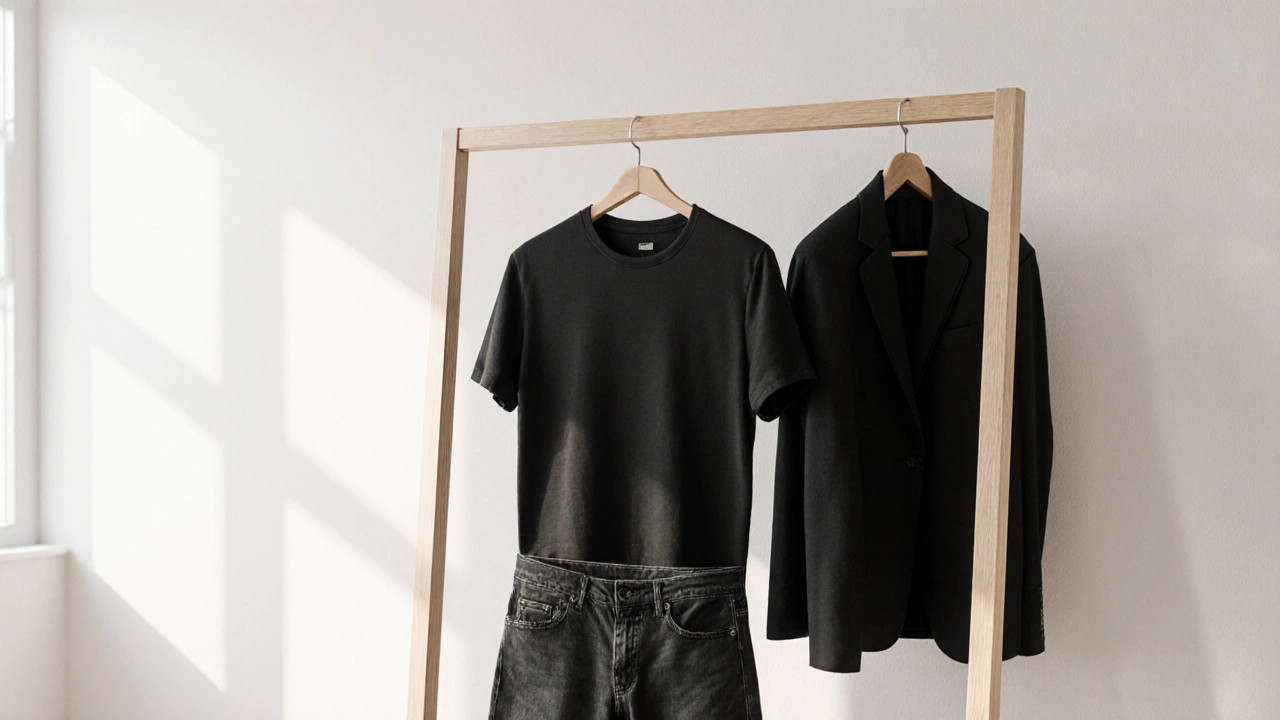
Explore why minimalists favor black clothing, from psychological impact to practical benefits, and learn how to build a versatile black capsule wardrobe.
Categories
RECENT POSTS
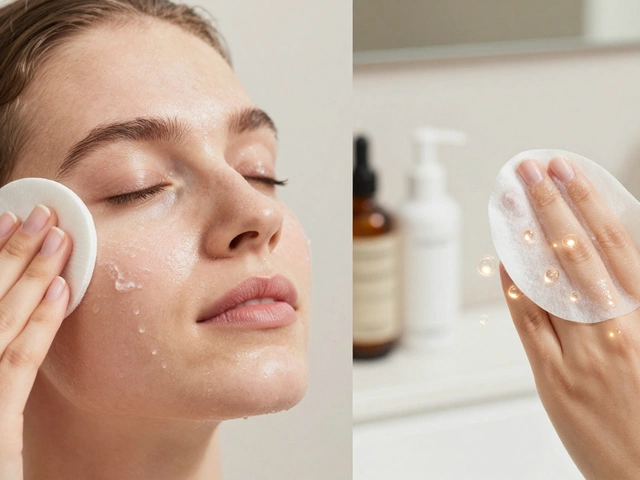
Is Micellar Water a Toner? The Simple Truth Behind Your Skincare Step
Micellar water cleanses but doesn't balance skin like a toner. Learn the key differences, when to use each, and how to build a routine that actually works for your skin.

Best Fertilizer for Vegetables: What Actually Works in 2025
Find out which fertilizers actually work for vegetables in 2025, from compost to organic blends. Learn when and how to feed your garden for bigger yields without burning plants or harming the soil.

How to Teach Yourself Mindfulness: A Practical Beginner's Guide
Learn how to teach yourself mindfulness with simple, actionable steps. Discover why consistency matters more than duration and how to turn daily chores into practice.
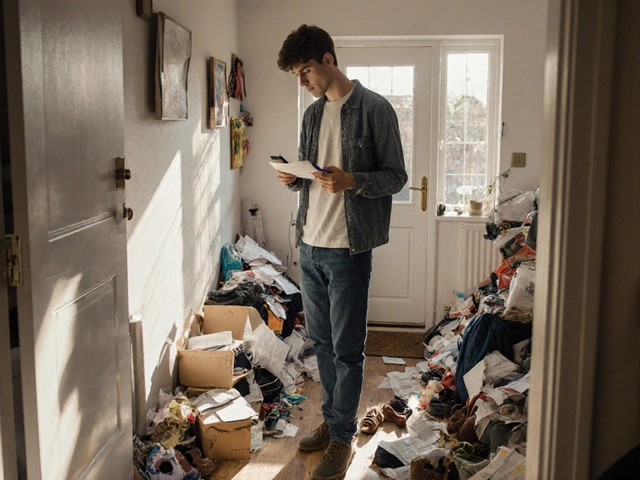
How to Choose the First Room to Declutter - Proven Home Organization Tips
Discover how to pick the first room to declutter for maximum impact, using a simple scorecard, quick‑win tips, and a step‑by‑step plan that keeps momentum flowing.
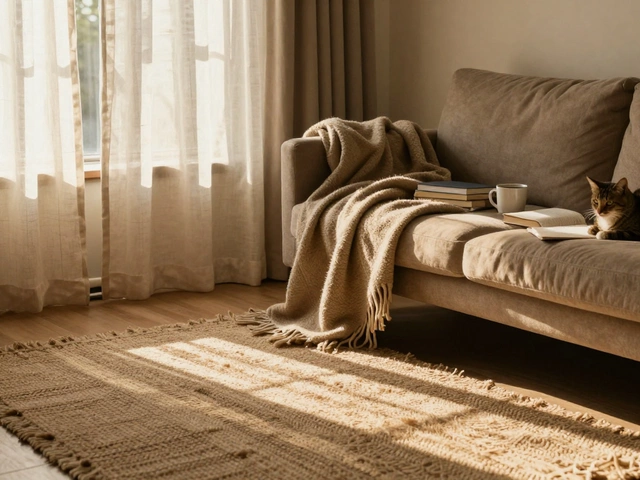
Is there still a home interior? Rediscovering what home really means today
Home interiors aren't gone-they've just stopped pretending to be perfect. Real homes now reflect life as it is: messy, personal, and deeply human. This is what modern interior design really looks like.