Minimalist Lifestyle: Simple Living, Real Benefits
When you hear minimalist lifestyle, a way of living focused on reducing excess to create more room for meaning, purpose, and peace. Also known as intentional living, it’s not about black turtlenecks or empty shelves—it’s about asking: does this add value, or just noise? People who live this way don’t chase trends. They don’t fill their homes with things they don’t use. They don’t feel guilty for saying no. They choose quality over quantity, experience over accumulation, and calm over chaos.
This approach connects directly to declutter, the process of removing physical and mental clutter to simplify daily life. It’s not a one-time spring cleaning. It’s a habit. You start with one drawer, then one room, then one mindset. The posts here show you how to pick the first room to declutter so you actually stick with it—not because you’re told to, but because you feel lighter. And it ties into slow living, a movement that values presence over productivity, and doing less but better. You don’t need to quit your job or move to a cabin. You just need to stop rushing through meals, scrolling mindlessly, or buying things to fill a gap you didn’t know you had.
Minimalism also overlaps with sustainable living, making choices that reduce waste, support ethical production, and respect the planet’s limits. When you buy less, you waste less. When you stop chasing fast fashion, you stop fueling textile landfills. The articles here don’t preach perfection—they show real people eating well on $20 a week, choosing clothes that last, growing food with less work, and using coffee grounds to feed their plants instead of tossing them. These aren’t extreme moves. They’re smart ones.
You won’t find rigid rules here. No 100-item rule. No mandatory capsule wardrobes. Just practical steps: how to notice what you’re holding onto out of habit, how to spot greenwashed brands pretending to be eco-friendly, how to make your home feel bigger by owning less. This collection isn’t about becoming a monk. It’s about becoming more yourself—less distracted, less stressed, more present.
What follows are real stories, real strategies, and real results from people who didn’t start with a blank slate—they started with clutter, debt, burnout, or confusion. And they found peace not by buying more, but by letting go of what didn’t serve them. You don’t need to do it all at once. Just start with one thing. Then another. Then another. The rest follows.
How to Start Practicing Minimalism: A Practical Beginner's Guide
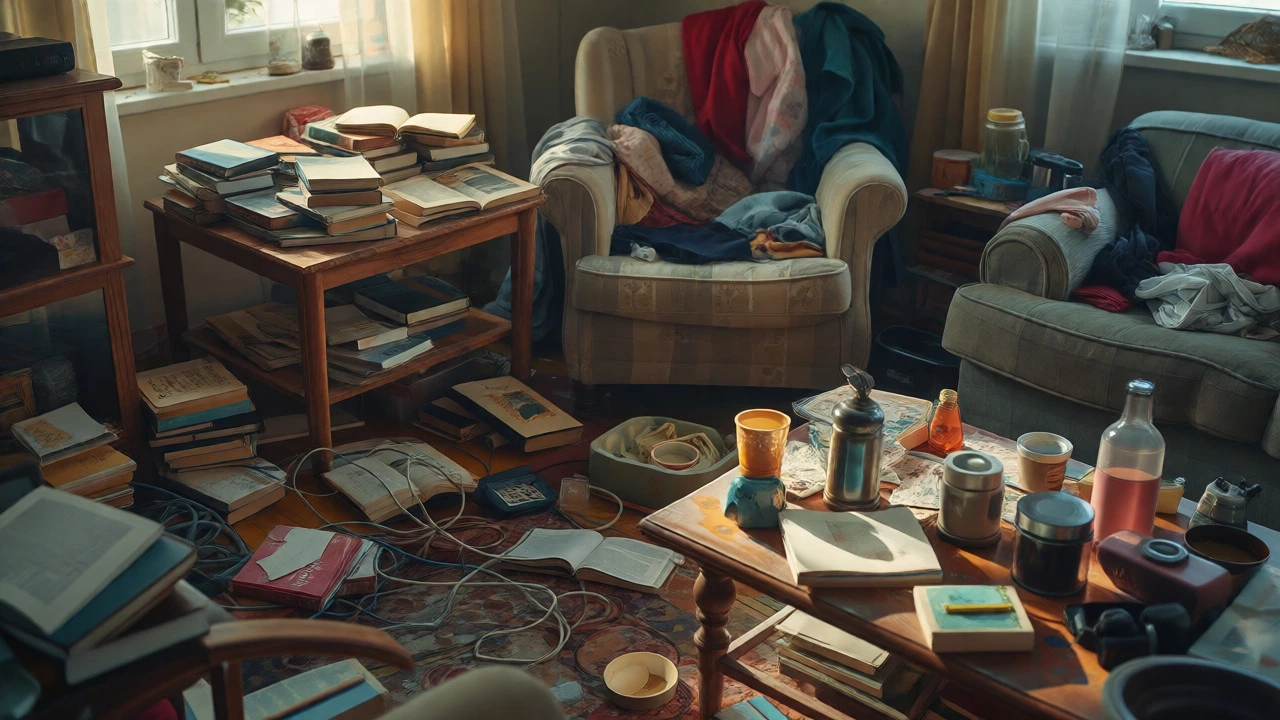
Discover how to start practicing minimalism with practical steps. Learn to declutter intentionally, manage digital noise, and maintain a simple lifestyle.
What Is the Golden Rule in Everyday Life? A Minimalist Approach to Living Better
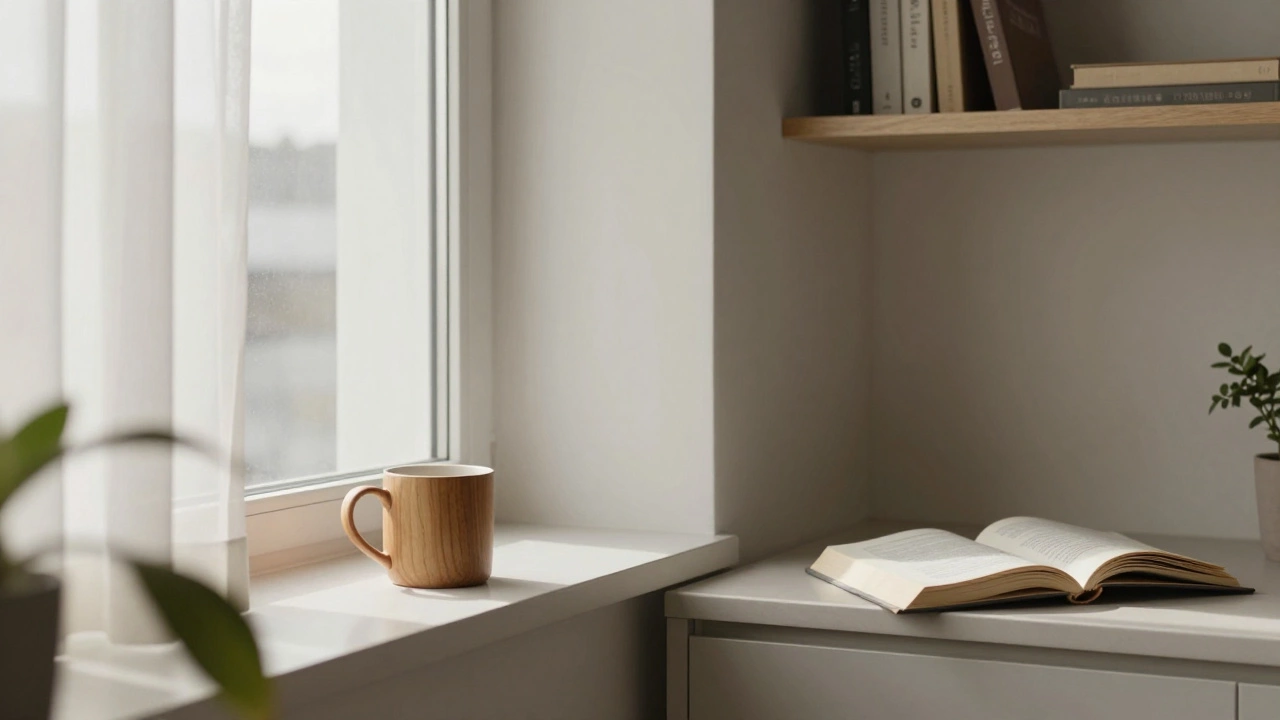
The golden rule in everyday life isn't just about treating others well-it's about treating yourself with honesty. Minimalism helps you cut through noise, keep only what truly matters, and live with more peace and clarity.
Why Minimalists Wear Black: Psychology, Practicality, and Style
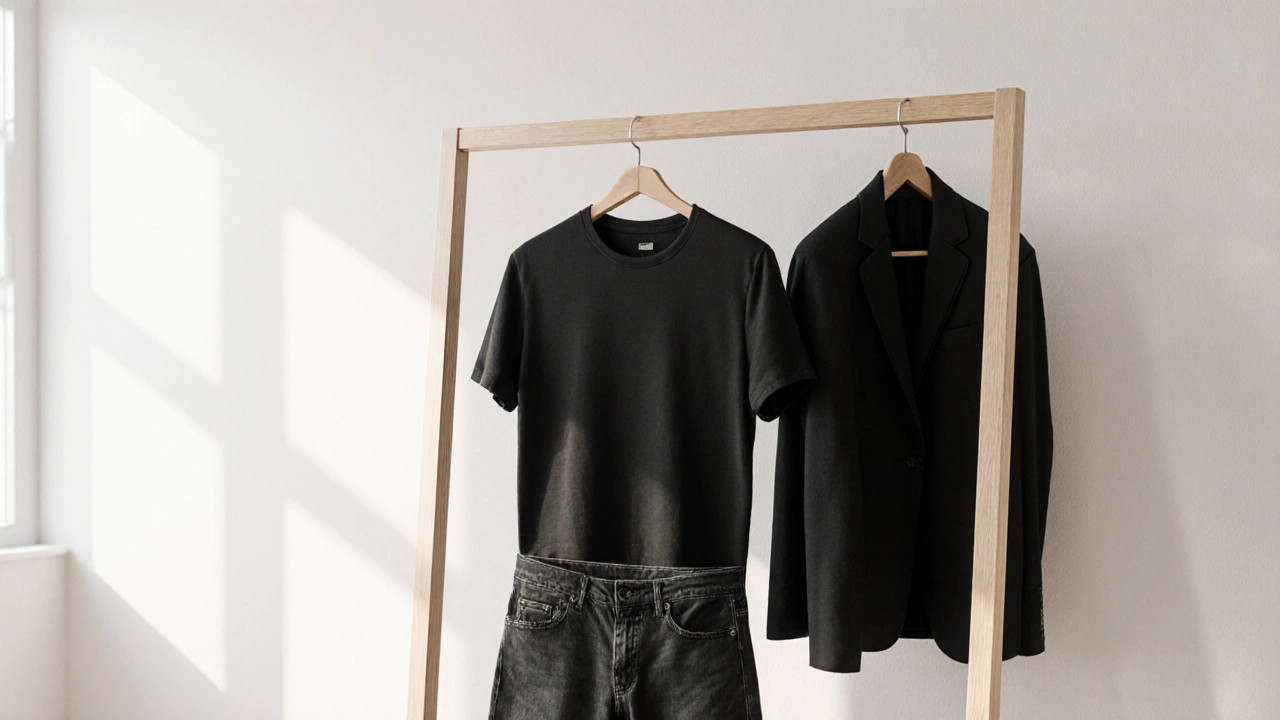
Explore why minimalists favor black clothing, from psychological impact to practical benefits, and learn how to build a versatile black capsule wardrobe.
Mastering Minimalism: The 20 20 Rule Explained with Tips for a Simplified Life
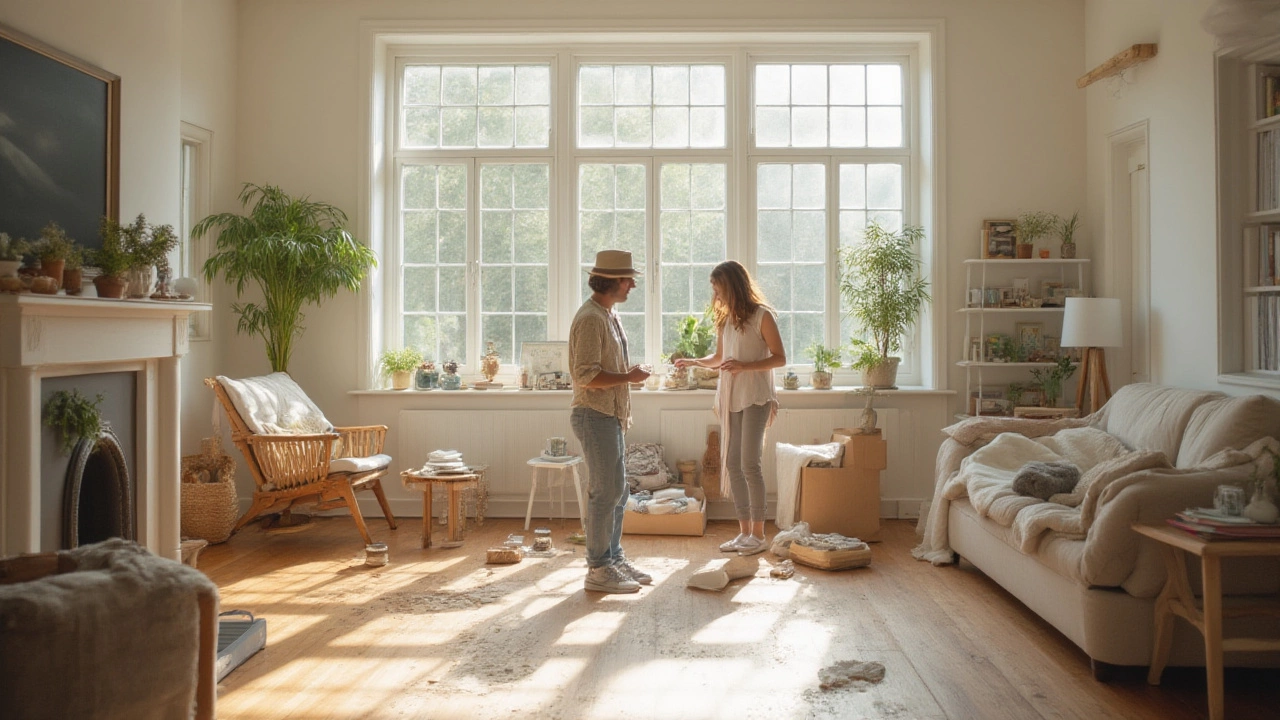
Discover the 20 20 rule in minimalism—what it means, how it works, and real-life tips for decluttering your space and embracing more freedom.
Categories
RECENT POSTS

Unlocking the 3 C's of Mental Health: Connection, Coping, and Care Strategies
Explore the 3 C's of mental health: Connection, Coping, and Care. Learn practical tips and interesting insights to boost your emotional well-being every day.
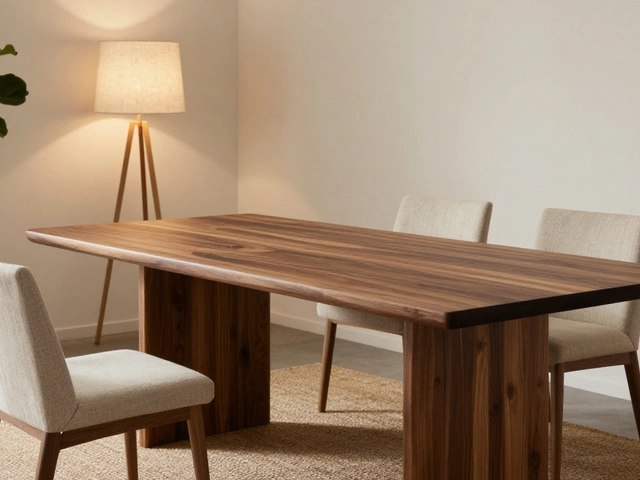
Is dark furniture coming back in 2024? Here’s what’s actually happening in home decor
Dark furniture isn't just returning-it's becoming the quiet foundation of modern homes. Learn why walnut, mahogany, and blackened oak are winning over light woods in 2024, and how to style them without making your space feel heavy.
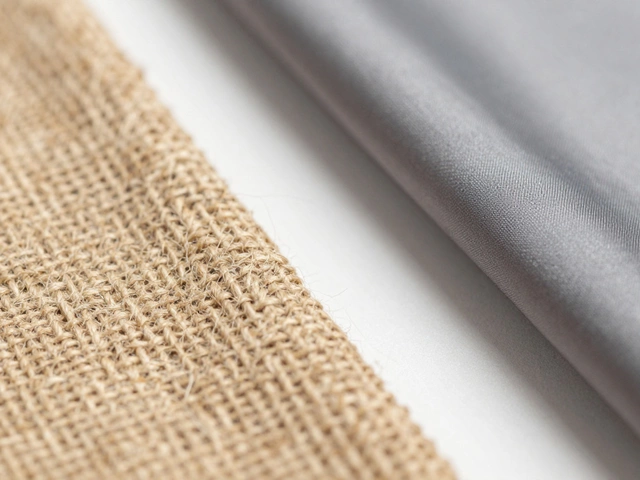
What Does Sustainable Fashion Look Like in 2026? A Real-World Guide
Discover what sustainable fashion really looks like in 2026. From eco-friendly materials to circular economy practices, learn how to build an ethical wardrobe without breaking the bank.

How Many Days to Spend in England? Find the Ideal Trip Length
Discover the ideal number of days for an England trip. Learn how to split the country into regions, see sample itineraries for 5‑7, 10‑12 and 14‑16 days, and get practical tips for travel, accommodation, and budgeting.
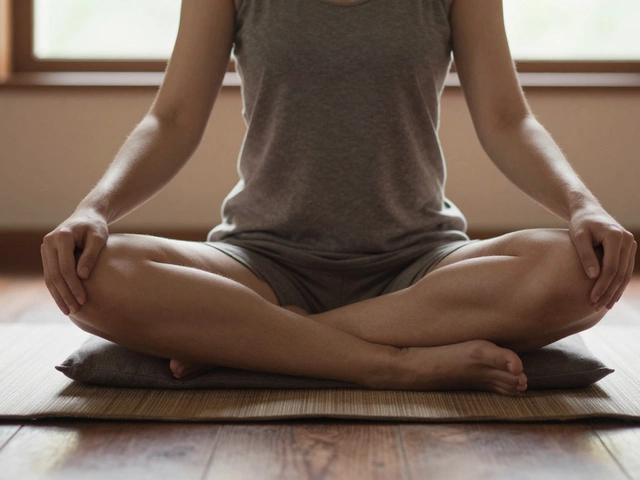
Why Do You Cross Your Legs When Meditating?
Crossing your legs during meditation isn't about tradition-it's about stability and comfort. Learn why this posture works for most people and what alternatives exist if it doesn't suit your body.