Non-Toxic Clothing: What It Is and Why It Matters
When you buy non-toxic clothing, apparel made without synthetic dyes, formaldehyde, flame retardants, or other toxic chemicals. Also known as chemical-free apparel, it’s not just a trend—it’s a basic health choice for anyone who wears clothes every day. Most conventional clothing is treated with dozens of chemicals during manufacturing: pesticides on cotton, heavy metals in dyes, and formaldehyde to prevent wrinkling. These don’t just vanish after washing—they stay on the fabric, get absorbed through your skin, and end up in waterways. The people making your clothes often face the worst exposure, with little protection or pay.
Sustainable fashion, a system that values people, planet, and long-term use over fast production. Also known as ethical clothing, it’s the broader framework that includes non-toxic materials as a core requirement. You can’t call something sustainable if it’s made with toxic dyes or under unsafe conditions. That’s why real sustainable brands test their fabrics, disclose their supply chains, and avoid cheap shortcuts. And eco-friendly textiles, natural or recycled fibers grown or processed without harmful inputs. Also known as green fabrics, they’re the foundation of non-toxic clothing—think organic cotton, hemp, TENCEL™, or recycled polyester made from ocean plastic. These materials don’t just feel better—they’re safer from the farm to your closet.
What you’ll find in these articles isn’t just marketing fluff. These are real guides on how to tell if a brand is actually clean, what certifications to trust, and why your favorite ‘eco’ label might still be hiding toxic chemicals. You’ll learn how to decode labels, spot greenwashing, and build a wardrobe that doesn’t cost you your health. Whether you’re switching to safer basics or just curious about what’s really in your jeans, this collection gives you the facts—not the hype.
Healthiest Clothing: Best Fabrics for Skin & Wellness
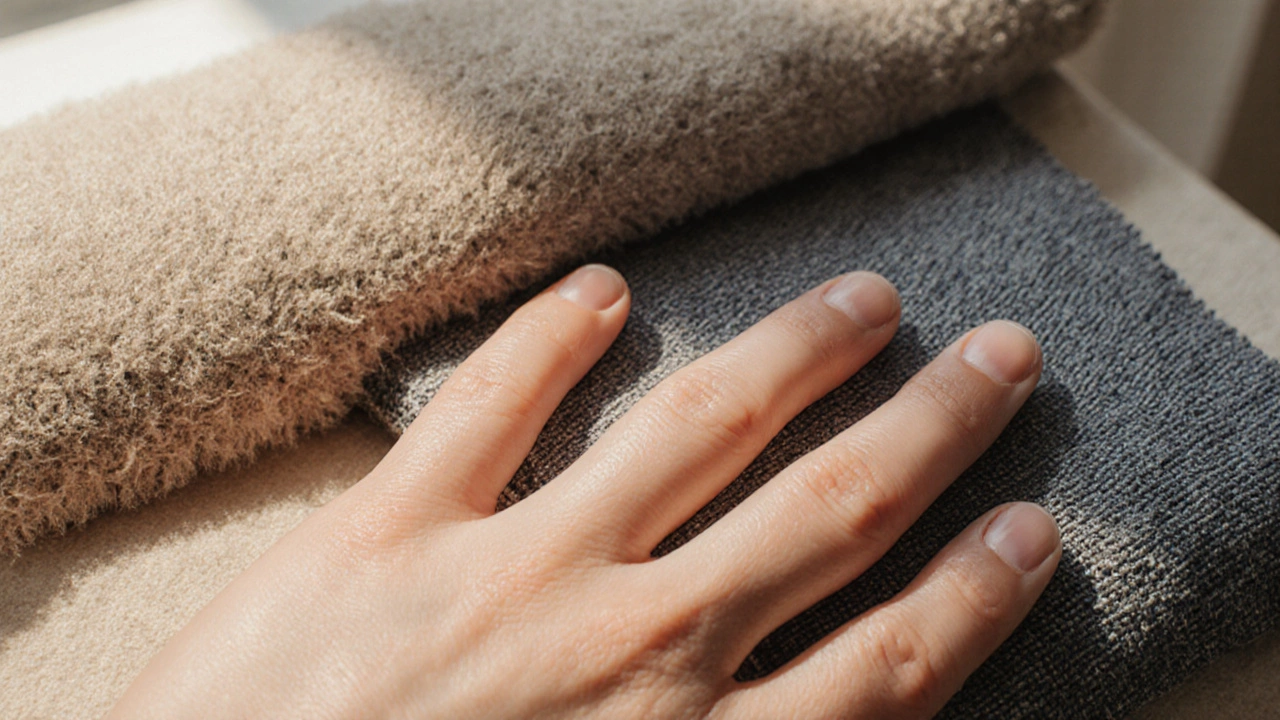
Learn which fabrics are truly skin‑friendly, how to spot low‑toxin certifications, and care tips to keep your wardrobe healthy and sustainable.
Categories
RECENT POSTS

The World's Most Read Book: Uncovering the #1 Bestseller
Discover the world's most-read book and why it beats Harry Potter. Explore sales data, self-help giants, and the truth behind global bestseller lists.
What Is a Lazy Gardener? The Smart Way to Grow Plants with Less Work
A lazy gardener doesn't work harder-they work smarter. Learn how to grow a thriving garden with minimal effort using native plants, mulch, and natural habits that save time and water.
Is Micellar Water a Toner? The Simple Truth Behind Your Skincare Step
Micellar water cleanses but doesn't balance skin like a toner. Learn the key differences, when to use each, and how to build a routine that actually works for your skin.
How Many Push-Ups in a Row Is Good? Real Numbers for Real People
How many push-ups in a row is good? It depends on your age and fitness level. Learn realistic benchmarks, how to improve safely, and why form matters more than numbers.
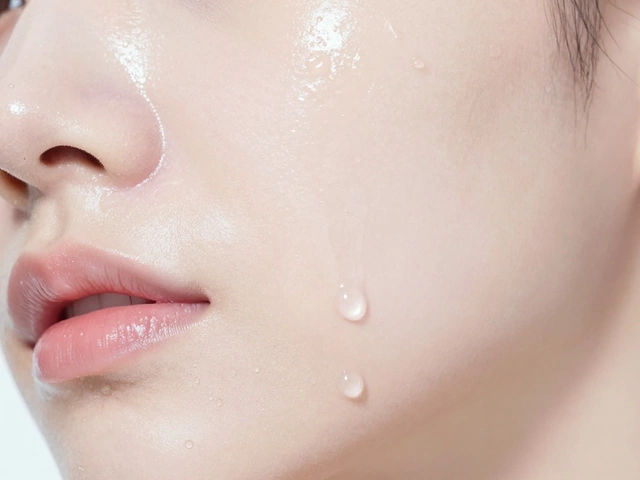
Korean vs Japanese Skincare: Which One Should You Actually Use?
Deciding between Korean and Japanese skincare? Learn the core differences in philosophy, ingredients, and results to find the perfect fit for your skin type.