Paper Bag Eco-Friendly: Real Benefits, Common Myths, and What Actually Works
When you hear paper bag eco-friendly, a disposable bag made from wood pulp that’s often marketed as a greener alternative to plastic. Also known as kraft paper bag, it’s been pushed as the solution to plastic pollution—but the truth is more complicated. Many people assume switching to paper bags automatically means you’re doing the planet a favor. But that’s not always true. Paper bags use way more water to make than plastic ones. They need energy-heavy manufacturing, and if they end up in landfill, they still release methane as they break down. The real eco-friendly win isn’t the material—it’s how many times you reuse it.
That’s why sustainable packaging, any packaging designed to minimize environmental harm across its entire life cycle, from production to disposal isn’t just about swapping plastic for paper. It’s about durability, reusability, and end-of-life impact. A single-use paper bag used once and thrown away has a bigger footprint than a plastic bag reused five times. But if you turn that paper bag into a trash liner, a gift wrap, or a storage container for months? That’s when it starts making sense. The same goes for reusable bags, bags made from cotton, recycled polyester, or other durable materials meant for hundreds of uses. A cotton tote needs to be used 131 times to beat a single-use plastic bag’s carbon cost. If you forget it at home, that reusable bag becomes just another item gathering dust.
What’s missing from most conversations is the full picture: where your bag comes from, how it’s made, and what happens after you’re done with it. A paper bag made from recycled content and printed with soy ink? That’s a better choice. One made from virgin trees and shipped across the globe? Not so much. And don’t forget environmental impact, the total effect of a product or activity on natural systems, including resource use, emissions, and waste. It’s not just carbon—it’s water, land, chemicals, and labor too. The most sustainable option isn’t always the one with the leafy logo on it. Sometimes it’s the one you already own.
You’ll find posts here that cut through the noise. We’ve looked at how paper bags compare to plastic, cotton, and even hemp alternatives. We’ve checked the real data behind recycling claims and asked: who’s actually making these bags, and under what conditions? You’ll see how minimalists handle grocery bags without clutter, how to spot greenwashing in packaging labels, and why the best eco-friendly bag is the one you already have—and keep using.
Is a paper bag really eco-friendly? The truth behind the buzz
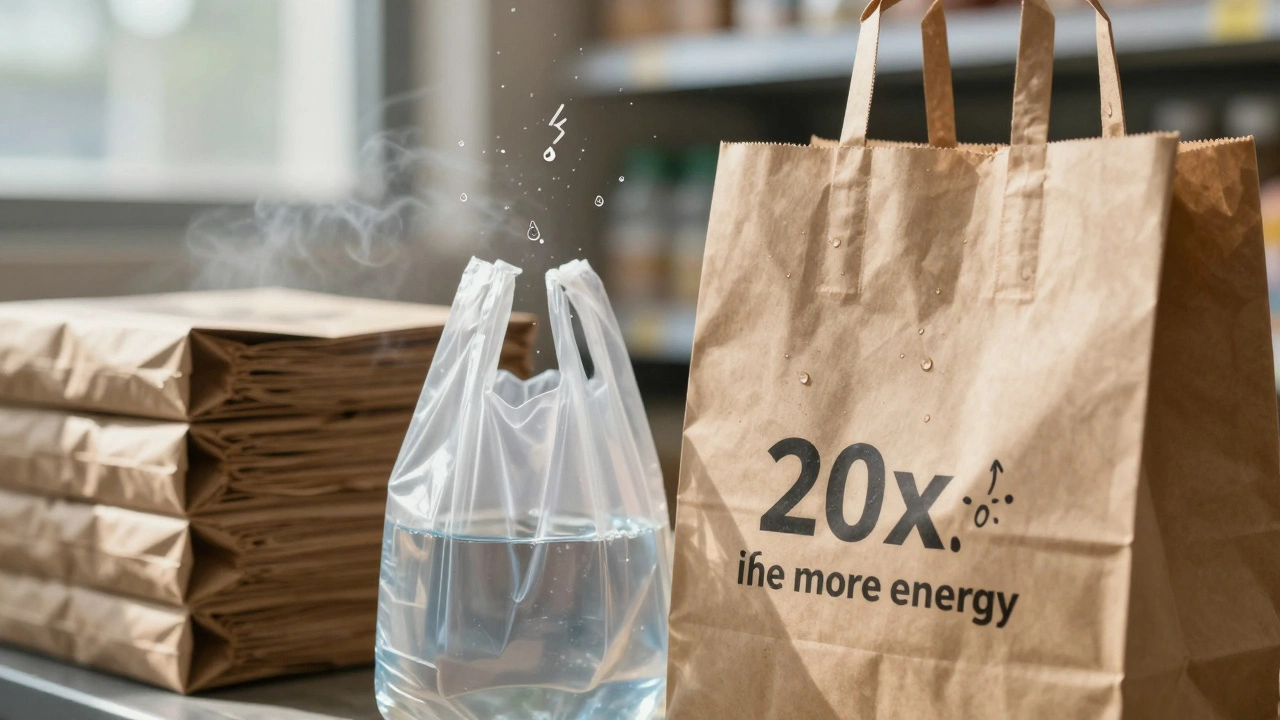
Paper bags aren't automatically eco-friendly. They use more water and energy than plastic, often end up in landfills, and need to be reused many times to be better. The real solution? Bring your own reusable bag - consistently.
Categories
RECENT POSTS

How to Achieve Poreless Glass Skin - Step‑by‑Step Routine
Learn the step‑by‑step routine, key ingredients, and lifestyle tips to achieve a poreless, glass‑skin finish. Includes product comparisons and a FAQ for lasting results.

Best Skin Care Routine for Women Over 60: The Ultimate Guide
Discover the best skin care routine for women over 60. Learn essential steps, key ingredients like retinol and hyaluronic acid, and common mistakes to avoid for healthy, radiant mature skin.

Best Places to Visit in the UK: Must-Visit Destinations for Travelers
Looking for the perfect UK travel adventure? Discover the top destinations, hidden gems, travel tips, must-see spots, and real local insights right here.

What is the 80/20 Rule for Decluttering? A Practical Guide to Home Organization
Discover the 80/20 rule for decluttering, a powerful method to identify the 20% of items you use most. Learn practical steps to reduce clutter, save time, and create a functional home using the Pareto Principle.
What Does Sustainable Fashion Mean? A Practical Guide to Ethical Style
Sustainable fashion means prioritizing ethical labor, environmental protection, and circularity over fast trends. Learn how to build an eco-friendly wardrobe, spot greenwashing, and choose durable materials.