Style Assessment: How to Evaluate Your Personal Fashion and Lifestyle Choices
When you hear style assessment, a personal evaluation of how your clothing, habits, and choices reflect your values and identity. Also known as wardrobe audit, it’s not about following trends—it’s about figuring out what fits your life, body, and ethics. Too many people buy clothes they never wear because they’re chasing what’s popular, not what’s right for them. A real style assessment asks: Do these pieces make you feel confident? Do they last? Do they align with how you want to live?
This isn’t just about looking good. It connects directly to sustainable fashion, clothing made with care for people and the planet, from materials to labor to end-of-life impact. If you’re buying fast fashion that falls apart after two washes, you’re not just wasting money—you’re contributing to textile waste. The same goes for fashion transparency, how openly a brand shares where and how its clothes are made. Brands that hide their supply chains rarely care about the people making your clothes—or the environment they’re harming. A good style assessment forces you to ask: Who made this? What’s it made of? And what happens when I’m done with it?
Your style also reflects your daily rhythm. Do you need outfits that work for a 6 a.m. run, a Zoom meeting, and dinner out? Or do you live in a quiet space and need clothes that feel like comfort, not performance? That’s where wardrobe evaluation, the process of reviewing what you own, what you wear, and what’s just taking up space comes in. Most people own 20% of their clothes and wear 80% of the time. The rest? Just noise. A style assessment helps you cut the clutter and keep only what serves you.
You don’t need a closet full of designer labels to have great style. You need clarity. That means knowing your body shape, your color preferences, your budget limits, and your values. It means asking why you buy something before you buy it. It means realizing that black isn’t just a color—it’s a tool for minimalism, as shown in posts about why minimalists wear black. It means understanding that a $5 shirt from a thrift store can be more ethical than a $100 "sustainable" label with no real proof.
What you wear is a quiet statement. A style assessment helps you make sure that statement is yours. Below, you’ll find real guides on how to spot true sustainable brands, how AI helps pick your outfits, how to build a capsule wardrobe, and how to make your closet work harder for you—not the other way around. No fluff. No trends. Just practical ways to look better, feel better, and do better—with what you already own and what you choose next.
Discover Your Signature Style: A Step‑by‑Step Guide
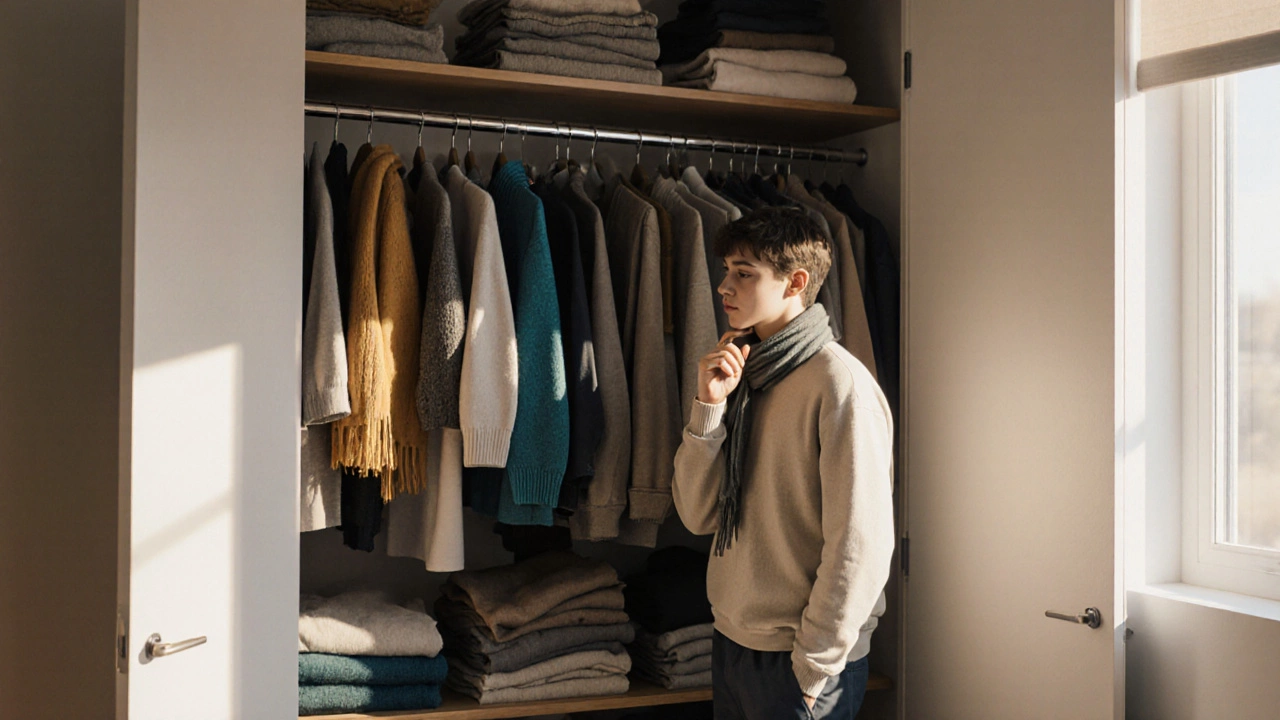
Learn how to uncover your personal fashion identity with practical steps, color guides, body‑shape tips, core wardrobe basics, and a quick style quiz.
Categories
RECENT POSTS
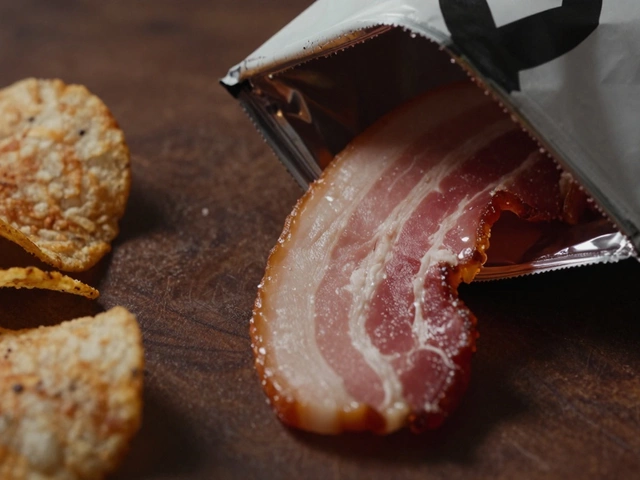
Unhealthiest Meats: Top 5 Worst Choices for Your Health
Processed meats like bacon and hot dogs are the unhealthiest options due to high sodium, nitrates, and saturated fats. These increase heart disease and cancer risks. Learn why red meat also poses concerns and how to choose healthier alternatives.

How Many Minutes a Day Should You Practice Mindfulness?
You don't need hours to practice mindfulness. Just five minutes a day can reduce stress, improve focus, and help you respond instead of react. Science backs this simple habit.

What Are the 4 Pillars of a Healthy Lifestyle?
The four pillars of a healthy lifestyle are sleep, nutrition, exercise, and stress management. Together, they create a foundation for lasting energy, focus, and resilience - without diets or extreme routines.
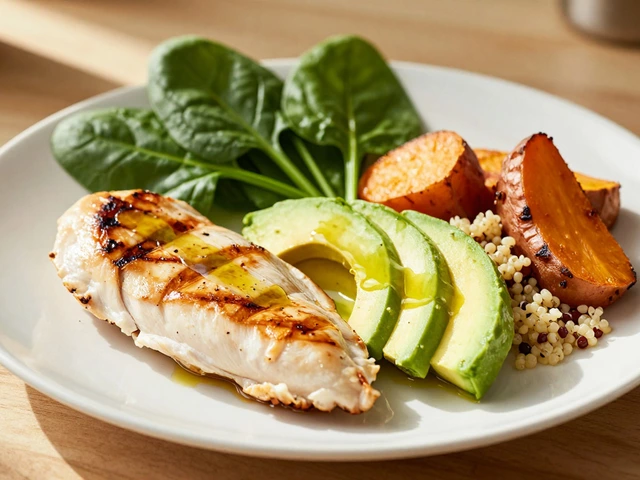
The Rule of 3 Meal Plan: A Simple Guide to Balanced Eating
Learn the Rule of 3 meal plan, a simple framework for balanced eating using protein, fat, and carbs. Discover practical tips for meal prep and healthy living.

3 Key Benefits of Practicing Mindfulness
Discover three powerful ways mindfulness can lower stress, sharpen focus, and boost emotional wellbeing, backed by science and real‑life tips.