Vegetable Garden Nutrients: What Your Plants Really Need
When you grow vegetables, you’re not just planting seeds—you’re managing a living system built on vegetable garden nutrients, the essential elements plants pull from soil to grow strong, healthy, and productive. Also known as plant nutrition, these nutrients aren’t magic. They’re simple compounds like nitrogen, phosphorus, and potassium that your soil either has—or doesn’t. Most people think more fertilizer means better veggies. But that’s not true. Too much of the wrong thing can burn roots, attract pests, or make your tomatoes taste watery. What matters is balance.
Behind every thriving vegetable garden is good soil health, the condition of your dirt that lets roots breathe, holds water, and feeds plants naturally. Also called garden soil quality, it’s not about buying expensive bags of pellets. It’s about what’s already in the ground and how you treat it. Healthy soil has worms, fungi, and microbes that break down organic matter into usable nutrients. That’s why adding compost for vegetables, decayed kitchen scraps and yard waste that slowly release nutrients and improve soil texture. Also known as organic matter, it’s the quiet hero most gardeners overlook. You don’t need to test your soil every year, but if your plants are stunted, yellowing, or not fruiting, it’s usually a nutrient gap—not a lack of effort.
Some folks reach for synthetic fertilizers because they see quick results. But those chemicals feed the plant, not the soil. And when you stop using them, the dirt gets worse. Real gardeners use organic fertilizer, natural materials like bone meal, fish emulsion, or worm castings that feed soil life first, then plants. Also known as slow-release nutrients, they work over weeks, not days, and don’t wash away with rain. Think of it like eating a balanced meal instead of a sugar rush. Your plants get steady energy, stronger roots, and better resistance to disease.
What you find in this collection isn’t theory. It’s what real people are doing in their backyards and balconies. You’ll see how coffee grounds—yes, that leftover morning brew—can help or hurt depending on how you use them. You’ll learn why a "lazy gardener" often grows better crops than someone who’s constantly digging and feeding. You’ll find out what cheap, everyday items can replace store-bought products. And you’ll see how growing food on a budget doesn’t mean cutting corners—it means working smarter.
There’s no single formula for perfect nutrients. But once you understand what your soil needs—and what it already has—you’ll stop guessing and start growing. The veggies you pull from the ground will taste better. Your effort will feel lighter. And you’ll finally know why some plants thrive while others don’t.
Best Fertilizer for Vegetables: What Actually Works in 2025
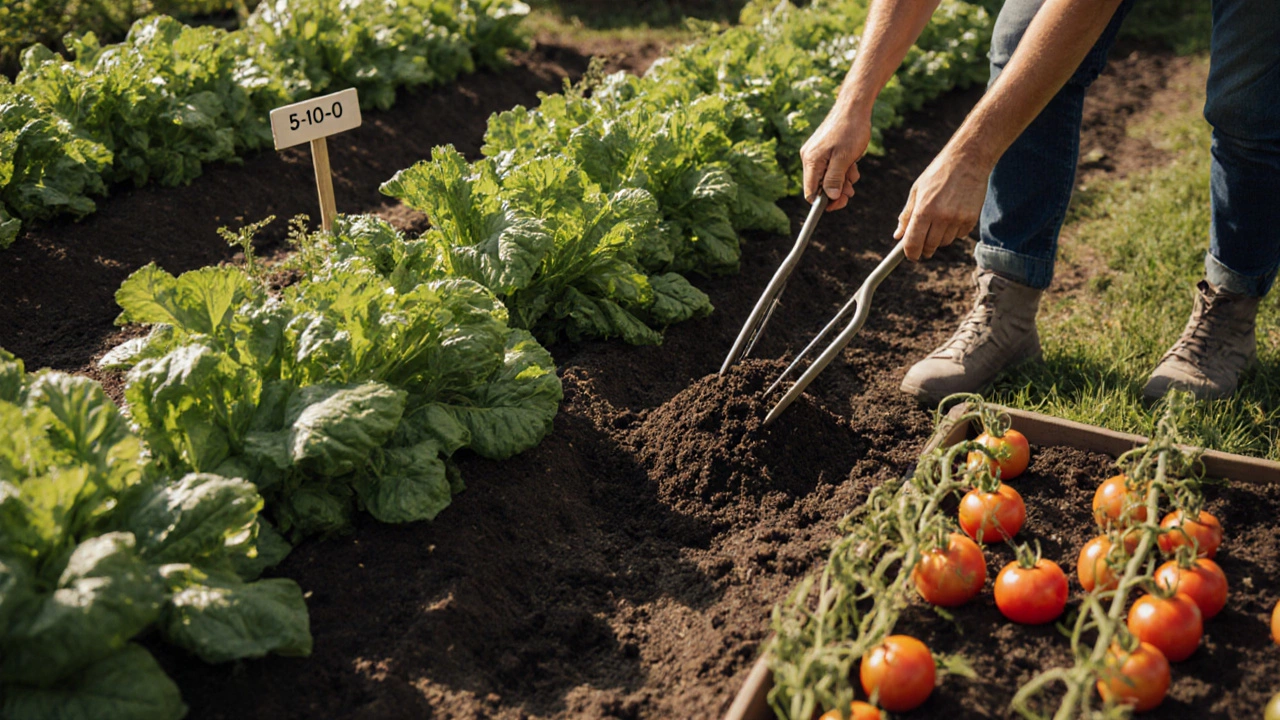
Find out which fertilizers actually work for vegetables in 2025, from compost to organic blends. Learn when and how to feed your garden for bigger yields without burning plants or harming the soil.
Categories
RECENT POSTS

Best Outfit Suggestion Apps: How AI Chooses What You Wear
Discover how AI-powered outfit suggestion apps turn your wardrobe into daily style ideas, compare the top 2025 options, and learn tips to choose and use the right one.

Best 7 Day Workout Routine for Beginners and Fitness Enthusiasts
Looking for a practical weekly fitness guide? Dive into a detailed, actionable 7 day workout routine with expert tips, flexible plans, and hacks for real results.

Are open shelves still in style in 2024? Here’s what’s really happening in home decor
Open shelves in 2024 aren’t gone - they’ve gotten smarter. Less clutter, more personality. Discover where they still work, what to display, and how to avoid common mistakes.

Why Do People Struggle with Work-Life Balance?
People struggle with work-life balance because of constant connectivity, unrealistic work demands, and the myth that burnout equals dedication. It's not about time management - it's about broken systems and personal boundaries.

What Falls Under Mental Wellbeing? A Simple Breakdown of Key Areas
Mental wellbeing includes emotional health, stress management, connection, self-care, purpose, movement, boundaries, and self-compassion. It's not about being perfect-it's about showing up for yourself daily.