Healthy Plate Builder
Follow the "Thirds Rule": Combine high-fiber vegetables, quality protein, and complex carbs or healthy fats to create a sustainable eating pattern.
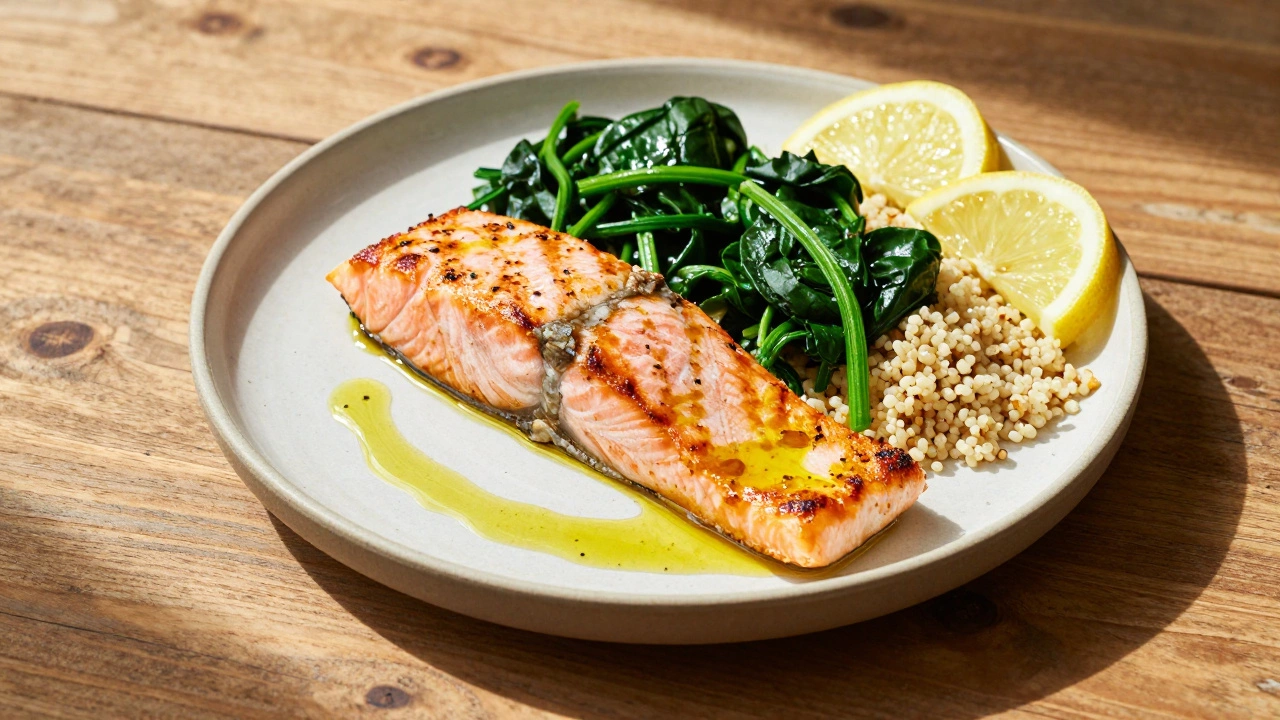
Your Balanced Plate:
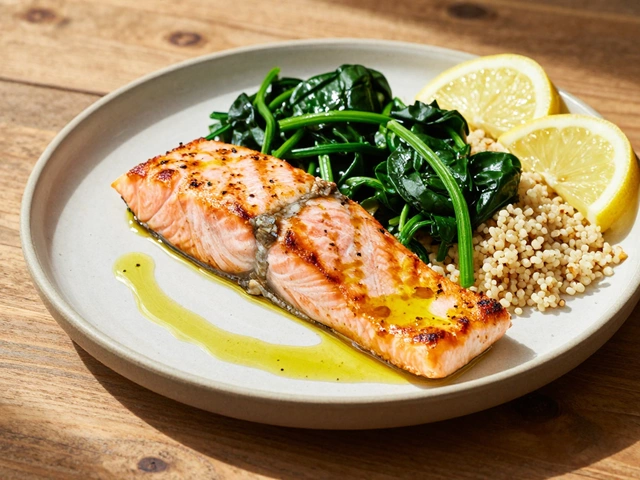
Spinach, Wild Salmon, Quinoa, and Olive Oil
Quick Takeaways for Better Eating
- Focus on whole, unprocessed foods over "diet" products.
- Prioritize healthy fats and fiber to stabilize blood sugar.
- The best diet is the one you can actually stick to for ten years, not ten days.
- Minimize added sugars and ultra-processed seed oils.
The Gold Standard: The Mediterranean Approach
If you force scientists to pick one winner, they usually point to the Mediterranean diet is an eating pattern based on the traditional cuisines of countries bordering the Mediterranean Sea, emphasizing plant-based foods and healthy fats. It isn't a strict diet in the modern sense-no one is counting calories or banning entire food groups. Instead, it's a lifestyle. Think of it as a framework where Olive Oil is the primary fat source, replacing butter or margarine.
Why does it consistently rank at the top? It targets the two biggest killers: heart disease and type 2 diabetes. By loading up on Monounsaturated Fats and antioxidants, this way of eating lowers LDL cholesterol and protects the lining of your arteries. Imagine a plate filled with grilled salmon, a heap of sautéed spinach, and a side of quinoa drizzled with lemon and oil. That's not just a meal; it's a strategy to keep your brain sharp and your heart strong.
| Diet Pattern | Primary Focus | Key Nutrient Source | Main Goal |
|---|---|---|---|
| Mediterranean | Whole plant foods & Fish | Omega-3s & Polyphenols | Heart Health & Longevity |
| DASH | Low Sodium & Potassium | Leafy Greens & Low-fat Dairy | Blood Pressure Control |
| Plant-Based | Legumes & Grains | Fiber & Phytonutrients | Metabolic Health |
Understanding the DASH Diet for Blood Pressure
While the Mediterranean style is great for general longevity, the DASH Diet is the Dietary Approaches to Stop Hypertension, specifically designed to treat or prevent high blood pressure. It's a bit more structured. It doesn't just tell you what to eat, but specifically what to avoid-namely Sodium. High salt intake pulls water into your bloodstream, increasing the pressure against your artery walls.
The magic of DASH lies in its emphasis on minerals like potassium, calcium, and magnesium. These nutrients act as a natural counterbalance to salt. Instead of reaching for a bag of salty chips, a DASH-aligned snack might be raw almonds or a piece of fruit. If you've ever felt that "heavy" feeling after a salty meal, you've experienced how sodium affects your fluid balance. Switching to a DASH-style approach can often lower systolic blood pressure significantly in as little as two weeks.
The Power of Plant-Forward Eating
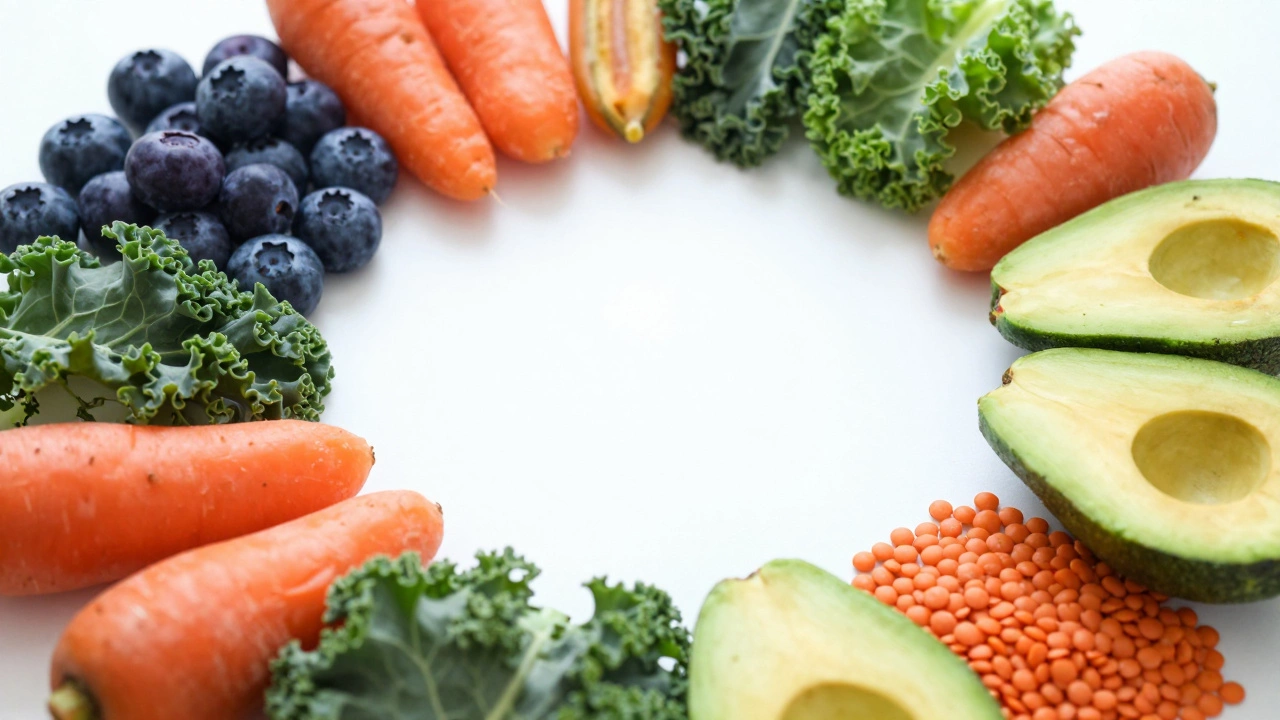
You don't have to go full vegan to get the benefits of a Plant-Based Diet. What matters is the healthiest diet for most people involves moving plants from the side dish to the center of the plate. This means prioritizing Legumes like lentils, chickpeas, and black beans over processed meats.
The secret weapon here is fiber. Most of us don't get nearly enough of it. Fiber doesn't just help you go to the bathroom; it feeds the good bacteria in your gut. A healthy Gut Microbiome is linked to everything from better mood regulation to a stronger immune system. When you eat a variety of colorful vegetables, you're essentially providing a diverse set of prebiotics that keep your internal ecosystem thriving.
Dealing with the "Diet Trends" Trap
Every few months, a new "miracle" diet pops up. Whether it's extreme fasting or cutting out entire food groups like carbs, these usually offer quick results because they create a massive calorie deficit, not because they are inherently healthier. The problem is the "yo-yo" effect. When you ban bread or fruit, your brain eventually rebels, leading to a binge that crashes your metabolism.
True health isn't about restriction; it's about addition. Instead of asking "What can't I eat?", ask "What nutrients am I missing?" If you love pasta, you don't have to quit it-just swap white flour pasta for a chickpea-based version or add two cups of roasted zucchini to the mix. This keeps you full longer and prevents the dreaded sugar crash that leads to afternoon brain fog.
How to Build Your Own Healthy Plate
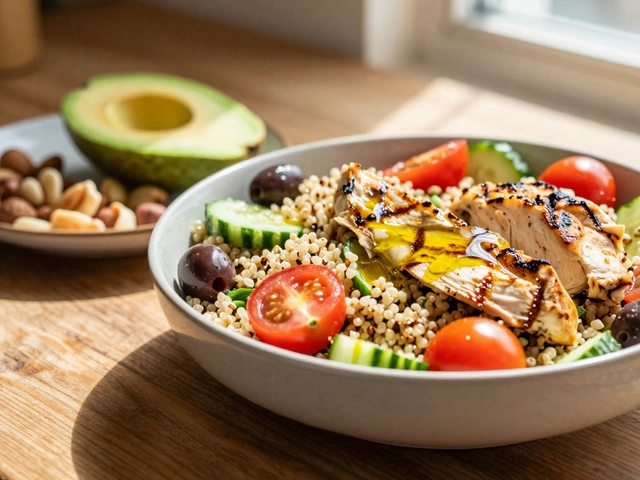
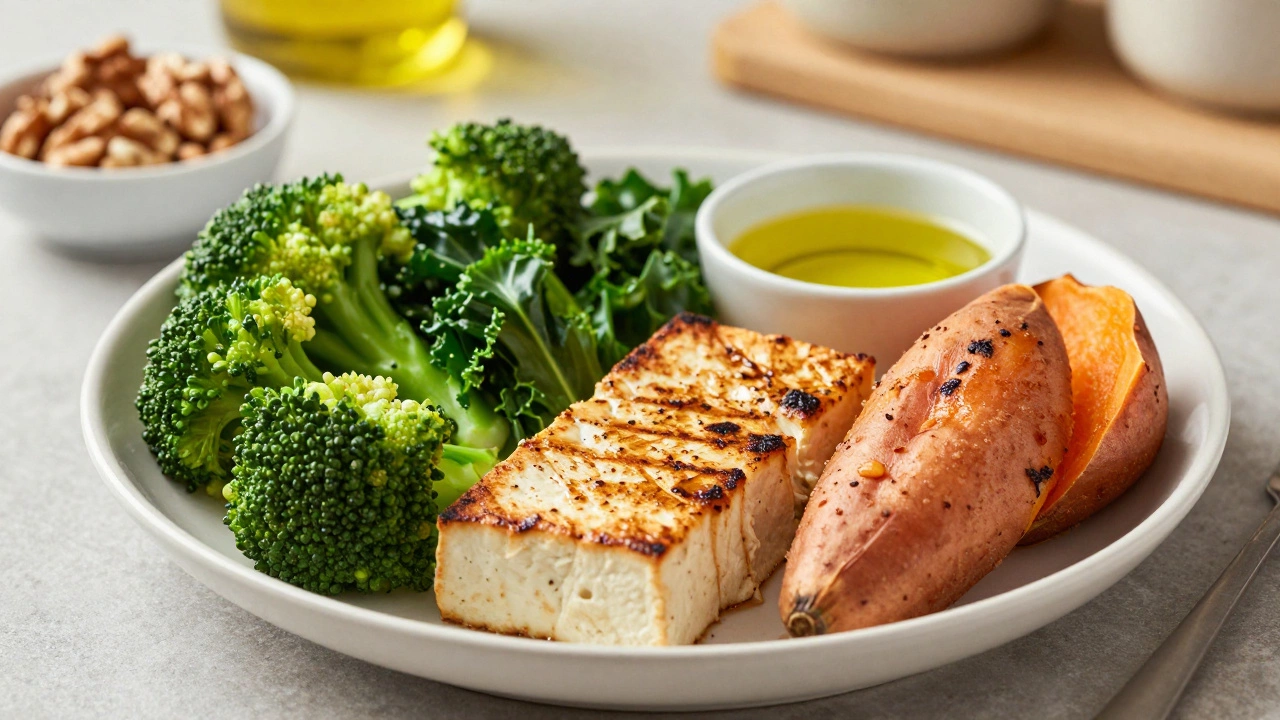
Since there is no single one-size-fits-all plan, you can build your own by following a few simple heuristics. Think of your plate in thirds: one-third for high-fiber vegetables, one-third for a quality protein, and one-third for complex carbohydrates or healthy fats.
- The Green Base: Start with greens or cruciferous vegetables like broccoli or kale. These provide the vitamins and minerals your cells need to repair themselves.
- The Protein Anchor: Choose wild-caught fish, organic tofu, or grass-fed lean meats. Protein preserves muscle mass, especially as you age.
- The Slow Carb: Reach for sweet potatoes, quinoa, or brown rice. These digest slowly, giving you a steady stream of energy rather than a spike and crash.
- The Healthy Gloss: Add a touch of avocado, walnuts, or extra virgin olive oil for brain health and nutrient absorption.
Common Pitfalls to Avoid
One of the biggest mistakes people make is buying "healthy" processed foods. Just because a box says "Keto-friendly" or "Gluten-free" doesn't mean it's good for you. Many of these products are stripped of nutrients and loaded with synthetic thickeners and artificial sweeteners to make them taste okay. If the ingredient list looks like a chemistry textbook, put it back on the shelf.
Another trap is the "all or nothing" mentality. You don't need to be 100% perfect. The 80/20 rule is far more effective: eat nutrient-dense, whole foods 80% of the time, and enjoy your favorite treats the other 20%. This prevents the psychological burnout that causes most diets to fail after the first month.
Is the Mediterranean diet better than a vegan diet?
Neither is objectively "better" for everyone. The Mediterranean diet includes fish and moderate dairy, which provides easy access to B12 and Omega-3s. A vegan diet can be just as healthy if you carefully supplement those nutrients and avoid processed "fake meats." The key is the focus on whole plants in both.
Can I eat the healthiest diet on a budget?
Absolutely. Some of the healthiest foods are the cheapest. Dried beans, lentils, brown rice, frozen spinach, and seasonal cabbage are all affordable and nutrient-dense. Buying in bulk and choosing frozen over fresh (which is often just as nutritious) helps keep costs down.
How do I know which diet is right for my specific body?
Pay attention to your energy levels, sleep quality, and digestion. If you feel sluggish after a high-carb meal, you might need more protein and fats. If you feel jittery and hungry, you might need more complex carbs. Tracking your food and mood for two weeks is a great way to find your personal sweet spot.
Are seed oils actually bad for you?
The debate centers on the ratio of Omega-6 to Omega-3 fatty acids. Overconsuming highly refined seed oils (like soybean or corn oil) can contribute to inflammation in some people. Replacing them with stable fats like olive oil or avocado oil is generally a safer bet for long-term health.
Do I need to count calories to be healthy?
Not necessarily. If you focus on whole, single-ingredient foods, your body's natural hunger and fullness signals (leptin and ghrelin) usually regulate your intake. Calorie counting is a tool for specific weight goals, but nutrient density is the priority for overall health.
Next Steps for Your Nutrition Journey
If you're feeling overwhelmed, don't try to change everything overnight. Start with one small habit. Maybe it's adding a handful of spinach to your morning smoothie or swapping your afternoon chips for a handful of walnuts. Once that feels automatic, add another change.
For those with specific medical conditions, like kidney disease or severe diabetes, it's vital to consult a registered dietitian. Nutrition is powerful, and for some, certain "healthy" foods (like high-potassium spinach) can actually be risky. The goal is a diet that supports your unique biology while bringing you joy at the dinner table.