Shiplap Alternative Finder
Not sure what replaces shiplap in your specific space? Answer these four questions to find the perfect modern wall treatment for your home.
Recommended Wall Treatments
Based on your selections, here are the top alternatives to shiplap for your project.
Remember when every home renovation show featured a white, horizontal plank wall? For years, shiplap was the undisputed king of accent walls. It promised instant farmhouse charm and rustic warmth. But if you’ve walked through a hardware store or scrolled through design feeds recently, you might have noticed a shift. The trend has cooled significantly. Many homeowners now find shiplap feels dated, overly kitschy, or just plain repetitive. So, what are people installing instead?
In 2024 and beyond, the focus has shifted from purely decorative textures to materials that offer depth, sustainability, and a more sophisticated aesthetic. Homeowners are moving away from the 'Instagram cottage' look toward styles that feel grounded, timeless, and genuinely luxurious. Whether you want to keep the texture but change the vibe, or go completely smooth and minimal, there are compelling alternatives that define the current era of interior design.
The Rise of Board and Batten
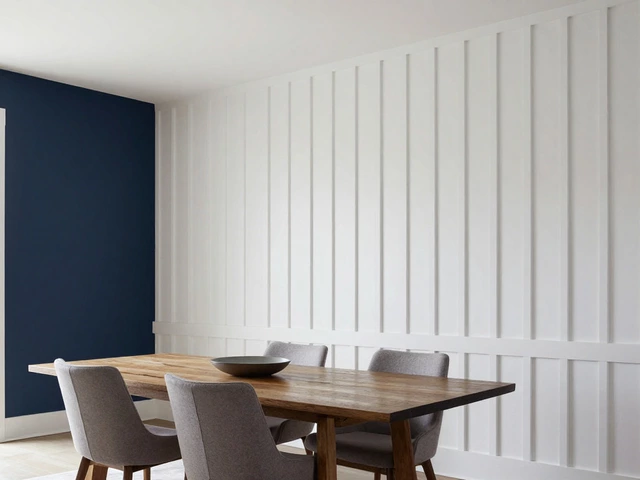
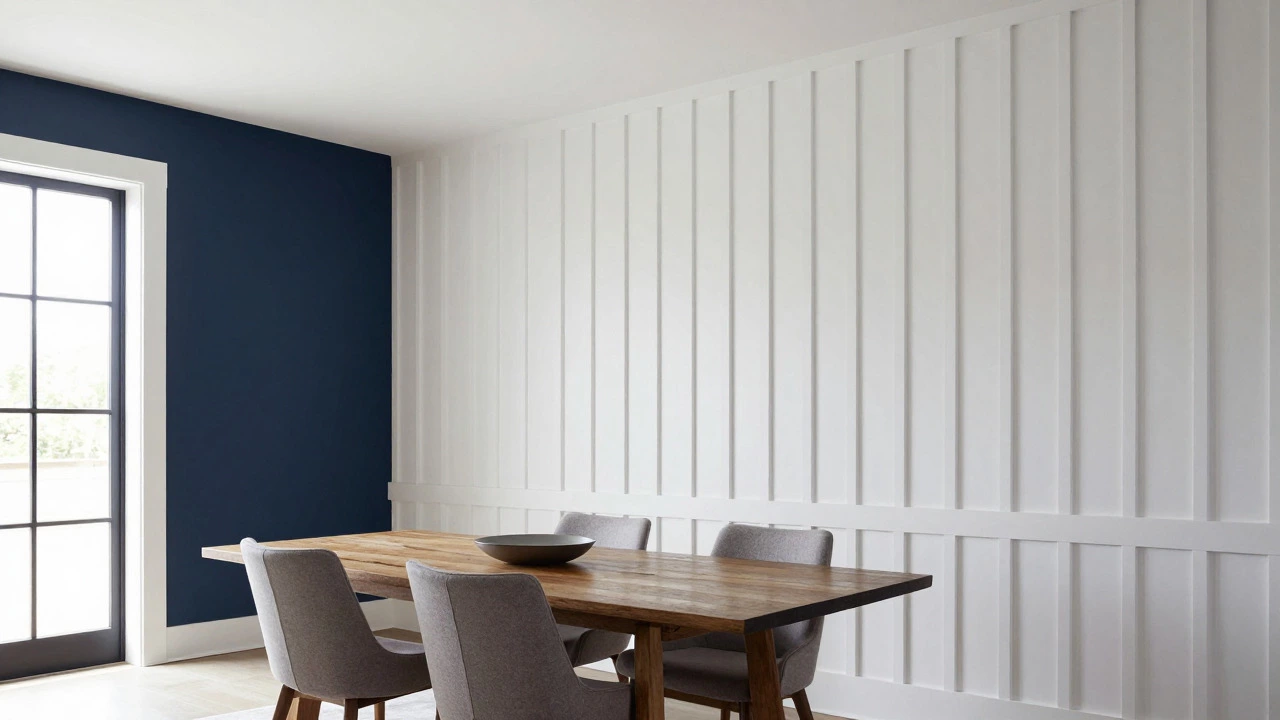
If shiplap is the casual cousin wearing jeans and a t-shirt, board and batten is the sharp-dressed brother in a tailored suit. This alternative uses vertical planks with narrow strips (battens) covering the seams. While it shares the same wood-on-wall DNA as shiplap, the vertical orientation changes everything visually. Vertical lines draw the eye upward, making ceilings appear higher and rooms feel airier. This is a crucial trick for smaller spaces or homes with low ceilings.
Board and batten also offers a cleaner, more structured look. It leans into traditional craftsmanship rather than rustic DIY vibes. You can use MDF for budget-friendly projects or real cedar and pine for durability. Paint it in deep navy, charcoal, or even black to create a moody, dramatic backdrop for a dining room or entryway. Unlike shiplap, which often screams 'country kitchen,' board and batten fits seamlessly into modern, industrial, and transitional styles. It’s versatile enough to handle both cozy nooks and grand foyers without feeling out of place.
Wainscoting: The Timeless Classic
When designers talk about elevating a space, they often point to wainscoting a classic wall treatment that covers the lower portion of a wall. Specifically, raised panel wainscoting is seeing a major resurgence. Unlike the full-wall coverage of shiplap, wainscoting typically stops at chair rail height (about 36 inches). This creates a visual anchor, grounding the room while leaving the upper walls open for art, color, or wallpaper.
The beauty of wainscoting lies in its architectural detail. The recessed panels add shadow lines and dimension that flat shiplap simply cannot match. It feels intentional and built-in, adding perceived value to a home. In 2024, we’re seeing this style paired with bold, saturated colors on the upper half of the wall-think emerald green, terracotta, or mustard yellow-while the wainscoting remains crisp white or soft gray. This contrast creates a layered, gallery-like effect that feels curated rather than trendy. It’s durable too; since it covers the most high-traffic area of the wall, it protects against scuffs and bumps better than any other option.
Limestone and Venetian Plaster
If you want to ditch wood entirely, natural stone finishes are the ultimate upgrade. limestone veneer thin slices of natural stone applied to walls brings organic texture and earthy tones into the home. Unlike the uniformity of manufactured shiplap, limestone varies in color and grain, ensuring no two walls look exactly alike. It pairs beautifully with warm woods, leather furniture, and indoor plants, creating a spa-like sanctuary.
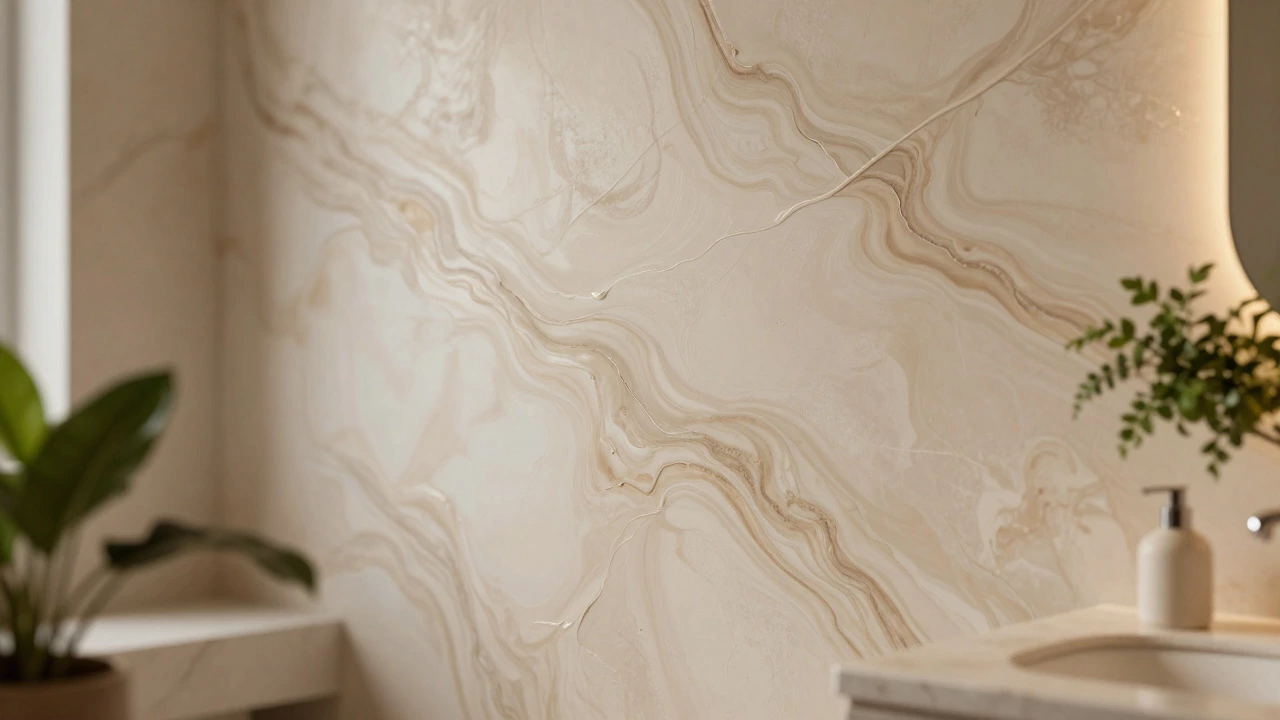
For those who prefer a smoother finish, Venetian plaster a hand-troweled lime-based finish that mimics marble is gaining traction. This technique involves layering thin coats of plaster and buffing them to a subtle sheen. The result is a fluid, mottled surface that catches light dynamically throughout the day. It’s popular in bathrooms and bedrooms where a calm, serene atmosphere is desired. Both limestone and Venetian plaster signal luxury and permanence. They don’t follow fleeting trends because they are rooted in centuries-old building traditions. If you’re looking for a wall treatment that will still look relevant in twenty years, these are strong contenders.
Vertical Wood Slats (Wood Slat Walls)
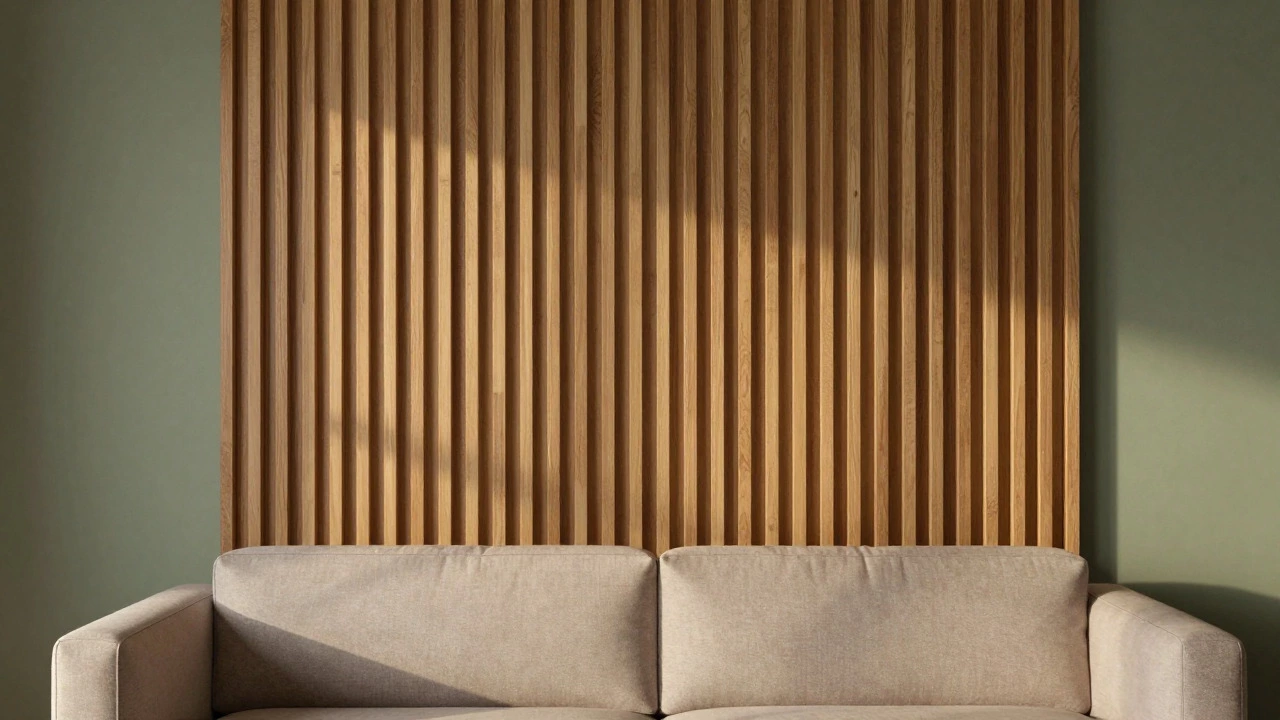
Another hot contender is the wood slat wall vertical wooden strips mounted over a backing board. Often confused with board and batten, slat walls feature wider gaps between the boards, creating a rhythmic pattern of light and shadow. This style originated in mid-century modern architecture but has been reimagined for contemporary interiors. It adds acoustic benefits, helping to dampen echo in open-plan living areas, which is a practical bonus many homeowners appreciate.
Wood slats work exceptionally well behind headboards, in home offices, or as a media wall backdrop. The natural warmth of oak, walnut, or ash tones down the coldness of large windows or concrete floors. Installation is relatively straightforward compared to complex molding work. You can buy pre-fabricated panels or custom-order them to fit irregular spaces. The key is spacing; consistent gaps create a polished look, while random spacing can feel chaotic. When done right, wood slats provide the textural interest of shiplap but with a sleeker, more modern silhouette that aligns perfectly with minimalist aesthetics.
Smooth Painted Walls with Bold Color
Sometimes, the best replacement for shiplap is nothing at all. There is a growing movement toward minimalist wall treatments clean, smooth surfaces focused on color and lighting. After years of busy patterns and heavy textures, many people crave simplicity. A perfectly smooth, freshly painted wall allows furniture, artwork, and architectural features to take center stage. This approach emphasizes quality over quantity. It requires excellent preparation-filling holes, sanding imperfections, and using high-quality primer-but the payoff is a serene, uncluttered environment.
To avoid looking sterile, pair smooth walls with rich, dark colors. Deep blues, forest greens, and warm browns add intimacy and drama without needing physical texture. Lighting becomes the star here. Layered lighting-combining ambient, task, and accent lights-creates shadows and highlights that give depth to flat surfaces. This strategy is cost-effective and highly flexible. You can change the mood of a room by repainting, whereas removing shiplap involves significant demolition labor. For renters or those who like to refresh their decor frequently, smooth walls offer unmatched versatility.
Fabric-Wrapped Walls
For a touch of softness and sound absorption, fabric-wrapped walls walls covered in upholstered fabric panels are emerging as a high-end alternative. This technique involves stretching fabric over foam or batting and securing it to the wall. It transforms hard, reflective surfaces into warm, inviting spaces. Fabric walls are particularly effective in home theaters, nurseries, and reading nooks where acoustics matter. They reduce noise pollution and prevent echoes, making conversations clearer and media experiences more immersive.
The visual impact is equally impressive. Textured fabrics like linen, velvet, or bouclé add tactile richness that paint and wood cannot replicate. You can choose neutral tones for a calming effect or vibrant hues for a statement piece. Maintenance is easier than expected; most fabrics used for wall coverings are treated to resist stains and dust. While installation requires professional skill, the longevity and comfort benefits make it a worthwhile investment for specific zones in your home. It’s a departure from the rigid geometry of shiplap, offering an organic, cocoon-like feel.
How to Choose the Right Alternative
Selecting the right wall treatment depends on your goals, budget, and existing decor. Consider the following factors:
- Room Function: High-traffic areas like hallways benefit from durable options like wainscoting or smooth painted walls. Bedrooms and lounges can accommodate softer choices like fabric or wood slats.
- Ceiling Height: Use vertical elements like board and batten or wood slats to elongate low ceilings. Horizontal elements should be avoided in short rooms unless balanced carefully.
- Lighting: Textured surfaces like limestone or plaster interact uniquely with light. Ensure your room has adequate natural or artificial light to showcase these details.
- Budget: Smooth painting is the most affordable. Board and batten and wood slats are mid-range. Limestone and custom fabric installations are premium investments.
- Resale Value: Neutral, timeless options like wainscoting and smooth walls appeal to a broader range of buyers. Highly stylized trends may limit future appeal.
Ultimately, the goal is to create a space that feels authentic to you. Shiplap dominated because it was easy and accessible. Its replacements offer more nuance, character, and sophistication. By choosing a material that complements your lifestyle and architectural context, you’ll build a home that stands the test of time, not just the next season’s trend cycle.
Is shiplap really out of style in 2024?
Yes, shiplap has largely fallen out of favor in mainstream design. While it isn't 'bad,' it is associated with a specific 2010s farmhouse trend that many now find overused. Designers are shifting toward more sophisticated, textured, or minimalist alternatives that offer greater versatility and timeless appeal.
What is cheaper than shiplap?
Smooth painted walls are significantly cheaper than shiplap. You save on material costs (no planks needed) and labor, as painting is faster than installing individual boards. If you want texture, faux finishing techniques or peel-and-stick wallpaper can also be more budget-friendly than real wood shiplap.
Can I install board and batten myself?
Absolutely. Board and batten is considered a DIY-friendly project. You need basic tools like a nail gun, level, and saw. Many tutorials guide you through measuring, cutting, and attaching the battens evenly. Using MDF keeps costs low and makes cutting easier than working with solid wood.
Does wainscoting increase home value?
Yes, professionally installed wainscoting can boost home value. It is viewed as a permanent architectural feature rather than a temporary trend. Buyers often appreciate the added protection for walls and the classic elegance it brings, especially in kitchens, dining rooms, and entryways.
Which wall treatment is best for small rooms?
Vertical treatments like board and batten or wood slats are ideal for small rooms because they draw the eye up, making ceilings appear higher. Light-colored paints and smooth walls also help reflect light, making the space feel larger and more open. Avoid heavy, dark textures that can overwhelm a compact area.
How do I maintain fabric-wrapped walls?
Fabric walls require gentle care. Regularly vacuum with a brush attachment to remove dust. For stains, use a dry-cleaning solvent or a specialized fabric cleaner, always testing on a hidden spot first. Most upholstery fabrics used for walls are treated to resist moisture and dirt, making them surprisingly low-maintenance.
Is Venetian plaster difficult to apply?
Venetian plaster is technically demanding and usually requires a professional applicator. It involves multiple layers of lime-based plaster, each burnished to create a smooth, marble-like finish. Improper application can lead to cracking or uneven sheen, so hiring an expert is recommended for best results.
What color goes best with wood slat walls?
Neutral backgrounds like white, cream, or light gray allow the natural wood grain to stand out. For a bolder look, pair dark wood slats with contrasting wall colors like deep blue or sage green. The key is balancing the warmth of the wood with cool or neutral tones to prevent the room from feeling too heavy.