Signature Style Discovery Quiz
Answer these quick questions to uncover your dominant style archetype. This tool helps you move beyond trends and find a visual language that feels authentically you.
Your Archetype:
Key Elements
Best For
Vibe Tags
You’ve got a closet full of clothes but nothing to wear. Sound familiar? You buy trendy pieces because they look good on the model, or you stick to what’s safe because experimenting feels risky. But there’s a third path: finding your signature style. This isn’t about chasing trends; it’s about curating a visual language that consistently reflects who you are. It’s the difference between dressing up and truly expressing yourself.
Finding your signature style is less about magic and more about methodical self-discovery. It requires looking at what you already own, understanding what makes you feel confident, and identifying patterns in what works for your life. Here is how you can cut through the noise and build a wardrobe that feels authentically you.
The Wardrobe Audit: Start With What You Have
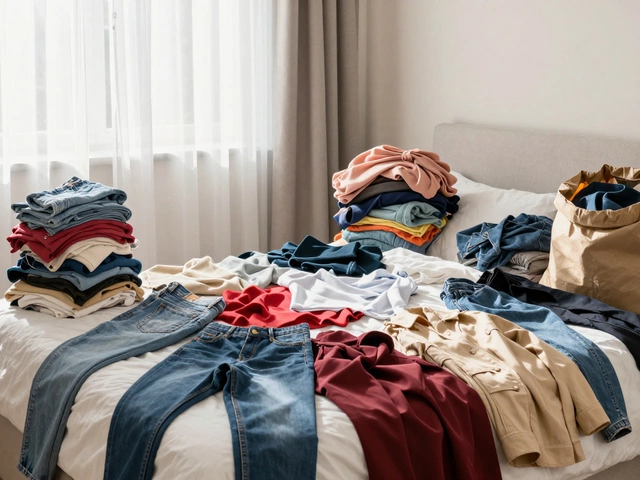
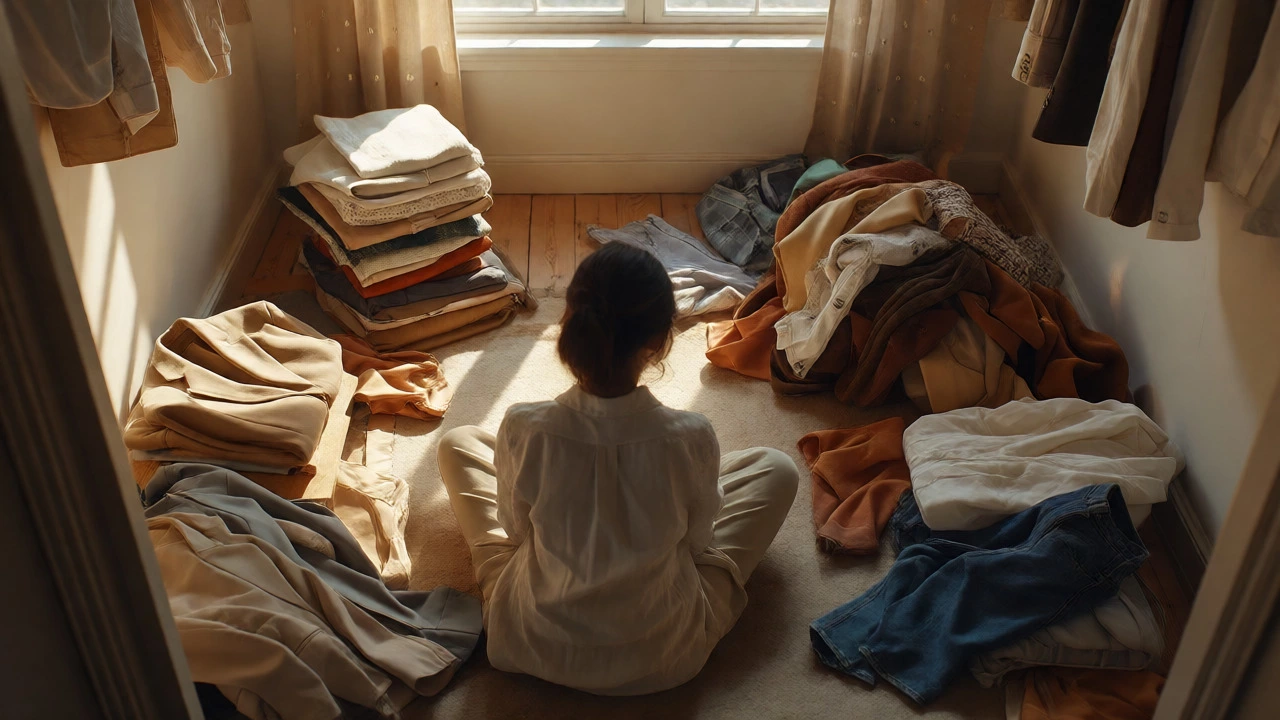
Before you buy a single new item, you need to confront your current reality. Most people have three categories of clothing hiding in their closets: the "I love it" pile, the "I should wear this" pile, and the "I forgot this existed" pile. Your signature style lives in the first pile. The other two are just clutter and guilt.
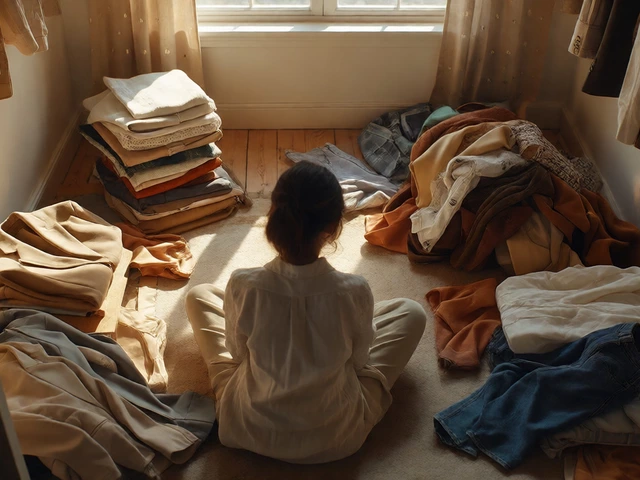
Pull everything out. Yes, everything. Sort it into these groups:
- The Favorites: Items you reach for repeatedly without thinking. These are your anchors.
- The Regrets: Things you bought because they were on sale or looked good in the store but never made you feel good when worn.
- The Uniforms: Basics you wear out of habit, not joy.
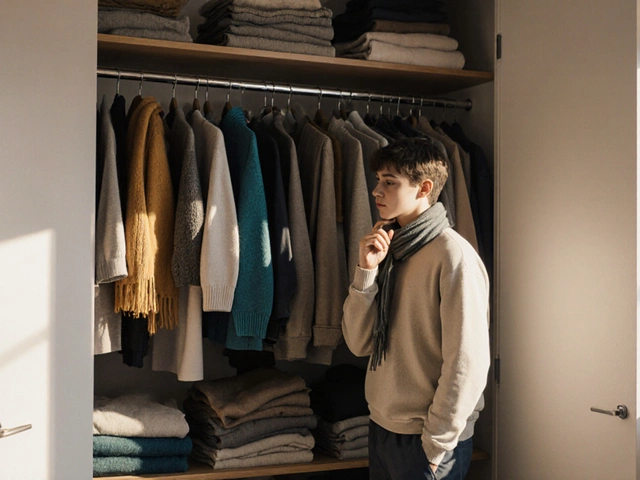
Look closely at the Favorites. Do they share a common thread? Maybe it’s a specific color palette, like earth tones or monochromatic black. Maybe it’s a silhouette preference, such as tailored trousers or flowy dresses. Perhaps it’s a fabric preference, like linen or denim. These recurring elements are the raw data of your style. They tell you what your body and personality actually prefer, regardless of what magazines say you should be wearing.
Decoding Your Visual DNA
Your style is influenced by more than just aesthetics; it’s tied to your lifestyle, profession, and values. A corporate lawyer in Wellington needs a different uniform than a freelance graphic designer working from home. If your job demands formality, your signature style might lean towards polished minimalism. If you’re constantly on the move, comfort and versatility will take precedence.
To decode your visual DNA, ask yourself these questions:
- What do I admire? Not what you want to be, but what genuinely catches your eye on the street or in media. Is it the effortless chic of a French woman? The rugged utility of workwear? The bold colors of street style?
- When do I feel most confident? Think back to moments where you felt powerful or beautiful. What were you wearing? Was it a structured blazer? A vintage band tee? A simple white shirt?
- What are my non-negotiables? Maybe you hate tight waistbands. Maybe you refuse to wear polyester. Knowing your deal-breakers saves you from buying clothes you’ll never wear.
This process helps you identify your core aesthetic pillars. For example, if you love clean lines, neutral colors, and high-quality fabrics, your pillar might be "Minimalist Luxury." If you love mixing patterns, vintage finds, and comfortable shoes, your pillar might be "Eclectic Comfort." Write down three adjectives that describe the vibe you want to project. Stick them on your mirror. Let them guide every future purchase.
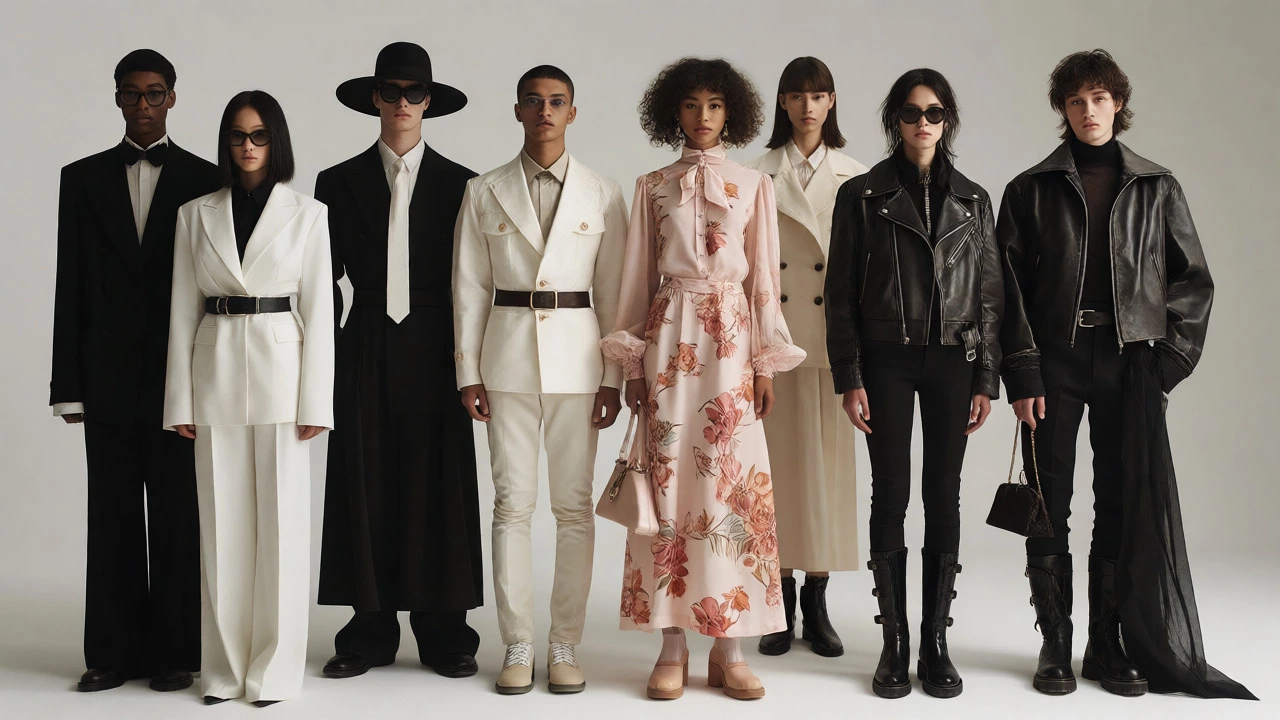
| Archetype | Key Elements | Vibe | Best For |
|---|---|---|---|
| Classic | Tailored fits, neutrals, timeless pieces (blazers, trench coats) | Polished, Professional, Timeless | Corporate environments, formal events |
| Minimalist | Monochrome, simple silhouettes, high-quality basics | Clean, Modern, Understated | Creative industries, urban living |
| Romantic | Soft fabrics, florals, pastels, feminine details | Soft, Feminine, Dreamy | Spring/Summer wardrobes, casual dates |
| Edgy | Leather, dark colors, statement accessories, unconventional cuts | Bold, Confident, Rebellious | Nightlife, creative fields, cold weather |
| Natural | Earth tones, organic fabrics (linen, cotton), relaxed fits | Comfortable, Grounded, Easy-going | Outdoor activities, remote work, travel |
Building Your Capsule Collection
Once you know your pillars, you can start building a capsule collection. This isn’t about having fewer clothes; it’s about having better clothes that work together. A signature style relies on cohesion. Every piece in your closet should mix and match with at least three other items.
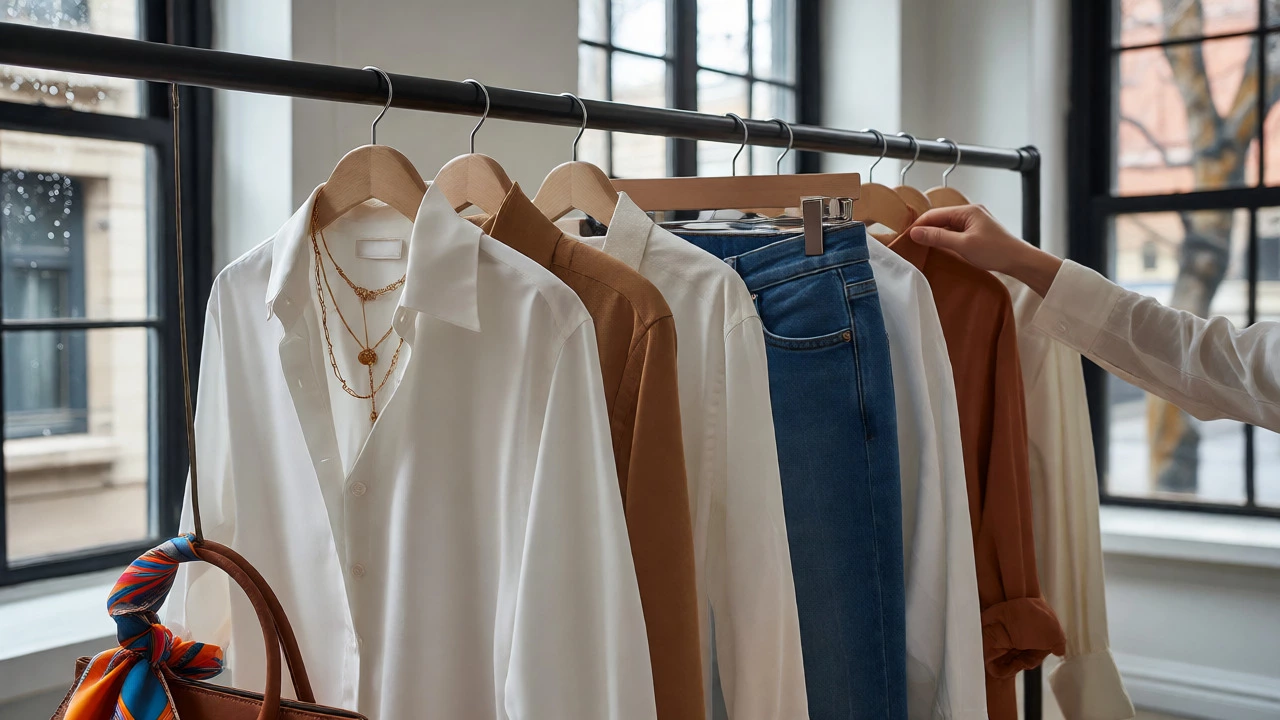
Start with the foundation. Identify your "uniform" staples. For many, this might be a well-fitted pair of jeans, a crisp white t-shirt, and a versatile jacket. For others, it could be a midi skirt, a silk blouse, and a cardigan. These items form the base layer of your daily outfits. Invest in quality here. Cheap basics fall apart quickly and ruin the look of even the best statement pieces.
Next, add your "signature" accents. These are the items that make an outfit distinctly yours. Maybe it’s a specific type of jewelry, like layered gold necklaces or chunky silver rings. Maybe it’s a footwear choice, like red sneakers or ankle boots. Or perhaps it’s a consistent use of a specific accessory, like a silk scarf tied around a bag handle. These small details create recognition. When people see you, they notice the consistency, not just the clothes.
Be ruthless with purchases. Before buying anything, hold it against your existing favorites. Does it complement them? Does it fit your three adjectives? If it doesn’t pass both tests, leave it on the rack. Impulse buys are the enemy of a curated wardrobe.
Refining Through Experimentation
Your signature style isn’t static. It evolves as you do. In your twenties, you might experiment with bold prints and fast fashion. In your thirties, you might shift toward tailoring and natural fibers. That’s normal. The goal isn’t to find one outfit and wear it forever; it’s to find a direction that feels right for your current chapter.
Try the "30-Day Wear Test." Pick five new items you’re unsure about. Wear each one three times over the next month. Pay attention to how you feel while wearing them. Do you constantly adjust them? Do you forget you have them on? Do you get compliments? After 30 days, decide whether to keep, return, or donate. This removes the emotional attachment to the "potential" of an item and focuses on its actual performance in your life.
Also, consider your context. Living in Wellington means dealing with four seasons in one day. Your signature style must accommodate wind and rain without losing its essence. Maybe your classic style includes a durable, stylish raincoat rather than a delicate trench. Adapting your aesthetic to your environment ensures you actually wear your clothes instead of leaving them in the back of the closet.
Maintaining Your Style Identity
Once you’ve established your signature style, maintenance becomes easier. You stop shopping aimlessly. You know exactly what you need to fill gaps. You ignore trends that don’t align with your pillars. This saves money and mental energy.
However, stay open to subtle evolution. Notice when you start feeling bored. Boredom is a signal that your style needs a refresh, not a complete overhaul. Swap a basic item for a slightly updated version. Add a new color to your palette. Introduce a new texture. Keep the core identity intact while allowing for growth.
Remember, your signature style is a tool for confidence, not a cage. It should empower you to get dressed quickly and feel ready for whatever the day brings. If you ever feel restricted by it, tweak it. The perfect signature style is the one that lets you be yourself, effortlessly.
How long does it take to find my signature style?
It varies, but typically takes 3-6 months of conscious observation and editing. It’s an iterative process of trying things on, seeing what works, and refining your preferences. Don’t rush it; let your taste develop naturally alongside your self-awareness.
Can my signature style change over time?
Absolutely. Your style should evolve as your career, location, and personal tastes change. The key is to ensure changes reflect your authentic self rather than fleeting trends. Periodic wardrobe audits help you adjust your style as you grow.
Do I need expensive clothes to have a signature style?
No. Signature style is about curation and fit, not price tags. Thrift stores and high-street brands can provide excellent pieces. Focus on fit, fabric quality relative to cost, and how items coordinate with your existing wardrobe rather than brand names.
What if I like multiple styles?
Most people have hybrid styles. You might blend minimalist lines with romantic fabrics, or classic cuts with edgy accessories. Identify which elements resonate most strongly and create a cohesive blend rather than forcing yourself into a single rigid category.
How do I handle seasonal changes with a signature style?
Adapt your core elements to the weather. If your style is minimalist, swap linen shirts for wool sweaters in winter, keeping the same clean lines and neutral palette. Maintain your color story and silhouette preferences across seasons to keep your identity consistent.