Belly Fat Loss Strategy Calculator
Your Current Status
Your Personalized Strategy
Recommended Weekly Split
Key Focus Areas
Enter your details to generate a science-backed plan for reducing visceral fat.
You’ve probably heard it a thousand times: do five hundred crunches a day, and that stubborn belly fat will melt away. It sounds logical, right? If you want to lose weight from your stomach, work out your stomach. But here is the hard truth that fitness experts have known for decades: spot reduction is a myth. You cannot tell your body where to burn fat from by exercising a specific muscle group. Doing endless sit-ups might give you stronger abs, but they will remain hidden under a layer of fat if your overall body composition doesn’t change.
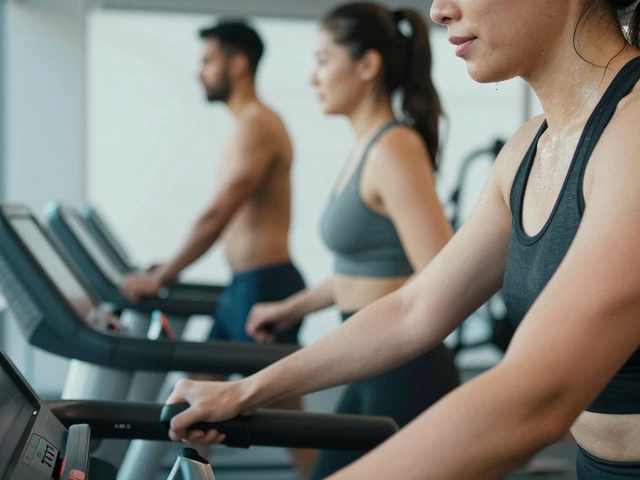
So, what actually works? The answer isn’t one magic move, but a combination of high-intensity movement, full-body strength training, and consistent dietary habits. When we talk about burning belly fat-specifically visceral fat, the dangerous kind that wraps around your organs-we need to look at exercises that maximize calorie expenditure and boost metabolism long after you’ve finished your session. This is where understanding the difference between cardio and resistance training becomes crucial for anyone looking to transform their midsection.
The Science Behind Visceral Fat Loss
To understand which exercises are most effective, we first need to distinguish between two types of abdominal fat. Subcutaneous fat sits just under the skin; it’s the pinchable stuff. Visceral fat, however, lies deeper in the abdomen, surrounding your liver, pancreas, and intestines. While subcutaneous fat affects how you look, visceral fat is metabolically active and linked to higher risks of heart disease, type 2 diabetes, and inflammation.
Research published in journals like the Journal of Applied Physiology indicates that high-intensity interval training (HIIT) is particularly effective at reducing visceral fat. Unlike steady-state cardio, such as a leisurely jog, HIIT forces your body into a state of oxygen debt. This triggers excess post-exercise oxygen consumption (EPOC), meaning your body continues to burn calories at an elevated rate for hours after you stop moving. For busy people who don’t have time for hour-long gym sessions, this efficiency makes HIIT a top contender for fat loss.
Why can't I just do crunches to lose belly fat?
Crunches strengthen the rectus abdominis muscles, but they do not burn significant calories or target the fat covering those muscles. Fat loss occurs systemically across the entire body when you are in a caloric deficit, not locally in the area being exercised.
Top Exercises for Maximum Calorie Burn
If your goal is to create the largest possible energy deficit, you need compound movements. These are exercises that engage multiple large muscle groups simultaneously. The more muscles you recruit, the more energy your body requires. Here are the most effective movements for torching calories and stimulating fat loss:
- Burpees are a full-body explosive exercise that combines a squat, push-up, and jump. They elevate your heart rate rapidly and engage your legs, chest, shoulders, and core. A single set of twenty burpees can feel like a mini-workout because they demand total body coordination and power.
- Mountain Climbers are a dynamic plank variation that drives knees toward the chest. This movement keeps your core engaged while providing a cardiovascular challenge. It mimics the motion of climbing a steep hill, engaging the hip flexors and stabilizing the spine.
- Squat Jumps are plyometric exercises that build lower body power. By adding an explosive jump to a standard squat, you increase the metabolic cost significantly. Your quadriceps, glutes, and calves work hard to propel you upward, burning more calories than static squats.
- Kettlebell Swings are hip-hinge dominant movements that utilize momentum. Using a kettlebell allows you to add external resistance, forcing your posterior chain (glutes and hamstrings) to generate force. This is excellent for building functional strength while maintaining a high heart rate.
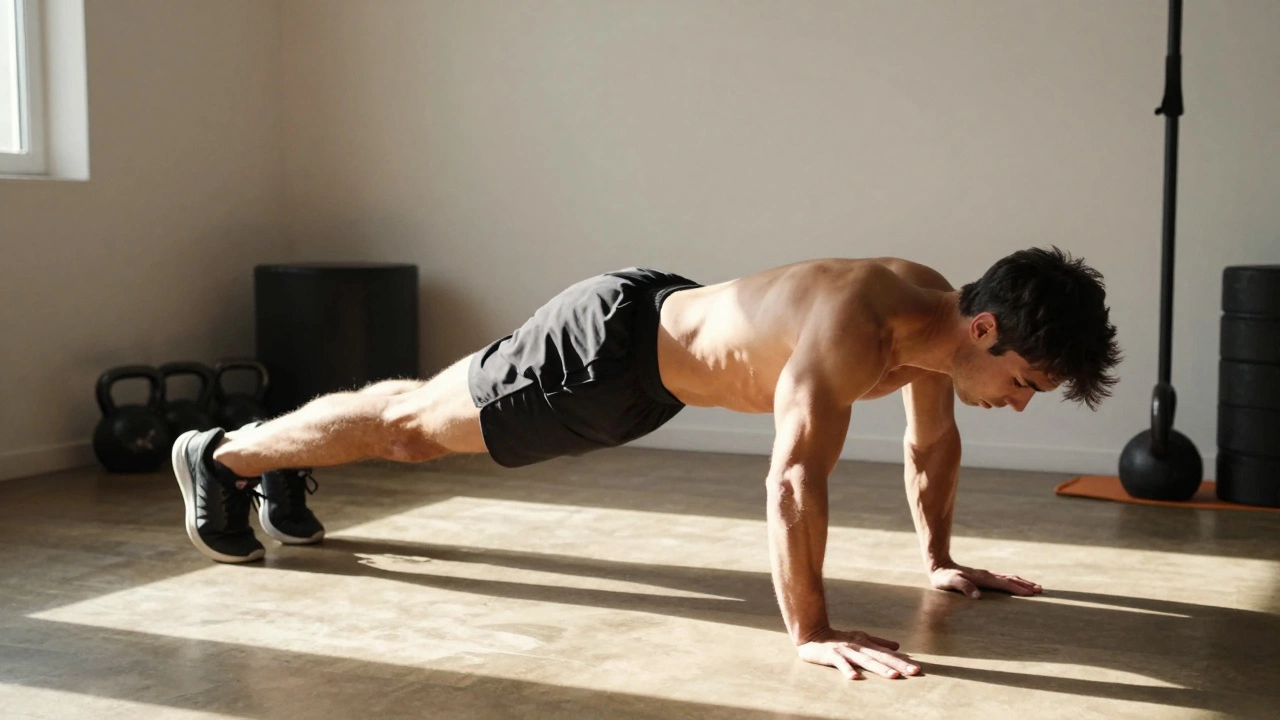
Notice that none of these are isolated ab exercises. They are systemic stressors. When you perform these movements, your core acts as a stabilizer, preventing injury and transferring power between your upper and lower body. This dual function-cardiovascular conditioning and muscular endurance-is key to reshaping your physique.
The Role of Strength Training in Fat Loss
While cardio burns calories during the activity, strength training changes your body’s baseline metabolism. Muscle tissue is metabolically expensive; it requires more energy to maintain than fat tissue does. By increasing your lean muscle mass, you raise your basal metabolic rate (BMR). This means you burn more calories even while sleeping or sitting on the couch.
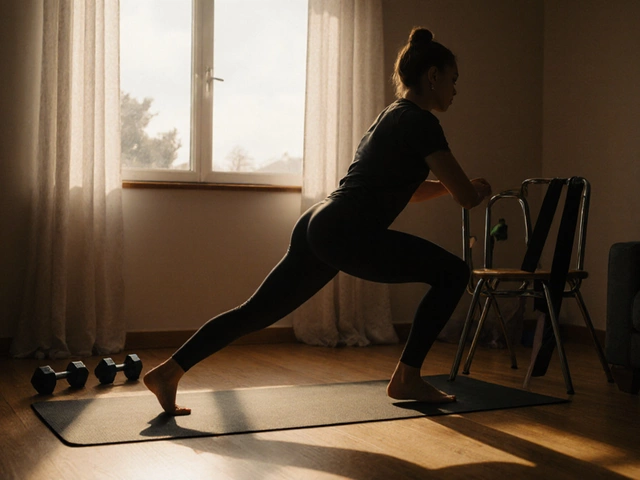
Incorporating resistance training into your routine helps prevent the "skinny fat" appearance, where weight is lost but muscle tone is also diminished. Focus on compound lifts such as deadlifts, overhead presses, and rows. These exercises release hormones like testosterone and growth hormone, which play a role in fat mobilization and muscle repair. If you are working out at home, investing in adjustable dumbbells or resistance bands can provide the necessary load to stimulate hypertrophy without needing a commercial gym membership.
| Workout Type | Primary Benefit | Calorie Burn (During) | Afterburn Effect (EPOC) |
|---|---|---|---|
| Steady-State Cardio (Jogging) | Heart health, endurance | Moderate | Low |
| HIIT (High-Intensity Interval Training) | Rapid fat oxidation, time efficiency | High | Very High |
| Strength Training | Muscle growth, BMR increase | Moderate | Moderate |
| Core Isolation (Crunches) | Muscular endurance of abs | Low | Negligible |
Essential Home Workout Equipment for Efficiency
You do not need a sprawling gym to achieve results, but having the right tools can make a significant difference in intensity and variety. Since the prompt relates to home workout equipment, let’s look at items that offer the highest return on investment for fat loss.
Adjustable Dumbbells are versatile weights that allow you to change resistance quickly. They save space compared to a full rack of plates and enable you to perform everything from goblet squats to Romanian deadlifts. Being able to progressively overload your muscles is critical for continued adaptation and fat loss.
Resistance Bands are elastic tubes that provide variable tension. They are excellent for activating glutes before heavy lifts and adding resistance to bodyweight movements like pull-ups or lateral walks. Their portability makes them ideal for travel or small apartments.
Kettlebells are cast-iron weights with a handle. Their offset center of gravity challenges your grip and stabilizer muscles more than dumbbells. As mentioned earlier, swings and snatches are premier moves for combining strength and cardio.
Pull-Up Bar is a doorframe-mounted bar for vertical pulling. Pull-ups and chin-ups engage the latissimus dorsi, biceps, and core. A strong back pulls your shoulders back, improving posture and making your waist appear smaller visually.
Diet: The Non-Negotiable Factor
No amount of burpees will compensate for a poor diet. To lose belly fat, you must be in a caloric deficit-consuming fewer calories than you burn. However, the quality of those calories matters immensely. Diets high in refined sugars and processed carbohydrates spike insulin levels, promoting fat storage, particularly in the abdominal region.
Focus on whole foods: lean proteins, healthy fats, fiber-rich vegetables, and complex carbohydrates. Protein is especially important because it has a high thermic effect, meaning your body burns more calories digesting it compared to fats or carbs. Additionally, protein preserves muscle mass during weight loss, ensuring that the weight you lose comes from fat stores rather than muscle tissue. Aim for adequate hydration as well, as water supports metabolic processes and can help reduce bloating.
Lifestyle Factors: Sleep and Stress
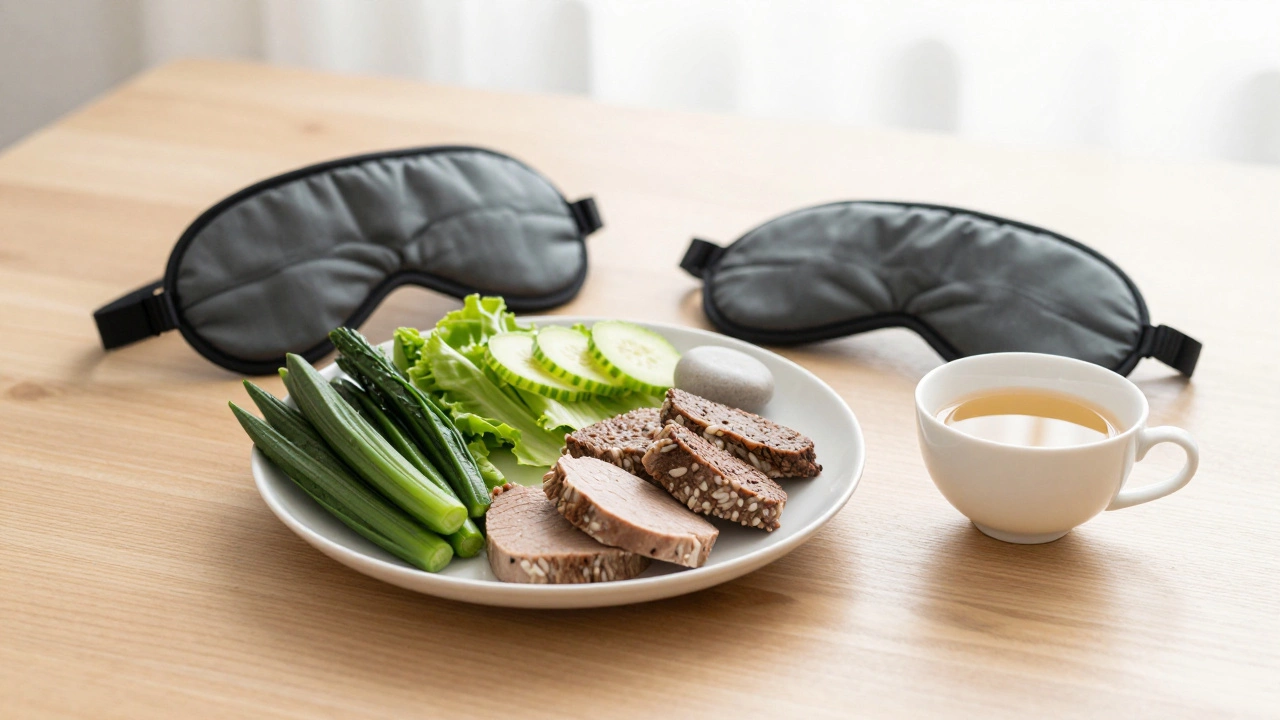
Often overlooked, sleep and stress management are pivotal in the battle against belly fat. Chronic stress elevates cortisol, a hormone that encourages the body to store fat in the abdominal area. High cortisol levels also break down muscle tissue and increase appetite, creating a double whammy for your waistline.
Similarly, poor sleep disrupts hunger hormones. Leptin, which signals fullness, decreases, while ghrelin, which signals hunger, increases. Studies show that individuals who sleep less than six hours per night are significantly more likely to gain visceral fat. Prioritizing seven to nine hours of quality sleep is not lazy; it is a strategic component of your fat-loss plan.
Creating a Sustainable Routine
Consistency beats intensity every time. A brutal workout you do once a week is less effective than a moderate workout you do four times a week. Start by incorporating three days of strength training and two days of HIIT or brisk walking. Listen to your body. Recovery is when the magic happens-when muscles repair and fat is oxidized.
Avoid the trap of comparing yourself to others. Genetics play a role in where you store and lose fat. Some people lose belly fat first; others lose it last. Trust the process. Measure progress through how your clothes fit, energy levels, and strength gains, not just the number on the scale. With the right mix of compound exercises, proper nutrition, and adequate rest, the belly fat will eventually follow.
How long does it take to see results from belly fat exercises?
Visible changes typically take 8 to 12 weeks of consistent effort. Initial improvements in strength and energy may occur within the first two weeks, but significant reductions in visceral and subcutaneous fat require sustained caloric deficits and regular exercise over months.
Is walking enough to burn belly fat?
Walking is excellent for general health and can contribute to a caloric deficit, but it may not be intense enough to trigger significant EPOC or rapid visceral fat loss on its own. Combining walking with strength training or HIIT yields better results for targeted fat loss.
Can supplements help burn belly fat?
Most fat-burning supplements have minimal effects compared to diet and exercise. Caffeine may slightly boost metabolism, but no pill replaces the need for a caloric deficit and physical activity. Relying on supplements often leads to disappointment and wasted money.
What is the best time of day to exercise for fat loss?
The best time is whenever you can consistently perform the workout. Some studies suggest morning fasted cardio may slightly enhance fat oxidation, but the total daily energy expenditure matters far more than the timing of the exercise.
Do I need to avoid carbs to lose belly fat?
You do not need to eliminate carbs entirely, but choosing complex carbohydrates like oats, quinoa, and vegetables over refined sugars is beneficial. Reducing refined carbs helps stabilize blood sugar and insulin levels, which can aid in reducing abdominal fat storage.