Fast Harvest Planner
Select a crop below to see its growth timeline. Adjust the start date to plan your next salad bowl.
Radishes
Easy Spring/AutumnHarvest Estimate
Earliest Ready:
--
Latest Ready:
--
Status: Planning
You planted seeds three weeks ago. You check the soil every morning. Still nothing. Meanwhile, your neighbor is already eating salads from their backyard. What did they do? They didn't have a magic thumb. They just picked the right crops.
If you're impatient like most of us, waiting four months for a tomato feels like an eternity. The good news? Some vegetables go from seed to plate in less than a month. We're talking about plants that don't care if you forgot to water them twice or if your soil isn't perfect. These are the speed demons of the garden world.
Why Speed Matters More Than Size
Most gardening advice focuses on yield per square foot. That's great if you're feeding a family of six. But if you're living in a Wellington apartment with a small balcony, or if you're just starting out and need a win, speed is king. A crop that matures in 25 days gives you immediate feedback. You learn what works. You get hungry. You eat fresh food. It builds momentum for the slower crops like carrots or parsnips.
There is also a practical reason to grow fast crops. In New Zealand, our weather can be fickle. One week it's sunny, the next it's pouring rain. Fast-growing veggies slip through these gaps. You plant them between slower crops, harvesting before the main season peaks. This technique, called succession planting, keeps your beds productive year-round without leaving empty dirt.
The Undisputed Champion: Radishes
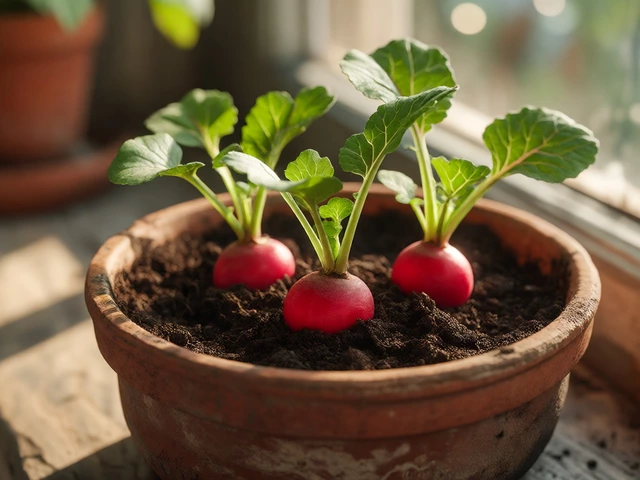
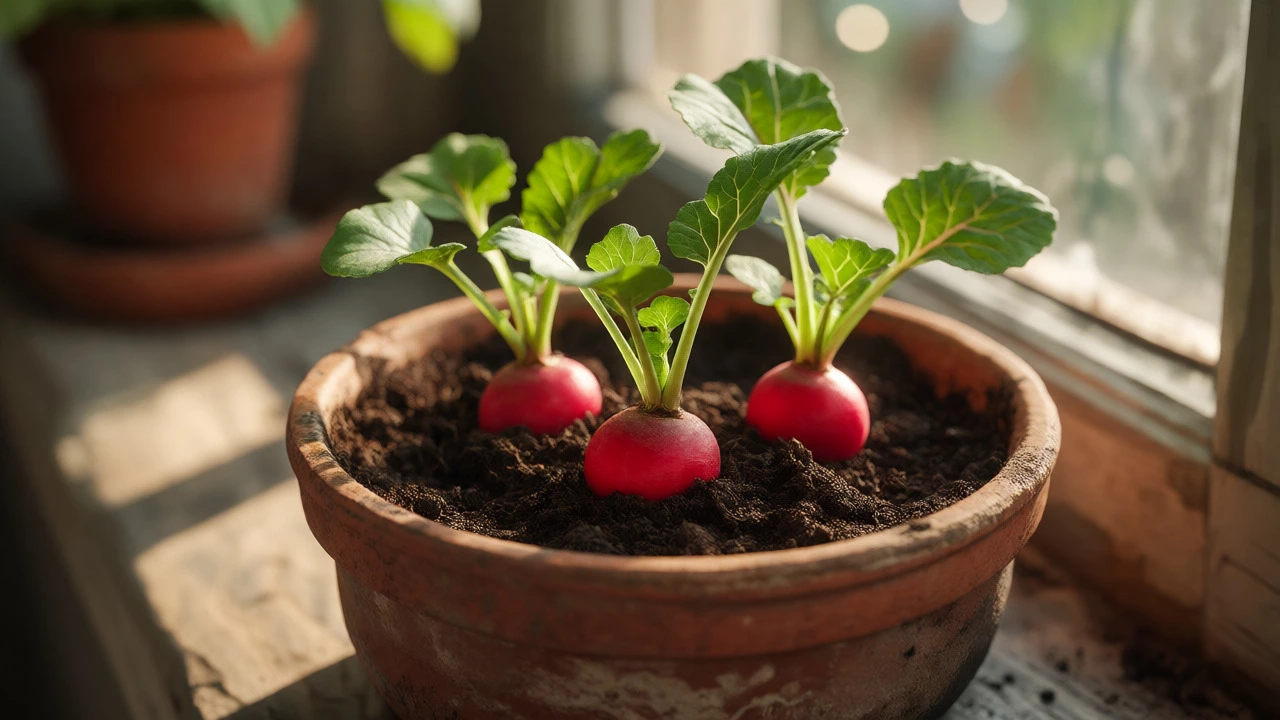
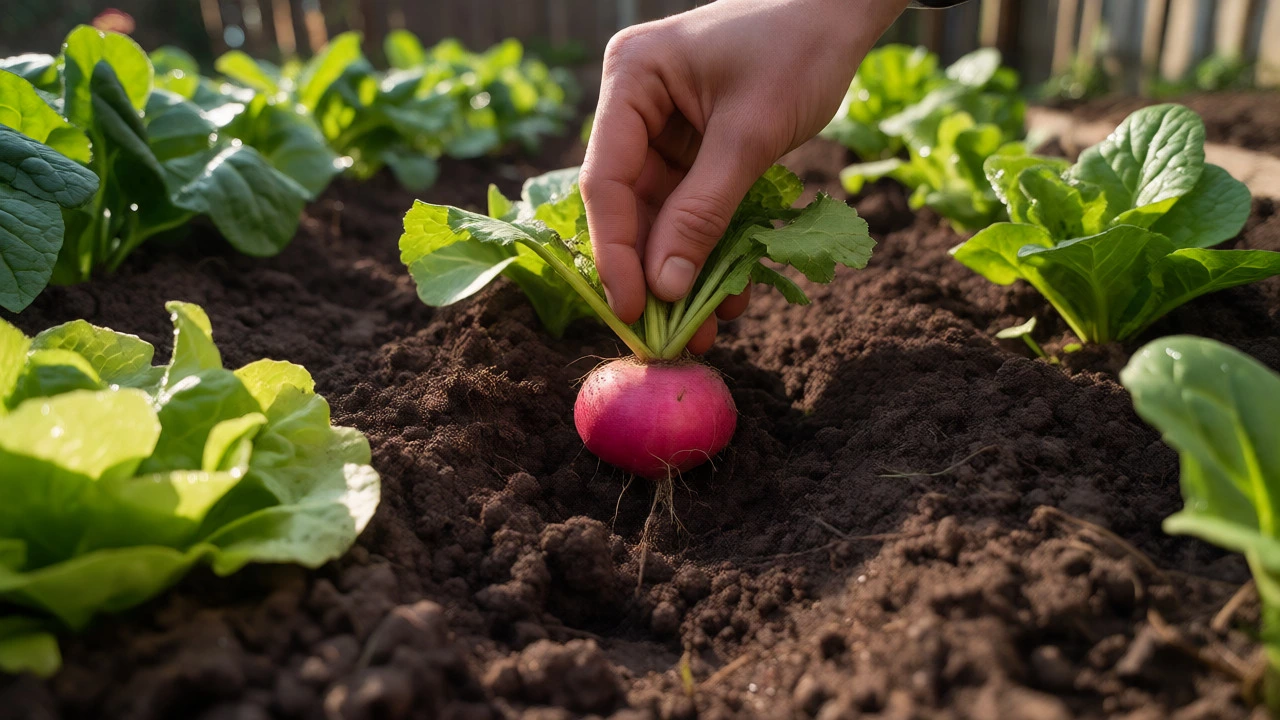
If there is one vegetable that defines "quick," it's the radish. Specifically, varieties like 'Cherry Belle' or 'French Breakfast'. From sowing to harvest, you are looking at 21 to 28 days. Yes, three weeks. That is faster than most people take to order groceries online.
Radishes are root vegetables belonging to the Brassicaceae family. They thrive in cool temperatures, ideally between 10°C and 18°C, which makes them perfect for spring and autumn in New Zealand. Their rapid growth cycle allows gardeners to test soil conditions quickly. If radishes fail, you know something is wrong with your soil pH or drainage within a month, not a season.
Here is the trick most beginners miss: radishes hate heat. If you plant them in January in Wellington, they will bolt (go to seed) before the root swells. Plant them in March or September. Keep the soil moist. Dry soil makes them spicy and woody. Moist soil makes them crisp and mild. Check them at day 20. Pull one up. If it's the size of a marble, wait two more days. If it's golf-ball sized, pull the rest. Don't wait too long, or they turn pithy and lose their crunch.
Leafy Greens: Lettuce and Spinach
While radishes are roots, leafy greens offer a different kind of speed: continuous harvest. You don't wait for the whole plant to mature. You pick leaves as you need them.
Lettuce, particularly loose-leaf varieties like 'Lollo Rosso' or 'Oakleaf', reaches edible size in 30 to 45 days. Unlike head lettuce, which needs tight formation, loose-leaf types are forgiving. You can sow them densely in a tray and snip young shoots for baby greens in just 14 days.
Spinach is another contender, though it prefers cooler weather. Sown in early autumn, spinach provides tender leaves in about 40 days. The advantage here is volume. A single packet of spinach seeds can fill a large pot. You harvest outer leaves, letting the center continue growing. This extends the harvest window by weeks.
One warning: slugs love young lettuce. In damp climates like ours, use copper tape around pots or organic slug bait. Losing your first crop to pests is demoralizing when you're used to fast results.
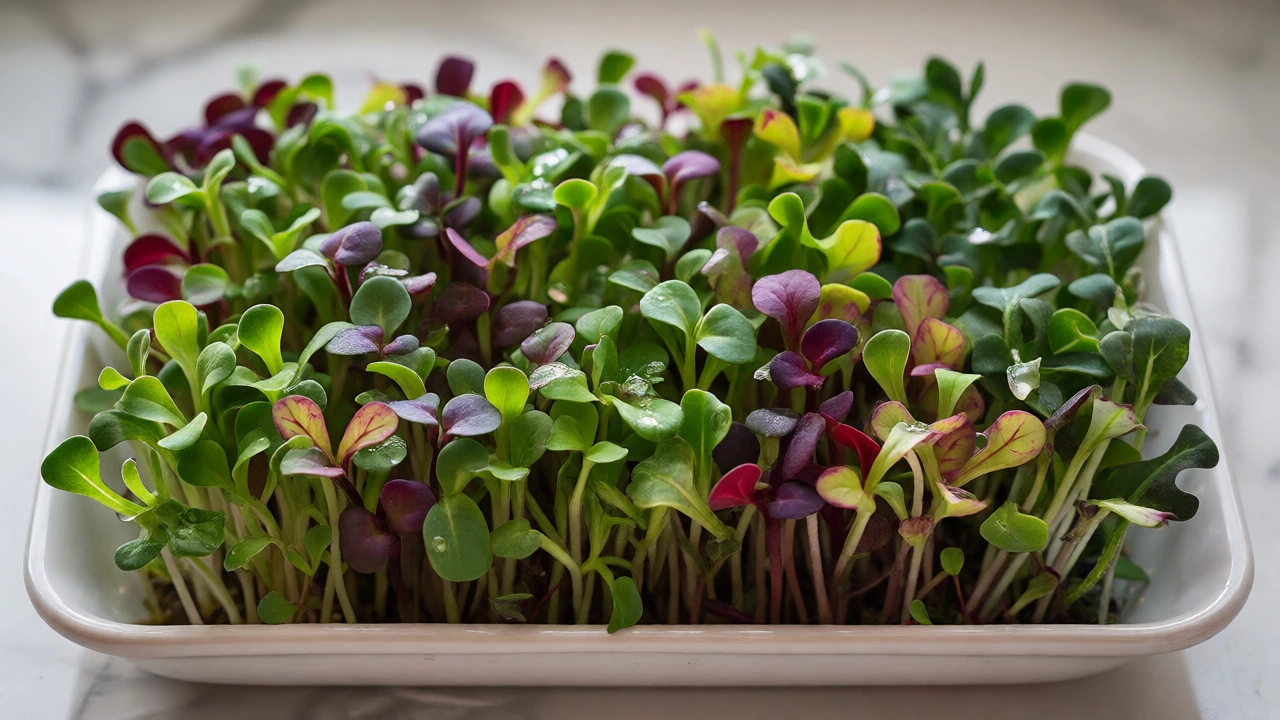
Microgreens: The Instant Gratification Hack
If 21 days still feels too long, try microgreens. These are seedlings harvested at the cotyledon stage, usually 7 to 14 days after sowing. They pack more nutrients per gram than mature plants because they are concentrated energy sources.
You don't even need a garden. A windowsill, a shallow tray, and some potting mix are enough. Popular choices include sunflower, pea shoots, and radish microgreens. Sunflower microgreens taste nutty and crunchy. Pea shoots are sweet and tender. Radish microgreens carry that same peppery kick but in a delicate leaf form.
| Crop | Time to Harvest | Best Season (NZ) | Difficulty |
|---|---|---|---|
| Radishes | 21-28 days | Spring/Autumn | Easy |
| Microgreens | 7-14 days | Year-round indoors | Very Easy |
| Baby Spinach | 25-40 days | Autumn/Winter | Moderate (slugs) |
| Green Onions | 30-60 days | Year-round | Easy |
| Arugula | 25-35 days | Spring/Autumn | Easy |
Herbs That Act Like Vegetables
We often think of herbs as slow, perennial shrubs. But annual herbs grow incredibly fast. Basil, cilantro (coriander), and dill can be harvested within 30 to 40 days. Basil loves warmth, so start it indoors if it's still chilly outside. Once nights stay above 10°C, move it out.
Cilantro is tricky. It bolts quickly in heat. To keep it going, sow new batches every two weeks. Cut-and-come-again varieties exist, but regular cilantro is fine if you manage the timing. Dill grows tall and feathery fast. Use the fronds in fish dishes or pickles. Both attract beneficial insects, making them useful companions for slower crops like broccoli.
Peas and Green Onions: The Vertical Speedsters
Not all fast veggies stay low. Sugar snap peas climb. From seed to pod, they take about 50 to 60 days. That sounds longer, but consider this: you can eat the shoots earlier. Young pea tendrils are delicious stir-fried or raw. So while you wait for pods, you have a secondary harvest.
Green onions (scallions) are arguably the easiest fast crop. Buy bunches at the supermarket. Leave the white roots intact. Plant them in soil. Within two weeks, green tops regrow. You can cut them repeatedly. No seeds needed. This is the ultimate hack for instant garden freshness.
Common Pitfalls That Slow You Down
Even fast crops can stall if you make basic errors. Here’s what kills speed:
- Compacted Soil: Roots can't push through hard clay. Loosen your soil or use raised beds with loose compost. Radishes especially need friable earth.
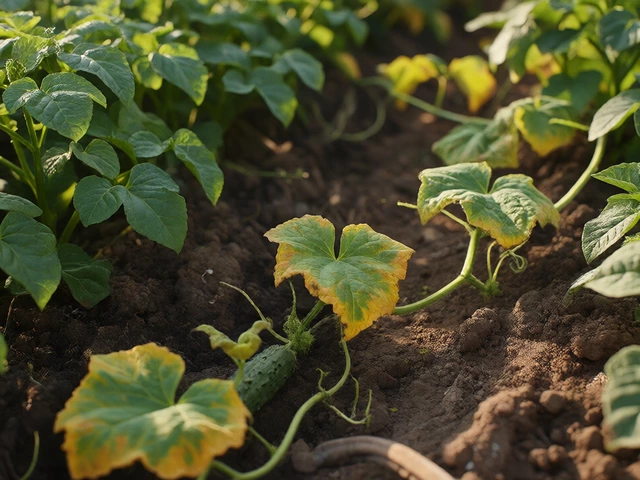
- Inconsistent Watering: Fluctuating moisture causes bolting or splitting. Use mulch to retain water. In summer, water deeply in the morning.
- Planting Too Deep: Small seeds need light to germinate. Cover lightly. If buried too deep, they exhaust energy trying to reach the surface.
- Ignoring Temperature: Lettuce stops growing below 5°C. Basil stops below 10°C. Know your zone. In Wellington, frost pockets matter.
How to Plan Your Quick Harvest Window
Don't just throw seeds randomly. Map it out. Start with radishes in late August (early spring). By mid-September, you'll have your first salad. Simultaneously, sow lettuce in trays indoors. Transplant them once true leaves appear. As radishes finish, replant that space with arugula or spinach for autumn.
Keep a simple log. Note sowing dates and harvest dates. After one season, you'll know exactly how long each variety takes in your specific microclimate. Gardening is local. Your neighbor's radishes might take 25 days; yours might take 30 due to shade or soil type. Data beats guesswork.
Can I grow radishes in winter?
Yes, radishes tolerate light frost and prefer cool weather. In milder parts of New Zealand, you can grow them year-round under cover. In colder areas, use a cloche or greenhouse. Avoid heavy frozen soil, as roots won't expand.
Do microgreens need sunlight?
They need light to photosynthesize, but not direct harsh sun. A bright windowsill works well. If growing indoors in winter, a simple LED grow light prevents leggy, weak stems. Most microgreens need 12-16 hours of light daily.
Why are my lettuce leaves bitter?
Heat stress causes bitterness. When temperatures rise above 25°C, lettuce produces latex compounds that taste bitter. Harvest early in the morning, provide afternoon shade, or switch to heat-tolerant varieties like 'Summer Crisp' during warmer months.
How many radishes can I grow in a small pot?
A standard 15cm pot can hold 6-8 radishes comfortably. Overcrowding leads to small, misshapen roots. Thin seedlings early to ensure each plant has room to swell. Thinned seedlings are edible as micro-greens.
Is it better to buy seedlings or seeds for fast crops?
For radishes, spinach, and lettuce, seeds are cheaper and grow almost as fast as transplants. Seedlings save time only for warm-season crops like basil or beans. For quick root veggies, direct sowing avoids transplant shock, which slows growth.