Sustainable Fashion Impact Calculator
Enter your typical shopping habits to see how switching to sustainable options might affect your wallet and the planet over one year.
Your Shopping Habits
Financial Comparison (Annual)
Value Analysis (Cost Per Wear)
Estimated Environmental Footprint
Fill in your habits and click "Calculate Impact" to see your personalized results.
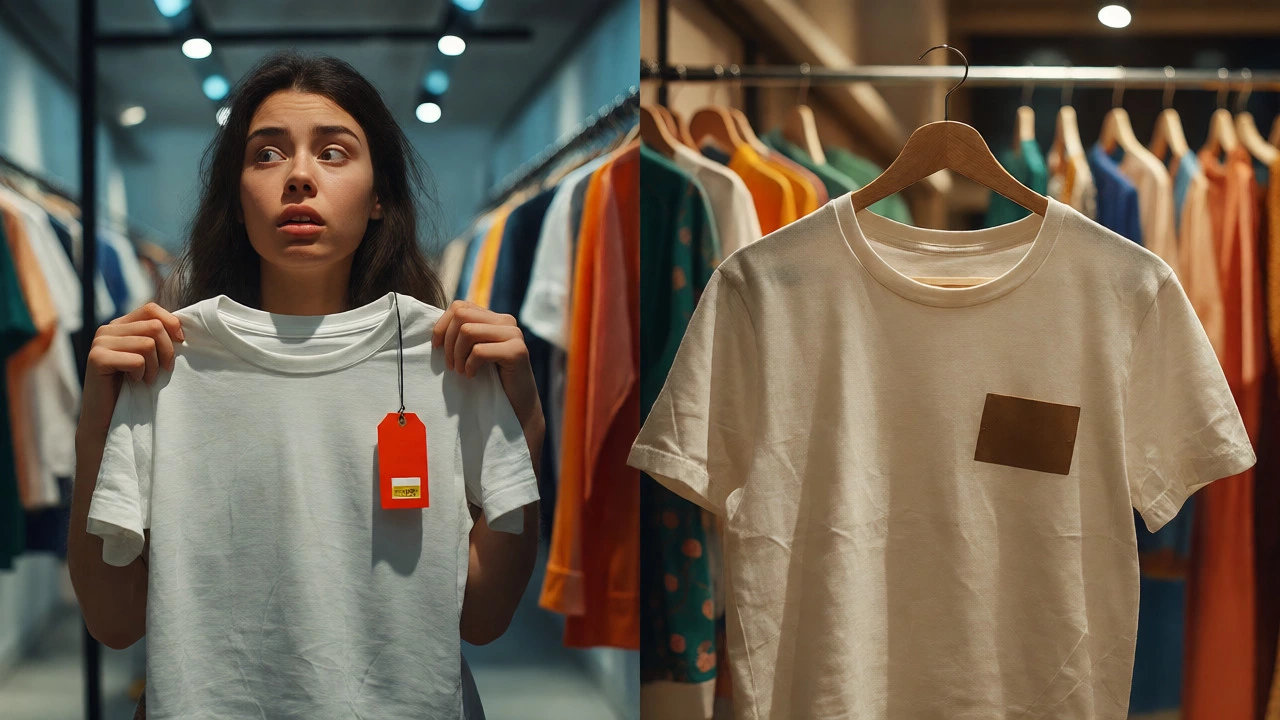
You’ve seen the tags. You’ve heard the buzzwords: "eco-conscious," "slow fashion," "carbon-neutral." But when you’re standing in a fitting room, holding a $15 t-shirt that feels like sandpaper versus a $40 organic cotton tee, do you actually change your mind? Or do you just buy the cheap one because rent is due?
Here’s the uncomfortable reality: there is a massive gap between what people say they care about and where their money actually goes. Surveys consistently show over 60% of consumers claim sustainability influences their purchases. Yet, global sales of fast fashion continue to climb, with giants like Shein and Temu dominating download charts worldwide. So, are we lying to ourselves, or is the system rigged against us?
| Metric | Stated Preference (Survey) | Actual Behavior (Sales Data) |
|---|---|---|
| Willingness to pay premium for eco-goods | ~60-70% | <20% consistently choose higher price point |
| Primary purchase driver | Ethics/Sustainability | Price/Convenience/Trend |
| Frequency of buying new clothes | "I buy less now" | Global garment production up 100% since 2000 |
The Psychology of "Greenwashing" and Cognitive Dissonance
Let’s be real. Buying sustainable clothes often triggers cognitive dissonance. This is that mental discomfort you feel when your actions don’t match your beliefs. You know plastic waste is bad, but you still use single-use bags. You know fast fashion exploits workers, but you need a dress for Friday night.
Brands have figured this out. They lean into greenwashing-marketing tactics that make products seem more environmentally friendly than they are. A tag saying "Made from Recycled Materials" sounds great, but if that shirt is still destined for a landfill after three wears because it’s poorly made, is it really sustainable? Probably not.
We aren’t lazy shoppers. We are overwhelmed ones. When a brand hides its supply chain behind vague terms like "responsible sourcing," trust evaporates. If you can’t see who made your clothes and under what conditions, you default to the safest bet: low price and high trendiness. It’s not apathy; it’s risk management.
Why Price Still Beats Planet for Most Buyers
Let’s talk numbers. Inflation has hit hard globally. For many households, especially younger demographics, discretionary income is shrinking. An organic cotton hoodie might cost $80. A polyester blend from a high-street retailer costs $25. That’s a $55 difference per item. Multiply that by five items a year, and suddenly sustainability looks like a luxury hobby rather than a moral imperative.
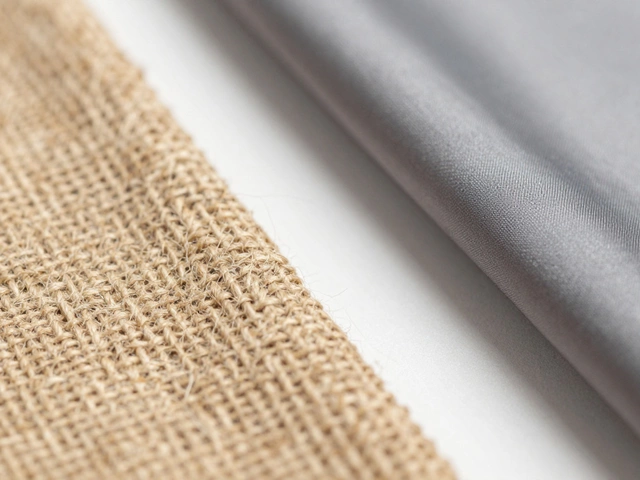
This isn’t just about being broke. It’s about value perception. Why pay triple for an item that looks identical? Until sustainable brands can prove durability and style parity at a competitive price point, the mass market will hesitate. And let’s face it, some sustainable brands struggle with design. If the eco-option looks like a burlap sack, no amount of guilt-tripping will sell it.
The Rise of Secondhand and Rental Markets
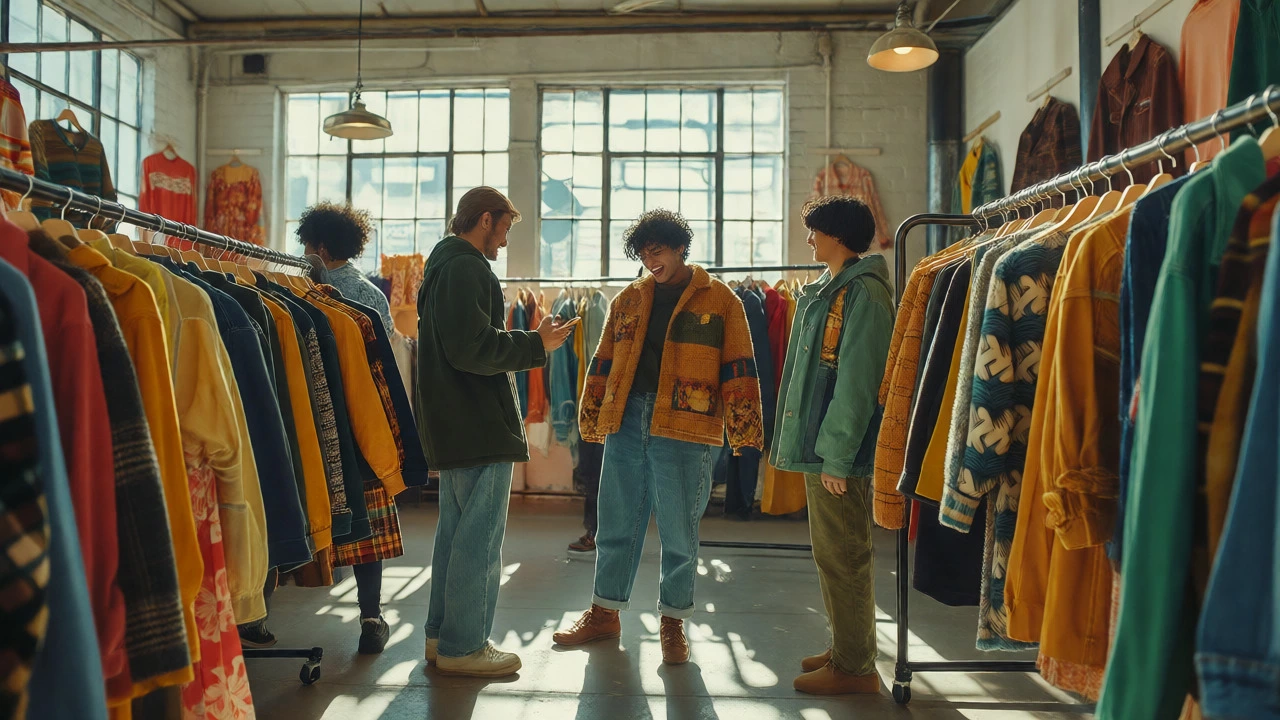
If buying new sustainable items is expensive, why not skip the "new" part entirely? This is where the tide is actually turning. Platforms like Vinted, Depop, and local consignment shops are exploding in popularity. In New Zealand, thrift culture has always been strong, but it’s going mainstream globally too.
Buying secondhand solves two problems at once: it keeps textiles out of landfills and it saves money. It’s the ultimate win-win. According to recent retail data, the resale market is growing faster than traditional retail. This suggests people *do* care about sustainability, but they prefer practical solutions over ideological purity. They want to reduce their footprint without breaking the bank.
Rental services are another angle. Why own a dress you’ll wear once? Services that allow you to rent high-end designer pieces for events are gaining traction. This shifts the model from ownership to access, which inherently reduces consumption. It’s not perfect-shipping and cleaning have carbon costs-but it’s a step away from the "buy-wear-discard" cycle.
Is Regulation Finally Catching Up?
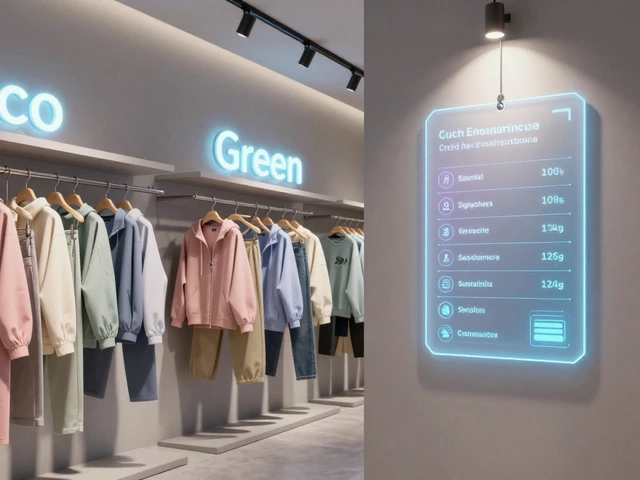
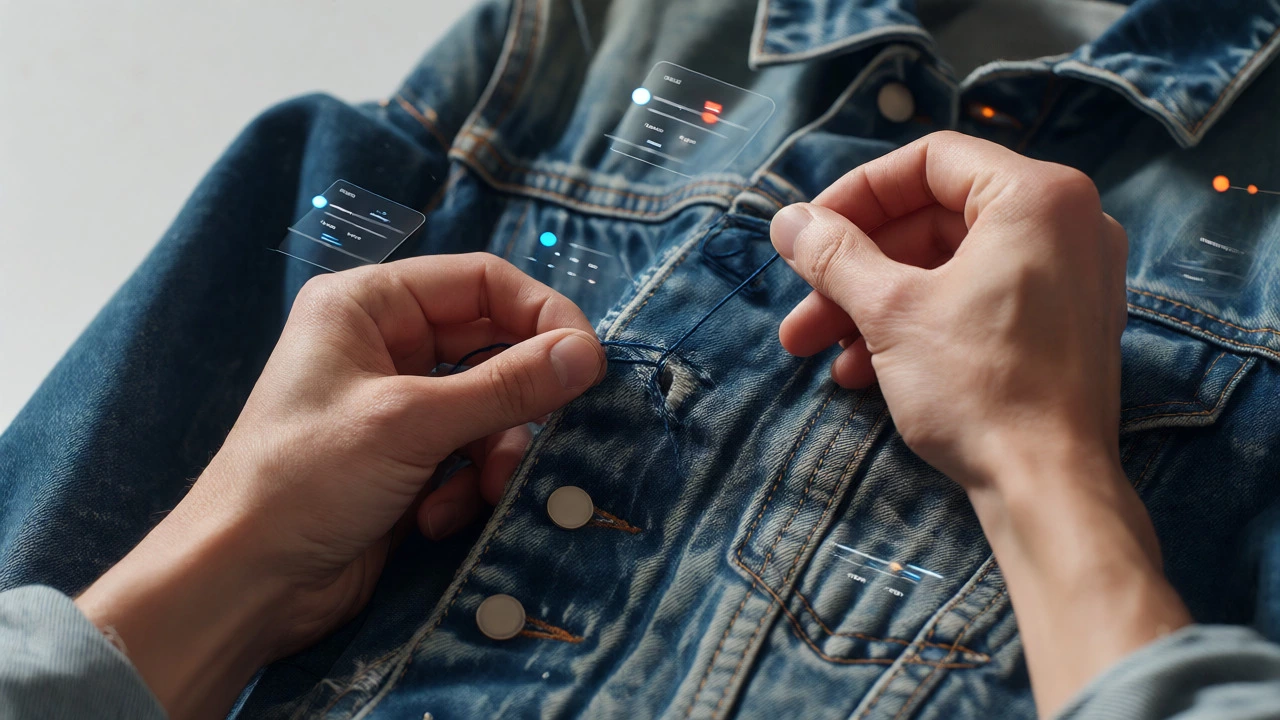
Voluntary corporate responsibility hasn’t worked well enough. That’s why governments are stepping in. The European Union’s upcoming regulations on textile waste and digital product passports aim to force transparency. Imagine scanning a QR code on a jacket and seeing exactly where the cotton was grown, how much water was used, and who stitched the seams.
This kind of radical transparency changes the game. If a brand can’t prove its claims, it faces fines or bans. This removes the guesswork for consumers. You won’t have to be a detective to spot greenwashing. The data will be right there, verifiable and standardized. While this is currently focused on Europe, global supply chains mean these standards will likely ripple out to other markets, including Australia and North America.
What Does "Caring" Actually Look Like?
Caring doesn’t mean never buying fast fashion again. It means shifting habits incrementally. Here’s what actual engagement looks like in 2026:
- Repair over Replace: Learning basic mending skills extends garment life significantly. A repaired pair of jeans lasts years longer than a discarded one.
- Quality Over Quantity: Buying fewer, better-made items. One $100 coat that lasts ten winters beats five $30 coats that fall apart annually.
- Voting with Wallets: Supporting small brands with transparent supply chains, even if it means waiting longer for shipping.
- Embracing Pre-loved: Normalizing secondhand shopping as a stylish choice, not a stigma.
People care, but they need support. They need affordable options, clear information, and social norms that reward longevity over novelty. As long as the system rewards disposability, individual choices will remain constrained. But the conversation is changing. The silence around unethical practices is getting louder, and brands are starting to listen because their bottom line depends on it.
Is fast fashion really worse than slow fashion?
Generally, yes. Fast fashion relies on rapid production cycles, synthetic materials (like polyester derived from fossil fuels), and low wages. Slow fashion emphasizes durable materials, fair labor, and timeless designs. However, a poorly made "slow fashion" item produced inefficiently can sometimes have a higher footprint than a well-made fast fashion piece worn hundreds of times. Context matters more than labels.
Why is sustainable fashion so expensive?
True cost accounting includes fair wages, safe working conditions, organic farming methods, and smaller batch production. Fast fashion externalizes these costs-meaning society pays for pollution and worker exploitation, not the shopper. When you pay $80 for a shirt, you’re paying the true cost of production, whereas $15 shirts hide the environmental and social debt.
Does buying organic cotton actually help the planet?
Yes, primarily by reducing pesticide and insecticide use, which protects soil health and local biodiversity. Organic cotton also typically uses less energy and promotes better water retention in soils. However, cotton is still a thirsty crop. If the organic cotton shirt is flown halfway across the world and bought as part of a haul, the transport emissions may offset some benefits. Local or regional organic cotton is best.
How can I tell if a brand is truly sustainable?
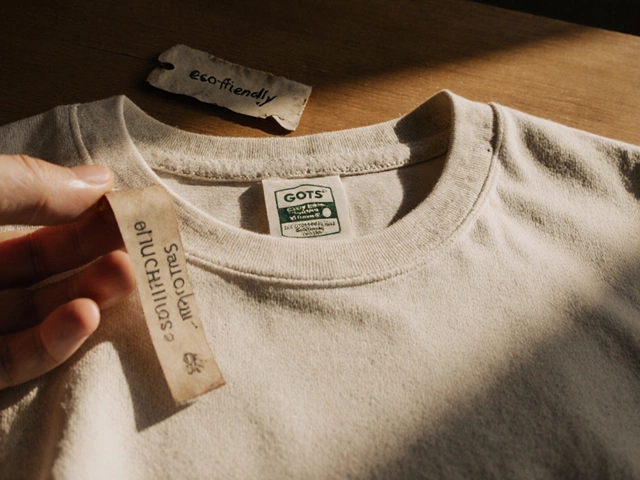
Look for third-party certifications like B Corp, GOTS (Global Organic Textile Standard), or Fair Trade. Check if the brand publishes detailed supplier lists. Be wary of vague terms like "eco-friendly" without specific data backing them up. Transparency reports showing water usage, carbon emissions, and factory audits are good signs.
Is thrifting better than buying new sustainable clothes?
In most cases, yes. Thrifting extends the lifecycle of existing garments, requiring zero new resources for production. The only downside is potential transport emissions if items are shipped internationally. Locally sourced secondhand items are the most sustainable option available.