Easy Gardening: Simple Ways to Grow Plants with Little Effort
When you think of easy gardening, a way to grow plants without spending hours weeding, watering, or fussing over every leaf. Also known as low maintenance gardening, it’s not about giving up—it’s about choosing the right plants, tools, and habits that work with nature, not against it. You don’t need a green thumb. You just need to stop doing the things that make gardening feel like a chore.
Take the lazy gardener, someone who gets results by doing less, not more. This isn’t laziness—it’s strategy. They use mulch to block weeds, pick native plants that thrive without extra water, and let rain do the work. They know coffee grounds for plants, a simple, free soil amendment that adds nitrogen and improves drainage when used right—but only for certain plants. Too much can hurt acid-sensitive ones. Same with best fertilizer for vegetables, what actually boosts yields without burning roots or killing soil life. It’s not about buying the most expensive bag—it’s about timing, type, and how much you really need.
Most people think gardening means daily watering, constant pruning, and buying new tools every season. But the people who keep thriving gardens? They’ve cut the noise. They plant perennials that come back every year. They group plants by water needs so they don’t waste a drop. They let leaves stay on the ground to feed the soil. They use cardboard instead of plastic to smother weeds. They know easy gardening isn’t a trend—it’s the only way to keep going without burning out.
What you’ll find here aren’t fancy tips from Instagram gardeners with perfect backyards. These are real, tested methods from people who work full-time, have kids, forget to water, and still grow tomatoes, herbs, and flowers with almost no effort. Whether you’re starting with a windowsill pot or a backyard plot, you’ll find what actually works—no fluff, no guilt, no overcomplicated steps.
Easy Gardening for Beginners: How to Start a Garden from Scratch
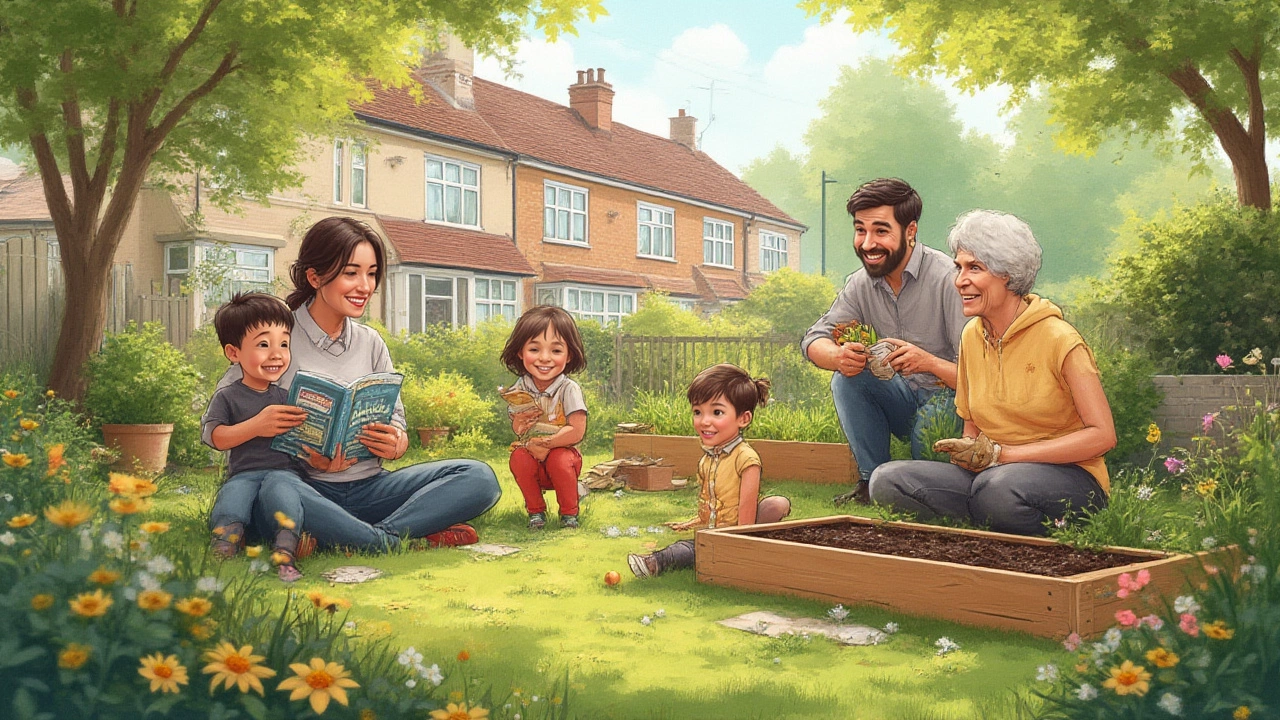
Discover practical and friendly steps for starting a garden easily, with beginner tips, plant choices, soil advice, and ongoing care for a thriving backyard paradise.
Categories
RECENT POSTS
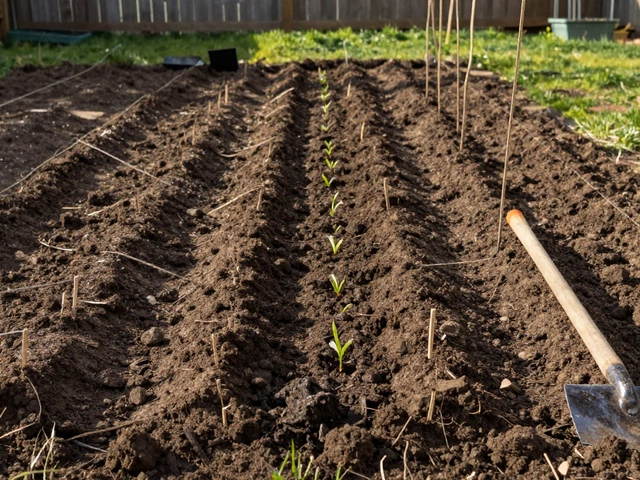
What Is the Most Basic Garden Layout for Beginners?
The most basic garden layout for beginners is the row garden-simple, reliable, and requires no special tools. Just mark straight lines, plant seeds at proper spacing, and water. It's the proven method used for centuries to grow food with minimal effort.
What Is Mindful Eating? A Simple Guide to Eating With Awareness
Discover what mindful eating really means, its health benefits, step‑by‑step practices, tips, common pitfalls, and FAQs for everyday use.

Cleanest Over-the-Counter Makeup: Top Picks for 2026
Discover the cleanest over-the-counter makeup brands for 2026. Learn which ingredients to avoid, how to verify safety claims, and which drugstore picks offer both purity and performance.

How to Find Your Personal Style: A Practical Guide to Dressing Better
Stop staring at a full closet with nothing to wear. Learn how to find your personal style using the three-word method, color theory, and wardrobe auditing.
What Is the Golden Rule in Everyday Life? A Minimalist Approach to Living Better
The golden rule in everyday life isn't just about treating others well-it's about treating yourself with honesty. Minimalism helps you cut through noise, keep only what truly matters, and live with more peace and clarity.