Ethical Clothing: What It Really Means and How to Choose It
When you buy ethical clothing, garments made with respect for people, animals, and the environment. Also known as sustainable fashion, it means the people who made your clothes were paid fairly, worked in safe conditions, and the materials used didn’t poison rivers or waste water. This isn’t about buying expensive labels—it’s about asking simple questions: Who made this? What’s it made of? And what happens when I’m done with it?
Many brands say they’re sustainable, but fashion transparency, how openly a brand shares its supply chain and labor practices. Also known as brand accountability, it’s the real test. If a company won’t tell you where their cotton is grown or how much their workers earn, they’re not ethical—they’re just good at marketing. Look for certifications like Fair Trade, GOTS, or B Corp. These aren’t just stickers; they’re third-party proof someone checked the factory floors and payroll records.
eco-friendly clothing, garments made from materials that don’t harm ecosystems. Also known as low-impact textiles, it includes organic cotton, hemp, TENCEL, and recycled polyester. But even these materials can be misused. A shirt made from organic cotton might still be dyed with toxic chemicals or shipped halfway across the world. That’s why you need to look at the whole picture: material, production, transport, and end-of-life. The best ethical clothing is made to last, not to be thrown away after three washes.
And it’s not just about what’s on the tag. It’s about how much you actually wear it. A single high-quality jacket bought with care lasts ten years. Ten cheap jackets bought on sale? They end up in landfills. That’s why sustainable brands, companies that prioritize long-term environmental and social health over fast profits. Also known as slow fashion, they design for durability, repair, and reuse often focus on timeless styles—not seasonal trends. They don’t need you to buy more. They need you to buy better.
You don’t have to overhaul your whole wardrobe overnight. Start with one item. Ask why it was made. Who made it. What it’s made from. If you can’t find answers, keep looking. The more you ask, the more brands will have to answer. And that’s how real change happens—not in big campaigns, but in quiet, smart choices.
Below, you’ll find real guides that show you how to spot the difference between greenwashing and genuine ethics, how to build a wardrobe that lasts, and what brands actually walk the talk. No fluff. Just facts you can use today.
Do People Really Care About Sustainable Fashion? The Honest Truth
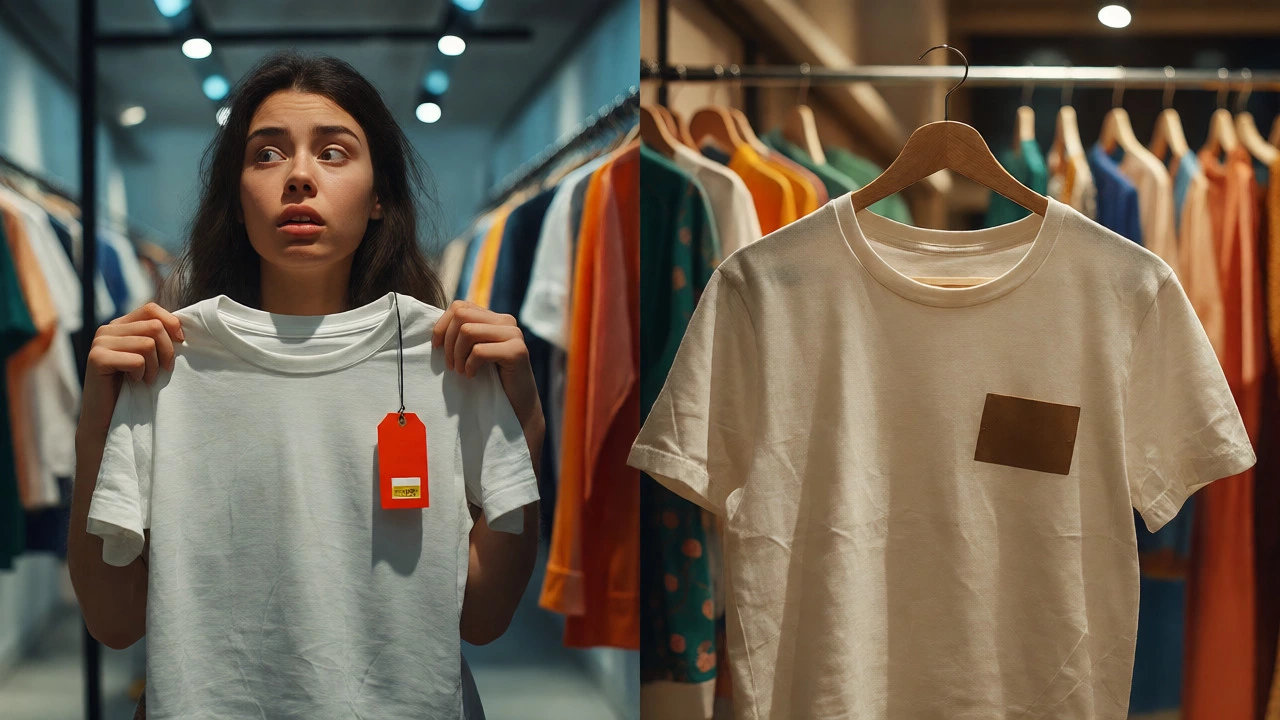
Do consumers truly prioritize eco-friendly clothing? Explore the gap between stated values and actual spending, the rise of secondhand markets, and how regulation is forcing brands to be honest.
Is Sustainable Fashion Just a Trend? The Reality Behind the Greenwashing
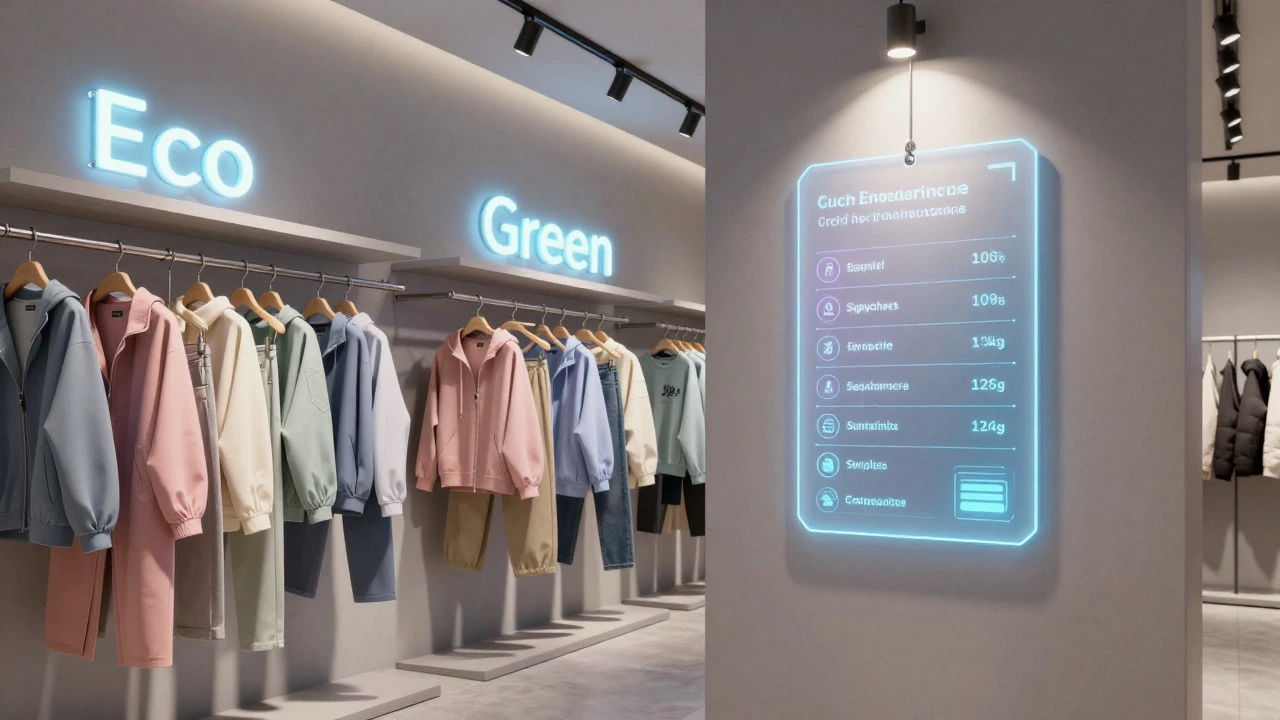
Is sustainable fashion a trend or a permanent shift? We explore greenwashing, circular economy, and real changes in the industry beyond marketing hype.
What Does Sustainable Mean in Fashion? A Real Guide to Eco-Friendly Clothing
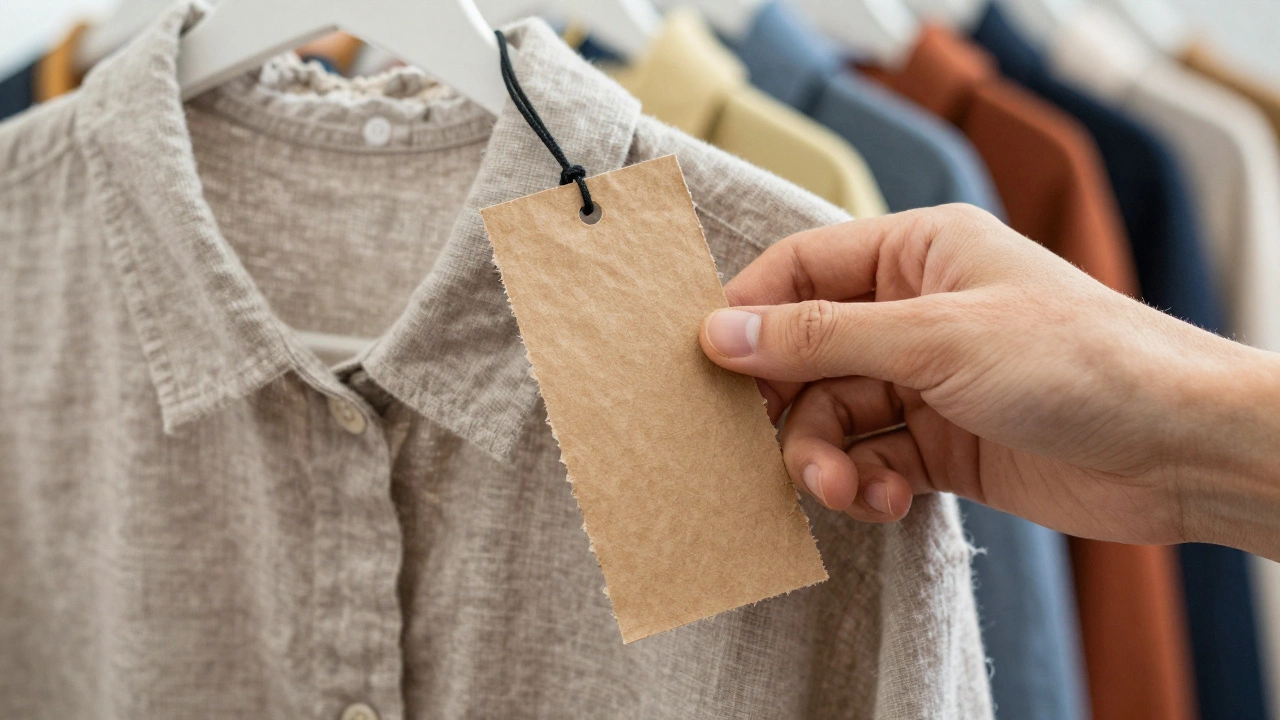
Discover what sustainable fashion really means beyond marketing hype. Learn about ethical labor, eco-friendly materials, and how to spot greenwashing in 2026.
The 7 Rs of Sustainable Fashion: A Practical Guide to Ethical Style
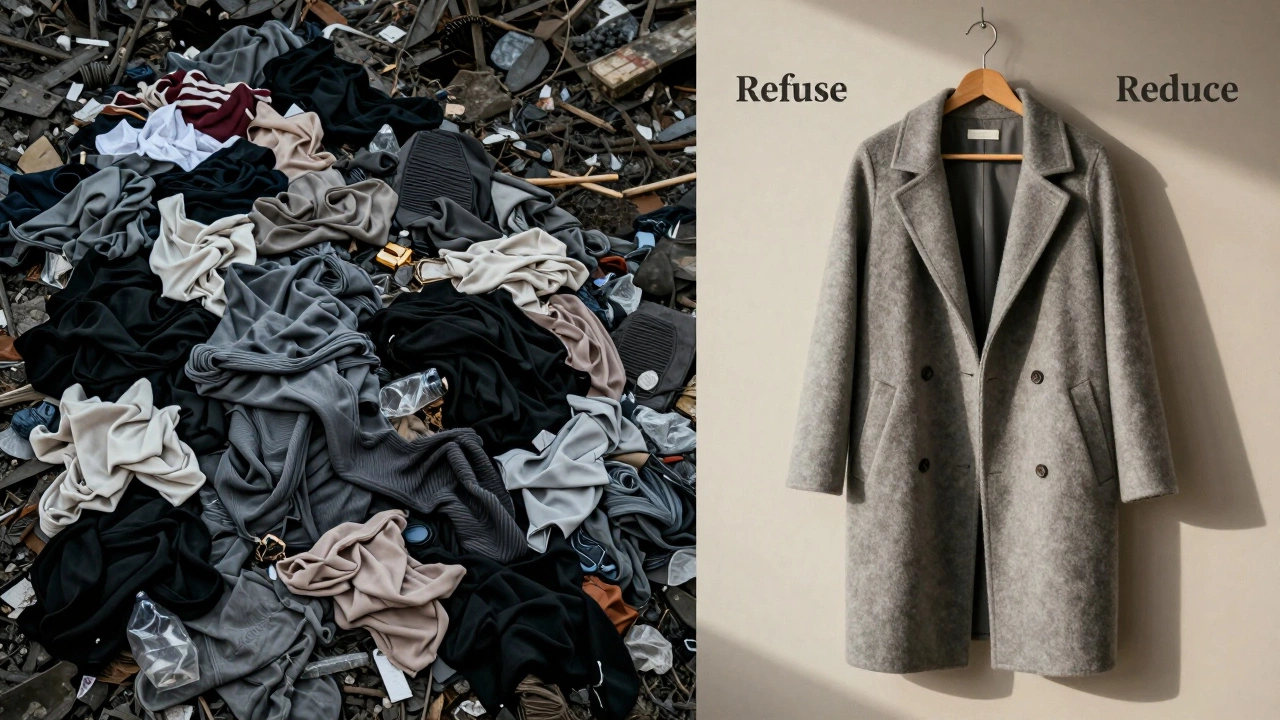
Discover the 7 Rs of sustainable fashion: Refuse, Reduce, Rethink, Repair, Reuse, Rent, and Recycle. A practical guide to building an ethical wardrobe.
What Does Sustainable Fashion Look Like in 2026? A Real-World Guide
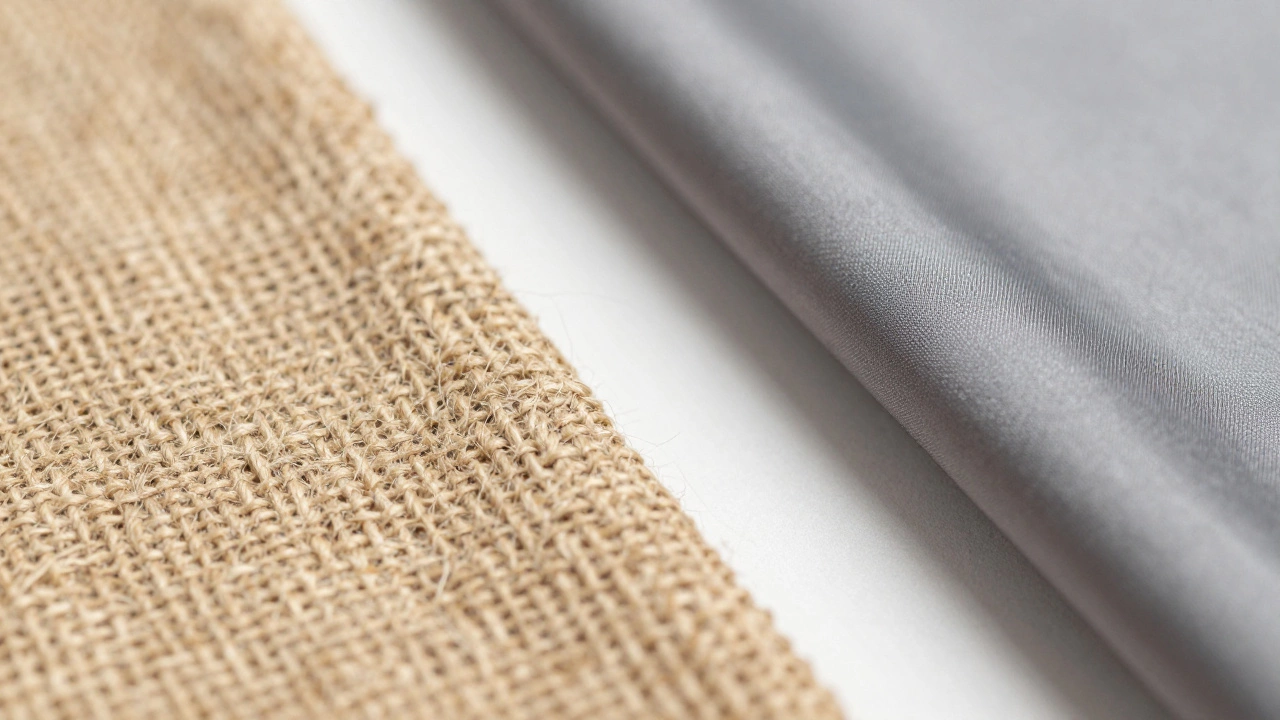
Discover what sustainable fashion really looks like in 2026. From eco-friendly materials to circular economy practices, learn how to build an ethical wardrobe without breaking the bank.
What Does Sustainable Fashion Mean? A Practical Guide to Ethical Style
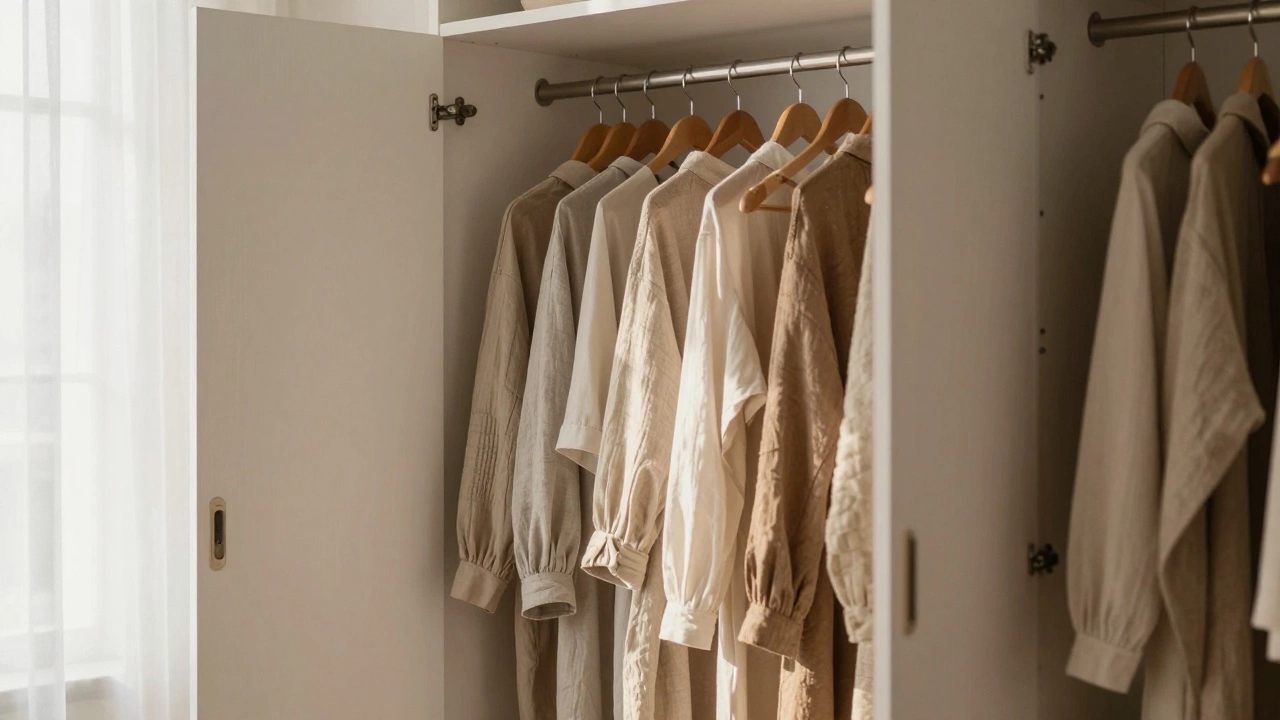
Sustainable fashion means prioritizing ethical labor, environmental protection, and circularity over fast trends. Learn how to build an eco-friendly wardrobe, spot greenwashing, and choose durable materials.
What is the 70/30 Fashion Rule? Mastering Sustainable Style
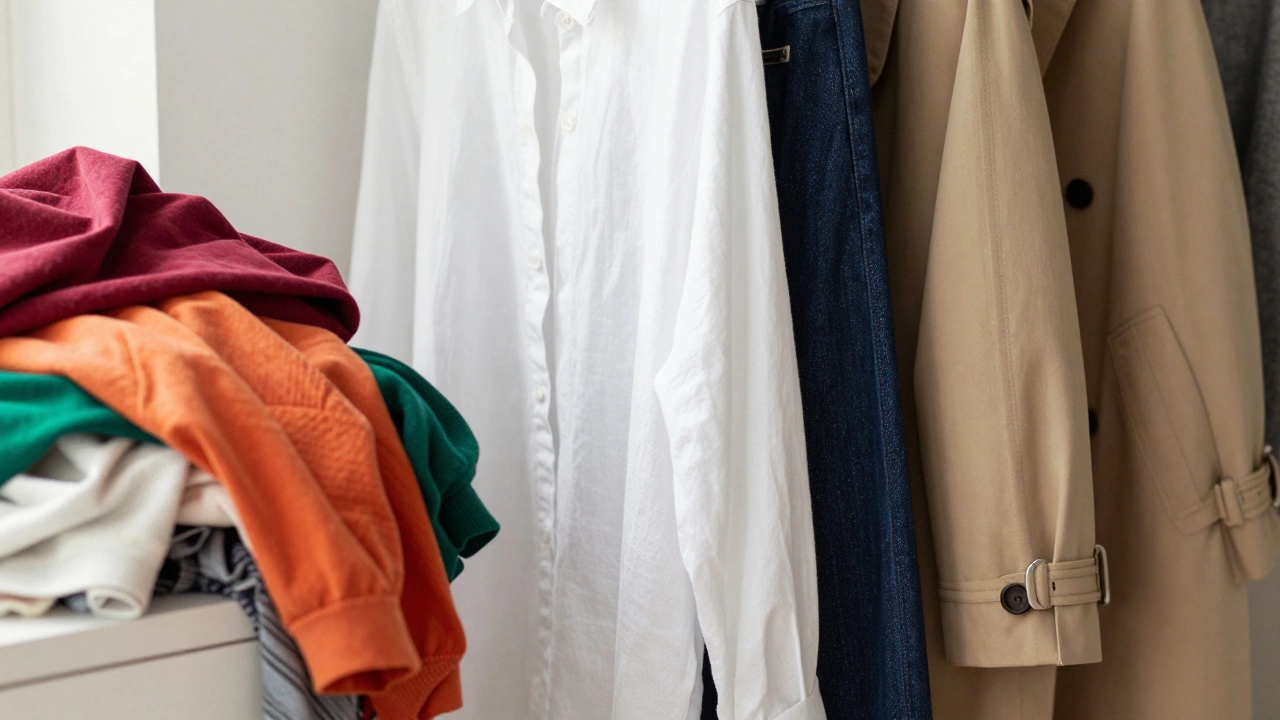
What Qualifies as Sustainable Fashion? A Clear Guide to Ethical Clothing
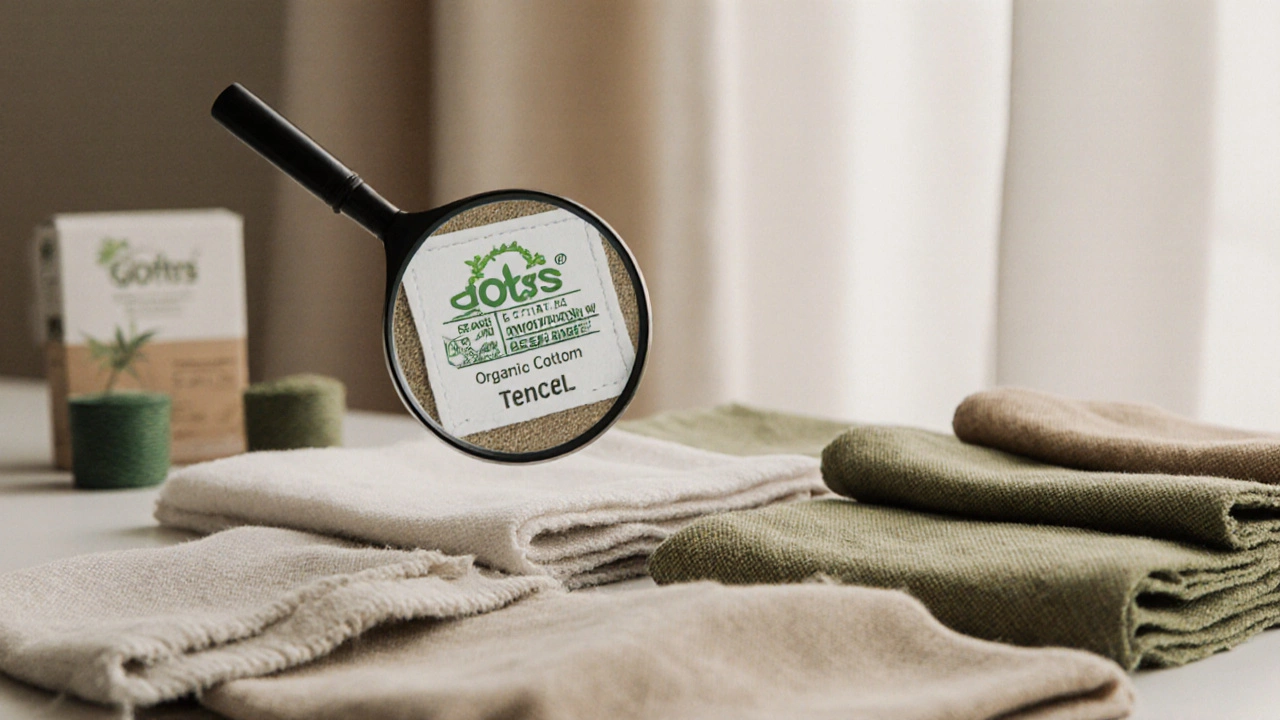
Sustainable fashion isn't just about organic cotton or recycled labels. It's about materials, fair labor, durability, and what happens after you're done wearing it. Learn what truly makes clothing sustainable.
Categories
RECENT POSTS

How to Create Your Own Workout Plan: A Step-by-Step Guide for Beginners
Learn how to create a personalized workout plan tailored to your goals, schedule, and equipment. This guide covers goal setting, exercise selection, rep ranges, and progressive overload for sustainable fitness results.
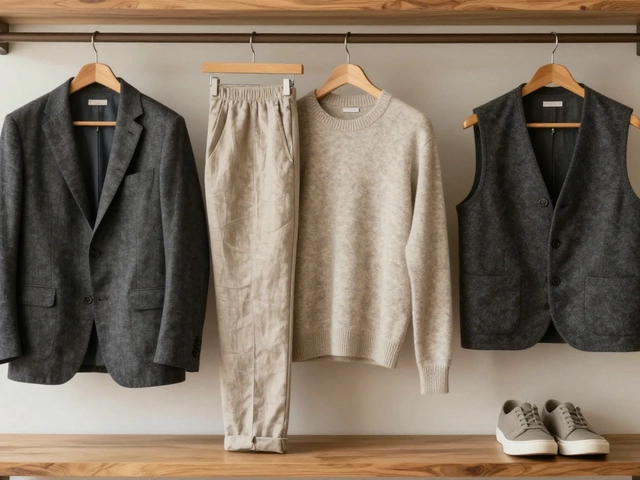
What type of clothing is in high demand in 2026?
In 2026, high-demand clothing is about comfort, sustainability, and longevity. People are choosing timeless basics made from eco-friendly materials, prioritizing function over trends, and building wardrobes that last.

Cleanest Over-the-Counter Makeup: Top Picks for 2026
Discover the cleanest over-the-counter makeup brands for 2026. Learn which ingredients to avoid, how to verify safety claims, and which drugstore picks offer both purity and performance.

How to Plan a Trip to England: The Ultimate Step-by-Step Guide for 2026
Learn how to plan a trip to England step by step. Covering budgets, transport, visas, must-see destinations, and cultural tips for a smooth journey.

Healthy Life Balance Explained: Simple Steps to Wellness
Discover what a healthy life balance really means, its core pillars, practical steps, common pitfalls, and quick self‑assessment tools to achieve lasting wellness.