Mindfulness Techniques: Simple Ways to Reduce Stress and Stay Present
When you practice mindfulness techniques, intentional practices that help you focus on the present moment without judgment. Also known as present-moment awareness, it’s not about emptying your mind—it’s about noticing what’s happening right now, whether it’s your breath, your feet on the floor, or the sound of traffic outside. This isn’t new-age fluff. It’s science-backed, low-cost, and works whether you’re stuck in traffic, overwhelmed at work, or lying awake at 3 a.m.
Mindfulness techniques don’t require candles, incense, or a yoga mat. They’re built into everyday moments: pausing before answering a text, feeling the warmth of your coffee mug, or noticing how your body feels when you walk. These small acts build up. Studies show that just five minutes a day can lower cortisol levels, improve decision-making, and help you stop reacting to stress like a startled cat. And it’s not just for people who meditate. Parents, nurses, students, and truck drivers use these same tools to stay calm under pressure.
Related to this are stress reduction, the process of lowering your body’s physical and mental tension response, which mindfulness directly supports. Then there’s focus improvement, the ability to concentrate on one task without distraction—something mindfulness trains like a muscle. And let’s not forget emotional wellbeing, a stable sense of inner balance that isn’t crushed by daily chaos. These aren’t separate goals—they’re outcomes of the same simple habit: paying attention, on purpose.
You won’t find magic here. No 10-minute miracles. No apps that fix your life. But you will find real, tested ways to stop feeling like you’re running on empty. The posts below cover exactly that: how long to practice, what actually works, what doesn’t, and how to fit it into a busy day. Some people swear by breathing exercises. Others find walking or even washing dishes more effective. There’s no single right way—just the way that works for you. What matters is starting. Not perfectly. Just consistently.
Mindfulness Practices Explained: Types, Benefits, and How to Get Started
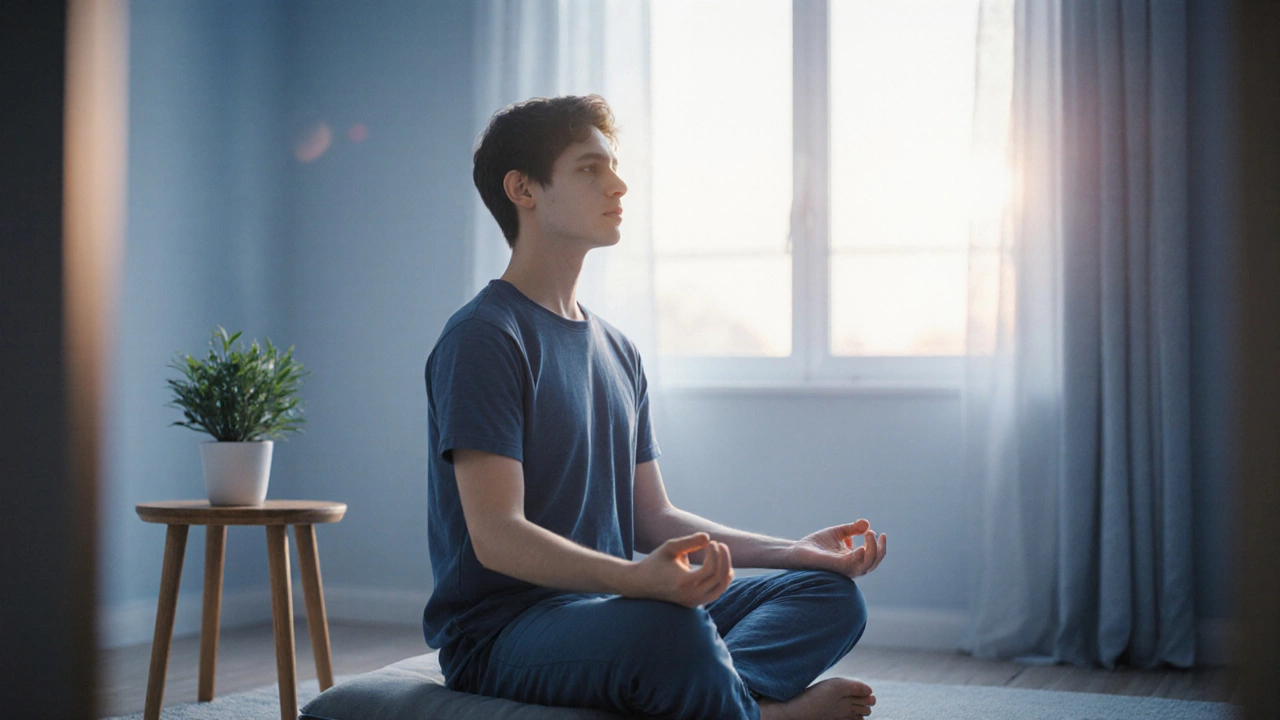
Learn what mindfulness practices are, explore popular techniques, uncover health benefits, and get a step‑by‑step guide to start your own routine.
Categories
RECENT POSTS

Is Traditional Home Decor Making a Comeback? Vintage Styles & Timeless Charm for Modern Homes
Is traditional home decor back in style? Explore how vintage charm, classic patterns, and timeless furniture are transforming modern interiors and winning hearts again.

How to Teach Yourself Mindfulness: A Practical Beginner's Guide
Learn how to teach yourself mindfulness with simple, actionable steps. Discover why consistency matters more than duration and how to turn daily chores into practice.

Does Walking Reduce Belly Fat? The Truth About Spot Reduction and Home Workouts
Discover if walking truly reduces belly fat. Learn the science behind spot reduction myths, how to optimize your walks for maximum fat burn, and why diet and sleep matter just as much as your steps.

How to Choose the First Room to Declutter - Proven Home Organization Tips
Discover how to pick the first room to declutter for maximum impact, using a simple scorecard, quick‑win tips, and a step‑by‑step plan that keeps momentum flowing.

What Is the Best Cardio to Lose Belly Fat? The Truth About HIIT, Walking, and Spot Reduction
Discover the truth about losing belly fat. Learn why HIIT and steady-state cardio work, debunk the spot reduction myth, and create a sustainable plan combining exercise, nutrition, and lifestyle changes.