Plastic vs Paper Bags: Which Is Really Better for the Planet?
When you think about plastic vs paper bags, the common choice between two everyday shopping carriers with very different environmental footprints. Also known as single-use bags, they’re both part of a larger problem: how we consume and dispose of things without thinking twice. Most people assume paper is the winner because it’s biodegradable. But that’s not the whole story. Plastic bags use less water and energy to make. Paper bags need trees, heavy machinery, and tons of water—up to 20,000 liters per ton. And neither lasts long. Both end up as litter, in landfills, or in oceans within minutes of being used.
The real issue isn’t choosing between plastic and paper—it’s reusable bags, durable alternatives designed to be used dozens or hundreds of times. Also known as cloth totes, they’re the only option that actually reduces waste over time. A cotton tote needs to be used 131 times to match the environmental impact of a single plastic bag. That sounds high, but it’s doable. Keep one in your car, your work bag, or tied to your keys. You’ll stop buying disposable ones without even trying. And then there’s sustainable shopping, the habit of bringing your own containers, bags, and wraps to stores to avoid disposables altogether. Also known as zero-waste shopping, it’s not about perfection. It’s about consistency. Bring a mesh bag for apples. Use a jar for bulk grains. Skip the bag entirely if you’re only buying a few items. Most of the posts here show how small habits—like carrying a foldable bag or choosing unpackaged produce—add up faster than any debate over plastic or paper.
What you’ll find below aren’t just comparisons. They’re real stories from people who stopped buying disposable bags, switched to reusable options, and noticed a difference—not just in their trash output, but in how they think about what they bring home. You’ll see how plastic vs paper bags are just the surface. The deeper question is: how do we stop treating the planet like a dumpster? The answers aren’t in debates. They’re in what you do next time you walk into a store.
Is a paper bag really eco-friendly? The truth behind the buzz
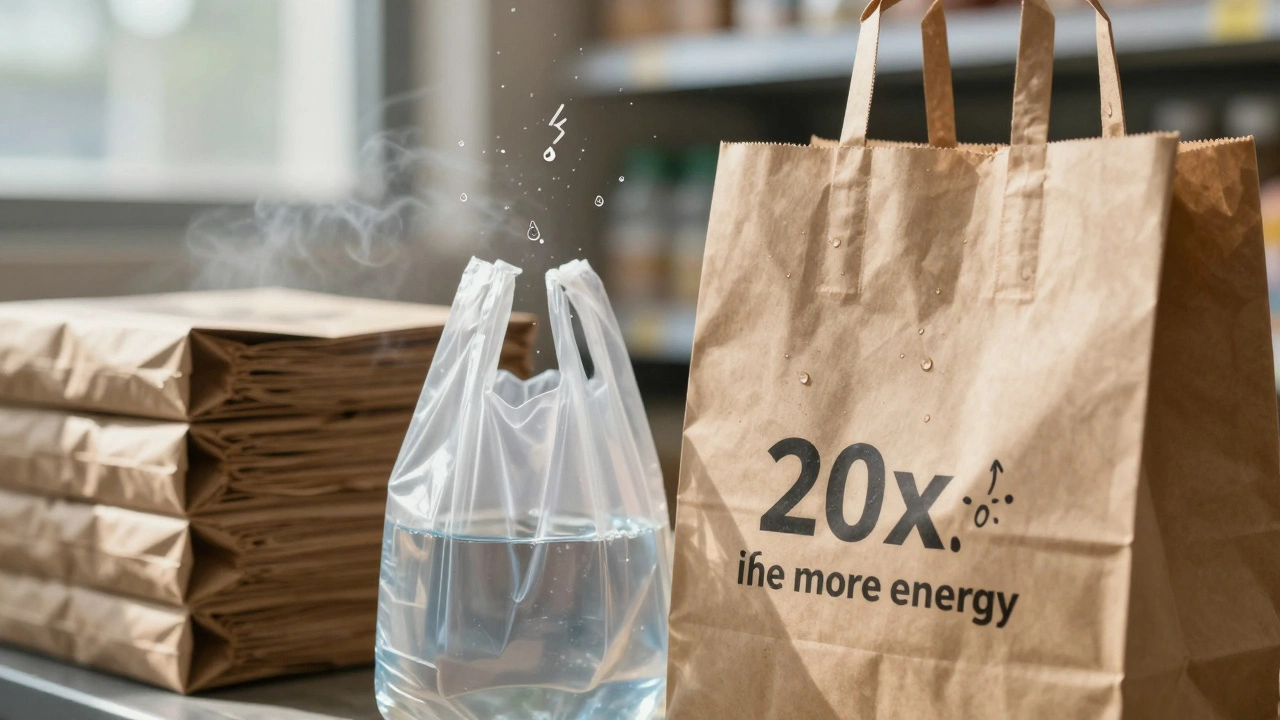
Paper bags aren't automatically eco-friendly. They use more water and energy than plastic, often end up in landfills, and need to be reused many times to be better. The real solution? Bring your own reusable bag - consistently.
Categories
RECENT POSTS
Best Life-Changing Books That Actually Work
Discover the best life-changing books that actually transform habits, mindset, and purpose. No fluff-just proven books that shift how you think and live.

Mindfulness Practices Explained: Types, Benefits, and How to Get Started
Learn what mindfulness practices are, explore popular techniques, uncover health benefits, and get a step‑by‑step guide to start your own routine.

Top Skin Care Brands in 2025: Which One is Truly No. 1?
Discover which skin care brand stands at No. 1 in 2025, based on science, consumer reviews, and expert insights. Dive into facts, stats, and real tips for healthier skin.

What Is the 820 Rule? FDA 21 CFR 820, the 80/20 Pareto Principle, and the 8/20 Trading Signal
The '820 rule' isn’t one thing. It can mean FDA 21 CFR 820 (medical devices), the 80/20 Pareto principle, or the 8/20 moving average in trading. Here’s the difference and how to use each.
Are Minimalists Happier? The Truth About Minimalism and Well-being
Do fewer possessions lead to more joy? Explore the connection between a minimalism lifestyle, stress reduction, and mental clarity to find your own balance.