Professional Makeup Brands: What Makes Them Stand Out
When you hear professional makeup brands, cosmetic lines designed for makeup artists and high-end clients, often with superior pigmentation, longevity, and skin-compatible formulas. Also known as artist-grade makeup, these brands are built for precision, not just convenience. They’re not just pricier versions of what you find at the drugstore—they’re engineered for real-world demands like long shoots, harsh lighting, and skin that needs to look flawless for hours. If you’ve ever wondered why makeup artists swear by certain lines, it’s not just brand loyalty. It’s science, texture, and how the product actually behaves on skin under pressure.
These brands don’t just cover—they care. Many include skincare-infused makeup, formulas that deliver color while hydrating, soothing, or protecting the skin. Think hyaluronic acid in foundations, niacinamide in concealers, or SPF built into primers. That’s not marketing fluff. It’s a shift in how beauty is made. Brands like MAC, NARS, and Fenty Beauty didn’t become staples by accident. They listened to what makeup professionals and everyday users actually needed: products that don’t just look good, but feel good too. And they’re not just for red carpets. Whether you’re doing a Zoom call or a night out, the right professional brand can make your skin look healthier, not just painted.
What you’re really buying isn’t just pigment. It’s consistency. A professional brand ensures that the shade you bought last month looks the same today. Their pigments are finely milled so they blend smoothly without streaking. Their packaging is built to last, not break after one trip in your bag. And their formulas are tested under real conditions—not just in a lab, but on diverse skin tones, textures, and climates. That’s why you’ll see these same brands used in film, fashion, and bridal work around the world. They’re trusted because they deliver, every single time.
Below, you’ll find real-world breakdowns of what makes these brands work, how to spot the difference between true professional lines and marketing gimmicks, and how to pick the right ones for your skin—not just your budget. No fluff. Just what matters.
Top Makeup Brands Preferred by Professional Artists
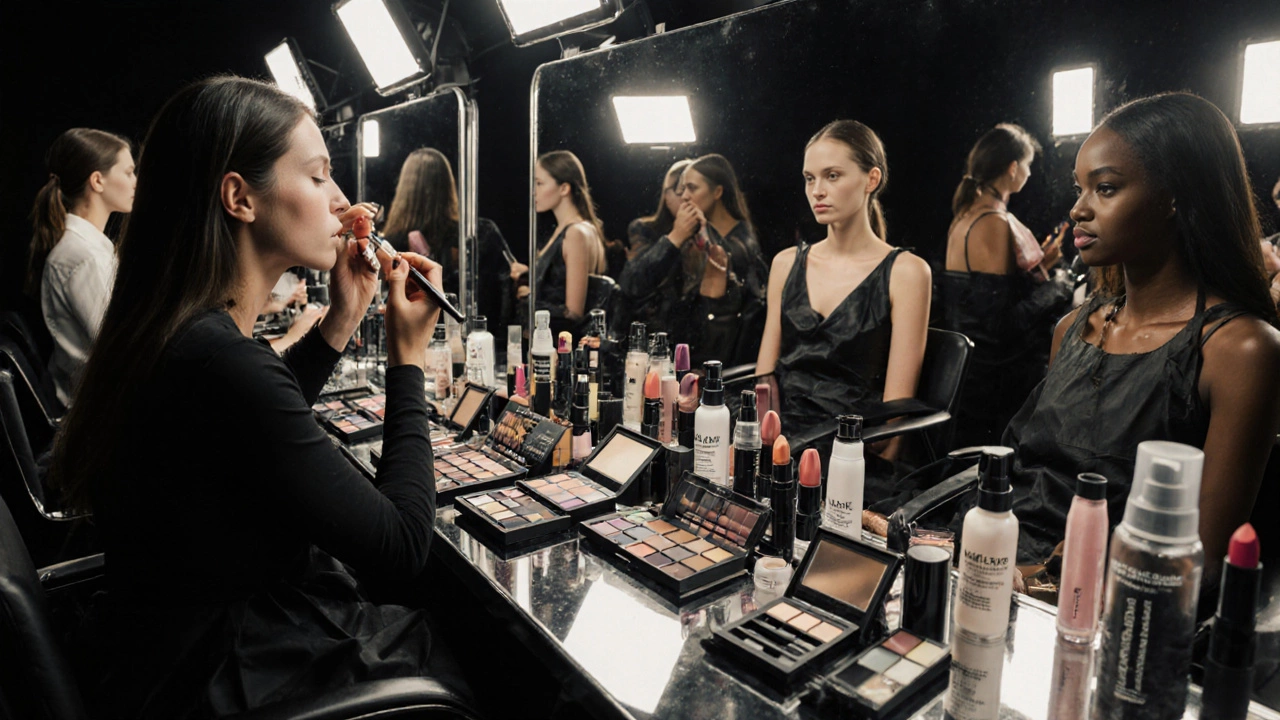
Discover the top cosmetics brands that professional makeup artists trust, how they choose products, budget tips, and upcoming 2025 trends.
Categories
RECENT POSTS

What Is the 820 Rule? FDA 21 CFR 820, the 80/20 Pareto Principle, and the 8/20 Trading Signal
The '820 rule' isn’t one thing. It can mean FDA 21 CFR 820 (medical devices), the 80/20 Pareto principle, or the 8/20 moving average in trading. Here’s the difference and how to use each.

What Do Minimalists Do With Gifts? Practical Ways to Receive Without Clutter
Minimalists don't reject gifts-they reframe them. Learn how to receive thoughtfully, let go guilt-free, and turn unwanted presents into meaningful connections without adding clutter to your life.

Can Apple Cider Vinegar Really Help You Lose Weight? Here's What the Science Says
Apple cider vinegar may help with weight loss by reducing appetite and stabilizing blood sugar, but it's not a magic solution. Real results come from combining it with healthy eating and movement.

Is Target Fast Fashion? Honest Look at Their Clothing & Ethics
Does Target count as fast fashion? Dive deep into their clothing lines, sustainability efforts, and what really goes into those $10 tees everyone loves.

How to Make Your House Cozy but Not Cluttered
Learn how to create a cozy home without clutter by focusing on light, texture, intentional items, and simple habits. Real strategies for small spaces and busy lives.