Circular Economy: What It Is and How It Connects to Sustainable Fashion, Gardening, and Daily Life
When we talk about a circular economy, a system where resources are kept in use for as long as possible through reuse, repair, and recycling. Also known as closed-loop economy, it flips the old take-make-waste model on its head. Instead of throwing things away after one use, a circular economy asks: Can this be fixed? Repurposed? Returned to the soil? Refilled? Re-sold? It’s not magic. It’s simple math: if we stop treating the planet like a landfill, we save money, reduce pollution, and make things last longer.
This isn’t just about big companies changing their supply chains. It shows up in your everyday choices. Take sustainable fashion, clothing made to last, repaired, and eventually returned to the material stream. Also known as slow fashion, it’s the direct opposite of fast fashion’s disposable mindset. Brands that truly follow circular principles don’t just use organic cotton—they track where every button and zipper ends up. And when you buy a shirt from one of them, you’re not just wearing fabric—you’re participating in a loop. The same idea applies to waste reduction, the practice of minimizing what gets thrown away by choosing reusable, refillable, or compostable options. You see it in how coffee grounds become plant food, how old clothes turn into cleaning rags, and how food scraps feed your garden instead of the trash bin. Even resource reuse, the act of finding new uses for items before discarding them. Also known as upcycling, it’s the quiet hero behind lazy gardening, where mulch covers soil to cut watering needs, or a jar becomes a seed starter. These aren’t isolated habits. They’re all pieces of the same system.
What you’ll find here isn’t theory. It’s real examples. Articles that show how to tell if your favorite brand is actually building a circular model—or just pretending. How to grow food with less waste and more soil health. How to build a wardrobe that doesn’t end up in a landfill after six wears. How to eat well without buying plastic-wrapped junk. This isn’t about being perfect. It’s about making smarter moves, one choice at a time. And if you’ve ever wondered why your compost bin matters, or why that old jacket shouldn’t just disappear, you’re already on the right path. Let’s see how others are doing it.
Is Sustainable Fashion Just a Trend? The Reality Behind the Greenwashing
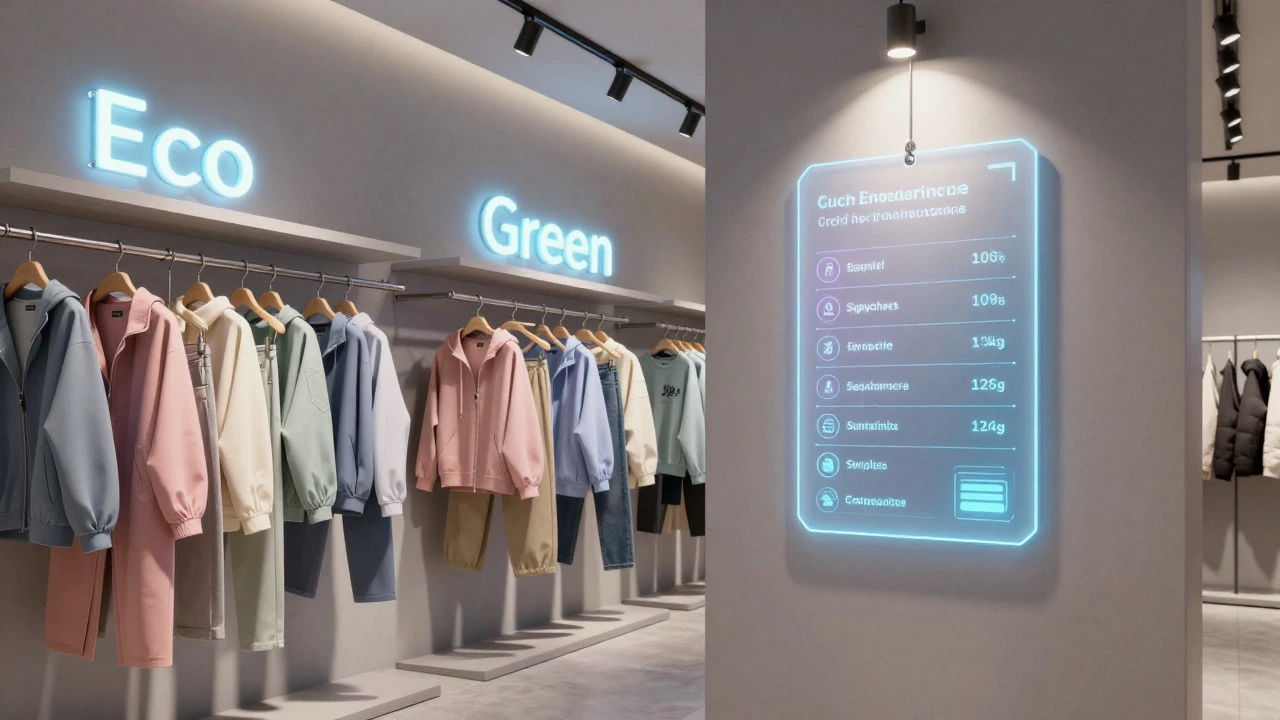
Is sustainable fashion a trend or a permanent shift? We explore greenwashing, circular economy, and real changes in the industry beyond marketing hype.
What Does Sustainable Mean in Fashion? A Real Guide to Eco-Friendly Clothing
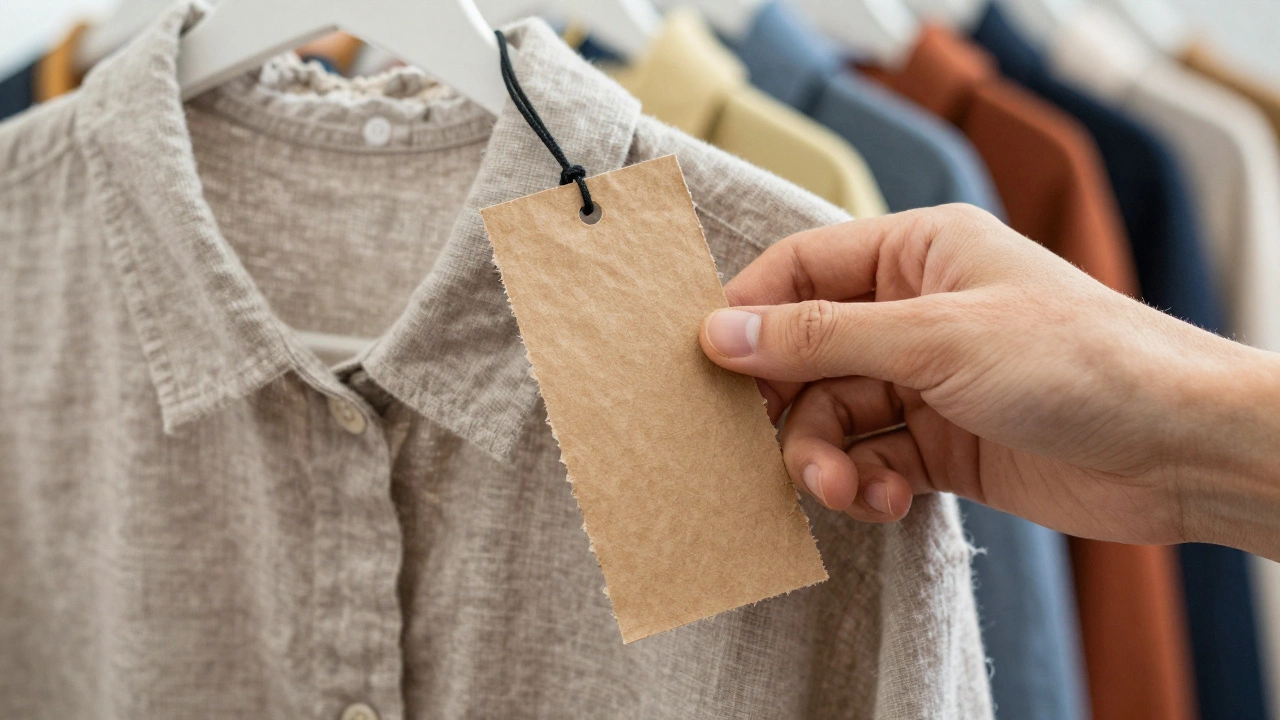
Discover what sustainable fashion really means beyond marketing hype. Learn about ethical labor, eco-friendly materials, and how to spot greenwashing in 2026.
The 7 Rs of Sustainable Fashion: A Practical Guide to Ethical Style
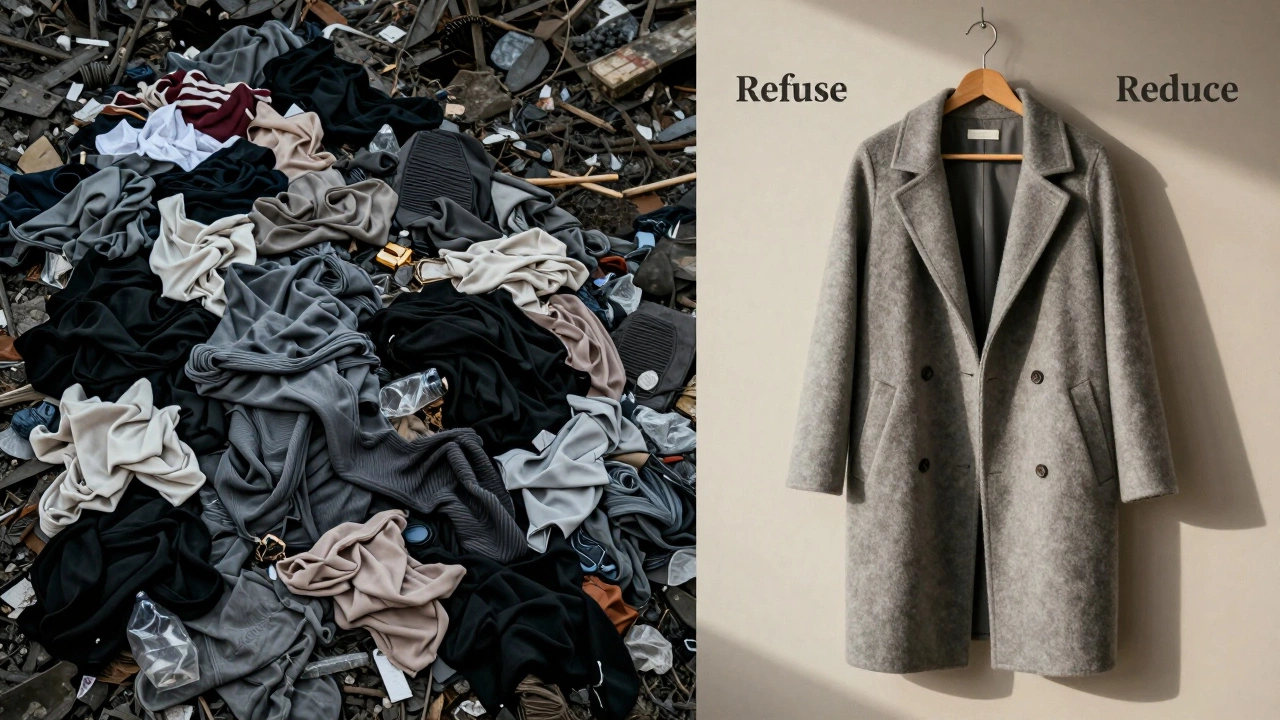
Discover the 7 Rs of sustainable fashion: Refuse, Reduce, Rethink, Repair, Reuse, Rent, and Recycle. A practical guide to building an ethical wardrobe.
What Does Sustainable Fashion Look Like in 2026? A Real-World Guide
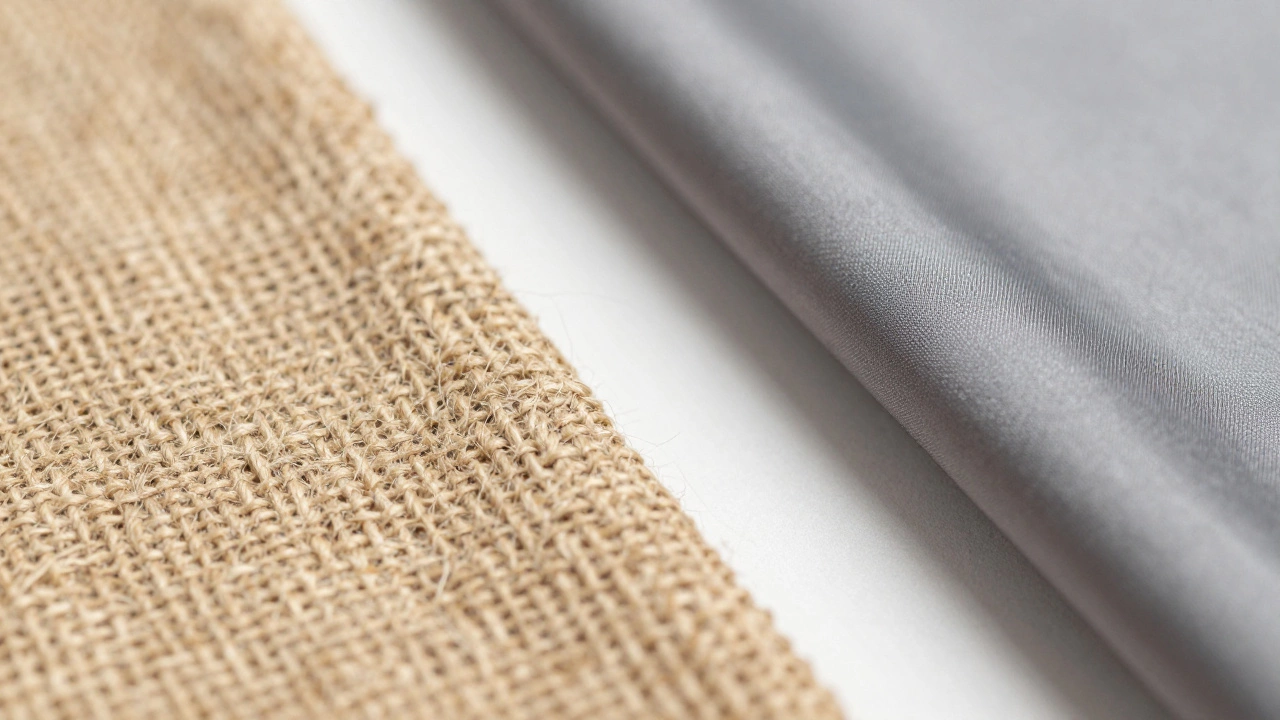
Discover what sustainable fashion really looks like in 2026. From eco-friendly materials to circular economy practices, learn how to build an ethical wardrobe without breaking the bank.
What Does Sustainable Fashion Mean? A Practical Guide to Ethical Style
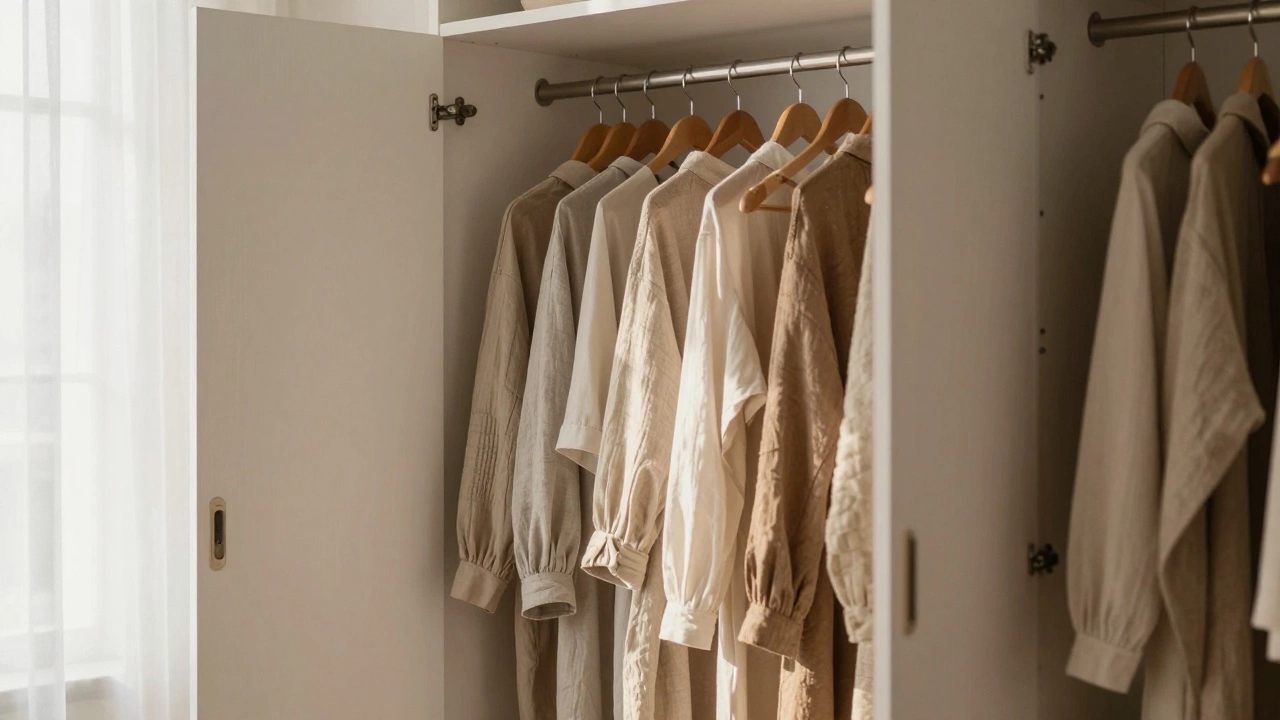
Sustainable fashion means prioritizing ethical labor, environmental protection, and circularity over fast trends. Learn how to build an eco-friendly wardrobe, spot greenwashing, and choose durable materials.
Is Goodwill Actually Sustainable? A Deep Dive into Thrift Store Impact
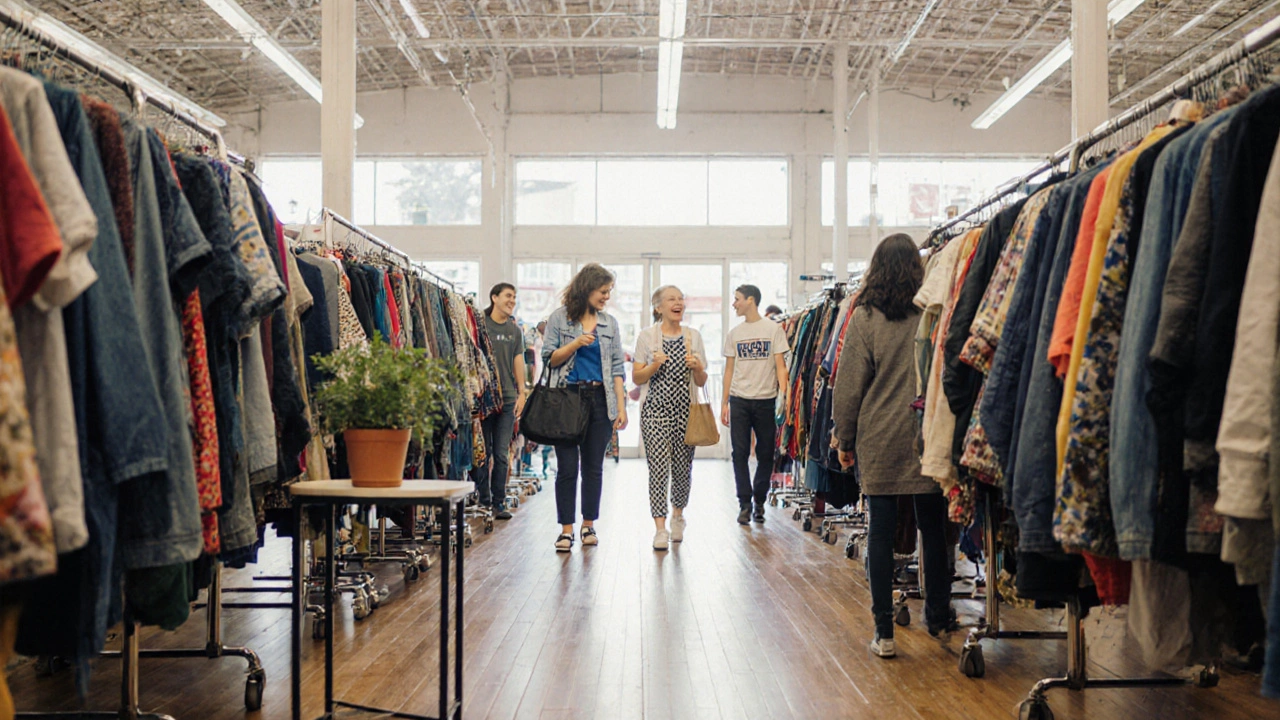
Explore Goodwill's real impact on sustainability, carbon savings, waste diversion, and social benefits. Find data, myths, and tips for greener thrift shopping.
Categories
RECENT POSTS

Is Thinking, Fast and Slow Overrated? An Honest Review
We analyze whether Daniel Kahneman's Thinking, Fast and Slow is a must-read or just hype. Discover if the book offers practical value or just academic theory, and find better alternatives for action-oriented readers.

Most Trusted Skin Care Brands: How to Choose Based on Science and Reviews
Discover how to find the most trusted skin care brands by looking past marketing and focusing on clinical data, ingredient transparency, and dermatologist advice.
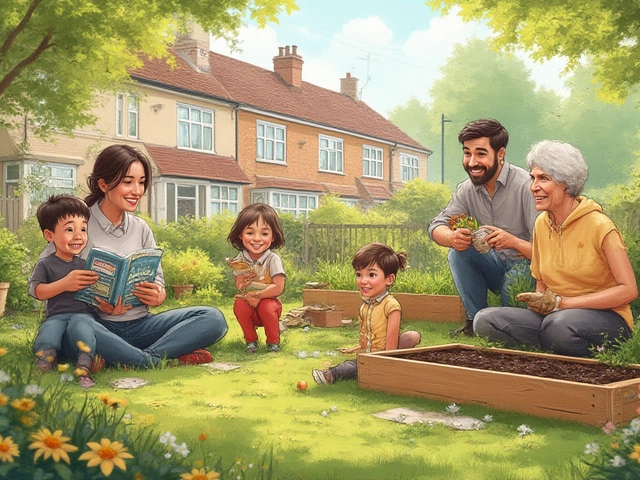
Easy Gardening for Beginners: How to Start a Garden from Scratch
Discover practical and friendly steps for starting a garden easily, with beginner tips, plant choices, soil advice, and ongoing care for a thriving backyard paradise.
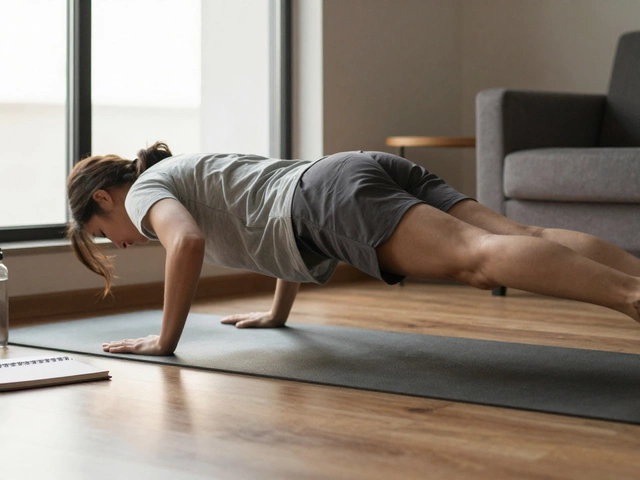
What Is the 30 by 30 Workout? A Simple Routine for Strength and Endurance
The 30 by 30 workout is a 30-day bodyweight routine with 30 reps of five exercises daily. It builds strength, endurance, and discipline without equipment or gym time.
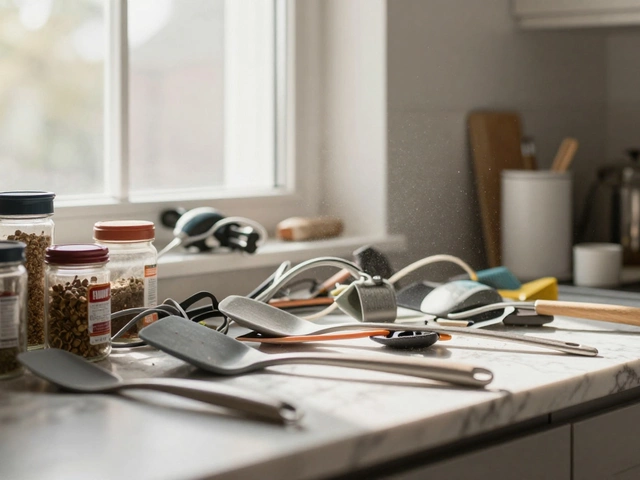
What is the 80/20 Rule for Decluttering? A Practical Guide to Home Organization
Discover the 80/20 rule for decluttering, a powerful method to identify the 20% of items you use most. Learn practical steps to reduce clutter, save time, and create a functional home using the Pareto Principle.