Slow Fashion: What It Is, Why It Matters, and How to Start
When you hear slow fashion, a movement that values quality, ethics, and longevity over cheap, disposable clothing. Also known as conscious fashion, it’s not just a trend—it’s a reset button for how we think about what we wear. Fast fashion pushes new styles every week, floods stores with low-quality clothes, and treats people and the planet as expendable. Slow fashion flips that. It asks: Who made this? How long will it last? What happens when I’m done with it?
This isn’t about buying expensive labels. It’s about sustainable fashion, clothing made with care for people and the environment—using organic cotton, recycled fibers, or deadstock fabrics. It’s about ethical fashion, brands that pay fair wages and provide safe working conditions. And it’s about textile waste, the 92 million tons of clothing dumped into landfills every year. Most of it ends up in Africa or burned. You don’t need to throw out your whole wardrobe to make a difference. Start by asking one question before each purchase: Will I still wear this in two years?
The posts here aren’t about perfection. They’re about progress. You’ll find real ways to spot greenwashing, understand what certifications actually mean, and learn how thrifting and repairing clothes can save money and reduce waste. You’ll see how minimalists build wardrobes around a few trusted pieces—and why black isn’t just a color, it’s a strategy. You’ll learn how brands like Goodwill play a role in the circular economy, and how to tell if a company is truly transparent—or just slapping a leaf on their packaging.
There’s no single right way to practice slow fashion. Maybe you start by washing clothes less. Or buying secondhand. Or learning to sew a button. The goal isn’t to be a saint—it’s to be smarter. To stop treating clothes like disposable items and start seeing them as part of your life, not just your look. The choices you make now shape the future of what’s in your closet—and what’s left for the planet.
Is Sustainable Fashion Just a Trend? The Reality Behind the Greenwashing
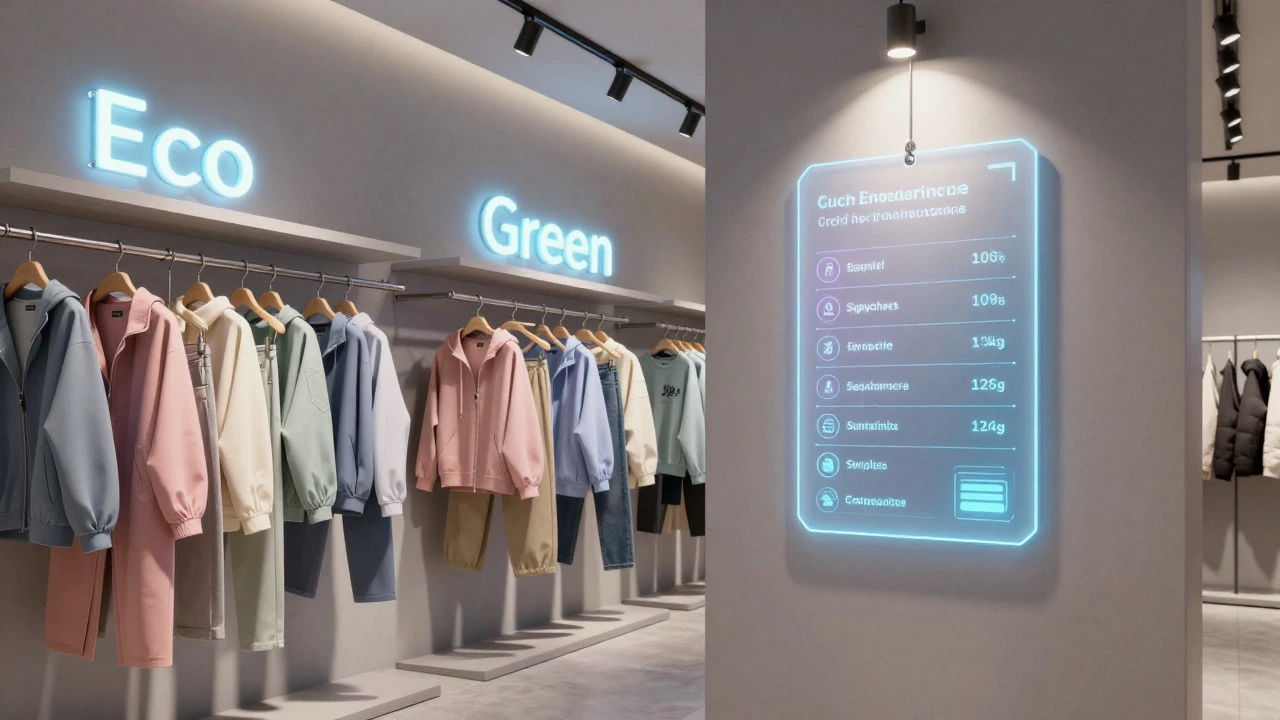
Is sustainable fashion a trend or a permanent shift? We explore greenwashing, circular economy, and real changes in the industry beyond marketing hype.
What Does Sustainable Mean in Fashion? A Real Guide to Eco-Friendly Clothing
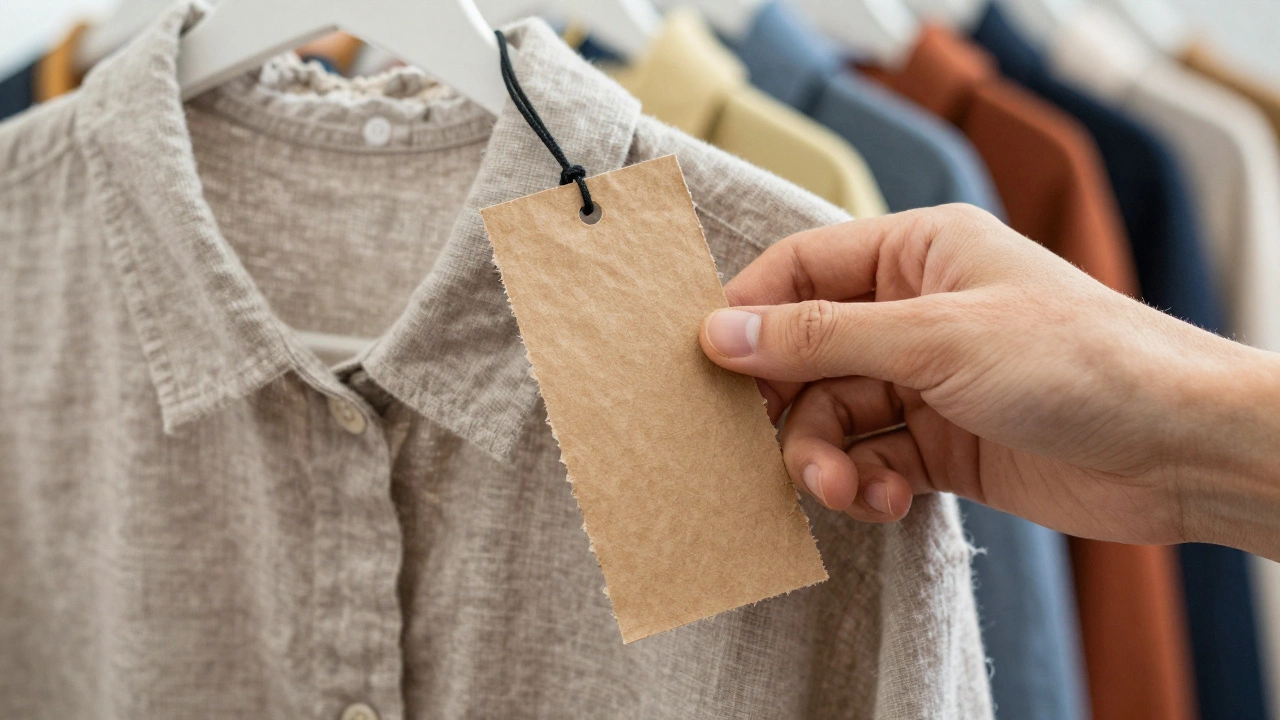
Discover what sustainable fashion really means beyond marketing hype. Learn about ethical labor, eco-friendly materials, and how to spot greenwashing in 2026.
The 7 Rs of Sustainable Fashion: A Practical Guide to Ethical Style
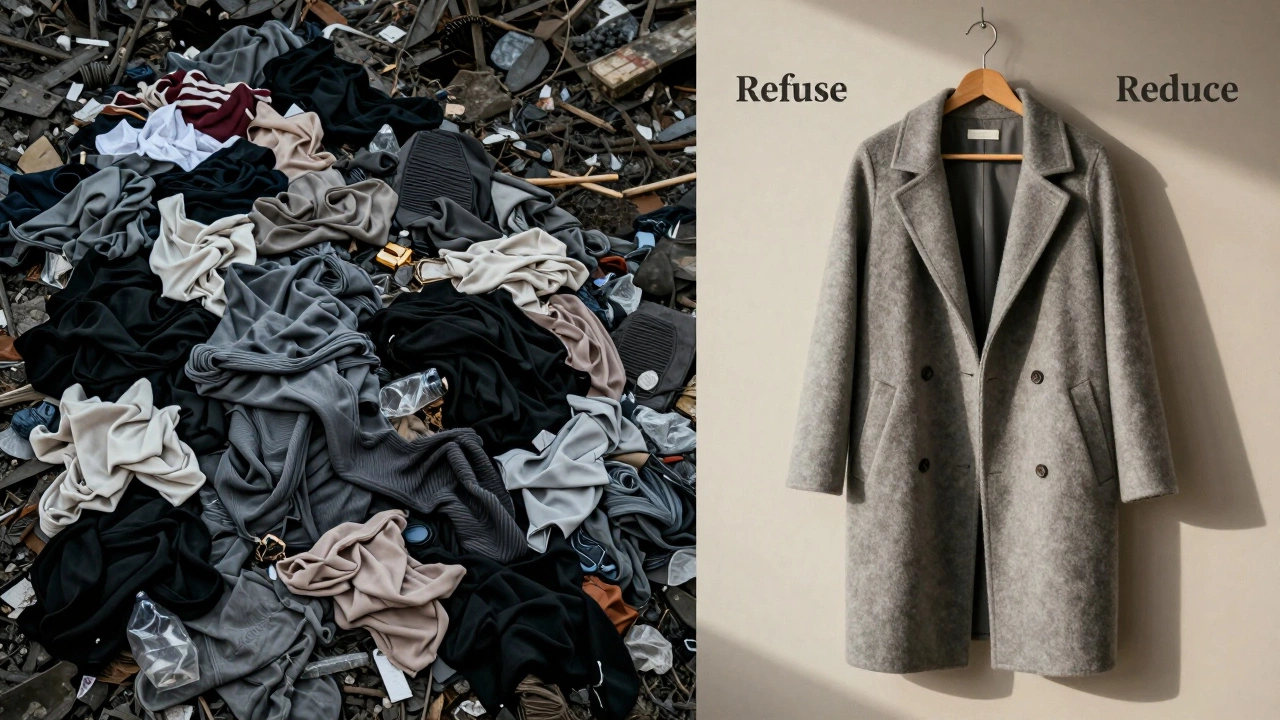
Discover the 7 Rs of sustainable fashion: Refuse, Reduce, Rethink, Repair, Reuse, Rent, and Recycle. A practical guide to building an ethical wardrobe.
What Does Sustainable Fashion Look Like in 2026? A Real-World Guide
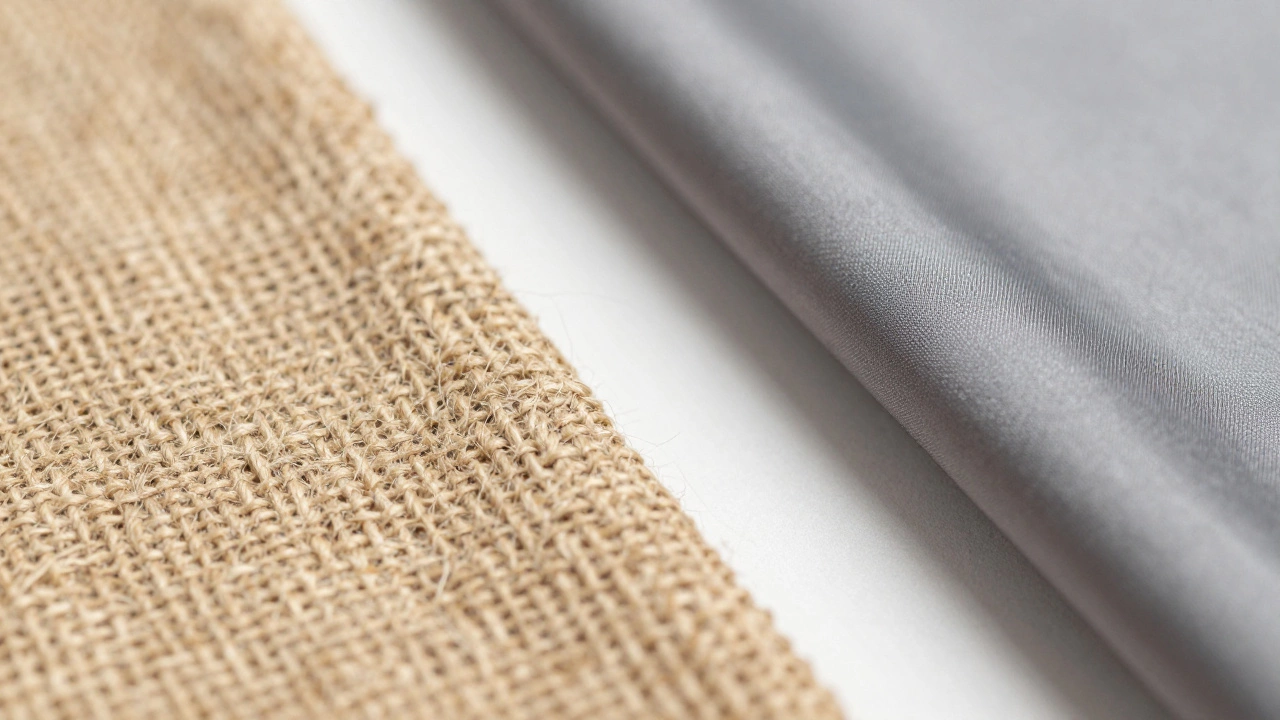
Discover what sustainable fashion really looks like in 2026. From eco-friendly materials to circular economy practices, learn how to build an ethical wardrobe without breaking the bank.
What Does Sustainable Fashion Mean? A Practical Guide to Ethical Style
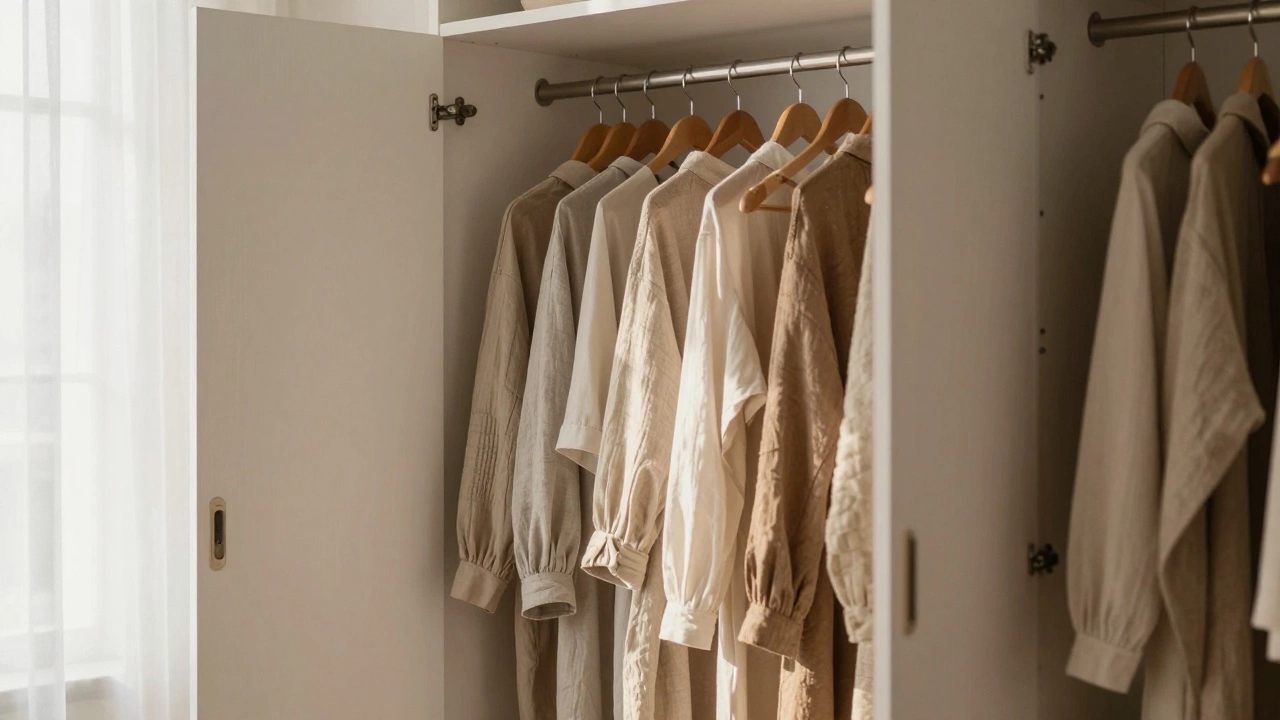
Sustainable fashion means prioritizing ethical labor, environmental protection, and circularity over fast trends. Learn how to build an eco-friendly wardrobe, spot greenwashing, and choose durable materials.
What is the 70/30 Fashion Rule? Mastering Sustainable Style
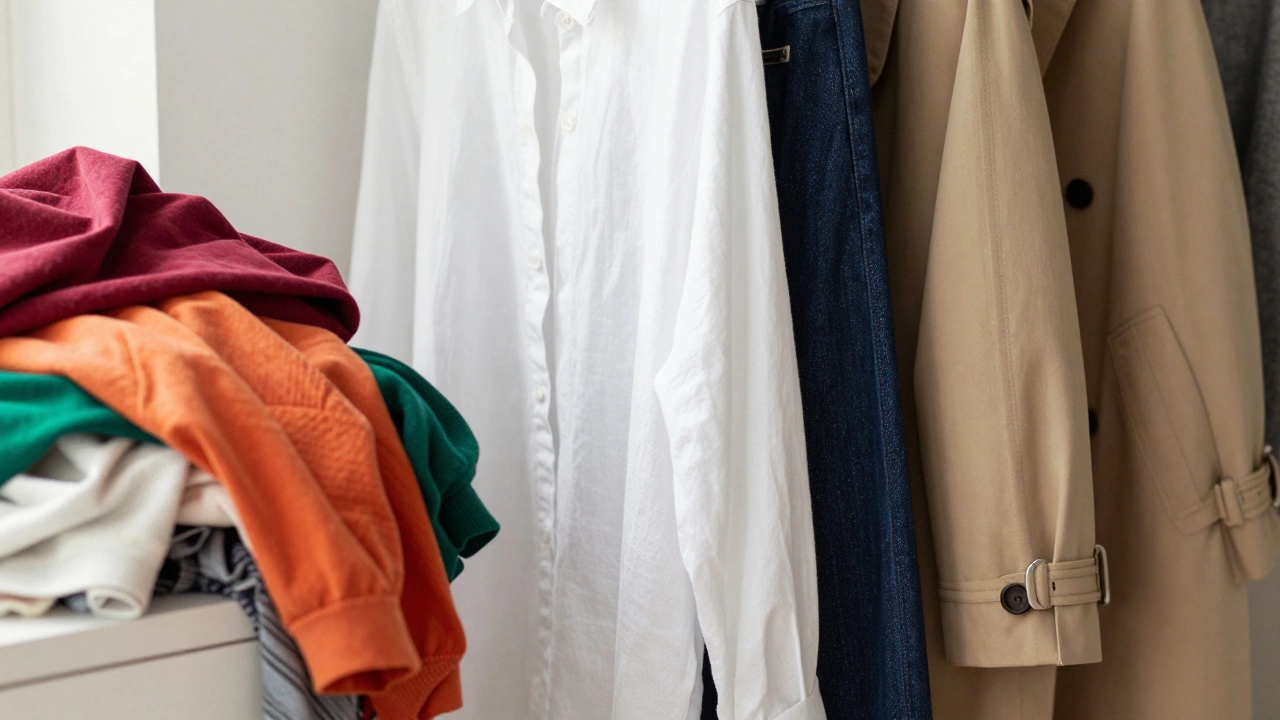
What Qualifies as Sustainable Fashion? A Clear Guide to Ethical Clothing
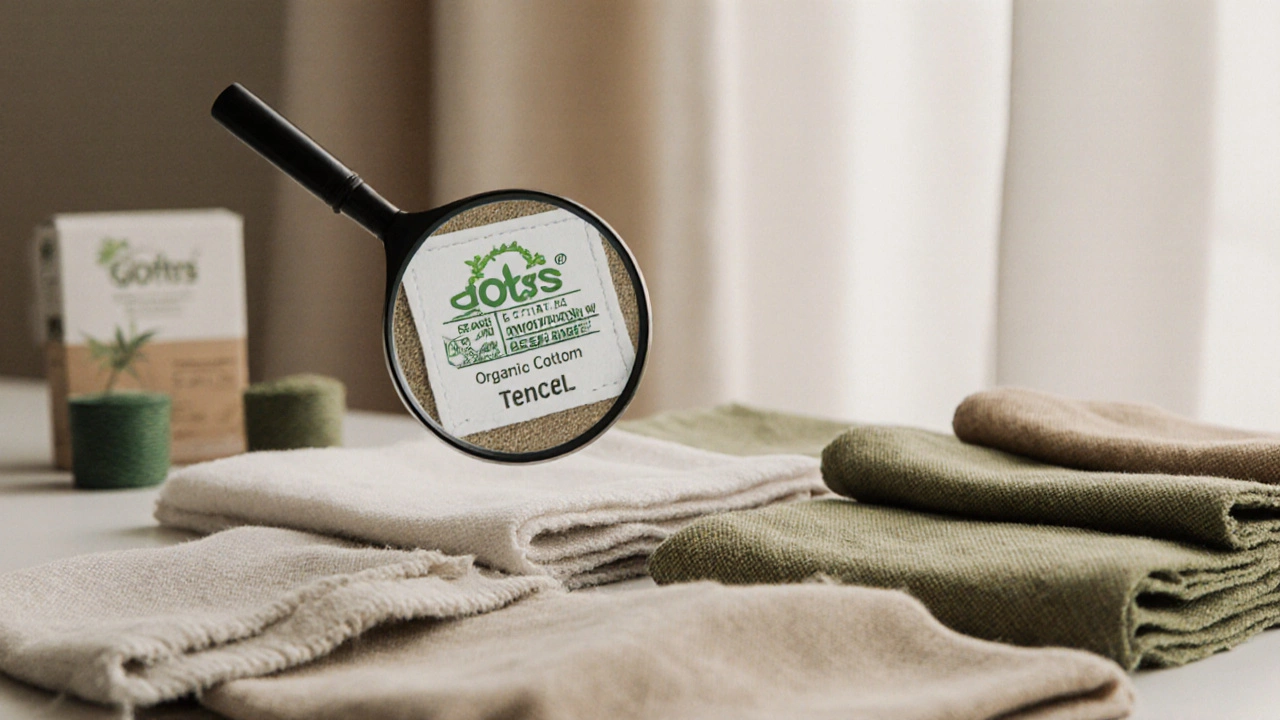
Sustainable fashion isn't just about organic cotton or recycled labels. It's about materials, fair labor, durability, and what happens after you're done wearing it. Learn what truly makes clothing sustainable.
Categories
RECENT POSTS
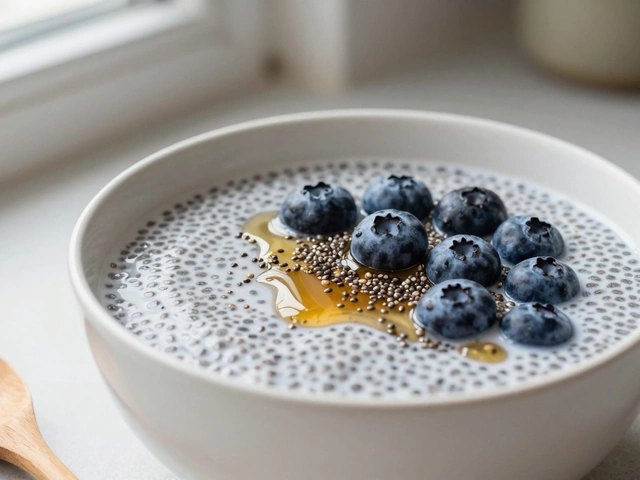
What Is the #1 Superfood? The Real Answer Behind the Hype
Chia seeds are the #1 superfood because they pack fiber, protein, omega-3s, and minerals into a tiny, affordable, shelf-stable package that works in any meal. No hype-just real nutrition.
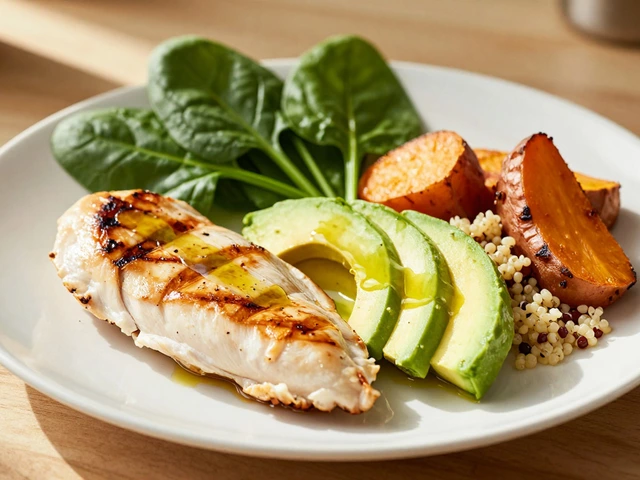
The Rule of 3 Meal Plan: A Simple Guide to Balanced Eating
Learn the Rule of 3 meal plan, a simple framework for balanced eating using protein, fat, and carbs. Discover practical tips for meal prep and healthy living.
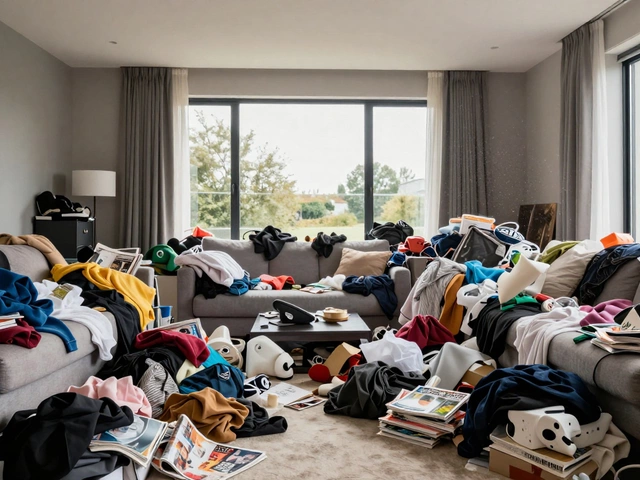
How to Declutter Your Entire House: A Stress-Free Step-by-Step Guide
Feeling overwhelmed by clutter? Learn a step-by-step strategy to declutter your entire house without stress. Discover decision frameworks, handling sentimental items, and maintaining order.

What is the 3% Rule? Master Your Money Habits with the 3 Percent Rule
Uncover what the 3% rule means and how it can transform your finances, savings, and spending habits. Easy guide for smarter money choices.

Why Do People Struggle with Work-Life Balance?
People struggle with work-life balance because of constant connectivity, unrealistic work demands, and the myth that burnout equals dedication. It's not about time management - it's about broken systems and personal boundaries.